
Phoenix the Pit Bull Survived Horrific Abuse and Found New Purpose Helping a Veteran

Phoenix's story begins with cruelty no dog should endure. The pit bull survived being tied to a tree, badly beaten and set on fire, and what followed gave his survival a remarkable purpose.
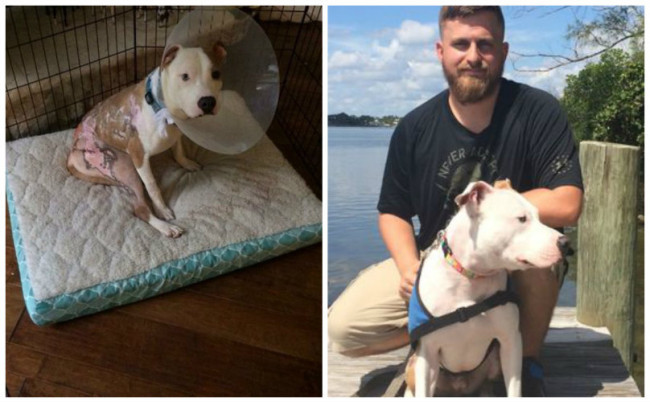
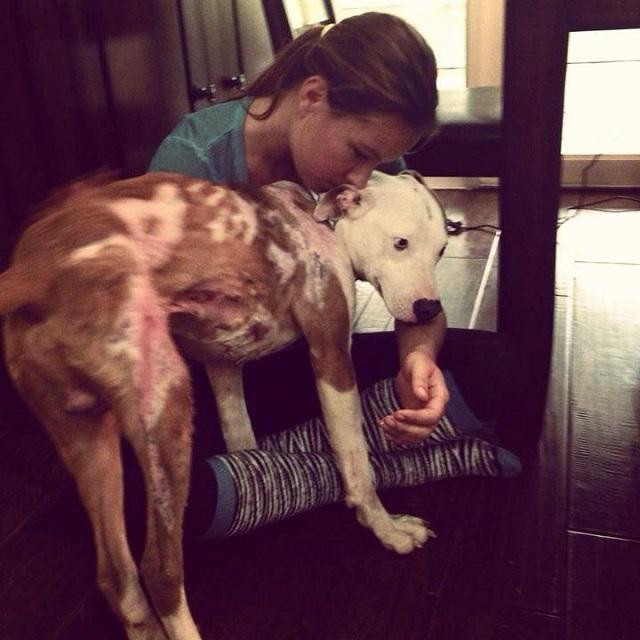
When Phoenix was still a puppy, his previous owner abused him severely. He was tied to a tree, beaten badly and set on fire, yet he survived. For dog lovers, one part of his story stands out especially sharply: despite everything he had been through, Phoenix showed no signs of aggression.
In the clip below, his story is told in full.
A second chance with the right person
Phoenix was rescued and trained by C.A.M.O., a non-profit organization that takes dogs from local shelters and prepares them to assist disabled war veterans. The handlers there believed Phoenix was truly special.
Army Corporal Derek Butler was searching for a service dog to help him cope with PTSD when he saw Phoenix. Butler knew right away that he had found the dog he was looking for. He felt a connection because Phoenix had also lived through trauma, and that shared experience gave the match unusual meaning.
Phoenix's life took on a new purpose through that bond. The same dog who survived severe abuse became a source of support for Butler as he dealt with post traumatic stress disorder. The two found comfort in each other, and their friendship was described as growing stronger through the pain both had carried.
For a dog whose early life was marked by brutality, Phoenix's story became something else entirely: proof that survival can lead to service, and that a rescued dog can change a life.
How abused dogs recover
Dogs that have lived through neglect or violence often need a long decompression period before their real personality shows. Fear can look like shutdown, clinginess, hypervigilance, house soiling, chewing, pacing, or defensive barking. Some dogs also freeze instead of growling, which is easy to misread as calm.
The most useful first steps are boring but powerful: a predictable routine, a quiet sleeping area, gentle handling, and enough distance from triggers. Let the dog choose approach when possible. Reward calm behavior with food, praise, or play, and avoid punishment, which can deepen fear. Keep walks structured and short at first. A basket muzzle, introduced slowly with treats, can be a safety tool for some dogs and is not a sign of a bad dog.
If a dog startles easily, guards food, or seems overwhelmed, get help from a qualified trainer or veterinary behavior professional early. Progress is rarely linear. Small setbacks are normal.
Why dogs can help people heal
Many people find that living with a dog adds structure, movement, companionship, and a sense of purpose. Daily tasks like feeding, walking, grooming, and training can anchor a routine and pull attention outward. Physical contact, when a dog enjoys it, can also be calming.
Not every supportive dog has the same role. Some are simply beloved pets. Some visit facilities as therapy dogs. Some are trained to perform specific tasks for a disabled handler, such as interrupting distress, creating space in crowds, or cueing routines. The right match depends on the person's needs, the dog's temperament, and the amount of training support available.
A dog is not a substitute for medical or mental health care, but it can be part of a broader support system.
What to know before adopting a trauma survivor
Ask the rescue or shelter what the dog is like at home, on leash, around strangers, around children, and around other animals. Find out what handling the dog tolerates, what scares it, and what training has already started. Set up the home before arrival with gates, a crate or safe room if appropriate, chew items, and a plan for introductions.
For bully breed type dogs, remember that appearance does not tell you everything about behavior. Individual history, socialization, health, and training matter more than labels. Look for a dog whose energy level and coping style fit your household.
If you want to help but cannot adopt, fostering, transport, donating supplies, and sharing adoptable dogs responsibly can all make a real difference.
Share this article:





