
Cookie the Cat Spent 72 Hours in a 20 Foot Gap Before a Cave Rescuer Finally Reached Him

The moment that finally saved Cookie was surprisingly quiet. After three days of failed attempts, an experienced cave rescuer was lowered into a narrow concrete gap and, with soft words and careful movements, persuaded the trapped cat to let himself be picked up.
A tiny space, a very long wait
Cookie, a cat from Le Perreux-sur-Marne near Paris, ended up in a place no pet should ever be. After slipping from the pavement, he became wedged at the bottom of a very narrow gap between two buildings.
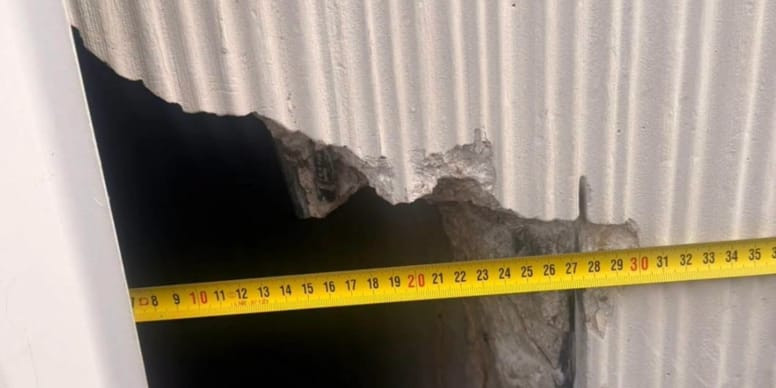
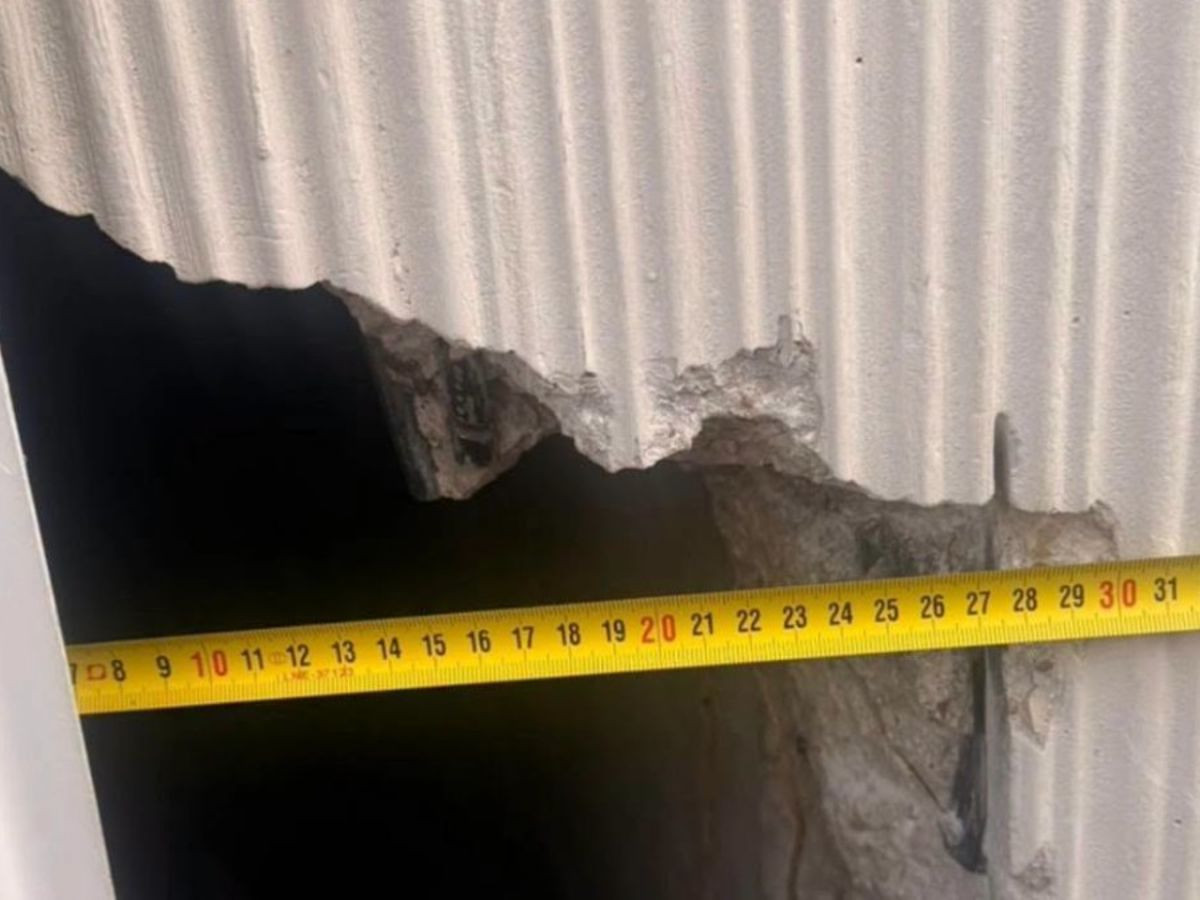
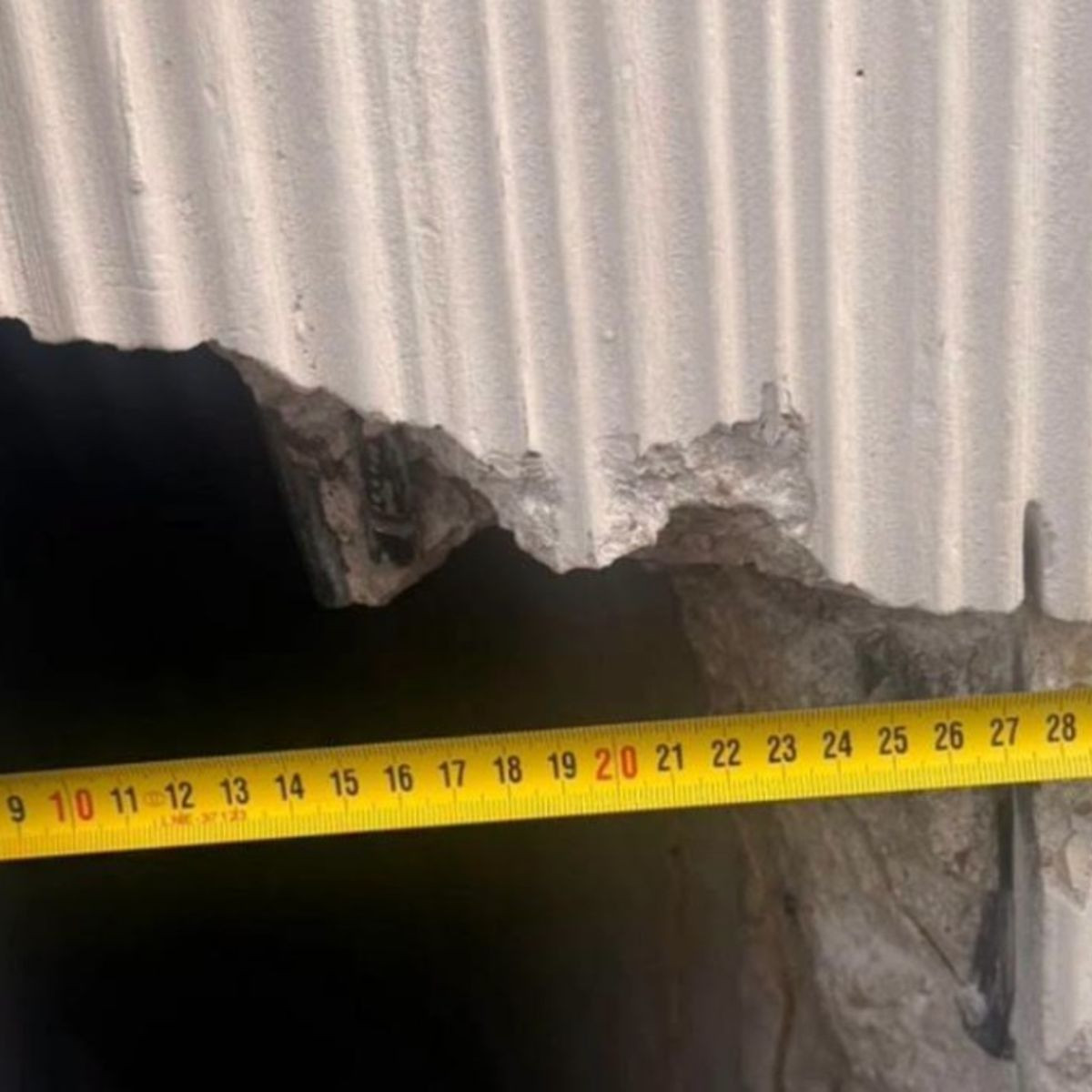
The space was not just tight. It was an expansion joint measuring about 10.5 inches across and 20 feet deep. At the bottom of that dark cavity, Cookie could not climb back out by himself.
For cat people, the image is instantly gripping. One wrong slip, one tiny opening, and suddenly a familiar neighborhood turns into a concrete trap. That was the reality for Cookie, who remained stuck far below the surface, out of reach and unable to free himself.
Even firefighters could not get to him
Emergency help arrived quickly. Firefighters were called right away and rushed to the scene to try to reach the stranded cat.
Their efforts were serious enough that they cut an opening in the pavement. Even that was not enough. Despite their work, Cookie still could not be reached.
At that point, the rescue had already become something much more difficult than a routine callout. The opening was narrow, the drop was deep, and the cat was trapped at the bottom of a space that ordinary access could not solve. Cookie's owner, however, did not give up.
Instead, she looked for specialists whose skills matched the problem. If a cat was stuck in a slim, vertical void between buildings, the people most likely to help were not traditional animal handlers but experts used to working in dangerous, confined places.
When the caving specialists stepped in
Cookie's owner turned to volunteers from Spéléo Secours Français, an organization linked to the French Federation of Speleology. These are rescuers accustomed to tight passages and risky underground operations, exactly the kind of experience this situation demanded.
The effort became a true endurance mission. The rescue took three days of nonstop work. Several attempts did not succeed.
Finally, the team chose the option that sounds dramatic because it was. They decided to lower an experienced cave rescuer directly into the narrow gap.
That decision changed everything, but not because of speed or force. The breakthrough came through patience. The rescuer moved closer gradually. She used a gentle approach, spoke softly, and relied on calm, reassuring movements to gain Cookie's trust.
It is easy to imagine this as a big, cinematic grab, but the real turning point was quieter than that. A frightened cat in a dark hole could not simply be rushed. He had to accept the person coming toward him in that tiny space. The rescue worked because the specialist managed to calm him enough to get close.
Cookie comes back up
Once Cookie trusted the rescuer, she was able to scoop him up carefully and carry him back to the surface.
That lift ended a 72 hour ordeal inside what was, in effect, a concrete prison. After all the failed attempts, the cut pavement, the specialist call for help, and the three days of effort, Cookie was finally safe.
He was reunited with his owner, who was deeply relieved and grateful to the rescue team. The ending was described as miraculous, and it is not hard to see why. A cat had disappeared into a slit barely wider than a foot, far below street level, and still came back out because people refused to stop trying.
Cookie's story is a reminder that some rescues depend on unusual skills, steady nerves, and a remarkable amount of tenderness. In this case, the winning combination was an owner's persistence, firefighters who tried everything they could, and a cave rescue specialist who entered a tiny gap and quietly convinced a trapped cat that help had finally arrived.
Why cats wedge themselves into gaps
Cats are built to explore narrow, dark spaces. A hiding spot can feel safe because it blocks sightlines, muffles sound, and keeps larger threats out. Whiskers help a cat judge whether an opening is passable, but panic can undo that caution. A cat may squeeze forward, slip on dust or loose stone, then discover it cannot turn around or climb back.
Stress changes behavior fast. A trapped cat may go silent, freeze, or retreat deeper when it hears people. That can make the animal seem to disappear. If a cat is missing, check warm, hidden, and awkward places first: behind appliances, inside furniture, under decking, in crawl spaces, drains, sheds, and gaps in rock or walls.
How difficult rescues usually work
The safest rescues are slow and methodical. The first job is locating the cat precisely by listening for meows, watching for eye shine, and tracing scent, paw marks, or disturbed dust. Rescuers then try the least invasive options first: tempting the cat with familiar voices, food, or bedding, and creating a quiet escape route.
If the animal is stuck rather than hiding, access matters more than speed. Tight spaces can collapse, shift, or trap a rescuer too. People with confined space, rope, animal handling, or structural rescue experience may be needed, depending on the setting. Gloves, carriers, blankets, endoscope cameras, and gentle restraint tools can help, but pulling a cat hard from a narrow gap can cause injury. Once free, many cats need warmth, water, calm handling, and a veterinary check.
What owners can do right away and long term
Start by reducing noise and gathering supplies before you reach in. Bring a torch, thick gloves, high value food, a carrier, and a blanket. Speak softly. Do not chase, shake structures, or flood a space unless a professional tells you it is safe. A frightened cat may bolt farther in, scratch, or bite.
For prevention, walk your home and garden at cat height. Block access to wall voids, roof spaces, pipe chases, open drains, and gaps behind cabinets or appliances. Secure loose boards and cover pits. Microchips, breakaway collars where appropriate, and recent photos all help if a cat vanishes. Training a cat to come to a cue and to enter a carrier willingly can also save time in an emergency.
Share this article:





