Roarsome Replica Coin Revealed at London Zoo as ZSL Turns 200

London Zoo just got a little louder, in the best way. ZSL is turning 200, and the Royal Mint is marking the moment with a Roarsome Replica Coin that’s part collectible, part conservation fundraiser, and part “wait, that’s actually adorable” spectacle.
The whole thing started with history, ZSL founded in 1826 by Sir Thomas Stamford Raffles, then grew into a global conservation powerhouse across more than 70 countries. Now you’ve got Royal Mint reps talking up the coin as more than a trinket, ZSL officials calling the design a snapshot of two centuries of wins, and collectors circling editions from brilliant uncirculated to premium silver and gold.
And if that giant wooden coin at the zoo already had you thinking, the next surprise is even stranger.
From London Zoo to Global Conservation Leader
The release also celebrates two centuries since ZSL was founded in 1826 by Sir Thomas Stamford Raffles to advance zoological science.
Over the years, the organization has expanded far beyond its famous London Zoo, supporting projects in more than 70 countries that focus on habitat restoration, endangered species recovery, scientific research, and conservation education.
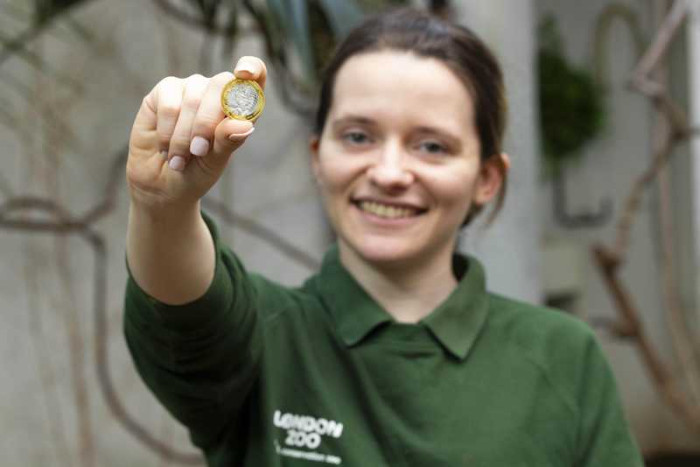
200 Years of Wildlife Conservation
Royal Mint representatives described the coin as more than a collector's item, calling it a tribute to generations of scientists, conservationists, and animal keepers whose work has helped protect wildlife across the globe.
Officials from ZSL echoed that message, stating that the design reflects only a fraction of the conservation successes achieved during the charity's 200-year history.
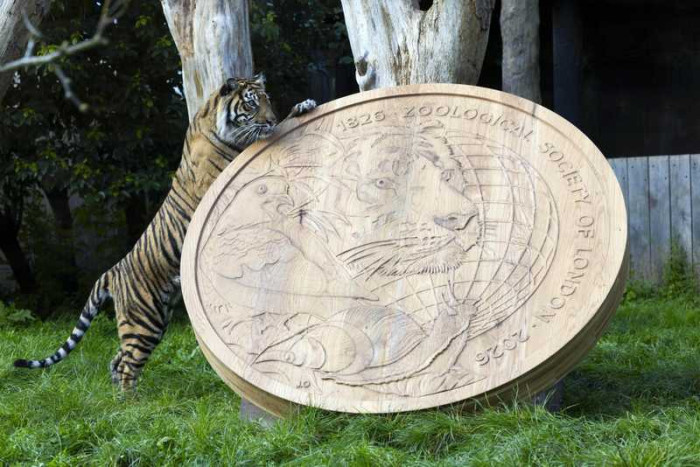
Royal Mint Launches ZSL Anniversary Coin
Collectors will be able to choose from several versions of the coin, ranging from an affordable brilliant uncirculated edition to premium silver and gold releases. Part of the proceeds from every purchase will help fund ZSL's conservation programs, allowing buyers to contribute directly to wildlife protection while owning a piece of the organization’s bicentenary celebrations.
The experience will not end with the launch. Visitors to the Royal Mint Experience in South Wales will soon have the chance to strike their own ZSL £2 coin, adding another interactive element to the anniversary year and bringing conservation closer to the public in an unexpected way.
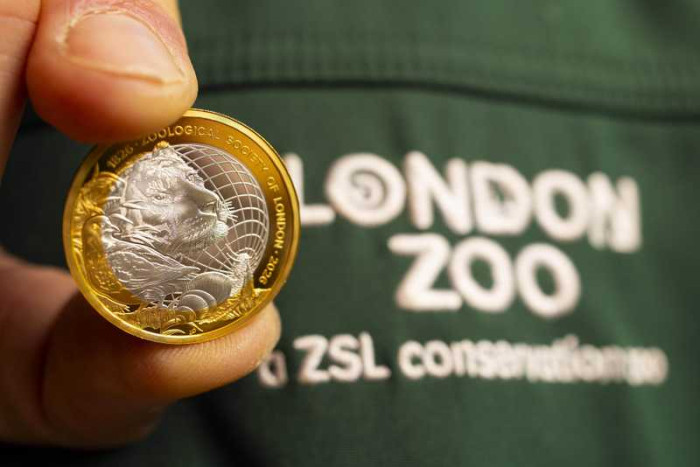
While everyone’s focused on the anniversary coin, the real flex is that ZSL’s work stretches past London into habitat restoration and endangered species recovery in 70-plus countries.
Then comes the “buy it, fund it” part, since proceeds from every version are set to support ZSL’s conservation programs, not just sit in a display case.
Before the coin buzz, conservation hopes were sparked by a rare ant colony found on King Charles’ Balmoral estate.
The Symbolism of the Coin
The giant wooden coin at the London Zoo isn’t just a quirky enrichment toy for the Sumatran tigers; it represents a significant milestone—the 200th anniversary of the Zoological Society of London. This clever blending of history and wildlife conservation hits home for many. On one level, it’s a playful nod to the currency that fuels conservation efforts, but it also raises questions about how we value wildlife in an era where funding is increasingly scarce.
By allowing the tigers to engage with this oversized replica, the zoo cleverly showcases its commitment to animal welfare. However, it also prompts a deeper reflection: can a piece of art or a gimmick, no matter how grand, truly encapsulate the urgency of conservation? The juxtaposition of fun and serious advocacy makes this event resonate on multiple levels.
That’s when the Royal Mint Experience in South Wales steps in, because visitors will soon be able to strike their own ZSL £2 coin, turning the celebration into an activity, not a lecture.
Community Reactions to Conservation Efforts
The community response to the unveiling of the coin has been a mixed bag. On one hand, animal lovers are thrilled to see such creative enrichment for the tigers, while on the other, some skeptics question whether the zoo's efforts genuinely address the pressing conservation issues facing endangered species. With the Sumatran tiger population dwindling, is a playful coin enough to raise awareness?
Moreover, this event taps into broader debates about zoos and their role in modern conservation. Critics often question whether captivity can ever serve as a true sanctuary for species on the brink. So, while the coin symbolizes a celebration, it also highlights the contradictions within the zoo's mission. Are these initiatives merely fun distractions from the grim realities of wildlife conservation?
And it all ties back to the zoo’s giant wooden coin for the Sumatran tigers, which makes the symbolism feel less like marketing and more like the animals getting the spotlight.
The special £2 coin celebrates far more than a milestone anniversary. It highlights the connection between conservation, education, and public support while reminding people that protecting wildlife often depends on collective action.
With the giant replica entertaining London Zoo's tigers and every purchase helping fund conservation projects, the launch combines history, creativity, and a practical contribution to safeguarding endangered species for the future.
This elaborate unveiling at London Zoo encapsulates both the joy of celebrating a historic milestone and the urgent need for genuine conservation efforts. While the oversized coin serves as a playful enrichment tool, it also invites us to consider the complexities of wildlife preservation. Are we doing enough to protect endangered species, or are we simply trying to create feel-good stories? What do you think—does this event genuinely contribute to conservation, or is it just a symbolic gesture?
By the time you see a tiger-sized coin and a tiger-sized impact fund, you start wondering how we ever treated wildlife like it was just change in the pocket.
From roars to rules, the debate over Lincoln Park Zoo’s lion roar is roaring too, see why people argue about zoo captivity.
Share this article: