
Bean the Pug Went Missing in Cape May. Her Police 'Pugshot' Helped Bring Her Home

Bean, a tiny pug on an unsupervised outing in Cape May, ended up somewhere few dogs ever do: at the local police station. What could have been just another lost pet call turned into a funny public appeal that helped get her back to her family.
Bean's neighborhood adventure began when she slipped away from her owners and wandered around Cape May without anyone with her. The stakes were simple and serious. She was a small dog alone, and no one at the police department immediately knew who she belonged to.
Officers with the Cape May Police Department found her before the outing led to more trouble. Police Chief Anthony Marino said an officer picked Bean up and brought her safely to the station. Once she was there, the department had a dog to care for, but not yet a clear way to connect that dog to her home.
That gap is what turned Bean from a lost pet into a local character. With no identification ready to point officers to her family, they needed people to see her face, recognize her and pass the word to the right person. So the little runaway got an unusually official looking moment in custody.
A photo built for sharing
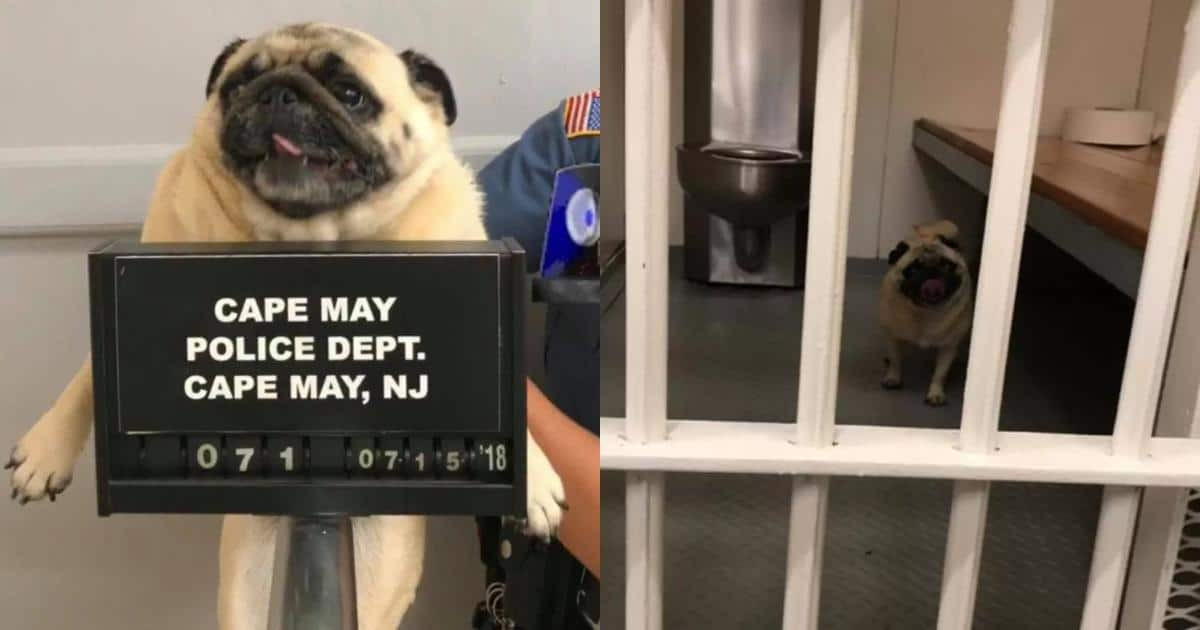
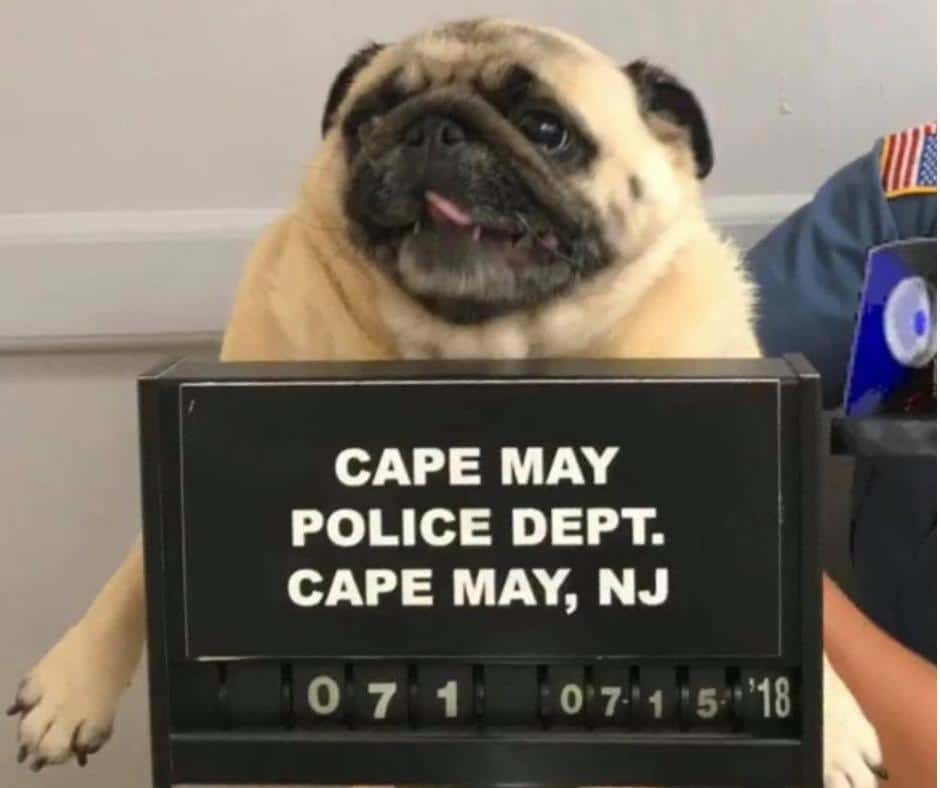
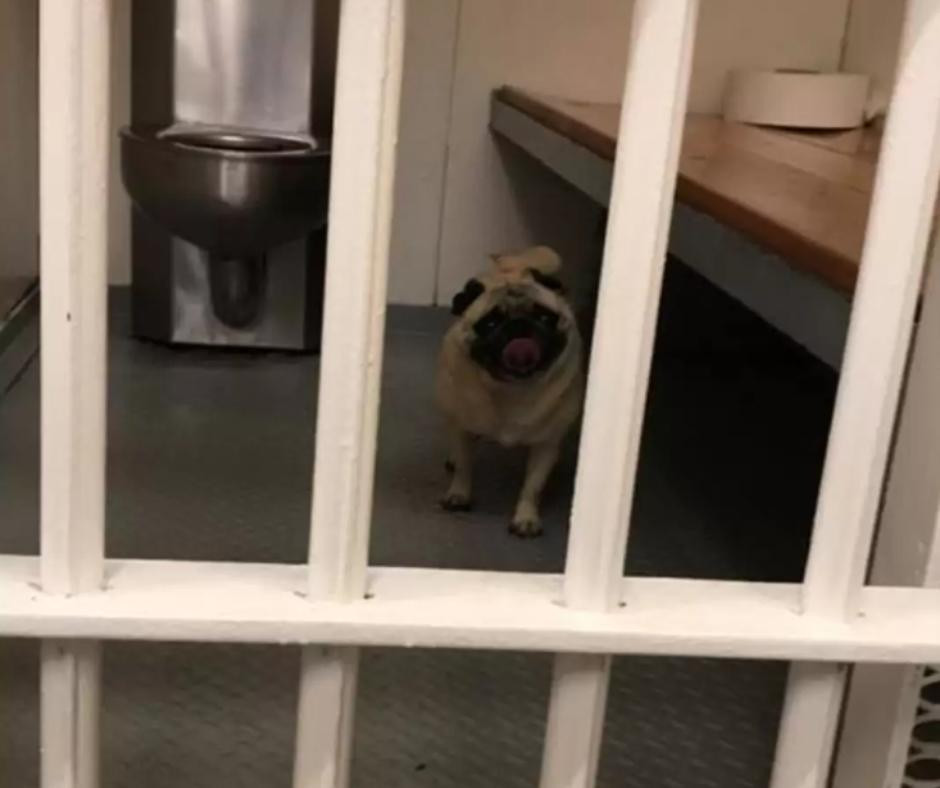
Someone at the department came up with the idea that gave Bean's story its spark. Officers posed the pug for a mock mugshot, quickly dubbed a "pugshot." In the picture, Bean sits behind bars and looks remarkably believable as a tiny offender whose solo outing had finally caught up with her.
The joke was real, but so was the purpose behind it. Marino explained that the department wanted to locate Bean's owner, and at that point they did not know who the owner was. The playful image gave them a way to turn a missing dog notice into something people would stop scrolling for.
Police shared Bean's photo on Facebook with a humorous warning about what can happen when dogs run away from home. People responded exactly as the department had hoped. The picture spread widely, collecting thousands of likes and shares from amused followers who enjoyed seeing the little pug in temporary police custody.
What made the post work was the balance between humor and usefulness. Bean was safe at the station, but she was still apart from the people looking for her. Every share increased the odds that somebody in the community would know her, or know the people missing her.
That is exactly what happened. A person who saw the Facebook post recognized the dog's connection, knew Bean's owner and got in touch with them. With that link finally in place, police were able to reunite Bean with her family.
The ending gave the whole episode its real weight. The photograph may have looked like a joke, but it solved a practical problem. Instead of remaining unidentified, Bean became instantly recognizable. A funny image did more than entertain the town. It helped a lost dog get home.
Marino said social media can be an effective way to reach many people and gather useful information, and Bean's case offered a neat example of that. A police station, a runaway pug and a well-timed Facebook post were enough to close the loop.
Bean's brief brush with the law ended not with a charge sheet, but with a reunion. Her outing through Cape May became a shareable community story, and the tiny fugitive's most memorable stop was also the one that helped send her back where she belonged.
How lost dog alerts work
When a dog goes missing, the fastest reunions usually come from combining old fashioned neighborhood searching with digital alerts. Clear photos are especially important. A front facing picture helps people match the face, while a full body photo shows size, coat color, and harness or collar.
Lost dog notices often travel through local social feeds, neighborhood groups, shelters, veterinary offices, animal control, and sometimes public safety pages. The goal is simple: put a recognizable image in front of as many nearby people as possible, quickly. A notice works best when it includes a recent photo, the area where the dog was last seen, and a contact method that will be answered right away.
Identification matters too. Collar tags can lead to an immediate call. A microchip helps only if the registration details are current, so keeping phone numbers and addresses updated is one of the most useful things an owner can do.
What to do if your dog goes missing
Start close to home. Many dogs do not travel far at first, and some hide in quiet places such as porches, bushes, sheds, or under decks. Walk the area calmly, call in a normal voice, and bring a leash, favorite treats, and something that smells familiar.
Alert nearby people early. Ask neighbors to check yards, garages, and doorbell or security cameras. Contact local shelters and veterinary clinics, and keep checking back because descriptions can be entered differently. Post online with a sharp photo and simple details.
If the dog is shy, injured, or frightened, chasing can push it farther away. It is often better to crouch, turn slightly sideways, use a cheerful voice, and let the dog approach. Food can help create a safe stopping point.
How to make recovery easier next time
A little preparation saves time in a stressful moment. Keep several recent photos on your phone, including one standing shot and one close up of the face. Make sure your dog wears a readable tag and that the microchip record is current.
Check gear regularly. Loose collars, worn leashes, and poorly fitted harnesses are common escape points. Practice recall in low distraction settings so your dog learns that coming back is rewarding.
For flat faced breeds such as pugs, quick recovery can matter even more because heat, stress, and breathing difficulty can become a problem faster than in some other dogs. Search promptly, bring water, and avoid creating a high stress chase.
Share this article:





