
Orange cat gene mystery solved as scientists pinpoint the DNA behind ginger fur

Orange cats have inspired a lot of devotion, a lot of jokes, and for decades, one stubborn genetics puzzle. Now, two newly published studies say the ginger look likely comes from a small missing stretch of DNA near a gene called Arhgap36.
The update for cat people is simple: a mystery that has hung around for more than 60 years now has a strong genetic answer. After first appearing as preprints in 2024, the findings have now been published in Current Biology.
Both research teams tied orange fur to a deletion in a noncoding part of the cat genome, rather than to a change in the protein making part of a gene. In one study, skin cells that produced orange fur showed 13 times more RNA from Arhgap36 than skin cells from cats without orange hair. The researchers expected the key change might sit in the gene itself, but instead found a 5 kilobase deletion in the sequence before it, which they say likely changes how the gene is expressed.
That deletion appeared in every orange cat examined in a database of 188 cats. The group included 145 orange cats, 6 calico or tortoiseshell cats, and 37 nonorange cats.
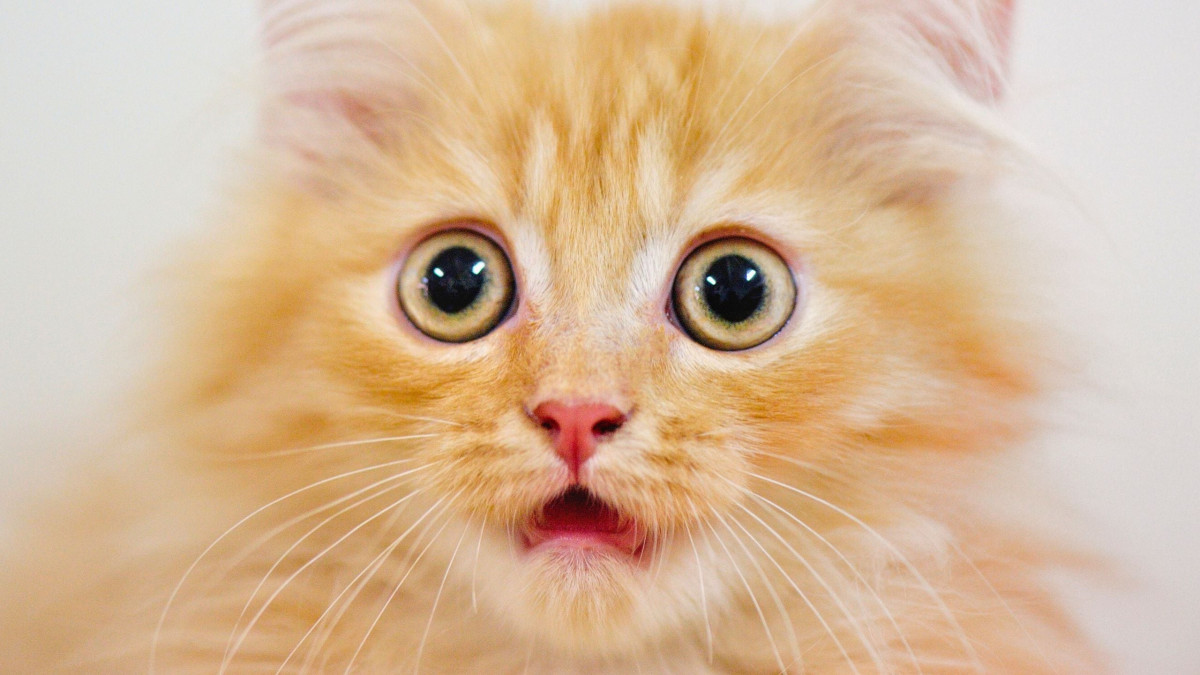
Why orange boys are common, and many orange girls come in patches
Both teams also confirmed that the orange mutation sits on the X chromosome. That matters because it helps explain a pattern many cat owners already know well: most orange cats are male, while females with orange fur often show it in a patchwork coat.
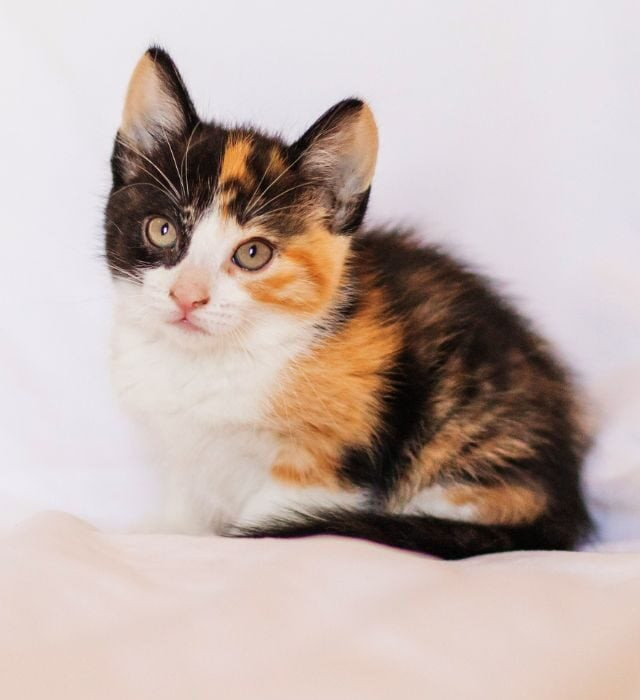
Male cats have one X chromosome, so a single copy of the mutation can produce an all orange coat. Female cats have two X chromosomes, and mammals randomly switch off one of them in each cell. In a female carrying one orange version and one nonorange version, some developing skin cells keep the orange X active while nearby cells do not. The result can be the marbled look of a tortoiseshell or the patched pattern seen in a calico. On rare occasions, if both X chromosomes carry the mutation, a female cat can be fully orange too.
The papers also sharpen the difference between tortoiseshell and calico cats. Calicos have an additional white spotting mutation that affects how developing pigment cells survive as they migrate, allowing surviving groups of those cells to spread across larger regions of the body.
What the studies did and did not find
The second study reached the same gene and found that higher Arhgap36 activity suppresses pigment genes in a way that shifts darker eumelanin pigments toward the reddish yellow pheomelanin pigments that create orange fur.
There is also one popular orange cat stereotype the science does not back up. The papers do not support a link between this mutation and cognition, and they report no obvious negative effects on health or mental wellbeing. Arhgap36 is known to cause developmental problems in other animals when its activity is too high or too low, but in orange cats the extra activity appears to be limited to pigment cells called melanocytes.
Share this article:





