
Returned Shelter Dog Tito Waits by the Window for a Family Ready for His Energy and Affection

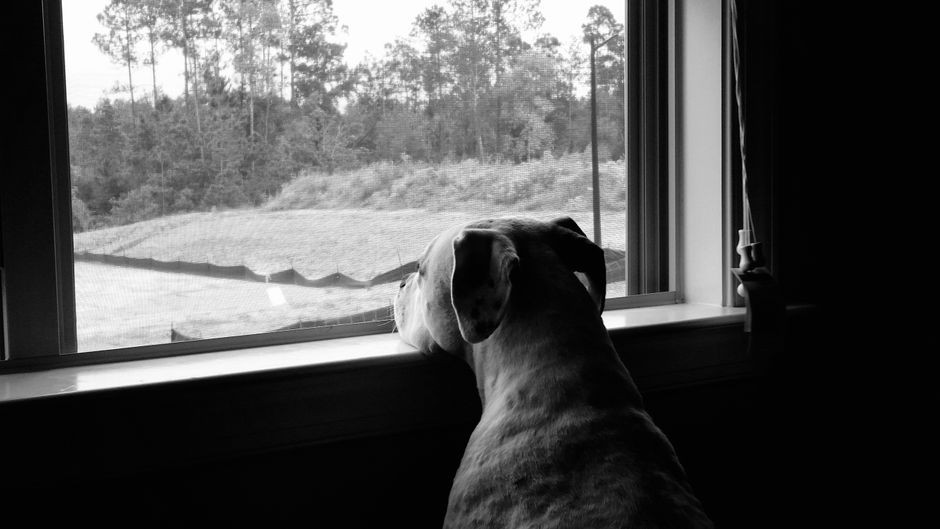
Tito’s story is captured in one quiet image: a shelter dog standing at a window, watching and waiting. The 3-year-old Boxer is back in a kennel after being returned, and the video of him has drawn attention to the kind of home he still needs.
Waiting at the window
In the Instagram video, Tito is seen looking out a window as he waits for a family to take him home. According to the woman heard in the clip, he has been doing that since he was returned to the shelter. Tito, a 3-year-old Boxer, was reportedly given back after his family decided he was too energetic and too affectionate.
That description stands in contrast to how he is behaving now. Although Tito is described as a playful dog, the shelter says the return has left him quieter and more uneasy in the kennel. He has been shy and nervous, especially around loud sounds or sudden noise. Even so, the shelter also says that once people spend time with him, he starts to relax and show more of who he is.
That fuller picture is what makes Tito’s situation stand out. He is described as athletic and fun-loving, a dog who needs a family ready to give him the exercise and activity that help him do well. He enjoys being outdoors and needs enough movement to use up his energy. After that, the shelter says, Tito becomes deeply affectionate. He likes cuddling and being close to people.
The shelter’s description also paints him as a dog with a wide social streak. Tito is said to do well with other dogs, cats, and children. He is also described as friendly, very loving, and gentle when taking treats.
Online, that combination of energy and sweetness has clearly connected with viewers. The post had received more than 2,000 likes at the time it was noted, and many people in the comments were rooting for Tito and hoping he would find a permanent home. For now, the image remains the same: Tito at the window, waiting for someone prepared for both the activity he needs and the affection he has to give.
Why shelter dogs are sometimes returned
A returned shelter dog is not automatically a problem dog. Many returns happen because the match was off, not because the dog is unadoptable. Common reasons include a home that underestimated exercise needs, trouble adjusting to a new routine, conflict with existing pets, or normal stress behaviors that felt overwhelming.
Shelters see only part of a dog's personality. A dog may seem calm in a kennel and turn out to be lively in a home, or seem noisy and settle down once stress drops. That is why a second adoption can be a better fit than the first. Returns can also give staff useful information about what environment helps a dog succeed, such as a quieter home, a secure yard, older children, or an adopter who enjoys training and outdoor activity.
What to know before adopting an energetic, affectionate dog
High energy and high affection can be wonderful, but they need structure. Before adopting, ask about daily exercise, recovery time after activity, comfort around strangers, leash skills, and whether the dog can relax alone. A good match is not just about liking a dog's personality. It is about whether your schedule, space, and patience fit that personality.
Plan for both physical activity and mental work. Walks, sniffing games, food puzzles, short training sessions, and predictable routines help many active dogs settle. Affectionate dogs may also struggle with overexcitement or clinginess, so practice calm greetings, mat training, and brief separations. If you work long hours or want a very quiet companion, it is better to say so early than to force a mismatch.
How to help a shelter dog succeed at home
The first days matter. Keep the home calm, limit visitors, and create a quiet resting spot. Use a consistent schedule for meals, bathroom breaks, walks, and sleep. Expect an adjustment period. Appetite, energy, and behavior can change as the dog feels safer.
Ask the shelter what cues the dog knows, what rewards work best, and what situations are hard. Use positive reinforcement and keep early goals simple: house training, leash routine, name response, and settling. If challenges appear, contact the shelter, a qualified trainer, or a veterinarian before frustration builds. Early support often prevents a return and helps the dog show who they really are.
Share this article:





