
Syracuse police free kitten from car engine, and the tiny stowaway gets adopted right away

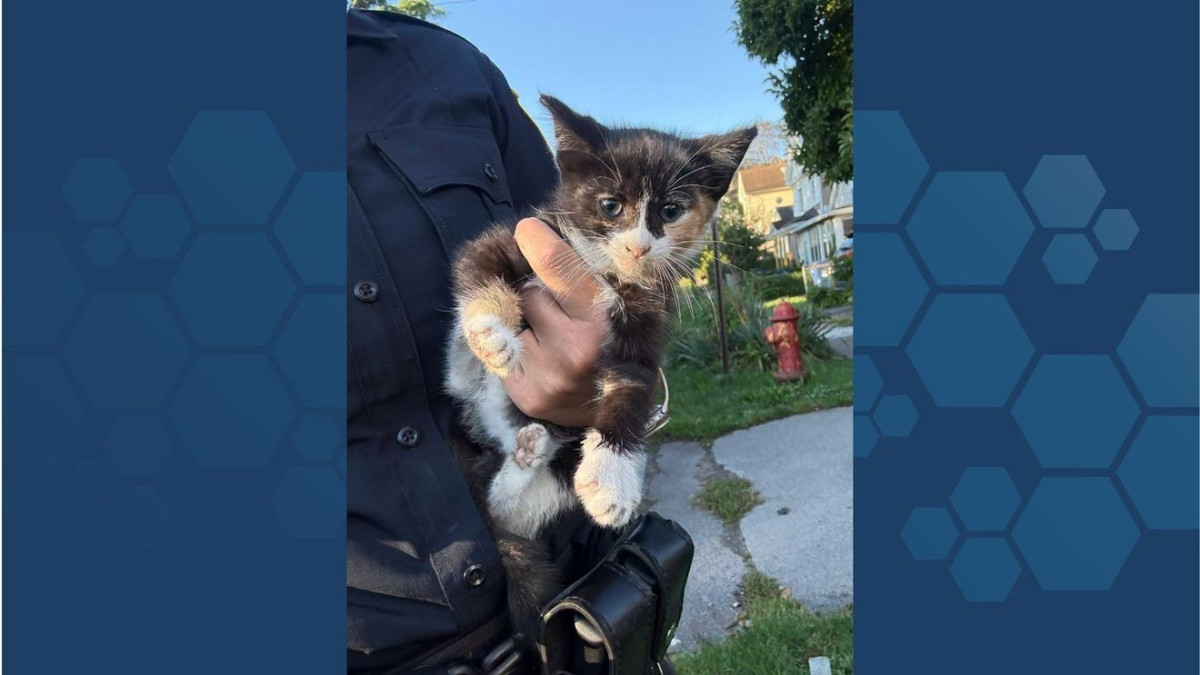
The little passenger started out inside a car's engine compartment and finished the encounter inside a house instead. In Syracuse, police officers freed the kitten after a resident flagged them down, and the resident then decided the cat had already found home.
A patrol stop with an unexpected passenger
The Syracuse Police Department shared the rescue on Facebook early Friday morning, and the story has all the ingredients cat people love: a tiny hidden kitten, a careful rescue, and a very fast happy ending.
According to the department, Officers Hughes and Behuniak were patrolling John Street on the North Side when a resident stopped them with an unusual problem. A kitten was stuck in the engine compartment of the resident's vehicle.
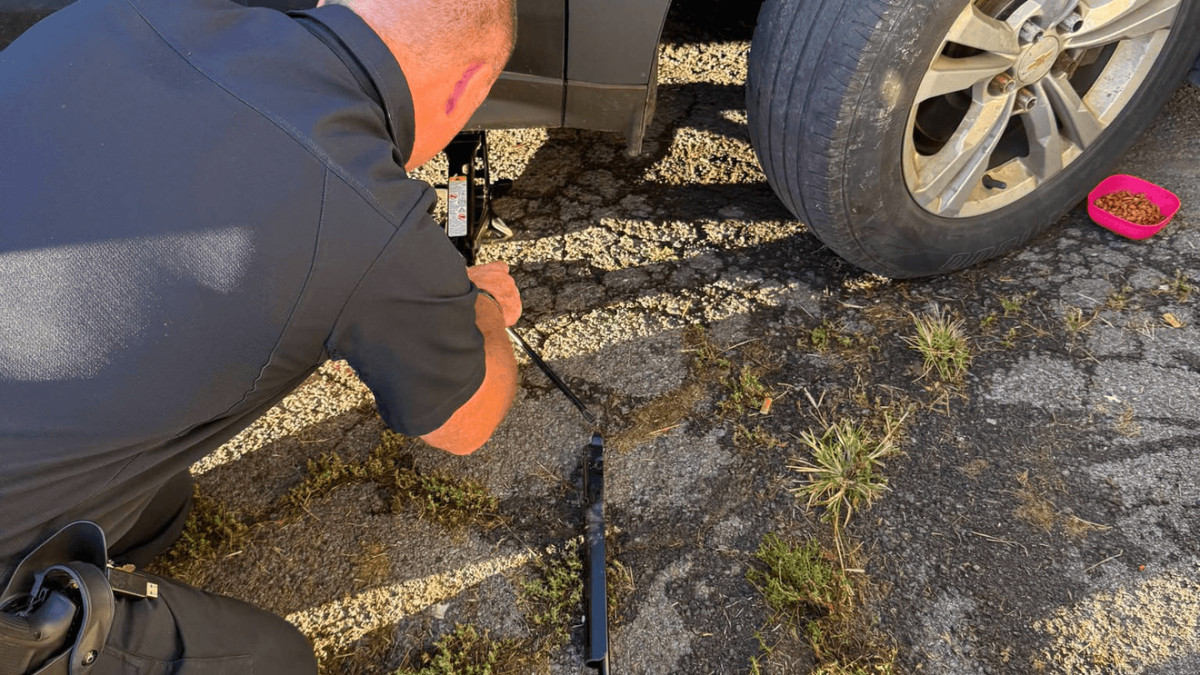
The officers switched from patrol work to animal rescue. They used a jack to raise the vehicle and then carefully worked the kitten free. It was a small operation, but a delicate one, with the officers trying to get a very young passenger out safely from a tight mechanical space.
From under the hood to a forever home
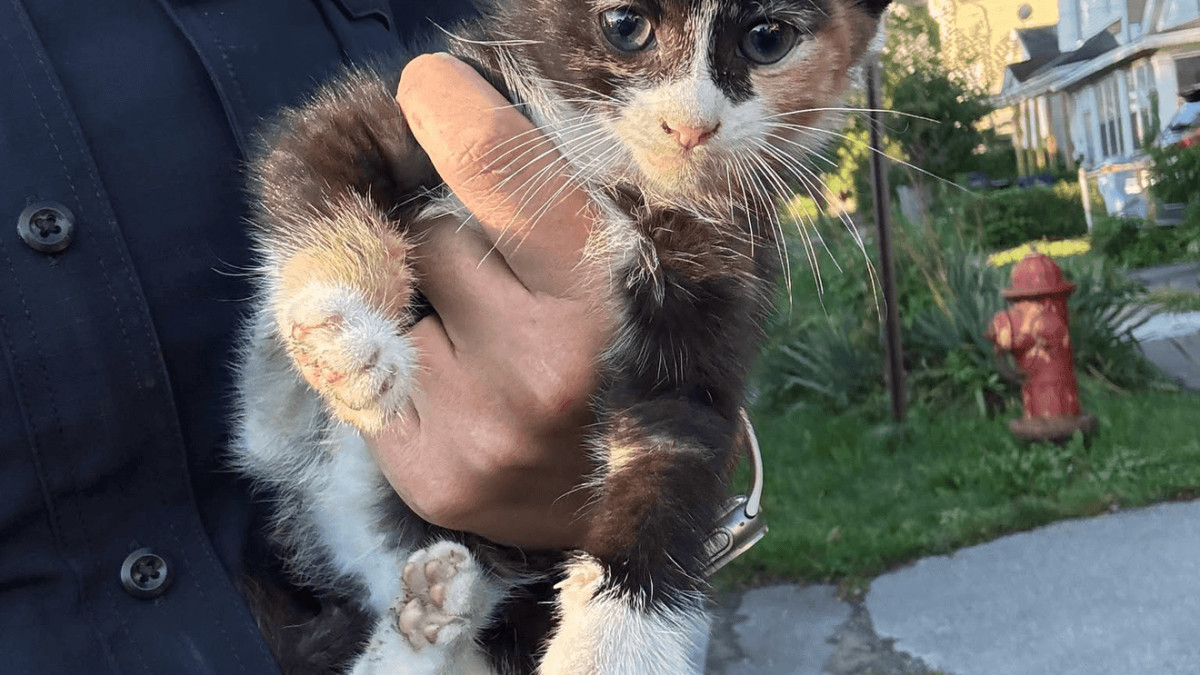
The best part of the story came immediately after the rescue. Police said the kitten was safely removed and appeared to be doing just fine.
Then the resident made the kind of decision that turns a strange morning into a downright irresistible cat tale. The kitten was moved from the resident's car to the resident's house, which the department described as the cat's new forever home.
The department even added one final joke for the newly adopted kitten's next chapter. After using a jack to help lift the car during the rescue, officers said they hoped the little cat would be named Jack.
For one Syracuse kitten, the route to adoption was unusually direct: engine compartment, rescue, house key not required. By the end of it, the tiny stowaway was no longer a problem under a car, but a new pet with a place to stay.
Why cats hide in vehicles
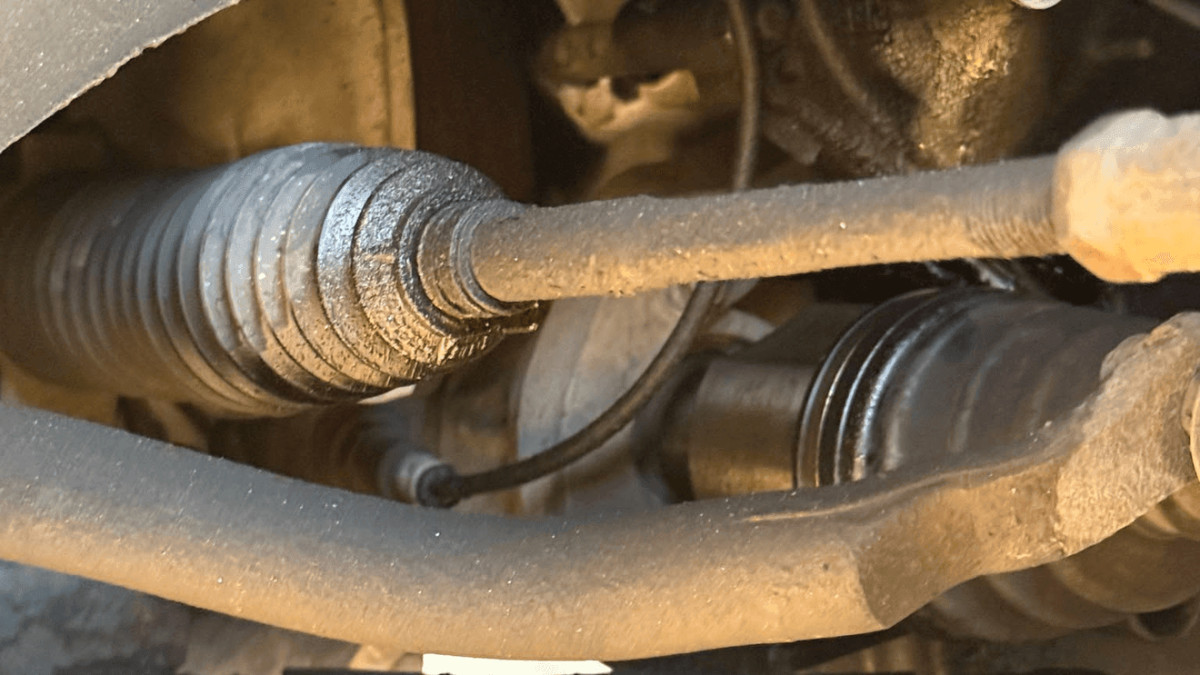
Cats look for places that feel warm, dark and protected. A parked vehicle can offer all three. After a trip, the engine area and nearby parts may stay warm for a while, and the space around the wheels or underbody can feel like a den. Kittens are especially likely to squeeze into gaps that seem impossibly small to a person.
An animal tucked into a vehicle may not be easy to spot. Frightened cats often freeze and stay quiet, especially around loud sounds, unfamiliar smells and moving parts. Common hiding spots include the engine bay, wheel wells, under the car, and behind splash shields or panels. If a cat has been sheltering nearby, you might notice paw prints, fur, or faint meowing before you ever see it.
How to check before you drive
A quick check can prevent a lot of harm. Before starting a car, especially in cool or wet weather, walk around it and look underneath. Tap the hood, knock lightly near the wheel wells, and listen for movement. Some drivers also briefly honk to startle any hidden animal into leaving.
If you suspect a cat is inside, keep the vehicle off. Let hot parts cool, then open the hood carefully and use a flashlight to look without reaching into tight spaces. Keep fingers, loose clothing and tools away from belts, fans and other moving parts. If the cat is trapped or hard to reach, do not pull forcefully. Gentle coaxing with a towel or food may help, but many situations are safer for a mechanic, animal rescue worker or other trained helper. If the engine has already been running, turn it off and wait before checking.
What a rescued kitten may need next
A kitten found in or around a vehicle may be cold, dehydrated, dirty, or in shock. Place it in a quiet box or carrier lined with a towel. Keep it warm, but not overheated, and offer water. Avoid giving cow's milk, which often upsets a kitten's stomach.
Look for obvious injuries such as limping, burns, cuts, breathing trouble, or oil and grease on the coat. Even if the kitten seems lively, a veterinary check is a good idea because very young cats can hide pain well. If there are other pets at home, keep the newcomer separate at first. A new kitten also needs age appropriate food, a shallow litter tray, and calm handling while it settles in. If there is any chance it belongs to someone, a scan for a microchip can help reunite it with a family.
Share this article:





