Tempe police pull two dogs from canal and use microchips to reunite them with family

Tempe police officers were called to help two dogs that had ended up in a canal and needed assistance getting back onto dry land. The rescue got them out of the water, but the best part of the story came after that.
pic.twitter.com/oRl2bQoZUH
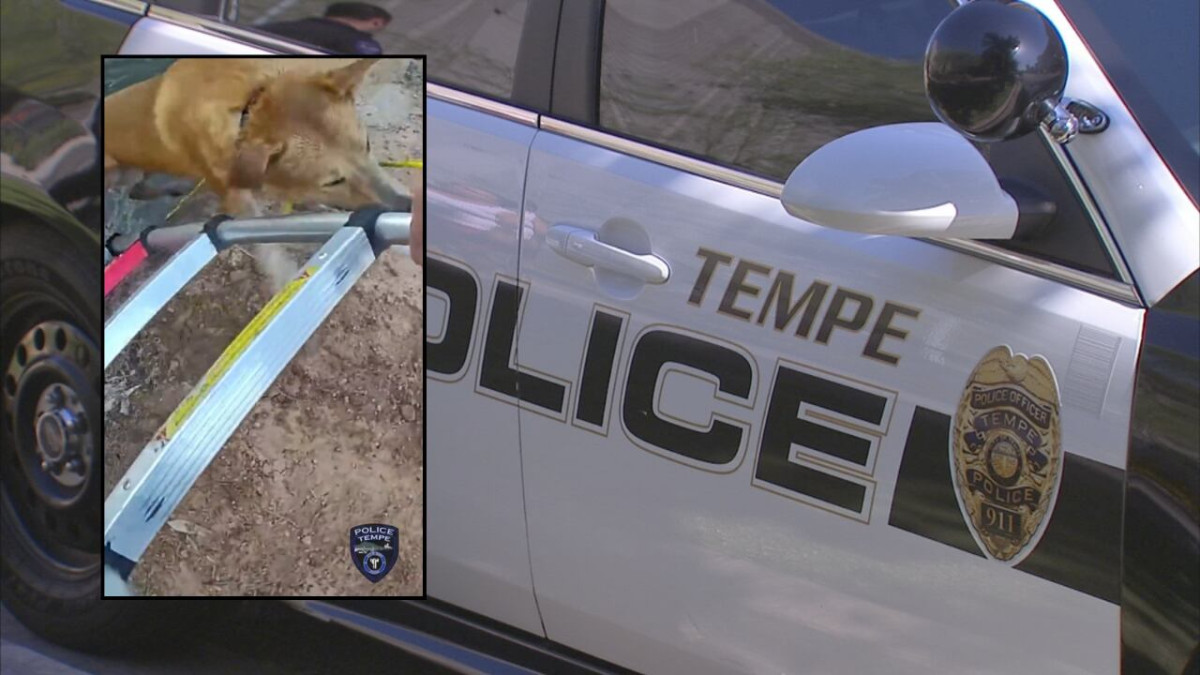
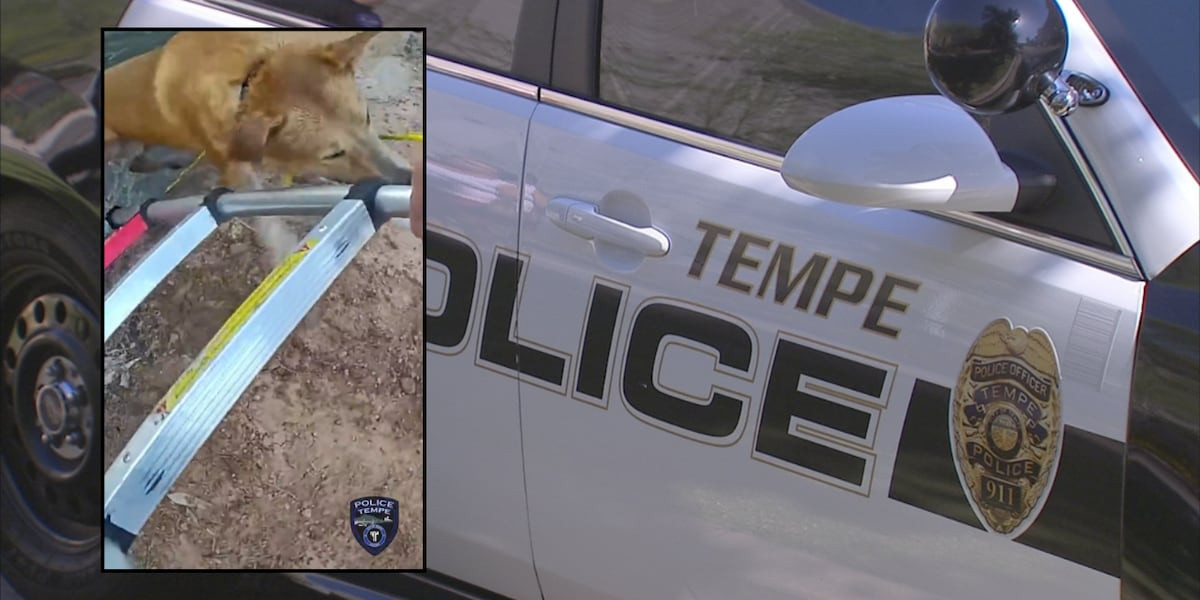
Police said video dated Aug. 29 shows the pair stuck in the canal as officers worked to get them out safely. In the clip below, one dog is guided with a rope toward a ladder positioned at the side of the canal, giving him a way back up.
The department said the dogs were struggling in the water before officers responded and removed them safely. What followed turned a tense rescue into the kind of ending dog lovers hope for. Officers teamed up with Lost Our Home Pet Rescue to check both pups for microchips.
That scan gave them what they needed to track down the dogs' family. Officials said the dogs were then returned home safely.
The department summed it up as two pups needing a little help getting back onto dry land, and officers stepping in quickly when they did. For anyone who has ever worried about a missing dog, the reunion was the real payoff: both animals were not only pulled from the canal, but also connected back to the people waiting for them.
How pet microchips work
A pet microchip is a tiny ID chip placed under the skin, usually between the shoulder blades. It does not need a battery and it is not a GPS tracker. Instead, it carries a unique identification number that can be read with a scanner used by many vets, shelters, and animal control agencies.
When the chip is scanned, the number is matched to a registration record with the owner’s contact details. That is why a microchip only helps if the registration is complete and current. A collar tag is still useful because it gives anyone an immediate way to call you without a scanner.
How to make a microchip actually useful
If your dog is chipped, make sure the chip is registered and that your phone number, address, and emergency contacts are up to date. Many people assume the chip was registered automatically when it was implanted, but that is not always true.
Ask your vet to scan the chip at routine visits to confirm it can be read and that the number matches your records. Keep a photo of your dog, note any distinctive markings, and save the chip number somewhere easy to find. Those steps can speed up a reunion if your dog gets loose.
Water rescue basics for dogs
Canals, ponds, and drainage channels can be dangerous for dogs because steep sides, slick surfaces, strong currents, and panic can make it hard for them to climb out. If a dog falls in, call local emergency or animal services right away. Keep the dog in sight, speak calmly, and try to guide it toward a lower bank or exit point if one is visible.
Do not jump in unless you are trained and it is clearly safe. A frightened dog can accidentally pull a person under. After any water rescue, dry the dog, keep it warm, and get veterinary help if there is coughing, trouble breathing, extreme tiredness, or possible injury.
Share this article: