Rescued jungle cat kitten in Thane gets a second chance through careful rewilding

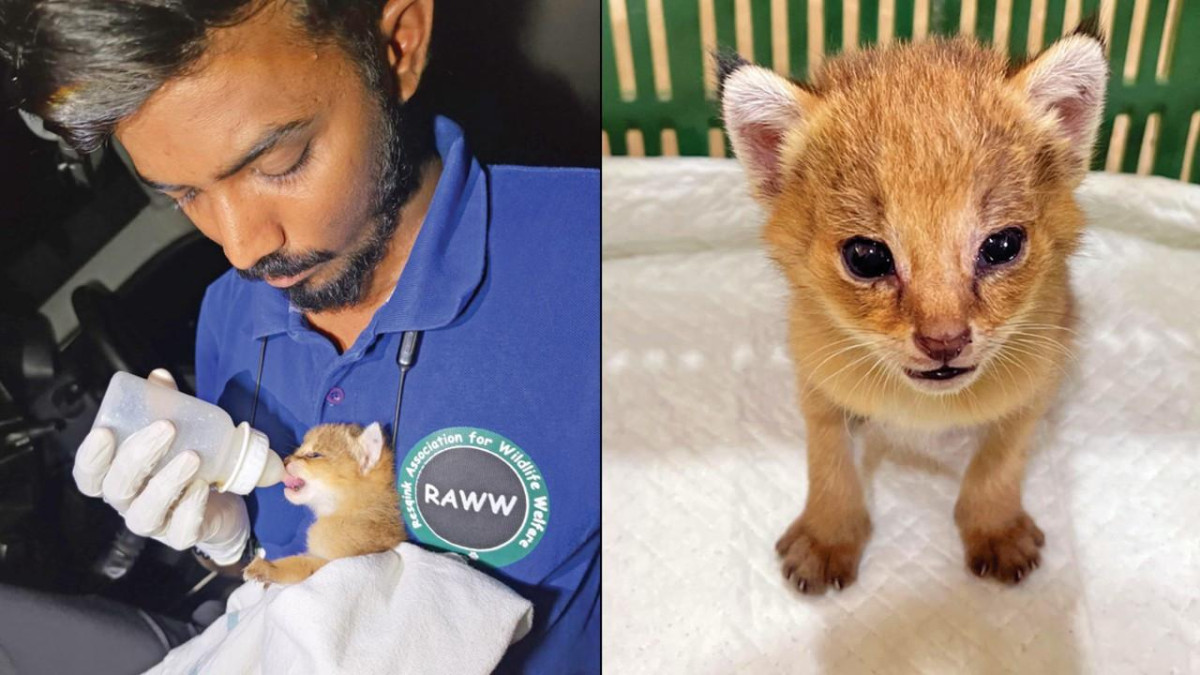
The image at the heart of this rescue is a tiny jungle cat kitten being hand-fed after a careful wait for its mother that never paid off. Found abandoned in Thane district, the kitten is now set for a different path, one that begins with human care and aims to end back in the wild.
A small wild cat, watched over through the night
Before anyone stepped in for the long haul, officials and villagers tried to give the kitten the outcome rescuers always hope for: a return to its mother.
According to Pawan Sharma, Honorary Wildlife Warden of Mumbai and president of NGO RAWW, those efforts continued for two consecutive nights. The kitten was placed in a container at night, and camera traps were set up to see whether the mother would come back.
The cameras did not capture any sign of her. With that, the case shifted from reunion to rescue.
From hand-feeding to rewilding
The kitten will now be hand-raised under human care at RAWW's wildlife facility. That means people are stepping in for the earliest stage, including feeding, but the plan does not stop at care alone.
RAWW said the kitten will go through gradual rewilding before being released into its natural habitat. In other words, this is not a story about turning a wild cat into a pet. It is about helping a very young animal survive long enough to return to the life it was meant for.
For cat people, that is the quietly lovely part of this rescue. The immediate scene is all tiny paws and hand-feeding, but the goal is something bigger and truer to the kitten itself: recovery, rehabilitation, and, if all goes to plan, a future back in the wild.
What a jungle cat is
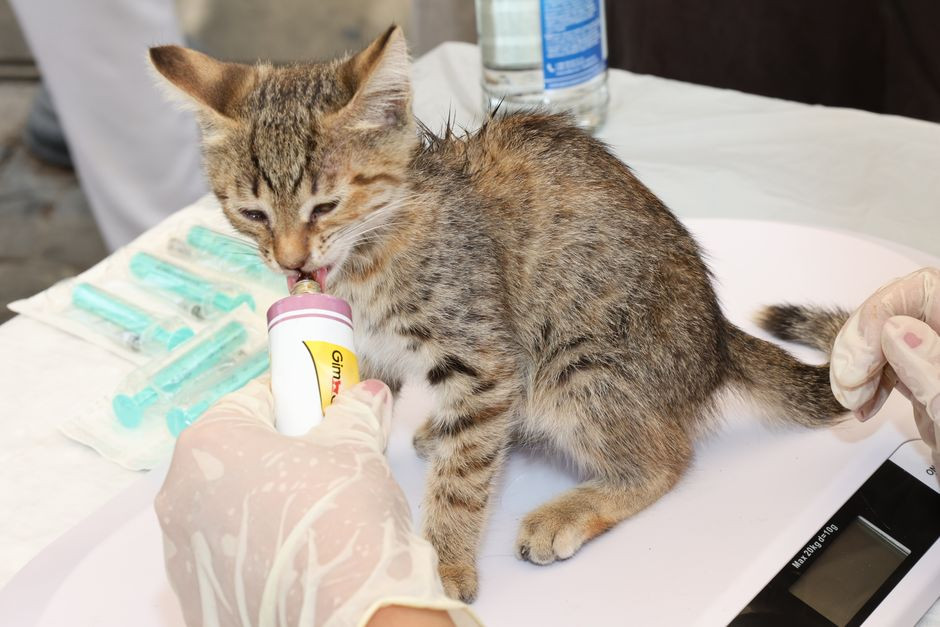
A jungle cat is a small wild feline, not a domestic cat that has gone feral. It often has a lean body, long legs, large ears and a plain sandy, gray or tawny coat rather than bold rosettes or stripes. Like many small wild cats, it is built for stealth. It hunts rodents, birds, reptiles and other small prey, usually in grassland, scrub, wetlands and farmland edges.
Wild kittens can look surprisingly tame when they are very young, but they have different needs from pet cats. Their survival depends on learning to fear people, recognize natural prey and move confidently through cover. That is why raising a wild kitten like a house pet usually gives it poor odds of coping once released.
What careful rewilding is for
Rewilding, in the rescue sense, means preparing an injured, orphaned or displaced wild animal to live independently again. For a young wild cat, that usually starts with warmth, hydration, species appropriate food and veterinary care. After that, the goal shifts from keeping it comfortable to keeping it wild.
Handlers usually reduce human contact as soon as the kitten is stable. Quiet enclosures, hiding places, natural scents and limited handling help prevent imprinting on people. As the animal grows, rehabilitation may include larger spaces, opportunities to stalk and pounce, and gradual exposure to outdoor sounds, weather and natural prey. Release is generally considered only when the cat can feed itself, avoid people and move normally.
What to do if you find a wild cat kitten
The most useful first step is to watch from a distance. Many wild mothers leave kittens hidden while they forage, and a well meaning rescue can separate a healthy kitten from its best chance of survival. Keep people and pets away, do not touch the kitten unless it is in immediate danger, and avoid feeding cow's milk or random pet food.
If the kitten is cold, injured, covered in flies, calling for a long time, or found near a dead mother, contact a qualified wildlife rescuer or local wildlife helpline. If you must move it for safety, use gloves and place it in a ventilated box lined with a soft cloth. Keep it warm, dark and quiet. A calm, low contact handover gives wild animals the best chance to return to the wild.
Share this article: