
Rescue kitten Nova survived a fragile start and grew into a fearless, affectionate young cat

Settle Nova in someone’s arms and she flips belly up, purring as if hard times never existed. The affectionate youngster now rubs against legs and greets people with complete trust. Her path to that point, though, ran through round-the-clock bottle feedings, a premature start and a medical emergency that nearly killed her.
Today, Nova comes across as the sort of cat who assumes she will be welcomed. She weaves around people’s legs, relaxes easily when held and answers attention with a constant, motor-like purr. Her ease with humans is one of the first things noted about her, and it gives little hint of how precarious her beginning was.
That contrast is what makes her story stand out. The sturdy, sociable young cat now described as full of personality is the same kitten who once arrived at ARK in such poor condition that even feeding was a challenge.
A start few kittens could have endured
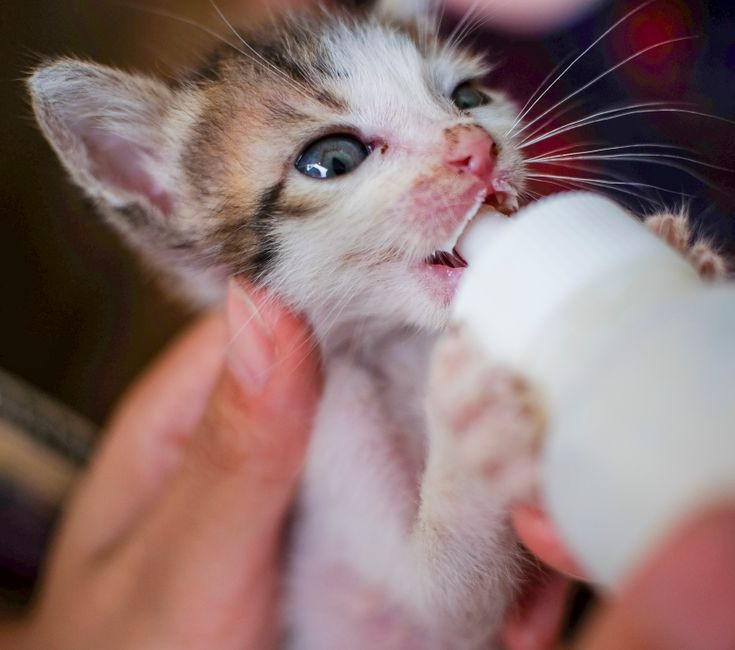
Nova came in with two siblings, Orion and Zelda. At first, the three appeared to be about 3 weeks old. They were so weak that it took days of bottle feeding every two hours before they could properly drink on their own.
The kittens improved under care, but a visit to the veterinarian revealed just how unusual their condition had been. They were found to be about a month older than they had seemed, and they were believed likely to have been born prematurely. Their survival alone was extraordinary, given how frail they were when they arrived.
Two sisters, two emergencies
The worst danger did not end with those first feedings. When Nova and Zelda were spayed, both faced serious complications. Nova aspirated and nearly died. Zelda also entered grave danger after pulling her stitches.
Both kittens made it through. Their own strength played a part, and so did the quick response from ARK foster parents. What might have become a tragic turn instead became another chapter in a recovery that had already demanded far more than most kittens ever face.
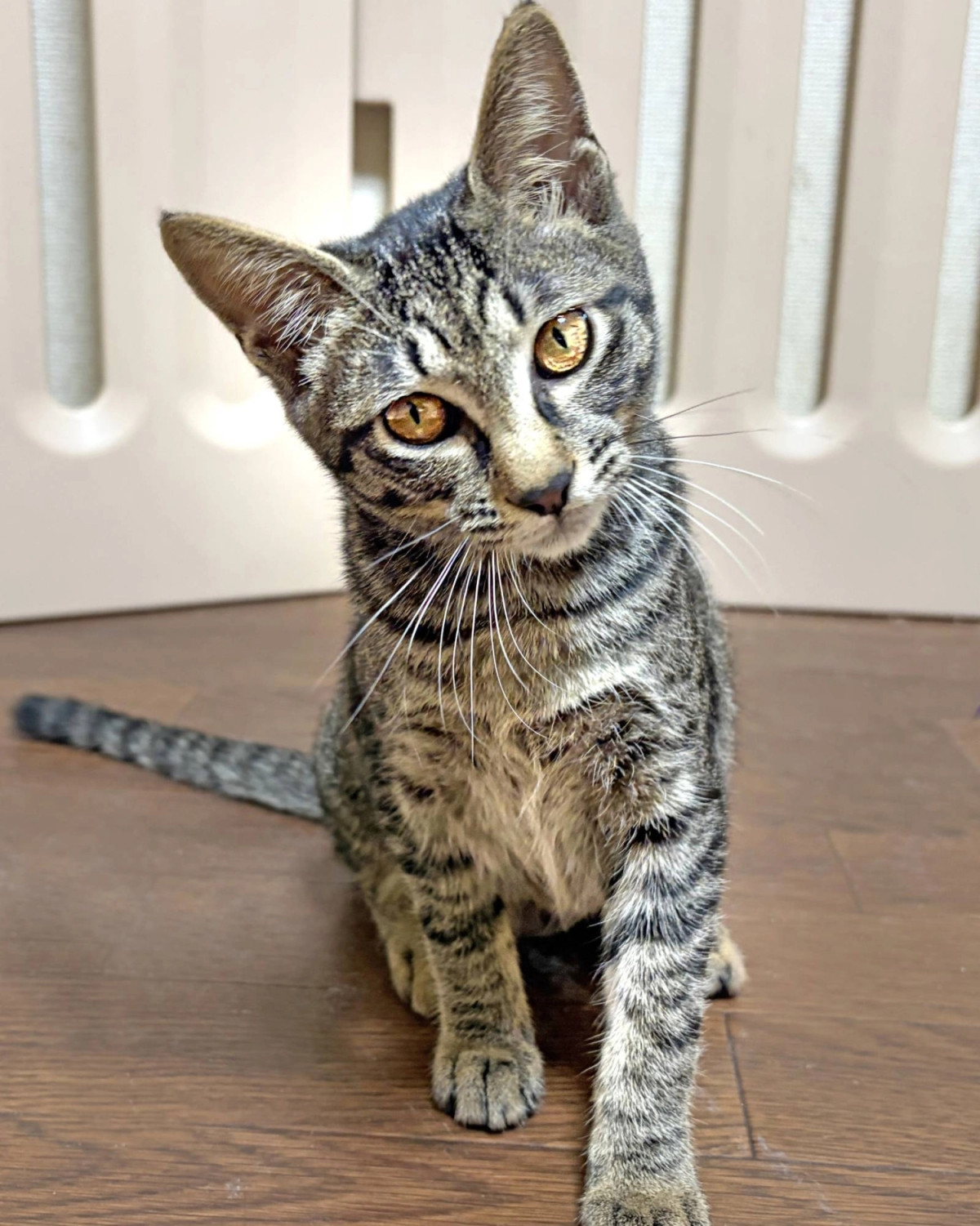
Six months on, a cat who trusts the world
Six months on, Nova has grown into a youngster who seems to have everything going for her. She is described as athletic, affectionate and deeply comfortable around people. She carries herself with the confidence of a cat who expects to be loved, and that certainty appears to suit her well.
Her social circle is broad, too. Despite the hardship of her earliest days, she is said to be great with other cats, with dogs and with children. She seems to make enemies of no one.
For a kitten who started life struggling through every bottle feeding and later survived a near-fatal complication, Nova’s present-day self feels almost unbelievable. Yet the evidence is right there in the young cat she has become: lively, assured and very easy to adore.
Why a fragile start can be risky for kittens
Very young kittens are delicate. They can struggle with body temperature, feeding, hydration and infection more easily than older cats. A kitten that seems sleepy, cool, weak, congested or uninterested in food may need prompt veterinary advice, because small problems can worsen quickly.
Rescuers and foster carers often focus first on warmth, regular feeding, a clean resting area and close observation. Kittens should be fed an appropriate kitten diet or formula for their stage of development. Cow's milk is not suitable. Clean eyes and noses gently if needed, keep bedding dry, and watch litter habits. If there is vomiting, diarrhea, trouble breathing, or a sudden drop in energy, urgent care is sensible.
A calm routine matters. Young animals recover and grow better when stress is low and handling is gentle.
How kittens grow into confident, affectionate cats
A bold, friendly cat is often the result of steady positive experiences. Kittens learn from repeated contact with people, everyday household sounds, play and rest. Short, gentle handling sessions help them associate humans with safety. Play is not just entertainment. It teaches coordination, hunting skills and confidence.
Confidence usually grows best when a kitten has choices. Offer hiding spots, soft bedding, climbing options and toys that let the kitten approach new things at its own pace. Avoid forcing cuddles or chasing a nervous kitten out of hiding. Let trust build through food, play and predictability.
Affection can look different from cat to cat. Some seek laps, some prefer to sit nearby, and some show attachment by following a person from room to room. Respecting those differences often leads to a more secure bond.
Practical tips for bringing a young rescue cat home
Start with one quiet room stocked with food, water, a litter tray, a scratching surface and a safe place to hide. This prevents overwhelm and helps the kitten learn where everything is. Expand access gradually once the kitten is eating, using the litter tray and exploring comfortably.
Book a veterinary check, ask about parasite control and vaccines, and discuss the best food for the kitten's age and condition. Keep play sessions frequent but brief, and use wand toys rather than hands to avoid teaching rough biting.
If there are other pets, make introductions slowly. Swap scents first, allow calm visual contact, and reward relaxed behavior. Patience usually works better than speed. A kitten that feels safe is more likely to become sociable, playful and loving.
Share this article:





