Rusty the rescued orange kitten is healing well and ready for a foster-to-adopt home

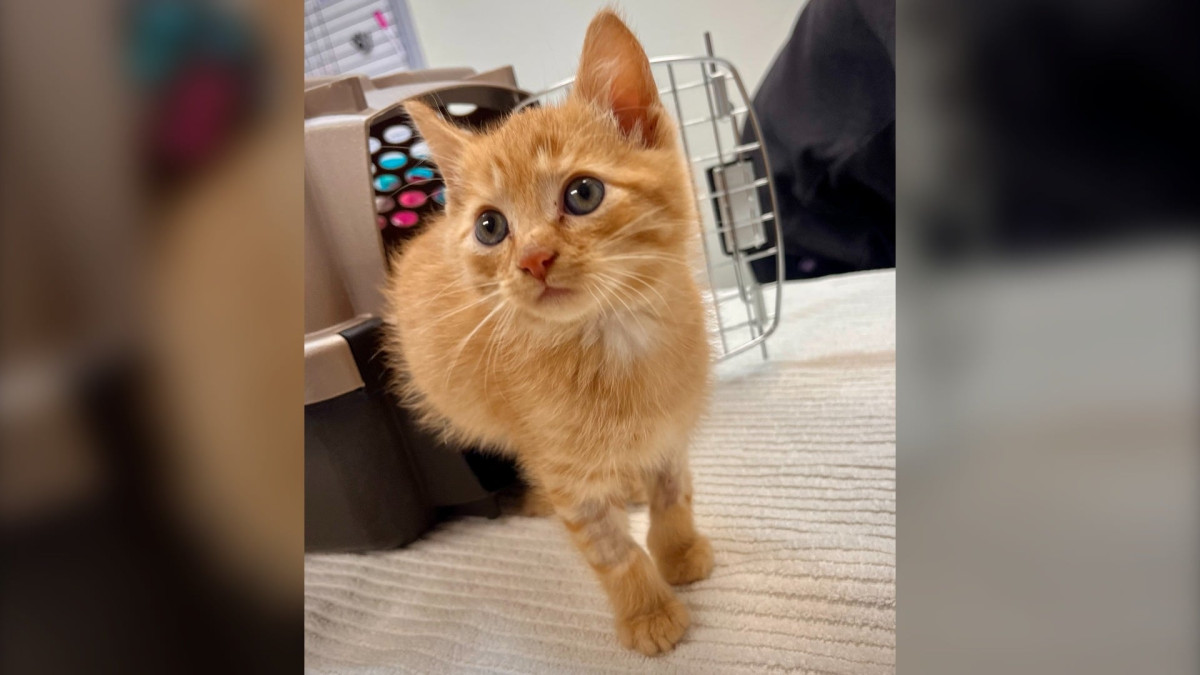
Rusty’s story starts with a rough scene and ends on a much softer note. The tiny orange kitten, found tangled in a barbed wire fence with a broken leg, is healing well and looking for a forever home through the B.C. SPCA.
When Rusty was first brought in, he was in bad shape. The kitten, who was about five weeks old at the time, had been found in British Columbia’s Okanagan caught in barbed wire. His rescuer took him to a veterinarian in Kelowna, where he was also found to be weak, lethargic and dehydrated.
No owner came forward to claim him, and he was transferred to the B.C. SPCA. That is where the little orange kitten got his new name, and where the long, careful work of helping a growing kitten heal began.
A clunky splint, a playful kitten, and a next step
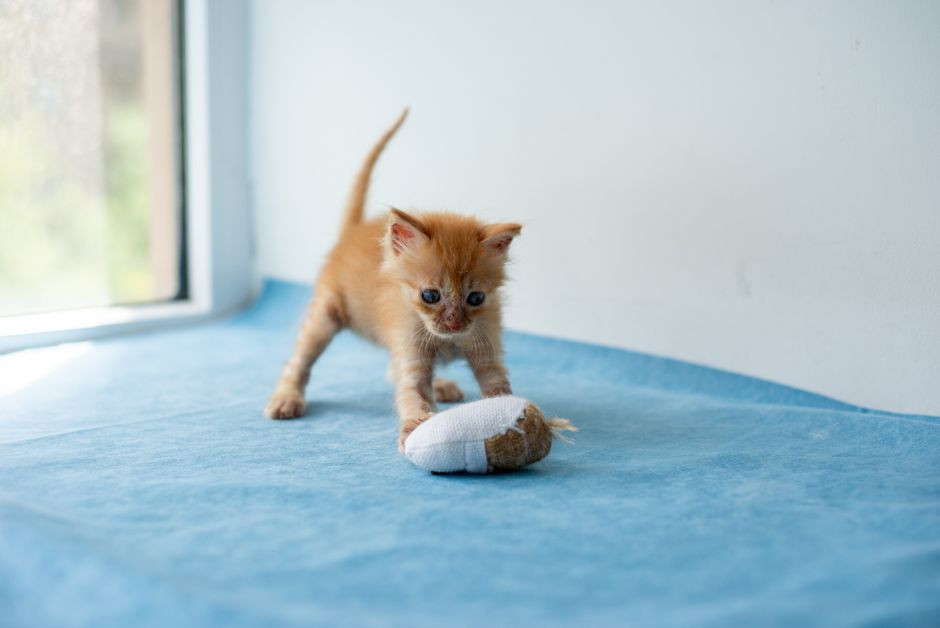
Rusty’s injured hind leg needed close watching. The B.C. SPCA said he required weekly X-rays and splint changes so the bone could mend properly while he continued to grow. The organization noted that this kind of severe leg injury can be especially difficult to heal in very young kittens.
At first, even his veterinarian was unsure how far treatment would need to go. According to Shannon Paille, manager of the B.C. SPCA in Kelowna, surgery or even amputation were possibilities early on. Instead, Rusty has been recovering nicely.
What makes the story especially cat-person approved is that the splint apparently did little to slow him down. Paille said Rusty remained a normal, playful kitten despite his broken leg and awkward gear. His foster caregivers went even further, calling him the most personable kitten they have ever fostered.
Now, after all those checkups and splint changes, Rusty is available for a forever home through a foster-to-adopt arrangement.
What foster-to-adopt means
Foster-to-adopt is a trial period that lets a household care for a cat before the adoption is made final. It gives the cat time to settle, and it gives people time to learn the cat's habits, energy level, and medical needs. For kittens, this can be especially helpful because behavior often changes as they recover, grow, and gain confidence.
During this period, ask clear questions early: who handles routine vet visits, what food the kitten is already eating, whether any medicines are still needed, and what signs would mean the rescue wants an update. Keep records of appetite, litter box use, play, sleep, and any coughing, sneezing, vomiting, or diarrhea. That makes it easier to spot progress or problems.
Setting up a healing kitten for success
A recovering kitten usually does best in a small, quiet starter space such as a bathroom, bedroom, or large playpen area. Include a litter box, water, a bed, hiding spots, scratching options, and safe toys. Limiting space at first helps prevent overwhelm and lets you monitor eating and bathroom habits.
Keep handling gentle and predictable. Offer short play sessions, then let the kitten rest. Good recovery support is often simple: warmth, calm, easy access to food and water, and a consistent routine. If the kitten has medicine, give it exactly as directed and do not stop early unless a veterinarian says to.
Kitten-proof the area. Remove string, rubber bands, hair ties, small objects, loose cords, and toxic plants. Even friendly kittens can chew, swallow, or climb before they know household rules.
What to watch for in the first days
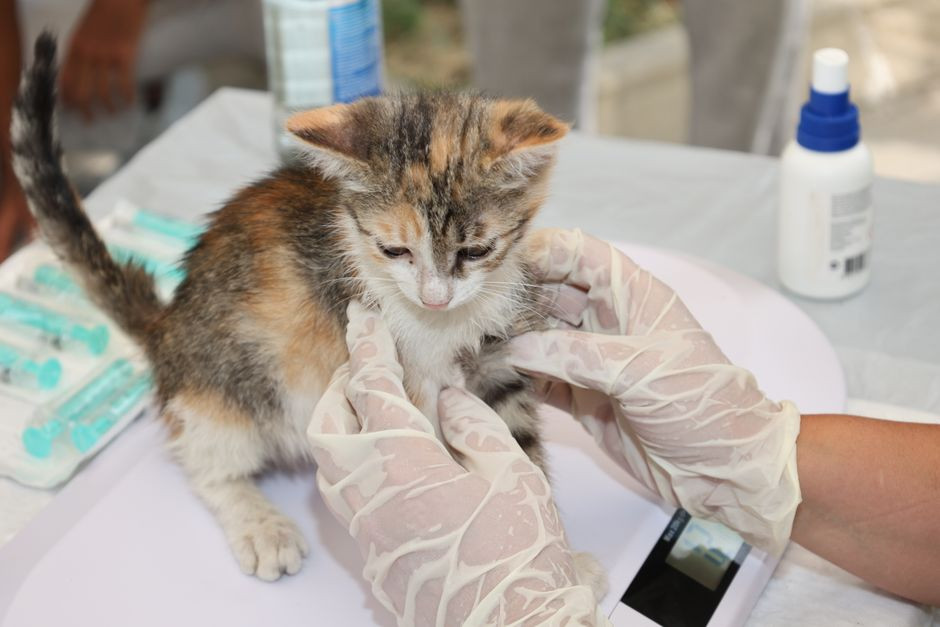
Many kittens hide at first, eat a little less, or sleep more while adjusting. Gentle curiosity, grooming, purring, play, and steady appetite are all reassuring signs. Fear usually improves faster when people move slowly, speak softly, and let the kitten approach on its own.
Contact a veterinarian promptly if a kitten seems unusually weak, refuses food, struggles to breathe, has repeated vomiting or diarrhea, or seems painful when touched or moving. Young cats can worsen quickly, so changes matter.
If there are other pets at home, introductions should be gradual. Start with separation, scent swapping, and short supervised meetings only when the kitten is medically cleared and acting comfortable. Slow introductions lower stress and help everyone build good associations.
Share this article: