
Ohio Trooper Rescues Puppy Found Abandoned in Crate at Medina County Rest Area

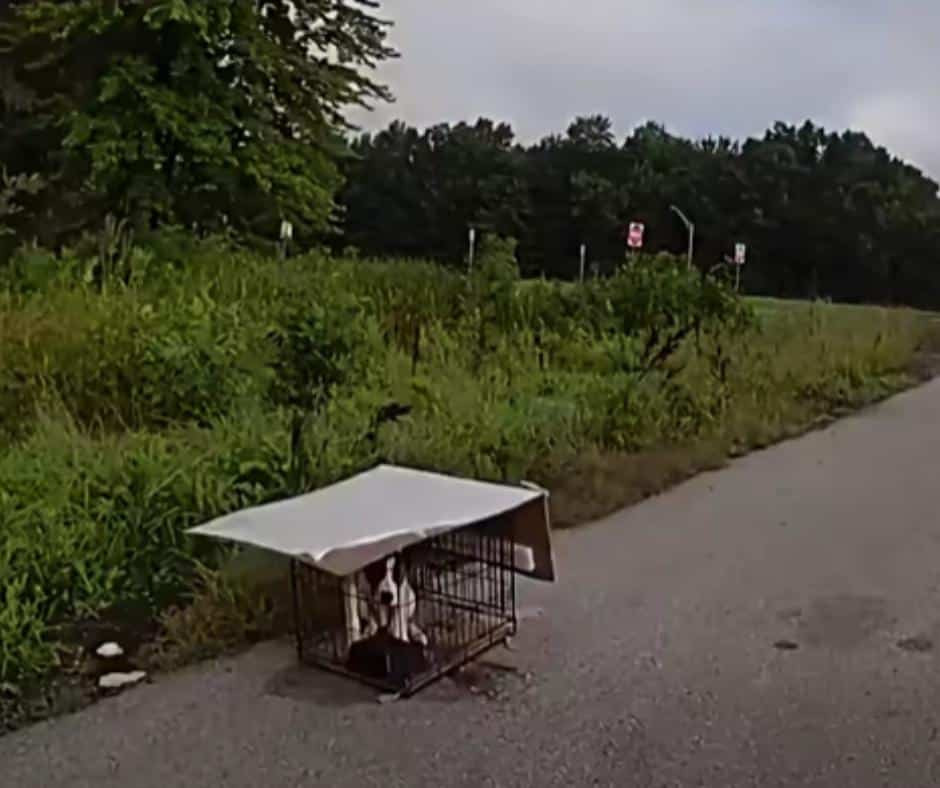
A cardboard-covered crate sitting near a busy interstate in Medina County did not look like much at first glance. Then Trooper Kronander looked inside and found a small puppy waiting there alone, turning a routine patrol stop into an animal rescue.
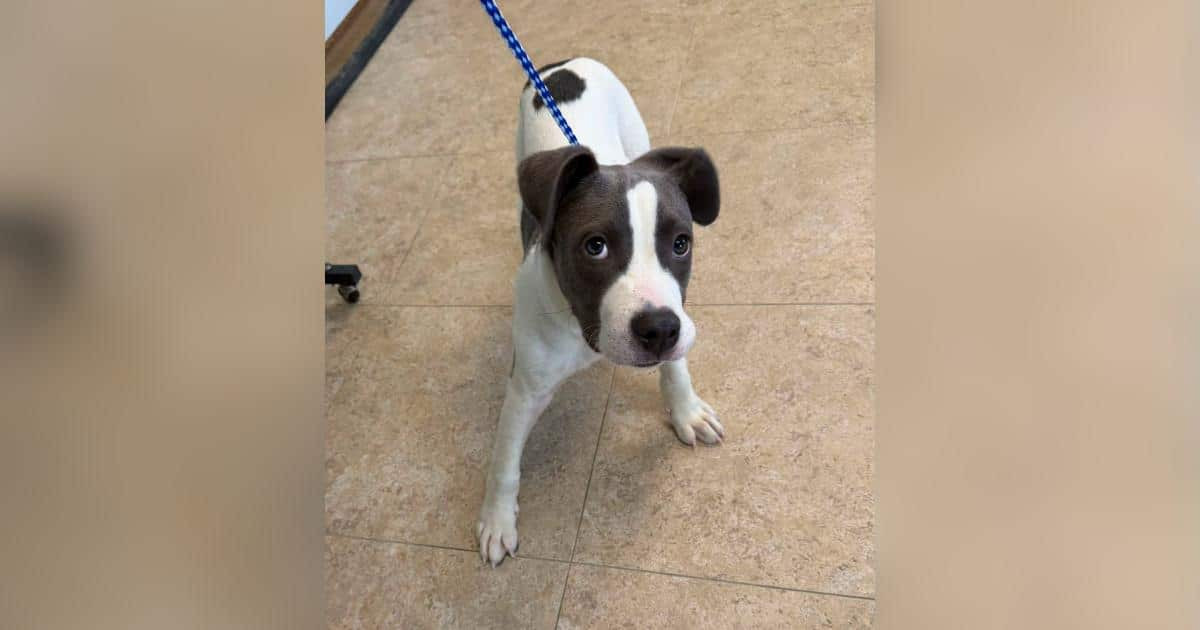
Kronander was checking a rest area in Northeast Ohio when he noticed the crate and decided to take a closer look. Inside was a puppy with no one nearby to care for it. The dog looked up at the trooper with what was described as a quiet, uncertain expression, completely dependent on someone noticing its situation.
Video later shared by the Ohio State Highway Patrol showed Kronander approaching the crate and quickly recognizing that the puppy appeared to have been abandoned. In a highway rest area filled with traffic noise and constant movement, the dog had no way to find food, water, shelter, or safety on its own. Confined inside the crate, it could not even move away from the danger around it.
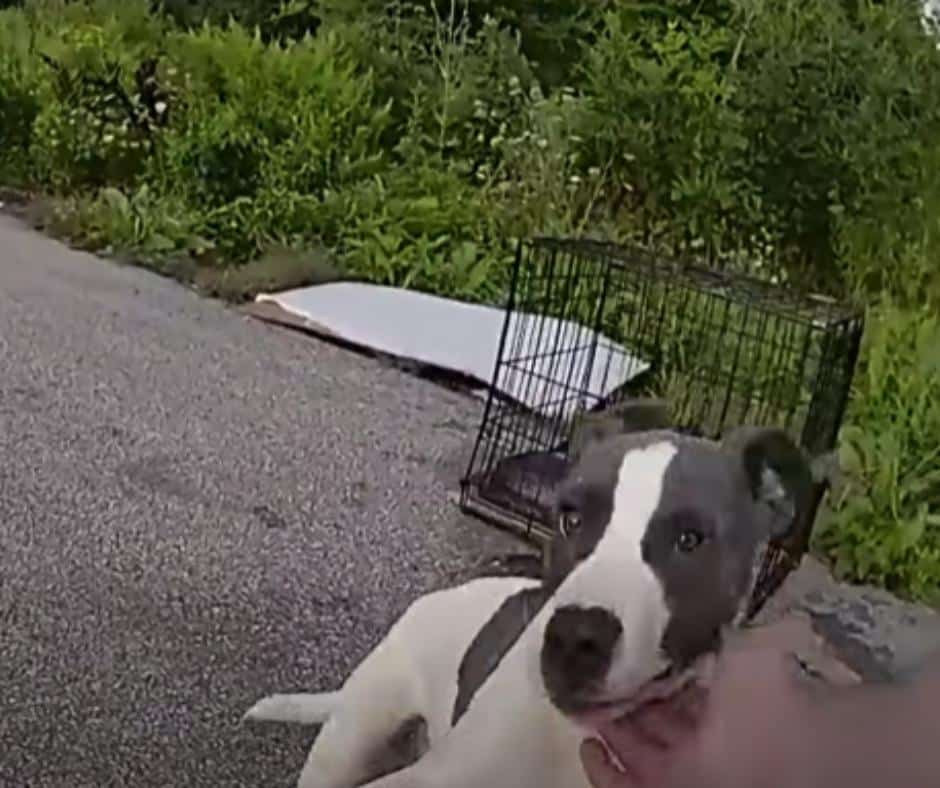
Kronander responded right away, speaking gently as he worked to get the puppy out. “We’ll get you out of here, okay? Someone left you? It’s okay,” he told the dog. The scene captured the sharp contrast of the moment. What had started as an ordinary morning patrol had become a rescue for a vulnerable animal that had nowhere else to turn.
The discovery also raised questions that were still unanswered. Authorities had not said how long the puppy had been there before Kronander found it. It also remained unclear whether investigators had identified the person responsible for leaving the animal behind.
From the rest stop to shelter care
Once the puppy was out of the crate, the situation began to look very different. Instead of sitting alone in a confined space, the dog now had room to move and a person focused on keeping it safe. Footage from the rescue showed Kronander spending time with the puppy, playing with it as it moved around him.
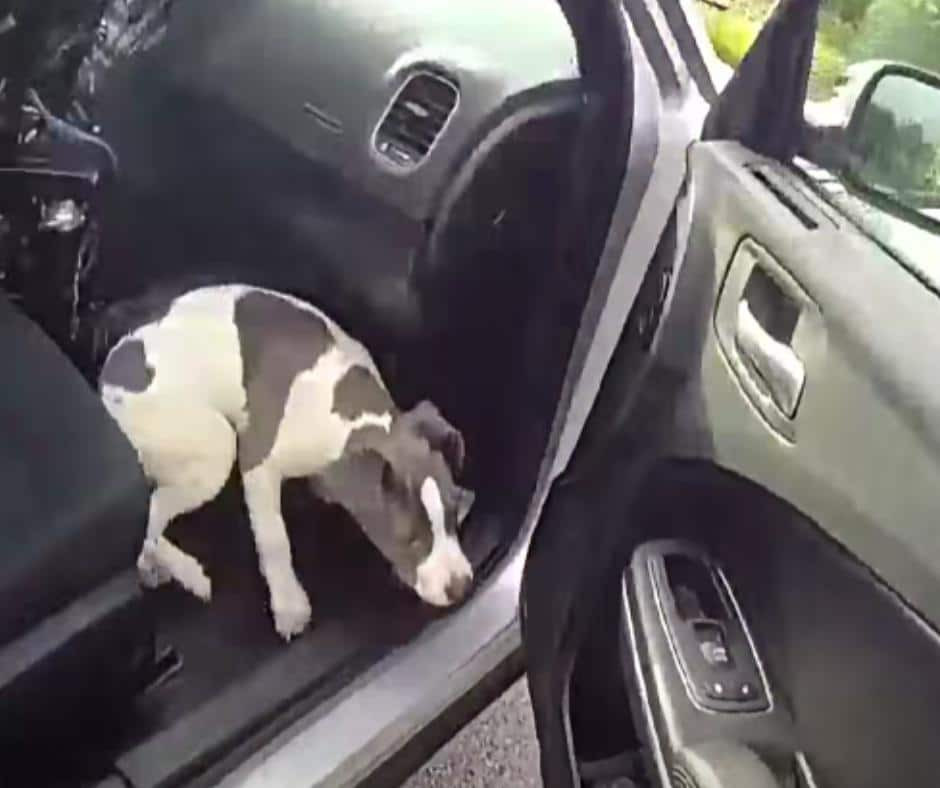
At one point, he asked, “Want to go with me?” He then picked the puppy up and carried it toward his patrol vehicle, a simple moment that marked the dog’s turn from abandonment to protection.
According to the Ohio State Highway Patrol, the puppy was first taken to the Medina patrol post. From there, it was transported to the Medina County SPCA for care and attention.
The SPCA described the circumstances of the discovery as heartbreaking and unacceptable. A young animal left beside a busy interstate faces serious risks, especially when it is shut inside a crate and cannot protect itself or get to a safer place.
Ohio law prohibits animal abandonment, and potential charges can vary depending on the circumstances. Even with important details still unknown, the immediate outcome was clear. A puppy that had been left alone near the highway was found in time, removed from danger, and delivered to people who could care for it.
Because Kronander stopped to investigate what could have been easy to overlook, the dog’s future changed on the spot. What began as a routine patrol ended with a frightened puppy being carried away from a rest area and toward safety.
What to do if you find a dog left in a crate
Treat the scene as a safety issue first. If the crate is near traffic, in bad weather, or where the dog could be stolen or harmed, stay nearby and call local animal control, a non emergency police line, or the nearest shelter. If the dog looks overheated, weak, injured, or unresponsive, contact an emergency veterinary clinic right away.
Do not open the crate in an unsecured area unless there is immediate danger. A frightened dog may bolt, bite, or run into traffic. If you must move the crate, keep it level and carry it to a quiet, shaded, enclosed spot. Speak softly, avoid crowding the dog, and offer water if it is safe to do so. Photos of the crate, the dog, and the surrounding area can help responders and shelters document what happened.
Why crates are used, and when they become a problem
A crate is meant to be a short term safety tool. It can help with travel, house training, recovery after illness, or giving a dog a calm place to rest. Used well, it works like a den: clean, ventilated, and sized so the dog can stand, turn, and lie down comfortably.
A crate becomes a welfare problem when it is used for too long, left in heat or cold, or treated as a place to store a pet. Puppies are especially vulnerable because they can chill, dehydrate, or panic quickly. Signs of distress include heavy panting, drooling, whining, frantic scratching, vomiting, and limpness. If you use a crate at home, keep sessions short, build positive associations with treats and bedding, and never rely on it as a substitute for exercise, toilet breaks, and companionship.
How reunions and safe handoffs usually work
Many found pets are identified through ID tags, microchips, or local lost and found posts. A shelter or veterinary clinic can often scan for a microchip. A chip only helps if the registration details are current, so it is worth checking your own pet's record after any move or phone number change. A collar tag with a working phone number is still one of the fastest ways to reunite a pet and owner.
If someone can no longer care for a pet, the safest option is to contact a shelter, rescue group, veterinarian, or trusted rehoming service and ask about surrender or assisted placement. Availability and rules vary by place, so calling ahead helps. Public abandonment can leave a pet at risk from weather, hunger, illness, and fear.
Share this article:





