Turtle the Missing Cat Reunited After 571 Days Thanks to a New York Post and His Microchip

A found-cat post in New York set off the moment Kelly Moore had been hoping for through 571 days without Turtle. The Greenwich cat, who slipped out through a partially open screen door, was identified by microchip and brought back to Connecticut after a search that had once seemed to go cold.
The turning point began with a post about a cat found in Mamaroneck, New York. Rocco Autero, founder of Rocket Lost Pet Rescue, saw it and thought the animal might be Turtle, the cat who had vanished from his home in Greenwich, Connecticut and stayed missing for 571 days.
That hunch turned into a reunion when Turtle's microchip confirmed who he was. Getting him into a carrier was not simple, but he was finally transported back to Connecticut, ending a disappearance that had stretched across state lines and left his owner wondering whether she would ever see him again.
For Kelly Moore, the return was almost hard to believe. She said she was overjoyed to have Turtle back, and the outcome felt so unlikely that it left her thinking that if this could happen, anything could.
A cat with a history before he was lost
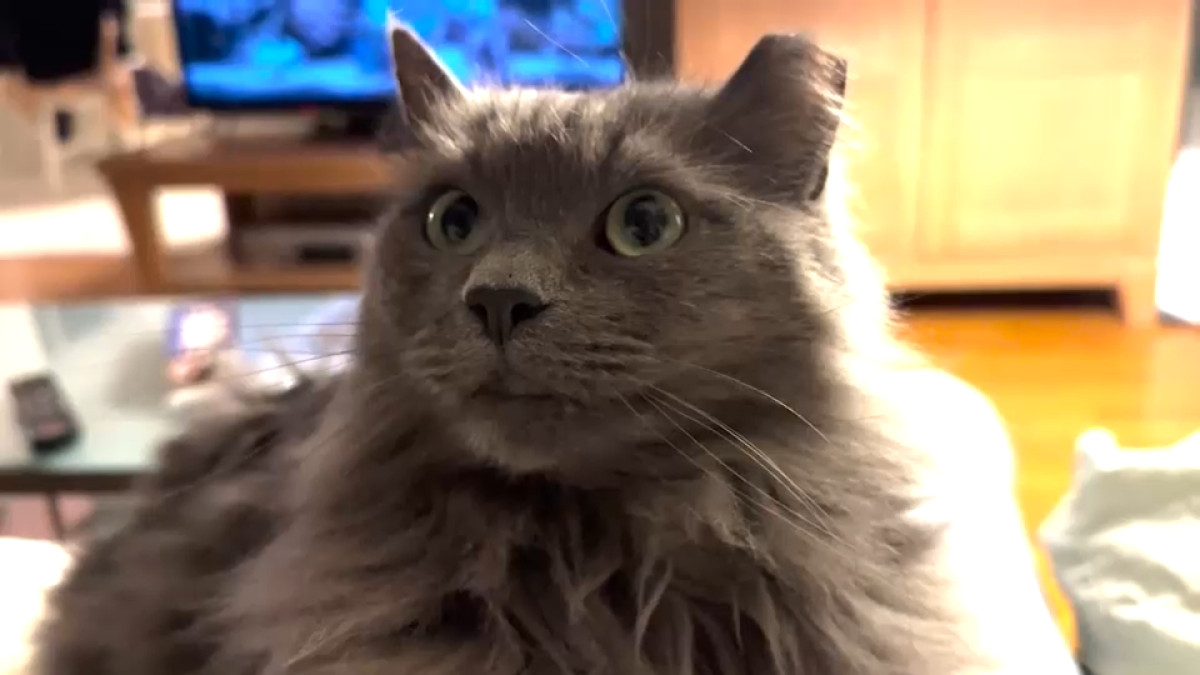
Before Turtle went missing, he was living with Moore in Greenwich. He had not always been a house cat there. He was originally a stray from Tennessee, and he carried two important markers of that earlier chapter: a microchip and an ear tip showing he had been neutered.
Those details, small as they might seem in ordinary life, became central to the ending of his story. The ear tip offered a visible clue about his past, and the microchip became the piece of identification that settled the question once Autero spotted the post from New York.
Moore said she loved Turtle very much. The way he got out, she said, came down to what she described as a comedy of errors. He escaped through a partially open screen door in March 2025, a brief opening that led to an absence lasting far longer than anyone expected.
The search began right outside home
When Turtle disappeared, Moore asked Rocket Lost Pet Rescue for help. Autero set up cameras near the family's home to answer a question that many owners of missing cats desperately want resolved: was Turtle still nearby, or had he gone farther away?
The cameras gave a hopeful answer at first. Turtle was appearing in the area, and Autero said he was caught on video coming by every night. He was close enough to be seen, close enough to keep hope alive, and still not easy to bring back inside.
Part of the problem was Turtle himself. Autero said the cat was afraid of cages, and that fear made capture difficult. So even with regular sightings, the search was not as simple as setting a trap and waiting. Moore knew he was there, yet he remained just out of reach.
Then the sightings stopped
The nightly evidence did not last. The sightings eventually ended, and with them went the only regular sign that Turtle was still in the area around home.
Moore said those were devastating nights. She said she cried again and again, and she felt responsible because she had not been aware of the storm door. She said the household was brokenhearted. Once the videos stopped, fear began to take over the space where hope had been.
That is part of what made the later discovery so startling. Autero said it was shocking that Turtle had been found and that he had traveled much farther than many cats he has seen. Turtle had not simply stayed close by until someone picked him up. By the time he was identified, he was in another state.
One post, one scan, one trip home
The final stretch of Turtle's story depended on a chain of people paying attention. Someone in Mamaroneck posted about finding a cat. Autero recognized something in that post that made him think of Turtle. Then the microchip scan did the rest, turning a possibility into a confirmed match.
It is the kind of ending cat owners hold onto when a search drags on: a cat with a chip, a rescuer who remembers, and a stranger's found-pet post that reaches the right person. Turtle still had to be coaxed into a carrier, but once that hurdle was cleared, he was able to make the trip back to Connecticut.
For Moore, the reunion closed a chapter that began with a small household accident and grew into 571 days of uncertainty. For Autero, it was an unusually long and surprising recovery. For anyone who has searched door to door, checked cameras, or waited for one solid lead, Turtle's return is a reminder of how much can hinge on persistence and identification. Moore's own conclusion was simpler: having him back felt wonderful.
What a microchip does
A microchip is a tiny implant placed under a cat's skin by a vet or shelter. It is meant to provide permanent identification if a collar slips off. The chip does not track location or work like GPS. Instead, it stores an ID number that can be read with a scanner, then matched to your contact details in a registry.
The most important step is keeping that registry entry current. If you move, change phone numbers, or hand the cat to a new caregiver, update the record right away. Ask your vet to scan the chip during routine visits to make sure it can still be read and that the listed contact details are correct.
How to widen the search
When a cat goes missing, quick, local outreach matters. Recent photos, clear notes on markings, and a simple description of where the cat was last seen help neighbors, shelters, and veterinary clinics know what to look for. Online neighborhood groups and community pages can spread the word fast, especially when the post is brief and easy to share.
Also ask nearby homes to check garages, sheds, porches, and under decks. Many cats stay quiet and hidden when frightened.
Extra layers of ID
A microchip works best with other forms of identification. A breakaway collar with an ID tag can help someone contact you immediately without needing a scanner. Keeping a few sharp photos, including close ups of unusual markings, can also speed up a match if your cat is found.
Share this article: