
Peanut and Butter: Two Ginger Kittens Recover After Late Night Rescue in Addlestone

A man walking his dog in Addlestone found four tiny kittens in a plastic bag at about 22:00 BST on Sunday. Two of them survived, and the ginger pair, now called Peanut and Butter, are recovering in foster care while a local rescue prepares them for the next stage of their lives.
The discovery led to an urgent trip to the vet, and Byfleet Cat Rescue was contacted on Monday. The kittens were thought to be about five weeks old. Two had died, but the two survivors, both ginger, were later named Peanut and Butter.
Nicola Tait, founder of the charity, said she was shocked by what had happened. She said kittens of that age would usually have been brought to a rescue for help, and that in this case they had been left with no chance.
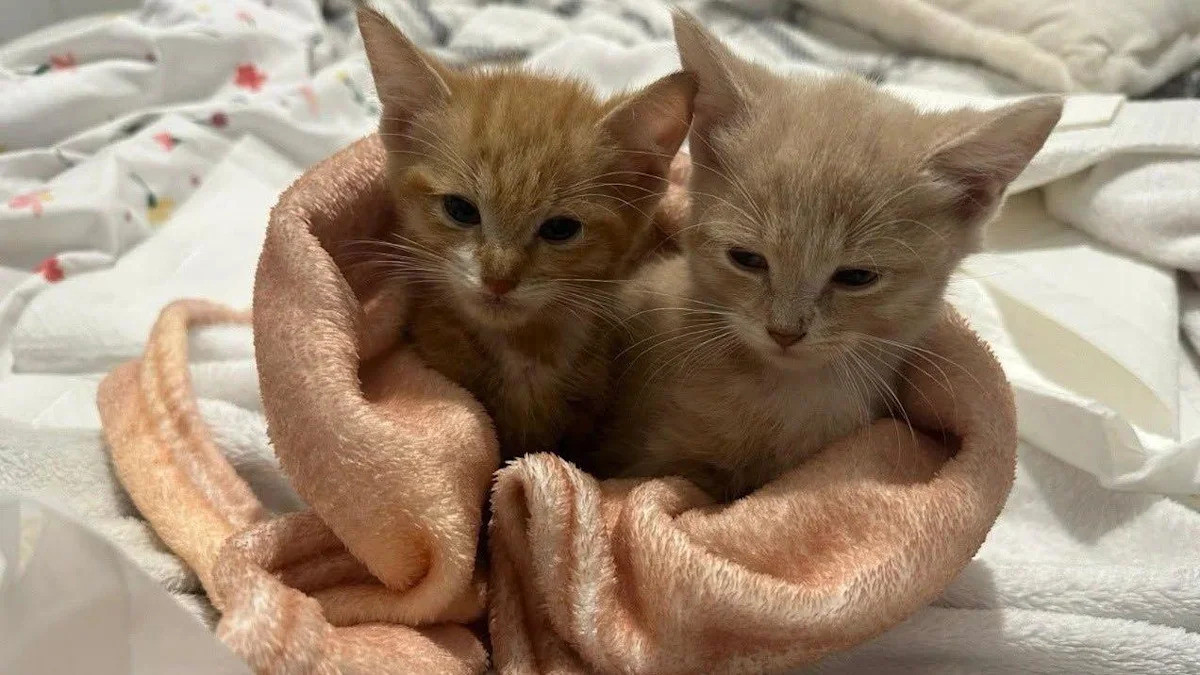
Now safe in foster care
For cat lovers following their story, the encouraging part is what came next. Peanut and Butter are now being looked after in foster care, where they have begun to recover.
Tait said the pair are doing well. Butter had been a little quieter, she said, but both kittens were soon playing and making good progress.
They will stay in foster care until they are between eight and 10 weeks old. After that, the search for a permanent home will begin, giving the little duo a future very different from the way they were found.
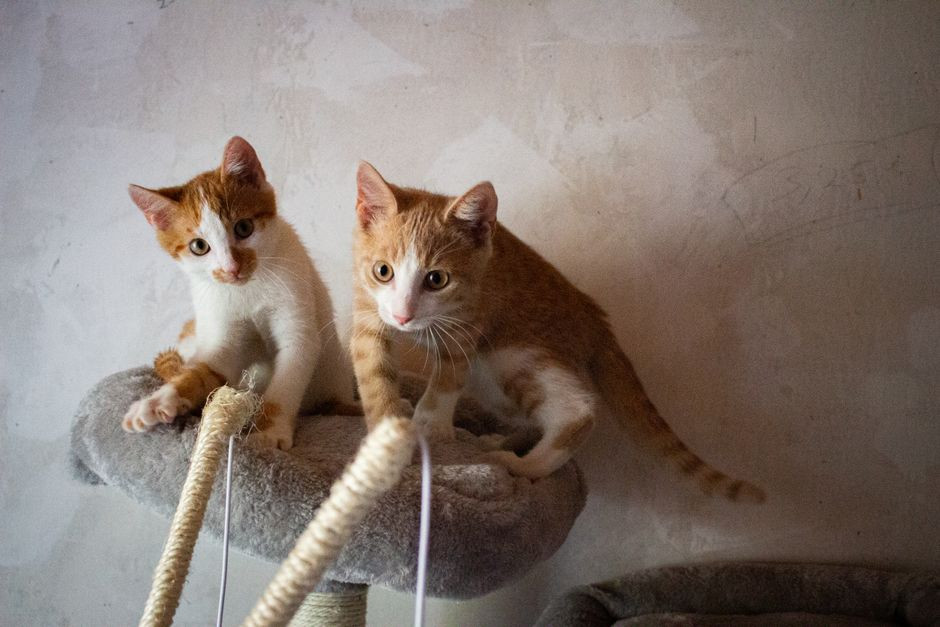
A wider strain on rescues
Their rescue comes during a demanding period for cat charities. Tait said Byfleet Cat Rescue had taken in 90 cats over the summer and would keep helping wherever it could.
The pressure is not limited to one group. In September, the rescue backed a petition calling for action over an escalating animal welfare crisis across the UK. Cats Protection said in its latest annual report that it had taken in around 7,000 stray and abandoned cats in 2025, while adoption rates have fallen in recent years.
For now, though, Peanut and Butter's story rests on a simple change in fortune. A late night dog walk led to two kittens reaching a vet, a rescue, and then a foster home where they can play, recover and, in time, be matched with a family of their own.
What to do if you find kittens outdoors
A found kitten is not always abandoned. If the kittens look clean, quiet, and tucked away, the mother may be nearby looking for food. When it is safe, watch from a distance before moving them. If they are cold, wet, injured, crying for a long time, or in immediate danger from traffic, weather, or other animals, bring them in.
Very young kittens cannot regulate their body temperature well. Warmth comes first. Use a box or carrier lined with towels, and add a wrapped warm water bottle or heat pad on a low setting so they can move away if they get too warm. Handle gently, keep noise low, and contact a vet or local rescue service for advice on age, feeding, and next steps.
First care at home
Do not give cow's milk. Kittens need kitten formula, and the feeding method depends on age. A chilled kitten should be warmed before feeding, since feeding when cold can make things worse. If you are unsure, ask a vet to guide you.
Check for urgent signs of illness: trouble breathing, pale gums, weakness, eye discharge, heavy flea dirt, bloated belly, diarrhea, or wounds. Fleas can be especially hard on small kittens, but flea products made for older cats can be dangerous to the very young, so use only veterinary advice. Keep rescued kittens separate from resident pets until they have been checked over. A quiet room, clean bedding, fresh water for older kittens, and a shallow litter tray are a good start.
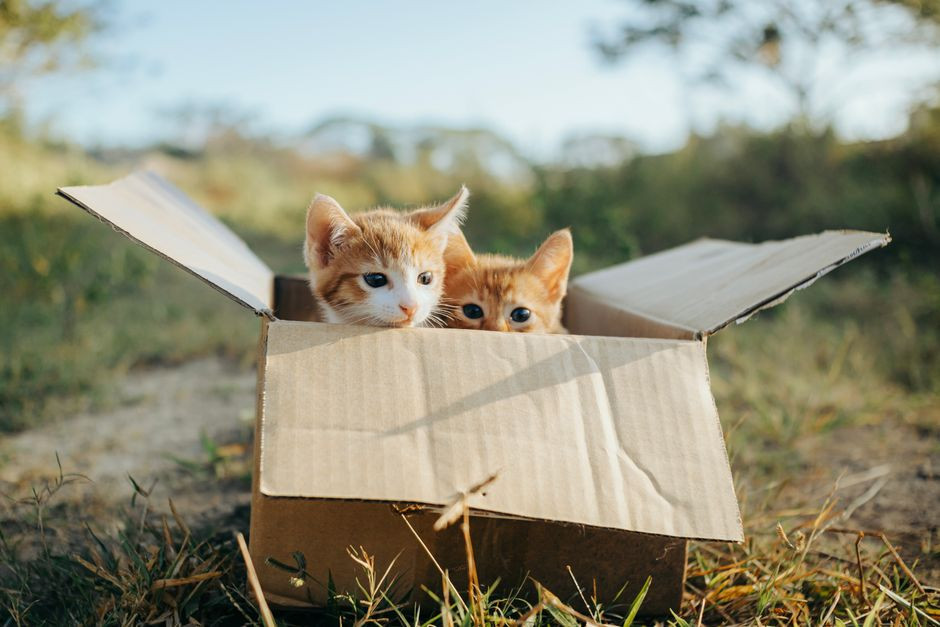
Helping kittens recover and settle
Recovery is often about routine. Offer age-appropriate food, keep bedding dry, and watch for steady energy, warmth, and interest in feeding. Gentle daily handling helps kittens become comfortable with people, but let them rest often. Soft toys, a hiding place, and short play sessions can reduce stress.
Once they are strong enough, a veterinary check is important for parasite treatment, vaccinations, and advice on neutering when old enough. If they will stay in a home, kitten proof the space. Secure windows, hide wires, remove toxic plants, and store small objects out of reach. A safe indoor setup, regular meals, and calm human contact give rescued kittens the best chance to grow into confident cats.
Share this article:





