Midland's 'Black Panther' Video Has Cat Lovers Replaying Every Step

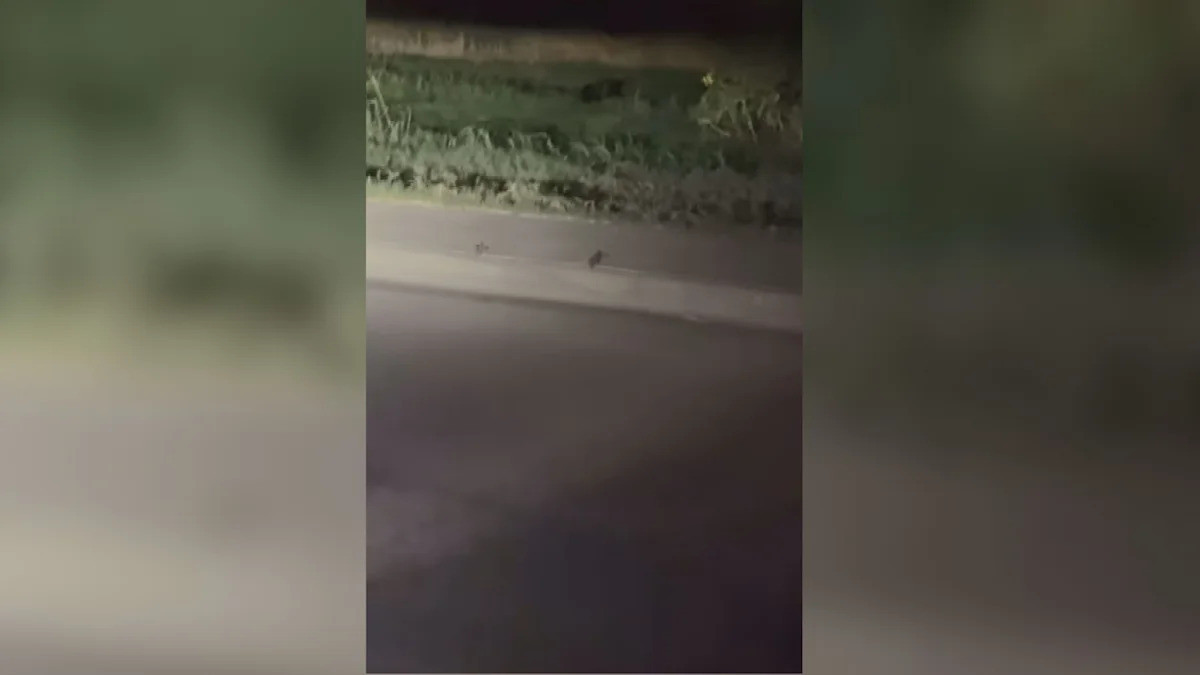
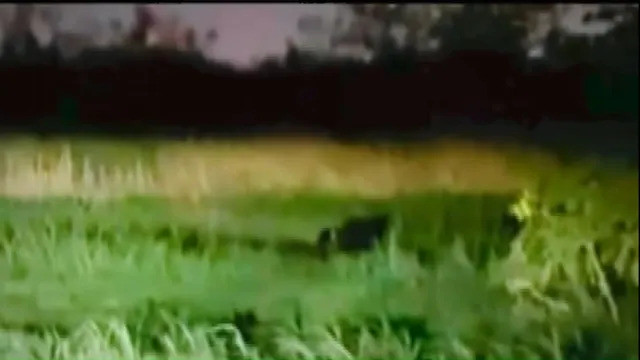
A dark figure in a Midland video clip has people replaying the footage and arguing over one very feline question: was that really a black panther? The Facebook post, shared Wednesday by a videographer who said the animal was seen near Travis Elementary in South Midland, has turned into a lively guessing game online and around town.
Part of the clip's grip is how little certainty it offers. Viewers are looking at the same animal and reaching very different conclusions, which is exactly how a local sighting becomes a small obsession. On Nextdoor, the comments filled up with competing theories. One resident said it was probably a big black dog. Another focused on the gait and argued that whatever appeared in the video moved like a panther.
That split did not stop with neighborhood app users. People asked about the sighting on the streets of Midland also offered a wide range of ideas. Some said a real panther seemed possible. Others suggested something else entirely, including a bear or even a person in disguise. The response was less a verdict than a community wide game of, what on earth are we looking at?
The clip has clearly struck a nerve. It has drawn more than 5,000 likes on Facebook, and it has been reposted on Instagram and TikTok as well. For cat people, the mystery is especially irresistible. When an animal in a blurry or distant clip seems to move with feline rhythm, every pause and replay starts to feel like evidence.
What an expert saw, and what he did not
Michael Nickell, a museum scientist and naturalist with Sibley Nature Center, was shown the video and approached it by first untangling the word at the center of the frenzy. He explained that panther is not a species. In cases like this, people are usually talking about a melanistic big cat, meaning an animal with a genetic mutation that produces a dark coat. He said that mutation occurs in certain cats, including jaguars and leopards.
Where Nickell was skeptical was with the version of the story many Texans know best, the idea of a black mountain lion. He said the mutation is not known to occur in mountain lions. He also noted that although people, particularly in East Texas, have claimed for a long time to have seen black mountain lions, there has been no official scientific documentation of them.
Even so, Nickell did not look at the clip and dismiss the animal as obviously nonfeline. His view was that it was certainly moving like a cat. That is a tantalizing point for anyone who watched the video and immediately thought big cat. But he was not persuaded that the footage showed a black panther. A melanistic jaguar or melanistic leopard in Midland, he said, would be highly unlikely. Not impossible, but very, very unlikely.
The most cat person ending of all
Nickell also pointed to the detail the video could not provide: scale. He said he could not tell how big the figure was from the footage. Without that reference point, the mystery opens up rather than narrows down. The animal might look dramatic, but its actual size remains unclear.
That uncertainty leaves room for an explanation far less exotic than a roaming melanistic big cat. Nickell said it could have been a very large house cat. For anyone devoted to felines, that possibility has its own charm. A supersized house cat, glimpsed at the right distance and moving in a convincingly catlike way, is exactly the kind of ordinary answer that can still feel wonderfully weird.
So the video remains what viral animal clips often become: a mirror for whatever the viewer thinks they recognize. Some people see a panther shaped possibility. Some see a dog. Others reach for a bear, or a person in disguise. The post's popularity shows that Midland's mystery creature has already done its job. It gave the internet, and especially cat watchers, one more reason to stare at a silhouette and wonder.
Why a black cat can look like a “panther”
The word “panther” is often used loosely for a sleek, dark feline shape. That is one reason short clips of black cats can look more dramatic than they really are. A solid black coat hides body detail, especially in dim light, backlighting, or grainy phone video. When fur blends into shadow, the eye focuses on outline and movement, which can make an ordinary cat seem larger, lower, and more mysterious.
Some black cats also have a glossy coat and long body that enhance the effect. A low camera angle makes this even stronger, because the cat fills more of the frame and its shoulders and back look more powerful. If you are trying to judge what you are seeing, pause on side views and compare the body to familiar objects like paving stones, grass height, or fence gaps rather than relying on first impression.
What the walk can tell you
People replay feline footage because cat movement is unusually smooth. Cats place their hind paws close to where the front paws just stepped, which helps them move quietly and efficiently. Their flexible spine and loose shoulder blades create that rolling, fluid look many people associate with big cats.
To tell a domestic cat from a larger wild feline, look at proportions before color. A pet cat usually has a relatively small head, finer legs, and a tail that reads as light and expressive. Large wild cats tend to look heavier through the chest and neck, with thicker limbs and a more deliberate, weighty stride. Ear shape can help too. Domestic cats often show more obvious upright ears in silhouette. Video speed matters as well. Slight slow motion can make any cat look more stealthy and imposing than it did in real time.
Practical tips if you spot an unusual feline
If you are unsure what you have seen, keep your distance and avoid trying to follow it for a better clip. Bring pets indoors if possible, supervise children, and observe from a safe place. A second, steadier video that includes nearby objects for scale is usually more useful than a shaky close-up.
If the animal appears injured, trapped, or genuinely wild, contact local animal professionals rather than approaching it yourself. If it is likely a roaming pet, checking local lost pet pages and nearby neighbors can help. For everyday cat watchers, the simplest lesson is this: lighting, angle, and gait can transform a familiar house cat into a miniature “big cat” on screen, so body proportions and context are the best reality check.
Share this article: