After 33 Trips, 80 Cats Rescued From a Reno Apartment Are Starting to Trust Again

Some of the cats now walk to the front of their cages to greet people. That small change carries the weight of a much bigger story: 80 cats were removed from a Reno apartment in a rescue that stretched across 33 trips, several days, and one already overburdened shelter system.
From hiding to saying hello
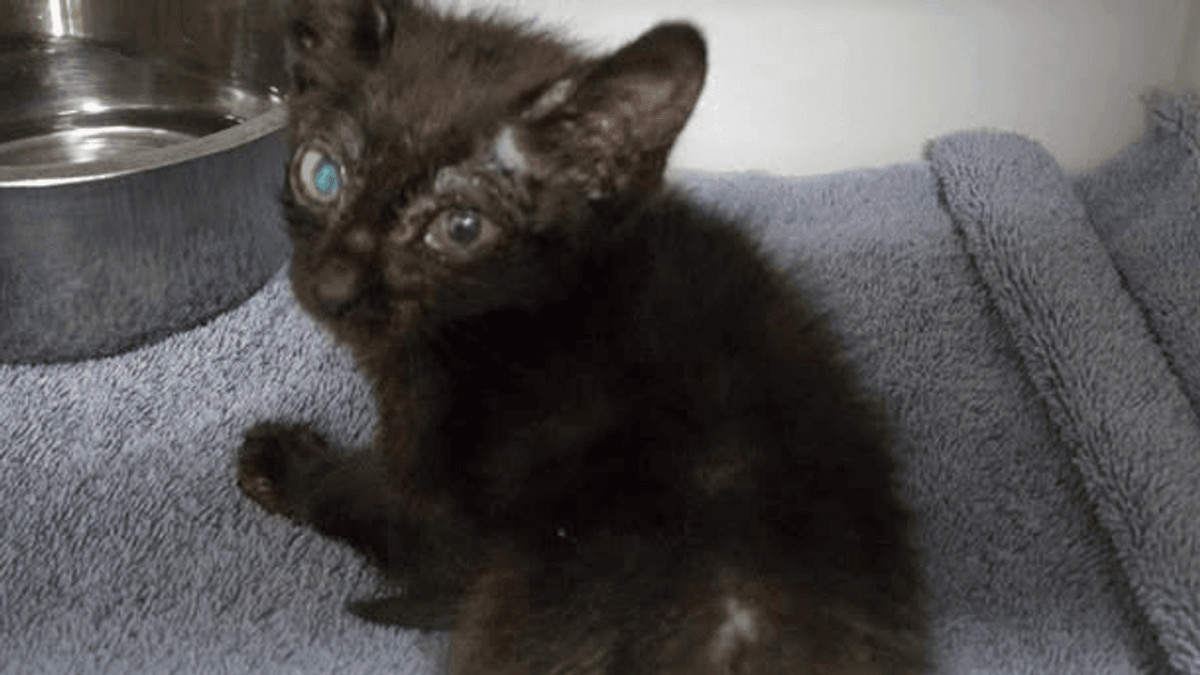
At Washoe County Regional Animal Services, one of the clearest signs of progress is simple. Cats that once stayed withdrawn are beginning to come forward, accept petting, and show interest in the people caring for them.
According to shelter supervisor Arthur Westbrook, they are no longer as shut down as they were when they first arrived. Many are starting to come out of their shells, perk up, and approach the front of their cages. For animals pulled from a severe hoarding situation, that shift is one of the most hopeful parts of the story.
What officers found inside the apartment
The rescue began after a landlord contacted animal services about dozens of cats inside a two bedroom apartment. Westbrook said the person who owned the cats had been evicted, and officers were called in to start removing the animals.
Inside, they found what the shelter described as a severe hoarding case. Cats were living throughout the apartment in unsanitary conditions. The group included animals at every stage of life, from newborn kittens to senior cats.
Officers spent several days getting them out. In all, the operation required 33 trips. During the work, they also found one kitten dead inside the home.
Many of the cats were hungry, which shaped how the rescue unfolded. Westbrook said that when officers put out food, a large number of the cats came toward them and could be picked up. Others were less social and did not approach, so officers used humane cat traps to capture them. Shelter staff also used safety equipment during the effort to protect themselves from bites while handling frightened animals.
A rescue effort that landed in the middle of another emergency
The intake would have been significant under any circumstance. It became even harder because another crisis hit at the same time.
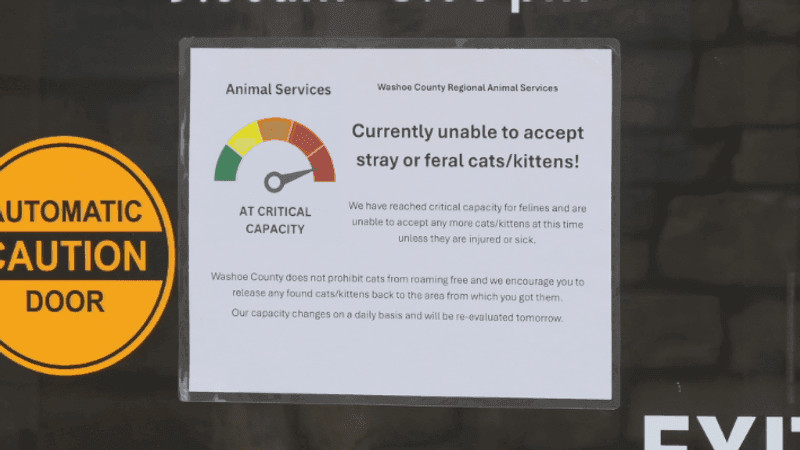
Westbrook said a fire happened the same day officers began removing cats from the apartment. That emergency brought in even more displaced animals. At one point, the shelter was caring for about 80 cats from the hoarding case and another 87 cats that had been evacuated because of the wildfire.
That overlap put heavy pressure on space and staffing. Animal services turned to rescue partners for help, and Westbrook said the Nevada Humane Society stepped in by taking transfers. Those moves helped create room so the shelter could continue holding animals affected by the fire while also caring for cats from the apartment.
Westbrook described the response from staff in practical terms. The work, he said, comes down to a commitment to lifesaving and to stepping up for animals that do not have anyone else to care for them.

Where the cats are now
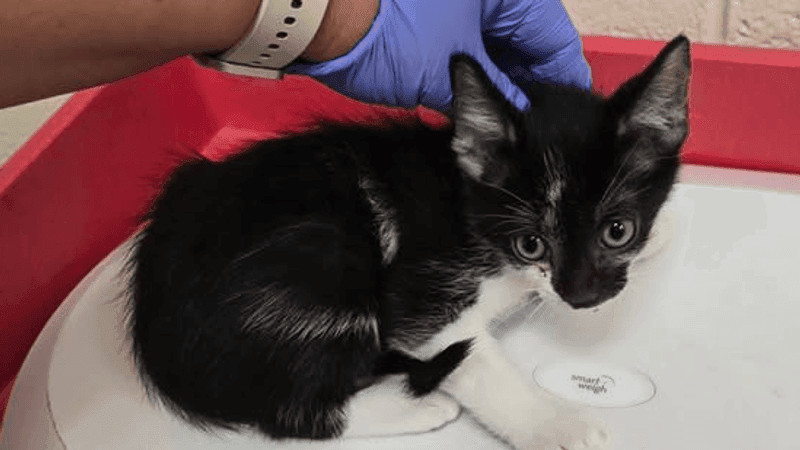
Most of the cats rescued from the apartment have already been transferred to the Nevada Humane Society or to other rescue organizations. They are moving into adoption pathways as they continue to recover.
Washoe County Regional Animal Services still has 24 of the rescued cats in its care and is continuing to work with rescue partners to place them in adoption programs.
The case itself is not over. Animal Services said the investigation into the hoarding situation remains ongoing.
For now, the most immediate measure of change is visible in the cats themselves. After arriving hungry, unsocialized in some cases, and taken from unsafe living conditions, many are beginning to show people who they are. In a shelter stretched by two emergencies at once, that quiet progress may be the clearest sign that the rescue worked.
Why large cat rescues are so complex
When many cats are removed from one home, the first challenge is not just transport. It is triage. Rescuers usually separate cats by age, sex, medical needs, and behavior so they can prevent fighting, reduce stress, and limit the spread of contagious illness. Cats from crowded homes may arrive dehydrated, underweight, parasite ridden, pregnant, injured, or simply overwhelmed by noise and handling.
Shelters and foster homes often start with the basics: quiet housing, food and water on a predictable schedule, litter boxes that are easy to find, and a veterinary check. Many cats also need time to decompress before their true personality shows. A cat that hides, hisses, or avoids touch at first is not necessarily unfriendly. Fear can look like aggression, and shutdown behavior can mask pain or illness.

How fearful cats start trusting again
Cats rebuild trust through routine, choice, and low pressure contact. The goal is to help them feel safe enough to explore. That usually means a small room, hiding spots, soft bedding, and a consistent daily rhythm. Speaking softly, moving slowly, and sitting nearby without reaching can be more effective than trying to force affection.
Food is one of the best tools. Offering meals, treats, or lickable snacks at regular times helps a cat associate people with comfort. Toys can help too, especially wand toys that create distance while encouraging play. Many shy cats do better when touch comes later, after they are choosing to approach on their own.
Progress is often uneven. A cat may accept treats one day and hide the next. Common signs of growing confidence include eating while a person is present, grooming, stretching out to rest, blinking slowly, playing, and rubbing on furniture or legs.

What adopters and neighbors can do
If you adopt a cat from a neglect or overcrowding situation, plan for a slow start. Set up one safe room before bringing the cat home. Keep food, water, litter, and hiding places in easy reach. Let the cat come out on its own timeline, and avoid introducing other pets too quickly. Ask the shelter or foster caregiver what routine, food, and handling methods have worked best.
If you are worried about too many animals in a home, act early and gently. Concerns can include strong odors, untreated injuries, repeated litters, or animals that never seem to leave the property for care. Local shelters, animal control, social service hotlines, and community rescue groups may be able to guide a welfare check, surrender, or support plan. Early help can protect both animals and people.
Share this article: