Florida Dad Scares Off Black Bear Chasing Family Dog Salomon in Viral Yard Video

Salomon, a family Goldendoodle, was running across a Florida yard with a black bear behind him when Josh Martinez came outside and put himself in the animal’s path. The encounter lasted only moments, but it ended with the dog safe and the bear heading away from the house.
It is the kind of backyard moment dog owners never want to see. Salomon, the Martinez family’s Goldendoodle, darts through the yard as a black bear follows close behind. A woman steps outside, realizes what is happening, and calls for help as the chase moves toward the house.
Josh Martinez responds by coming outside and placing himself between the bear and his family. He stands his ground, lifts his arms, and yells at the animal. In the clip below, that simple, split second response turns a frightening scene into a narrow escape.
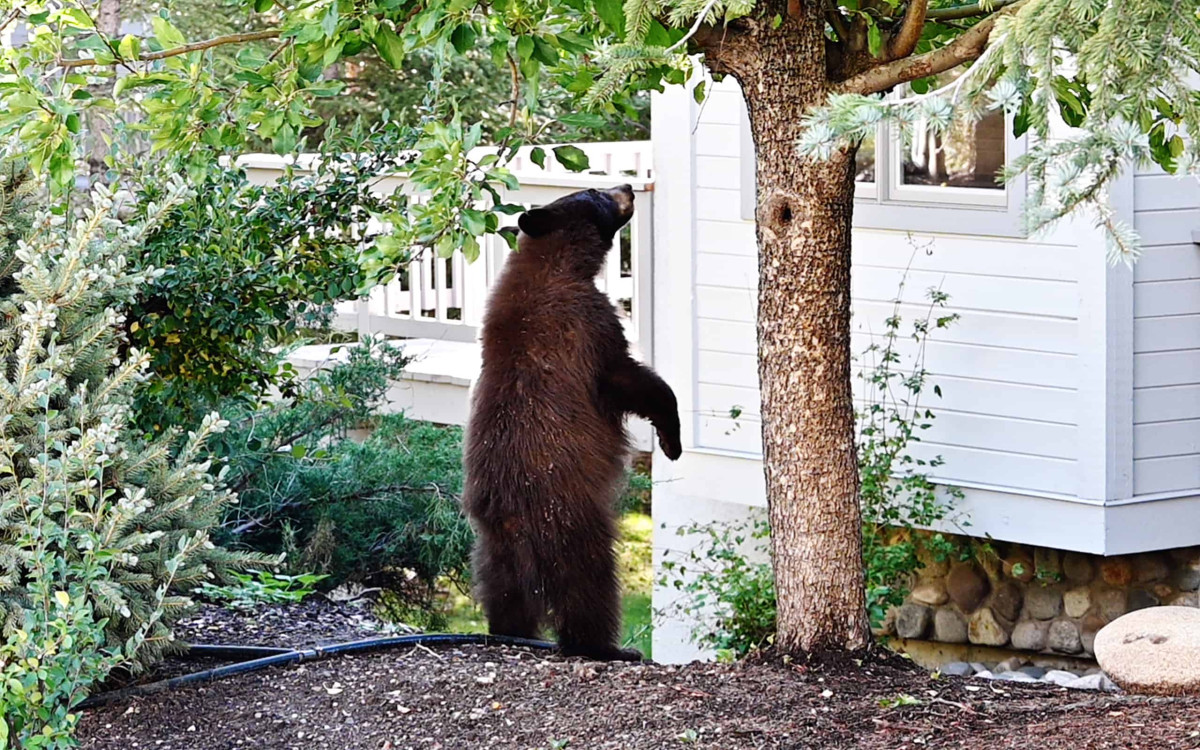
What happened in the yard
The encounter was recorded by a home security camera at the family’s house in the Florida Panhandle near Destin in August 2022. The video shows just how quickly an ordinary moment with a dog in the yard can change.
At first, the focus is on Salomon racing across the property. Then the bear comes into view behind him. The woman outside shouts for help, and Martinez comes out to meet the danger rather than retreat from it.
He plants his feet, makes himself look bigger, and shouts. The bear changes course and runs off instead of continuing toward the house. Salomon is not hurt, and no one in the family is injured. The scare ends with the dog and the people inside able to get back to safety.
Why bears and dogs can become a dangerous combination
Black bears usually try to stay away from direct conflict, but dogs can complicate those encounters fast. Wildlife guidance warns that many serious incidents involving people and black bears also involve dogs, especially when dogs are off leash.
A bear may react defensively if a dog barks at it, chases it, corners it, or interrupts something the bear is focused on. Officials also warn that bears may defend food, cubs, or themselves if they see a dog as a threat.
What is not clear from this encounter is why the bear entered the yard in the first place or what happened before the chase began. There is no way to say from the footage alone whether it had been drawn by food, whether the dog had approached it, or whether something else happened before the camera view starts. The only thing visible is the most urgent part of the encounter, with Salomon running and the bear behind him.
What Martinez got right, and the caution that comes with it
Some of Martinez’s reaction matches public guidance for a black bear that has entered a residential yard. Wildlife agencies say loud noise and a larger posture can help drive a black bear away, but only if the animal has a clear path to leave.
That condition matters. Officials also warn people not to move toward a bear in order to force a confrontation. In a close encounter, the advice is to stay calm, avoid running, and back away slowly toward a secure place when possible.
In this case, Martinez’s shouting and posture were enough to send the bear in the other direction. That does not mean every encounter will end the same way, and wildlife guidance stresses that the safest response depends on what the bear is doing and how near it is.
The best way to protect dogs is to avoid the encounter
For dog owners, the larger lesson starts before a bear is ever in the yard. Wildlife agencies recommend keeping dogs close in bear country and using a non retractable leash rather than giving pets too much distance. If a bear is nearby, pets should be brought inside.
Officials also advise checking the yard before letting a dog out, especially at night. Around the home, reducing anything that might interest a bear can also help. That includes securing garbage, birdseed, pet food, and other food sources that could encourage a bear to linger near people and pets.
Salomon’s story has the ending every dog lover hopes for. A family pet made it through a close call unharmed, and a fast reaction was enough to send a black bear away from the yard. It is a viral clip with a happy result, but it is also a reminder that even a familiar backyard can change in an instant when wildlife and dogs cross paths.
Why dogs and bears can clash
Black bears are adaptable wild animals that often move through suburbs, wooded edges, and rural yards while looking for easy food. A dog can trigger a fast reaction because barking, chasing, or rushing toward a bear may be read as a threat. Some bears retreat quickly. Others may swat, bluff charge, or briefly pursue to create distance.
Bears are especially likely to linger where they learn that people leave food outside. Common attractants include pet food, unsecured trash, grills, bird seed, fallen fruit, and outdoor coolers. A yard that smells interesting to a bear can also be exciting to a dog, which raises the chance of a sudden encounter.
How to make a yard less interesting to bears
The best prevention is to remove rewards. Feed pets indoors when possible, and bring bowls inside right away. Store garbage securely, clean grill grease, pick up ripe fruit, and avoid leaving scented items on porches. If local wildlife officials advise against bird feeders during active bear periods, follow that guidance.
Supervise dogs outside, especially around dawn, dusk, and overnight. Keep them on a leash or in a secure fenced area if bears are known to pass through. Motion lights, noise from inside the home, and checking the yard before letting a dog out can also help.
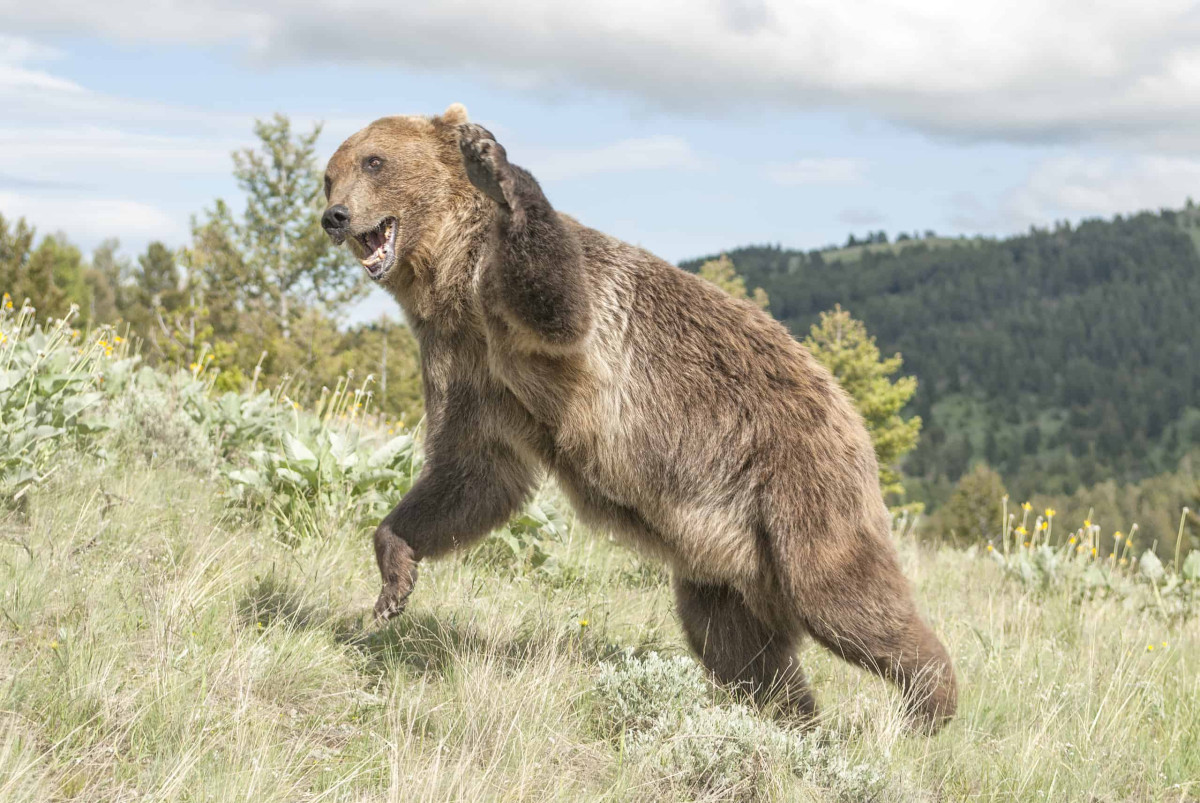
What to do during an encounter
If a bear is nearby, call the dog back immediately and get everyone indoors or into a vehicle if possible. Do not run toward the bear, and do not try to corner it. Make yourself look big, speak firmly, and create space. Once safe, wait until the bear has fully left before going back outside.
A dog that has had a close call should be checked for injuries, even if it seems fine at first. Reporting repeat bear visits to local wildlife authorities can help residents learn the safest response for their area.
Share this article: