
London Cat Sneaks Into Neighbor's House and Samples the Dog's Dinner

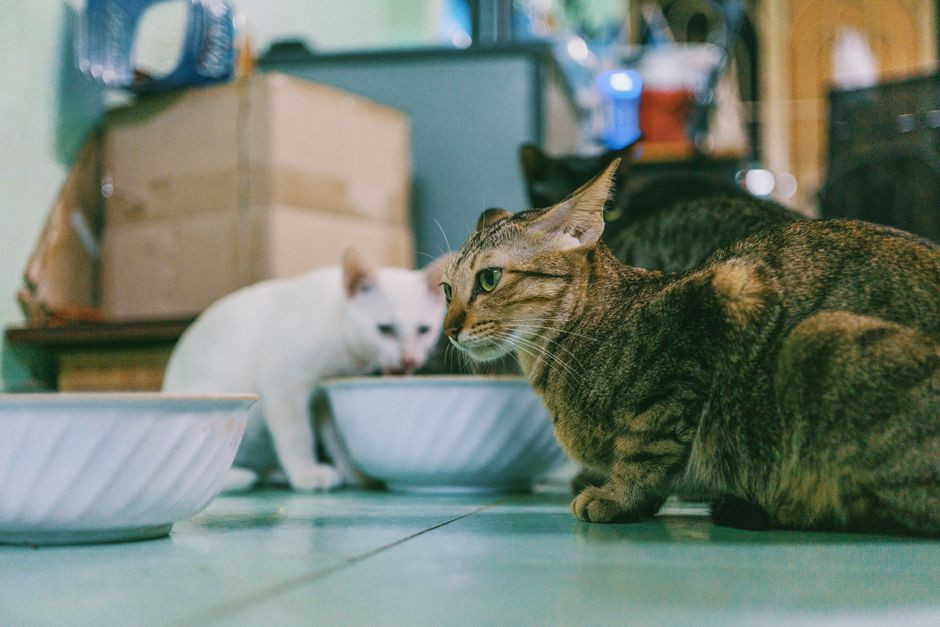
Every cat person knows the look: the calm confidence of a feline who acts as if every bowl in sight was placed there personally for them. In southeast London, one neighborhood cat took that attitude straight into a neighbor's home and made a quick meal out of the resident dog's dinner.
The home security footage, shared to YouTube by Ring UK & Ireland, shows the cat wandering into the house and helping itself to the contents of a dog's food dish. In the clip below, the self invited guest gets a few bites in before the household's actual four legged owner catches on.
The dog, Rosie, spotted the cat from the stairs and reacted fast, barking and chasing the intruder back out of the house. Myron Wallace, 40, said his family had been upstairs during the incident and did not realize what had happened until they heard Rosie making noise and checked the Ring footage.
For Wallace, the cat was not a total mystery. He said it is a familiar sight around the neighborhood, although this was the first time it had come inside the house. It was not even the first unexpected feline appearance the family had dealt with. Wallace said an orange cat had previously been found inside the home during a construction project. The workers thought that cat actually lived there, until Wallace arrived with Rosie and the visitor ran off.
That leaves Wallace's home with a small but memorable history of cats treating it like open territory. Rosie, at least, seems clear on the house rules, especially when dinner is involved.
Why cats wander and raid other bowls
Many cats are natural patrol animals. Even well fed pets often explore nearby homes, sheds, gardens, and open doors simply because they are curious. A new smell, a warm room, or an unattended food bowl can be more interesting than anything at home.
Food stealing does not always mean a cat is hungry. Cats are drawn to strong smells, novelty, and easy rewards. Some also learn routines very quickly, such as when another household puts pet food down. If a cat becomes unusually bold about begging or scavenging, it is worth noticing any broader change in appetite, thirst, weight, or behavior and speaking to a vet if it seems out of character.
Can cats eat dog food
A mouthful of dog food is usually more of a nuisance than a crisis, but it is not a good regular meal for a cat. Cats have different nutritional needs from dogs and do best on food made for cats. Over time, a steady diet of dog food can leave a cat short of key nutrients.
The more immediate problem is stomach upset. Rich food, sudden diet changes, or gulping another pet's dinner can lead to vomiting, diarrhea, or a day of digestive grumbling. Wet food left out can also spoil, and any shared bowl can spread germs or parasites between animals. If a cat gets into unusual foods, bones, onions, garlic, chocolate, raisins, or anything wrapped or stringy, that is more concerning and needs quick advice from a vet.
How to stop repeat dinner theft
Prevention is mostly about access and routine. Feed pets indoors when possible and pick bowls up after meals instead of leaving food out. If a cat is highly motivated, use timed feeders, feed dogs behind a gate, or shut doors during mealtimes.
For roaming cats, a breakaway collar with an ID tag can help neighbors contact the owner quickly. At home, regular play, puzzle feeders, and predictable meal times can reduce opportunistic scavenging. If neighbors are willing, a simple friendly chat can solve a lot: ask them not to offer extra food, and agree on what to do if the cat wanders in. The goal is not to stop curiosity, but to make the safer option the easier one.
Share this article:





