
Gelato the wheelchair kitten is ready for adoption in Cincinnati

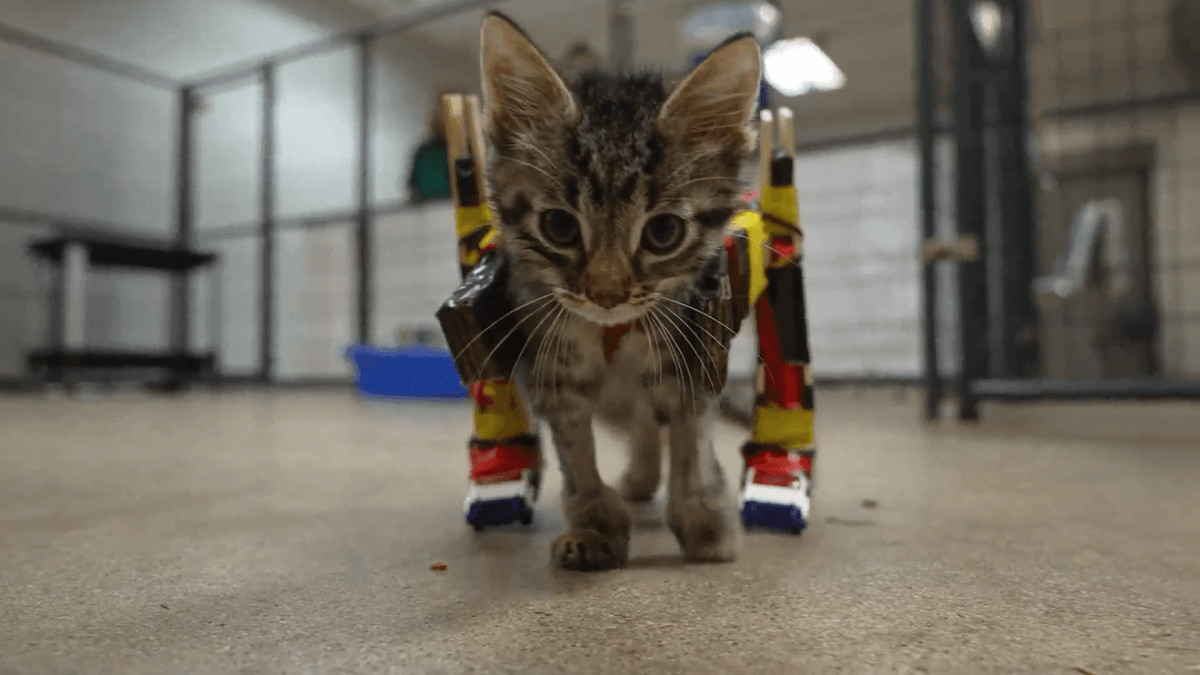
Gelato first stood out in a tiny wheelchair built from cardboard, zip ties and Hot Wheels. Now the kitten at the center of that creative rescue effort is available for adoption through Cincinnati Animal CARE.
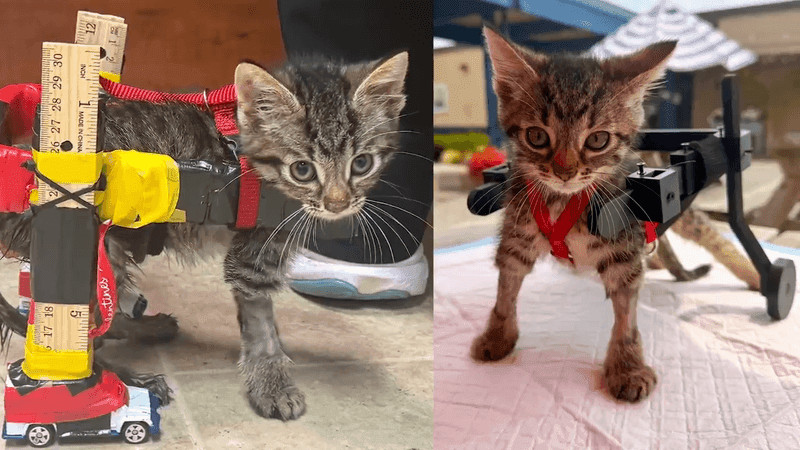
Gelato was rescued with four other kittens and brought to Cincinnati Animal CARE, where the shelter’s staff determined that he had suffered a spinal injury. Caring for him meant finding a way to help him move, and the shelter’s medical team improvised an early wheelchair using simple materials: cardboard, zip ties and Hot Wheels.
That homemade setup did not remain his only ride for long. An engineer later created a sturdier version for Gelato using 3D printing, giving the little cat a more durable set of wheels as his story reached animal lovers.
Now, the focus is on finding the right home. Cincinnati Animal CARE says Gelato’s future family will need to continue working with a veterinarian on added therapy. He also needs assistance urinating, and litter box training is still a work in progress, so his adopter will be taking on a cat with some ongoing care needs.
The shelter has tried to make that next step a little easier. PetSmart Charities is covering Gelato’s adoption fee. People interested in bringing him home can contact the shelter by emailing adopt@cincycare.org.
For people who want to support him and the shelter in another way, Cincinnati Animal CARE is also selling a Gelato shirt for $25, with the money going directly to the organization.
How a kitten wheelchair works
A cat wheelchair, often called a mobility cart, is a light frame with wheels and a padded harness that supports the body while letting the cat move with the front legs, back legs, or both, depending on the design. It is most often used for paralysis, weakness, nerve injury, limb differences, or recovery after surgery.
Good fit matters more than the cart itself. The harness should hold the chest and hips securely without rubbing the armpits, belly, or groin. A kitten should be able to breathe easily, keep the spine in a natural position, and move without tipping. Most cats do best with short, supervised sessions at first on flat, non slip surfaces. Many are not meant to stay in a cart all day. Check the skin after every session for redness, hair loss, or pressure spots, and adjust quickly if anything looks irritated.
Daily care for a mobility impaired cat
A wheelchair is only one part of care. Many disabled cats also need an easy home setup: low sided litter boxes, washable bedding, rugs or mats for traction, and food and water placed where they can reach them without climbing. Some cats scoot very well on their own and may need protective clothing or soft bedding to prevent scrapes.
Hygiene is important. Cats with weak back legs or poor bladder and bowel control may need help staying clean and dry. That can mean trimming fur around the rear, using pet safe wipes, and learning any special care from a veterinarian. Watch for urine scald, constipation, strong odor, sores, or a sudden change in appetite or energy. Those are signs to call a vet promptly.
Play and enrichment still matter. Floor level toys, short training sessions, and safe social time help build confidence and muscle.
What to ask before adopting
Before bringing home a disabled kitten, ask what the cat can do independently and what support is needed every day. Useful questions include: How long can the cat use the cart comfortably? Does the cat need medication, physical therapy, or follow up appointments? Can the cat use a litter box alone? Are stairs, slick floors, or rough play a problem?
It also helps to ask for a hands on demonstration of transfers, harnessing, cleaning, and any exercises. A good adopter plan includes a quiet recovery area, a regular vet, and patience. Many disabled cats are playful, social, and highly adaptable, but they usually thrive best with routine and careful observation. The goal is not perfect mobility. It is comfort, safety, and a life that lets the cat explore, rest, and interact with confidence.
Share this article:





