Beach Dog Slim Found His Best Friend in a Wild Sea Lion by the Water

Slim did not find his closest companion at the dog park. The dog who loved the ocean most ended up building a quiet, lasting friendship with a wild sea lion outside his beach house, and the bond stayed with his owner long after the visits stopped.
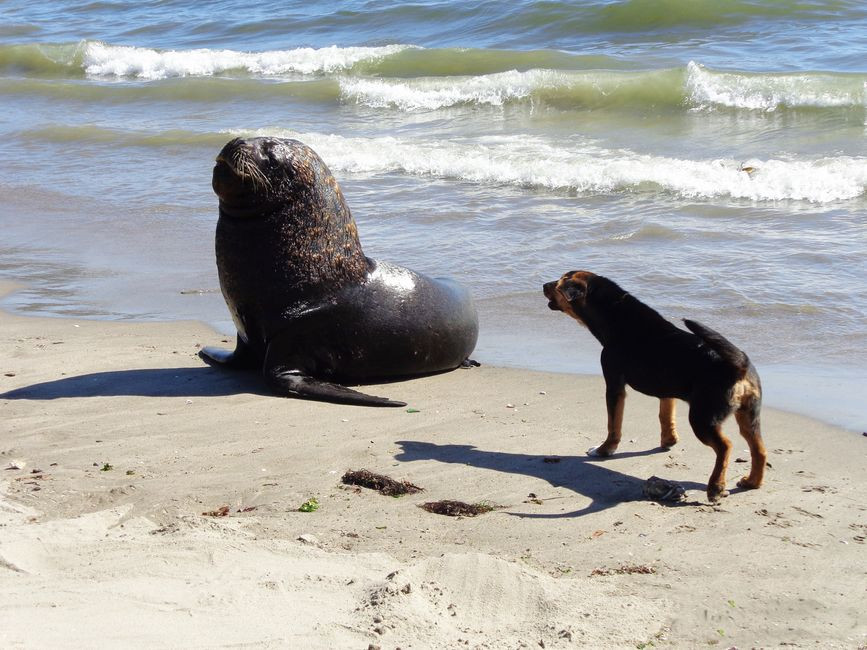
When Lindsay and her dog Slim moved into a beach house a few years ago, she did not expect the friendship that would grow just offshore. Slim was never especially focused on making friends with other dogs. Water was his thing, and he seemed far more at ease in the ocean than in a crowd at the park.
That love of the sea led him to a companion Lindsay never saw coming: a curious local sea lion. In the clip below, the connection is easy to understand even without words.
A friendship built on simple visits
The sea lion started showing up three to four times a week, and the routine lasted for two years. Lindsay watched the two of them share the shoreline in the gentlest possible way. They did not need much action to make their bond clear. Often, they would simply look at each other.
For Lindsay, that was the remarkable part. A dog who was not particularly interested in canine social life had found a deep connection with a marine animal that frequented the water near their home. Their curiosity seemed to draw them together, and their time together looked calm, easy and mutual. They appeared perfectly content just being in one another’s company.
What Lindsay took from it
The friendship left a lasting impression on Lindsay. She believes the sea lion chose to pass in front of their beach house, spending its final moments near Slim.
For her, the relationship between the two animals became more than an unusual story from life by the water. It was a reminder to live in the moment and to notice the kinds of connections that can form where no one expects them. Slim’s most meaningful friendship, it turned out, came from the ocean.
Why sea lions spend time on shore
Sea lions are wild marine mammals that regularly haul out onto beaches, rocks, docks, and other dry places. They do this to rest, warm up, avoid rough water, give birth, nurse young, and recover after long periods of feeding at sea. A sea lion lying still on shore is not automatically injured or abandoned. Resting on land can be normal.
That said, sea lions can also come ashore when they are sick, exhausted, tangled in debris, or affected by changing ocean conditions. From a distance, it can be hard to tell the difference between a healthy animal resting and one that needs help. The safest assumption is that any wild sea lion needs space and quiet.
What dog owners should know at the beach
Even a calm looking sea lion is not a pet and not a playmate. They are powerful, fast at short range, and can bite if they feel crowded or threatened. Dogs can trigger that reaction simply by running up, barking, circling, or trying to sniff.
If you walk your dog near the shore, keep the dog leashed when wildlife is present. Scan ahead before letting a dog explore driftwood, rocks, or the waterline. If your dog spots a sea lion, turn away early and create distance before excitement builds. Reward your dog for checking in with you and moving on.
Watch the sea lion's body language too. Head lifting, staring, open mouth displays, loud vocalizing, sudden movement, or repeated shifting can all mean the animal wants more space. The best response is simple: back off, keep your dog quiet, and choose another part of the beach.
What to do if an animal seems stranded or injured
Do not touch, feed, or try to push a sea lion back into the water. That can worsen injuries, separate a young animal from a parent, or put people and dogs at risk. Keep children and pets away, note the exact spot, and contact a local marine wildlife rescue service, park staff, harbor office, or animal control authority.
If your dog had close contact, check for bites or scratches and call a veterinarian promptly. Rinse salt water and sand from the coat, and watch for limping, eye irritation, coughing, vomiting, or unusual tiredness after the outing. Quick reporting and simple distance are usually the most helpful things a bystander can do.
Share this article: