Woman Snaps In Front Of Her Fiancé's Family After The Man Threw Her Daughter's Cat Away

Some people draw a hard line when it comes to pets, and this story shows exactly why that can blow up fast.
A Redditor shared that her fiancé started making rules about her daughter’s cat, then took things too far by getting rid of the animal altogether. What followed was a furious confrontation, a family showdown, and a whole lot of people on Reddit taking sides.
Now the question is whether this relationship can survive after that kind of move. Read on.
The man moves in with the original poster's family.
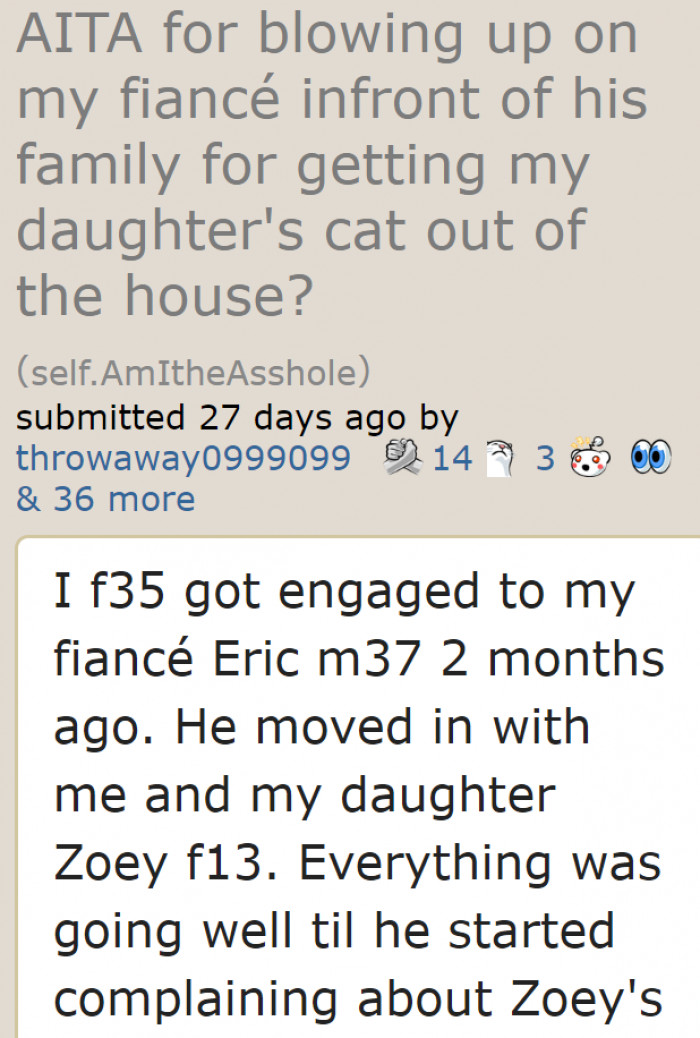
Unfortunately, he isn't fond of cats.
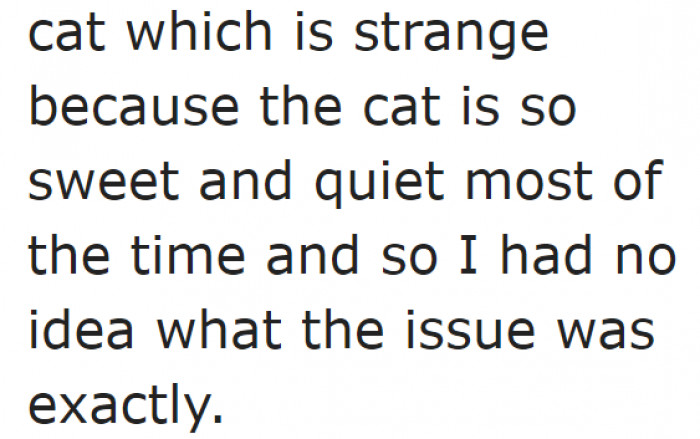
Now, he's asserting control within the household.
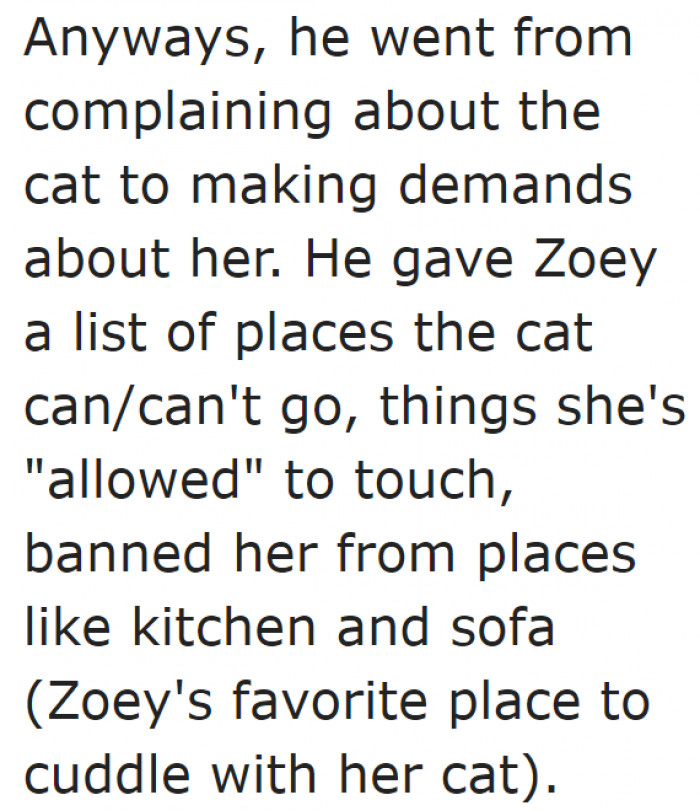
When people feel deeply attached to their pets, their emotional reactions can often mirror those tied to familial relationships. In the case of the woman in the article, her reaction to her fiancé's actions reflects a profound sense of loss and betrayal, which may be exacerbated by her daughter's attachment to the cat.
Furthermore, the emotional distress caused by such incidents can lead to emotional dysregulation, where individuals struggle to manage their emotional responses effectively. This underscores the importance of recognizing the depth of these attachments, which are often dismissed as trivial by those without a similar bond.
Fortunately, the original poster is on her daughter's side.
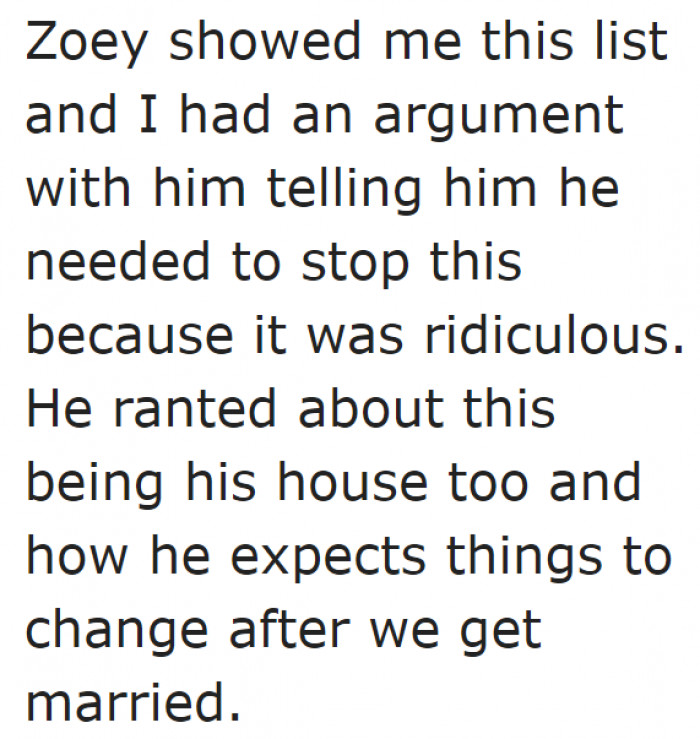
The guy suddenly decides it's best to throw the poor furball away.
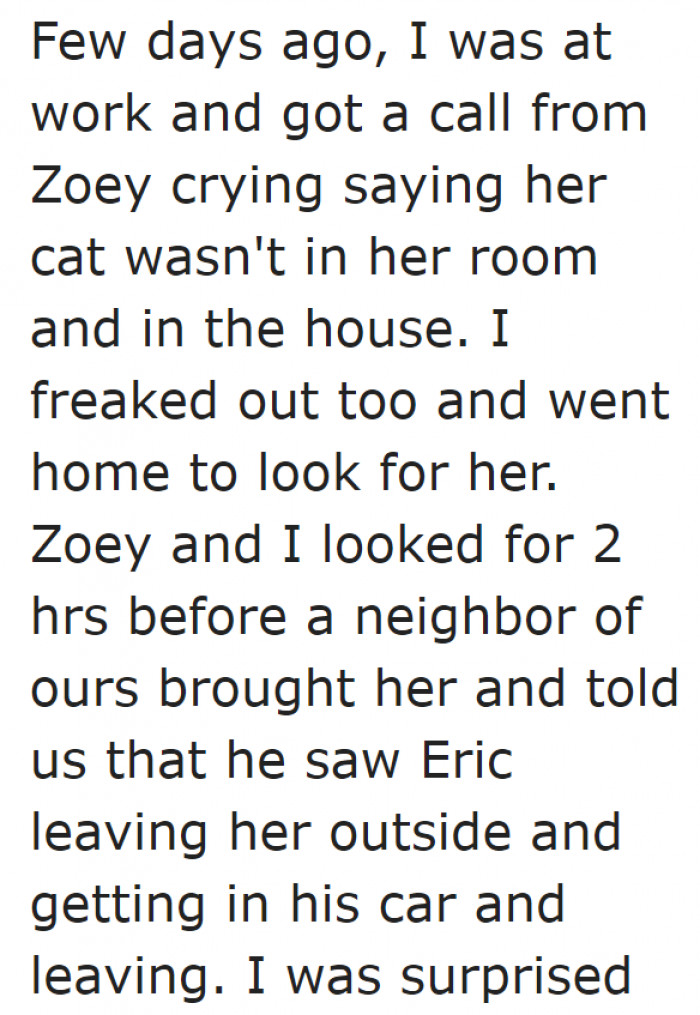
In anger, she immediately went to see her fiancé.
That's when the situation stopped being about house rules and turned into a full-blown family problem.
From a behavioral perspective, the situation illustrates how conflict arises not only from differing values but also from unmet needs. Conflicts often occur when individuals fail to express their needs or when those needs are not met. In this instance, the woman’s need for validation and respect for her daughter’s emotional attachment to the cat was not honored, leading to an explosive reaction. Behavioral psychology suggests that open communication about needs and feelings is essential in cohabiting relationships, especially when children and pets are involved.
Additionally, it’s crucial to establish boundaries early in relationships regarding family dynamics and the treatment of pets, as these issues can quickly escalate into significant conflicts if left unaddressed. Creating a safe space for dialogue about these topics can prevent further misunderstandings and resentment.
She couldn't control her anger at this point.
Even his family didn't approve of what he did.
Maybe it's the end of the relationship.
Empathy is a critical component in any relationship, particularly when navigating family dynamics.
And so she turns to Reddit and leaves a cat tax too.
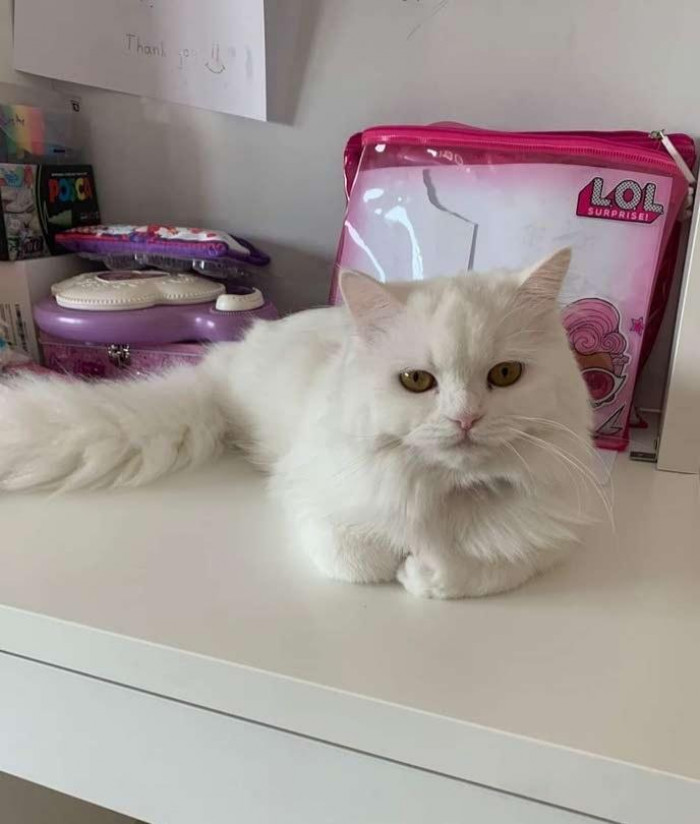
Here's a picture of the lovely feline.
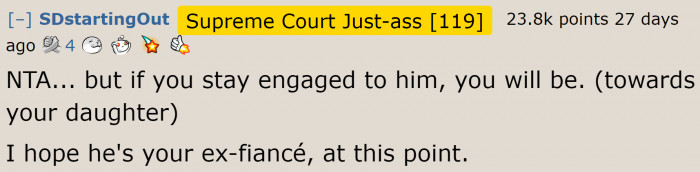
A lot of people agree with this user.
The dynamics of blended families often introduce complex layers of emotional challenges. The woman’s distress over her cat being discarded reflects a potential threat not just to her pet but also to her daughter’s sense of stability and emotional security. This underscores the importance for stepparents to be sensitive to the existing bonds children have with their pets, as these relationships can provide comfort during times of familial transition.
If she continues this relationship, it will probably worsen.
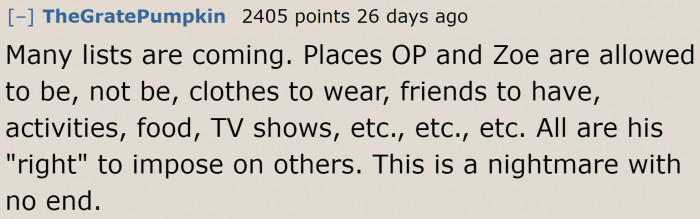
Some redditors believe that his behavior is a red flag already.
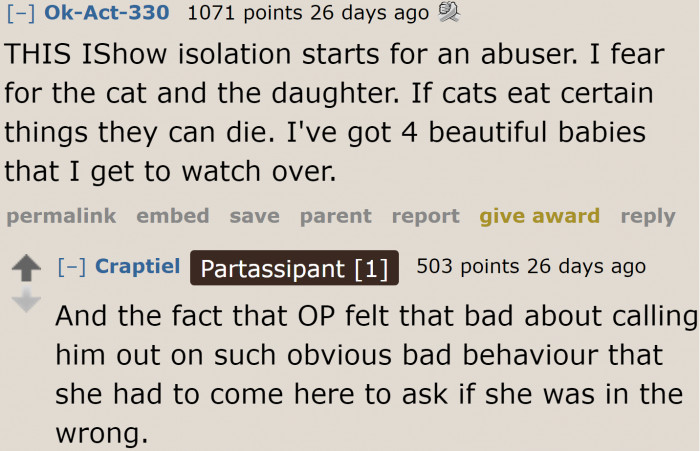
She needs to realize that protecting her family should be her priority.
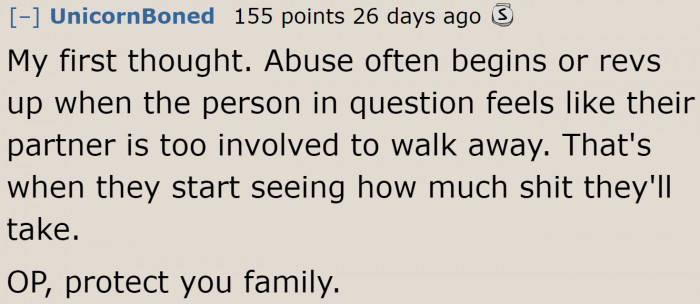
Effective conflict resolution strategies are crucial in maintaining healthy relationships, especially when disagreements arise over significant issues like pets.
Moreover, utilizing 'I' statements can significantly improve communication. For example, instead of saying, 'You threw away the cat,' she might say, 'I felt hurt when I saw the cat was removed.' This shift encourages a more constructive dialogue and reduces defensiveness, paving the way for understanding and reconciliation.
It’s the same kind of meltdown as the man who went ballistic after his girlfriend gave away the cat he brought home.
The man targeted someone he can control—the original poster's daughter.
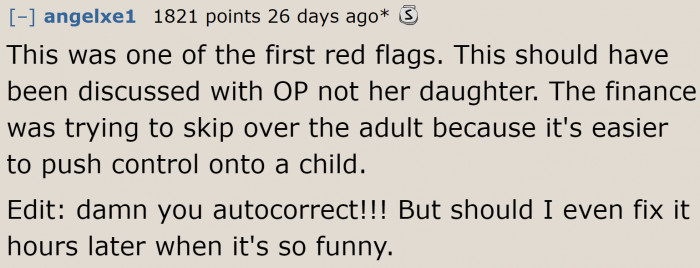
She should've packed his things and thrown them out of their home.
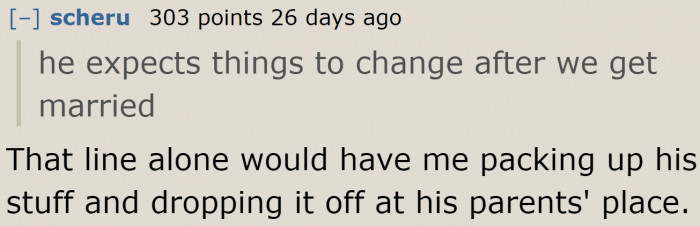
She needs to run away from this man.
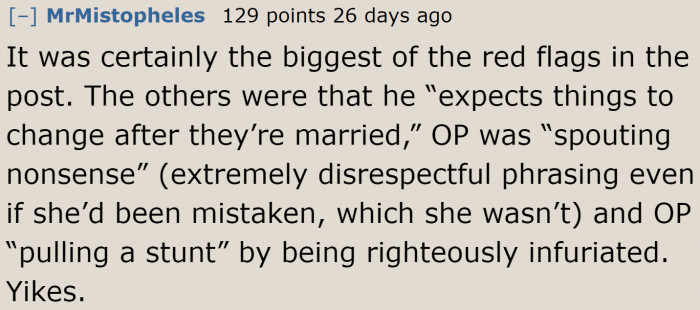
The redditors see too many red flags and are afraid that if she continues the relationship further, it will be hell for the original poster and her family.
We hope she does what she needs to do to protect the ones who truly matter, her daughter and their cat.
It's a good thing he showed his true colors before it's too late.
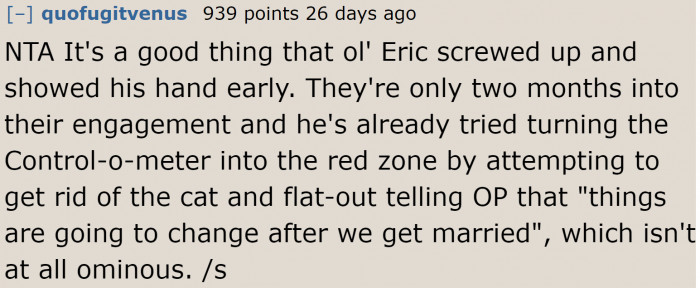
Kicking him out of their lives is for the best.
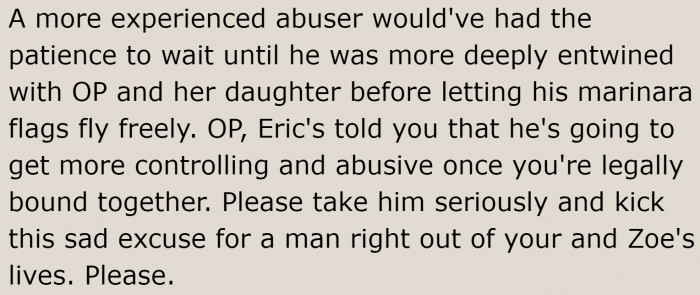
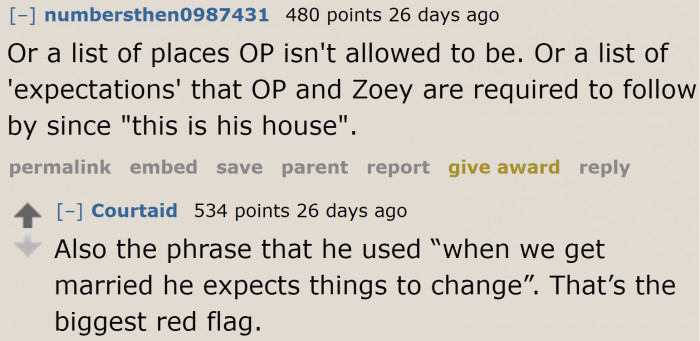
And those lists will only get more unreasonable over time.
Stress can dramatically influence decision-making abilities, often leading to impulsive reactions rather than thoughtful responses. In moments of emotional upheaval, such as the one described in the article, individuals may react in ways they later regret, as their brains prioritize immediate emotional responses over logical reasoning.
To mitigate this, individuals can practice mindfulness techniques to lower stress levels and enhance emotional regulation. Simple practices such as deep breathing or guided meditation can help individuals remain calm in high-pressure situations, enabling them to respond more thoughtfully rather than reacting impulsively.
Redditor summarizes the reasons why she needs to dump this guy.
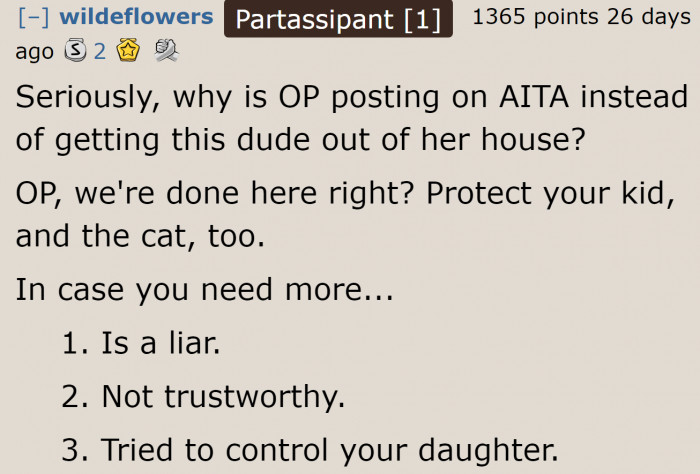
Thank goodness they're not yet married.
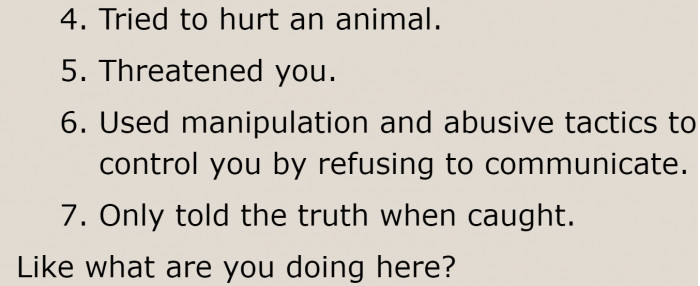
Who knows what kind of lies he might make up in the future if this continues.
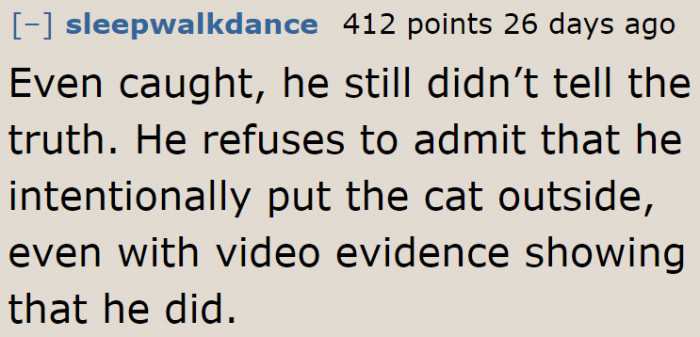
Pets often provide emotional support that is crucial for mental well-being, acting as companions that can alleviate feelings of loneliness and anxiety. In the context of family relationships, acknowledging the emotional significance of pets can help partners understand each other's attachments and the reactions that arise from perceived threats to those bonds.
Encouraging discussions about the role of pets in family life can foster a deeper appreciation for their importance. Couples may find it beneficial to establish a shared understanding of how to treat family pets with care and respect, reinforcing the emotional bonds that pets help create.
So true.
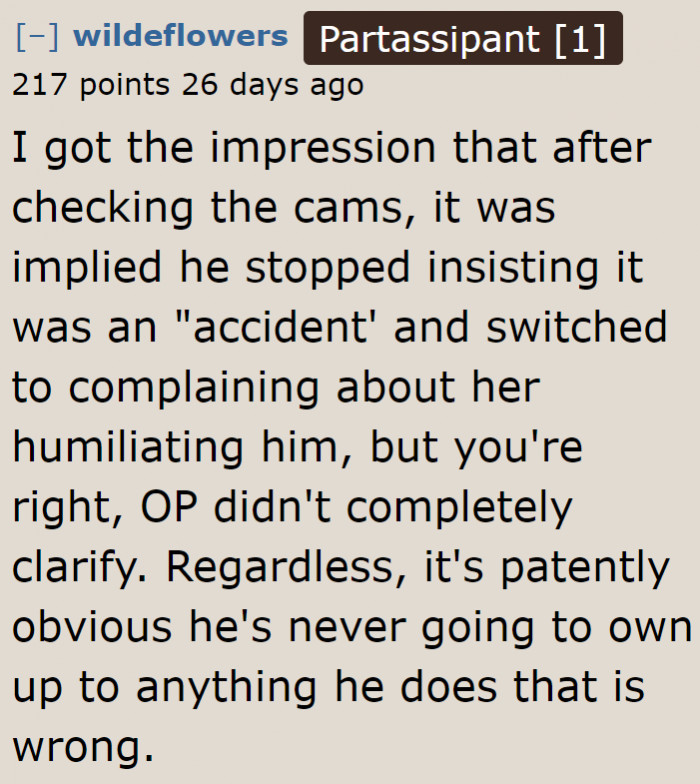
Once she makes him part of their lives and things go wrong, it will always be their fault.
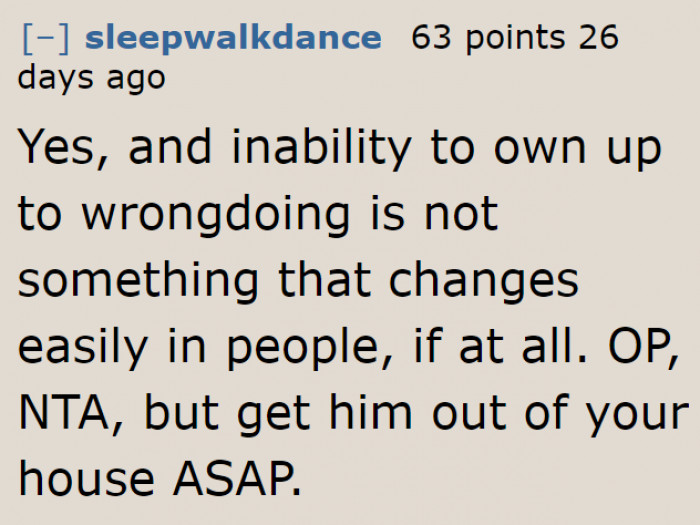
Run away while she still has the means to.
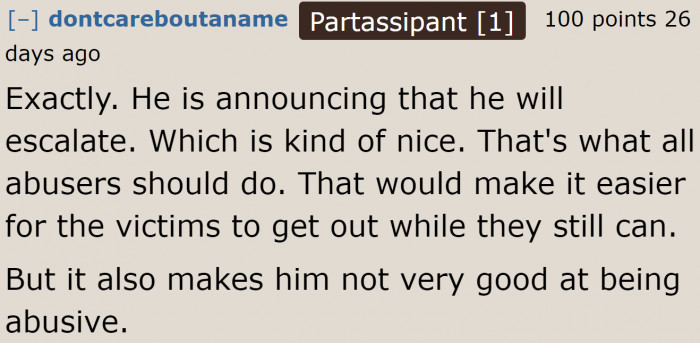
The complexity of human-animal relationships is often underestimated, especially in the context of family dynamics.
It's the cat who deserves to give him a list of where he isn't allowed.
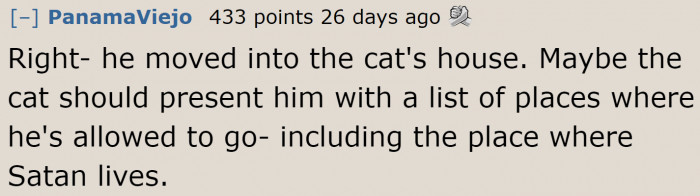
He isn't stopping with those unreasonable demands. The original poster needs to end things with the guy ASAP.
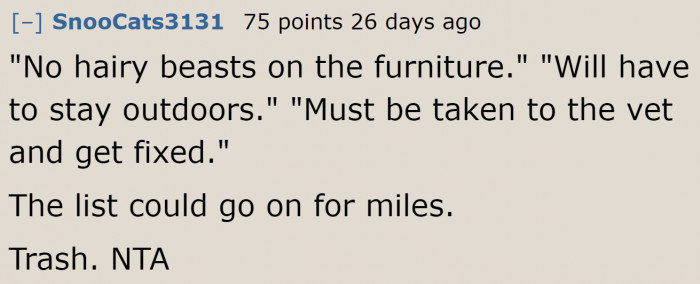
If it were other people, they wouldn't just blow up at him.
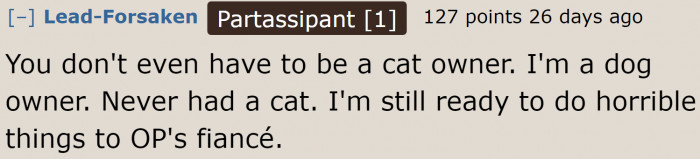
In other words, he isn't worth it.

Don't marry a control freak. Period.
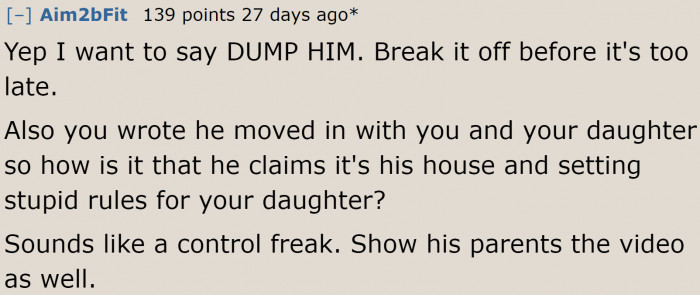
The redditors see too many red flags and are afraid that if she continues the relationship further, it will be hell for the original poster and her family.
We hope she does what she needs to do to protect the ones who truly matter, her daughter and their cat.
This situation highlights the intricate dynamics of human relationships, especially when pets are part of the equation.
Want the full blowup? See the AITA woman confronting her fiancé’s family after he put her daughter’s cat outside.
Share this article: