Wild Meerkats Have a Surprisingly Funny Way of Welcoming Visitors

Some wildlife encounters feel like a silent movie, all careful steps and perfect timing. This one is more like a chaotic comedy in the Kalahari, where wild meerkats treat visitors like they’re old friends and then immediately start acting like they run the place.
Anette, the photographer whose work has racked up more than 28 international awards, didn’t rush in for the shot. Instead, she spent hours doing the hardest part of the job: watching, waiting, and letting the meerkats decide when “Oh, Hello, How Are You?” turns into something closer to “Dinner Dash!”
By the time the “Double Trouble” energy kicks in, you realize the real secret is the trust, and the meerkats are doing the welcoming for her.
"Warm Up!"
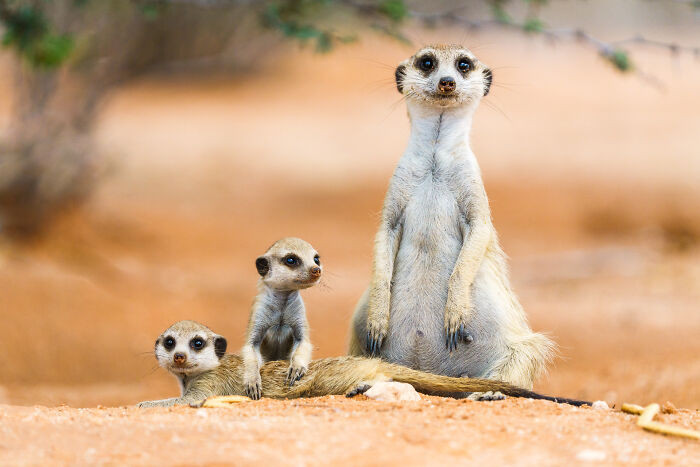
"Oh, Hello, How Are You?"
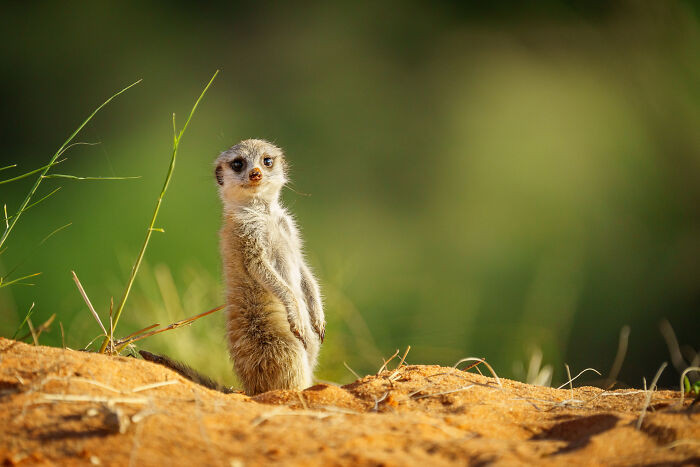
Anette is a professional wildlife and landscape photographer known for her African Big Five photography, polar bear portraits, Arctic marine mammals, and endangered African wildlife. Her love for nature began in childhood, as she followed her father through forests in search of animals and birds.
Today, she travels through deserts, jungles, coastlines, and the Arctic to capture wildlife in its natural habitat. Her work has won more than 28 international photography awards and has been featured by National Geographic, Forbes, and BBC Wildlife. Based between Southern Africa and Switzerland, she also leads private wildlife photography safaris worldwide.
"Dinner Dash!"
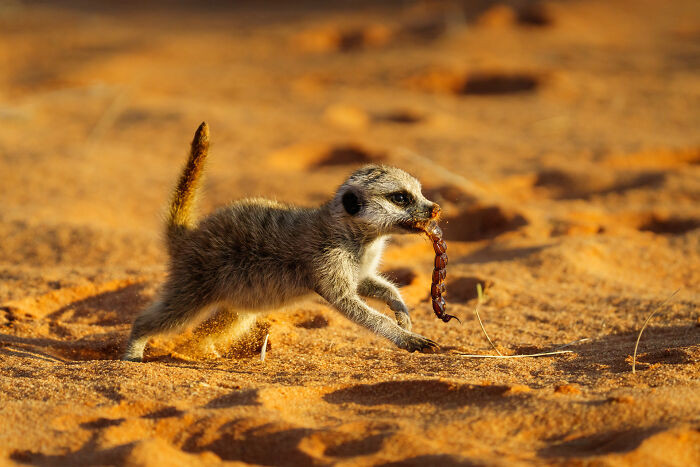
The Art of Trust-Building
This wildlife photographer's experience with the meerkats highlights an important lesson in patience and trust. Spending hours just observing before attempting to engage shows a deep understanding of animal behavior. It's not about rushing in with flashy gear; it's about earning their trust in a gentle way. That kind of respect for the creatures you're documenting is refreshing and, frankly, rare in wildlife photography.
In an age where quick clicks and viral moments often overshadow genuine interactions, this photographer's approach stands out. It’s almost a reminder that the best encounters often require time and respect, elements that we could all benefit from in our daily lives.
"Double Trouble!"
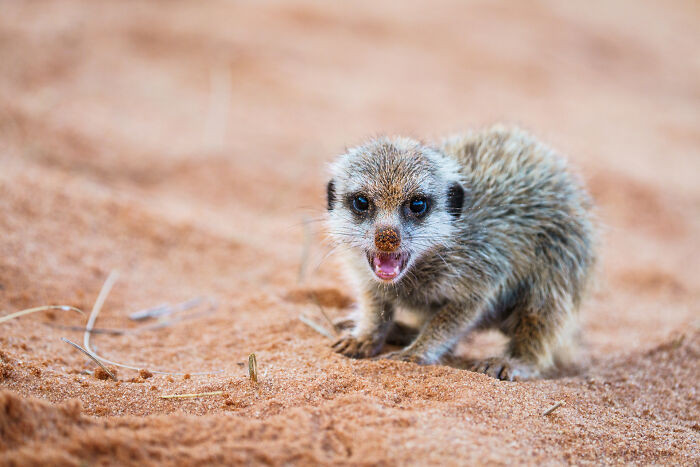
"Angry Pup"
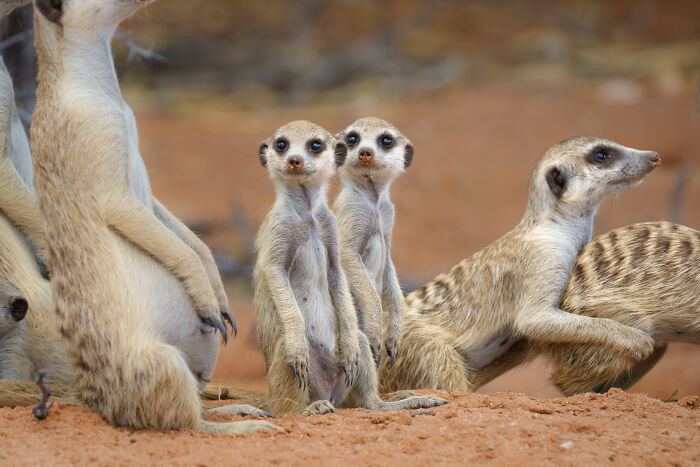
"Double The Vigilance!"
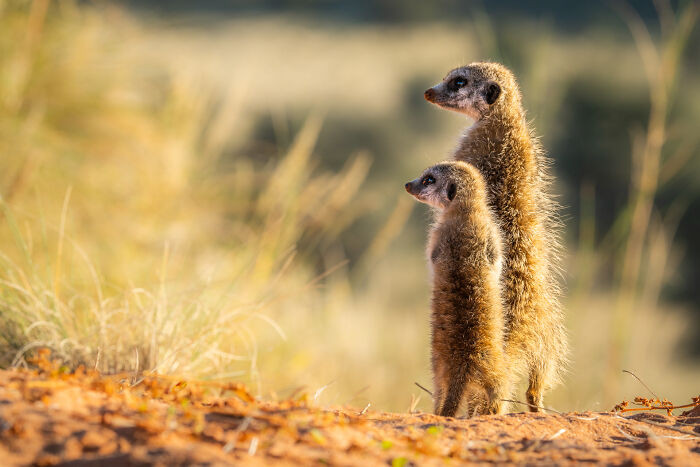
Right when Anette’s careful patience starts paying off, the meerkats pop up like tiny greeters and the whole scene turns from tense to hilarious.
Why Humor Matters in Nature
One of the most delightful revelations from this article is how the meerkats' antics provide a much-needed dose of humor. These little creatures have this uncanny ability to lighten the mood, which resonates with readers who may be feeling overwhelmed by the world’s more serious issues. The juxtaposition of their playful behavior against the harsh backdrop of the Kalahari Desert adds a layer of charm and relatability.
Humor in nature can be a powerful tool for engagement. It invites us to connect emotionally, which is crucial in conservation discussions. When people laugh, they’re more likely to care about protecting those very creatures that brought them joy.
"Welcome To Our Clan!"
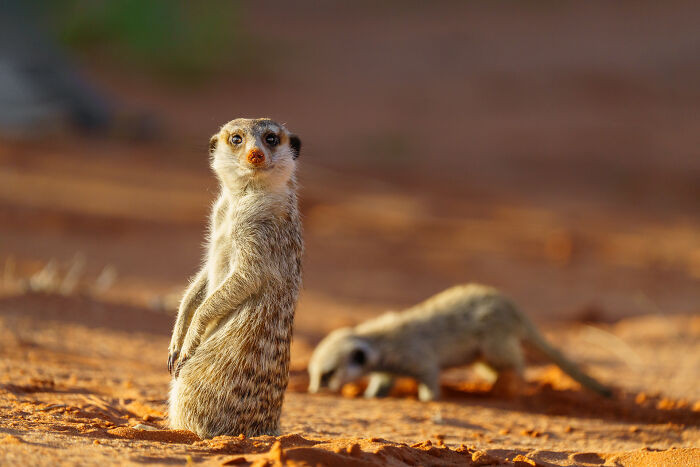
"Curious, But Accepted"
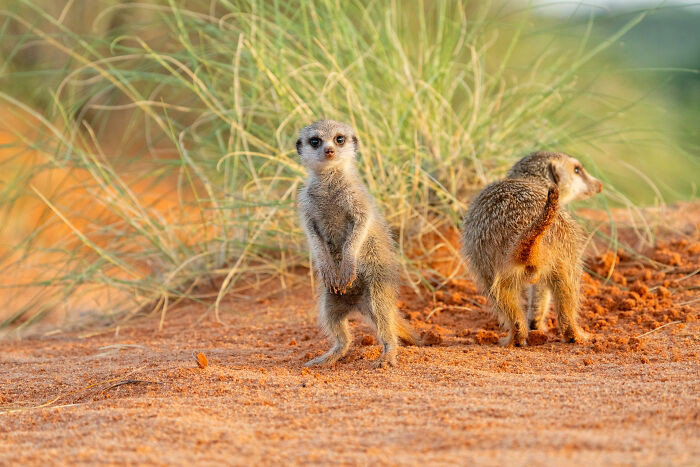
"Even Meerkats Need A Break!"
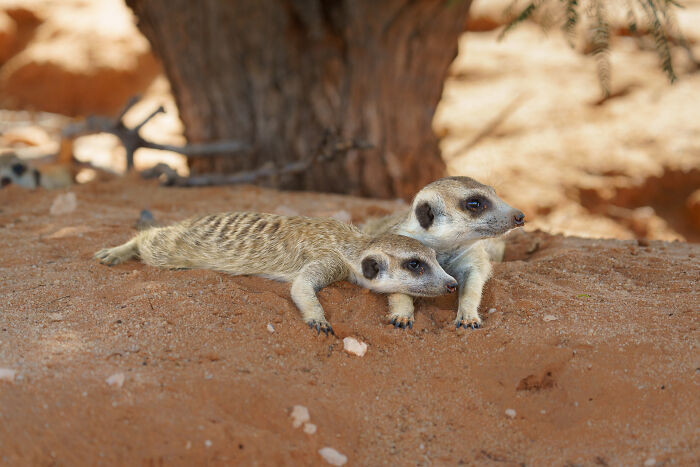
The Kalahari's Harsh Reality
While the article captures the meerkats' playful nature, it’s essential to remember the Kalahari Desert isn’t just a picturesque backdrop. The environment presents real challenges for these animals, including food scarcity and predators. This contrast between their lighthearted behavior and the harsh conditions they face adds complexity to their story.
It raises questions about survival and adaptation. How do these adorable creatures navigate such a tough landscape while maintaining their spirited demeanor? This duality is what makes their story not just entertaining but also a poignant reminder of nature's resilience.
"The Seeker"
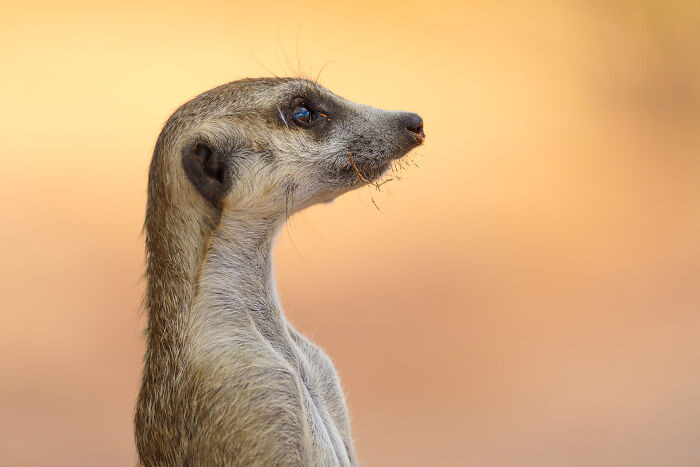
"Baby Meerkat"
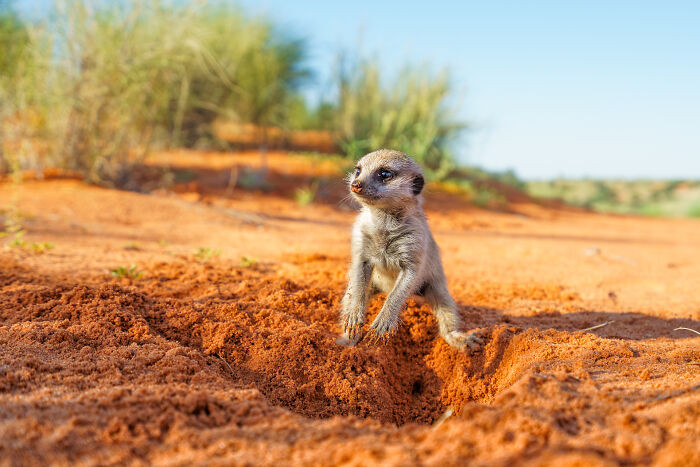
"Someday I Can Fly!"
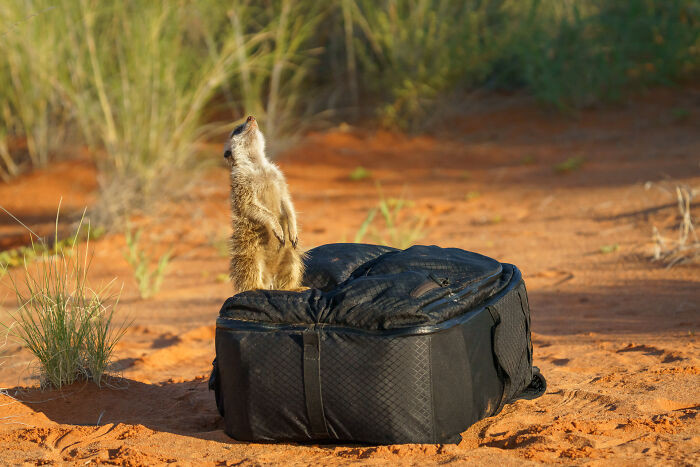
Then the “Angry Pup” moment hits, and suddenly her waiting strategy matters even more, because the animals are watching her back.
A Lesson in Observation
This photographer's dedication to observing meerkats before interacting with them speaks volumes about the importance of understanding animal behavior. It’s fascinating to think about how many people might rush in, expecting immediate results without taking the time to truly see what’s happening in front of them.
In wildlife photography, observation can mean the difference between a snapshot and a story. This approach not only enriches the photographer’s experience but also allows for a deeper connection with the subject. Readers might find themselves reflecting on their own lives—how often do we observe before we act?
"What's That Over There?"
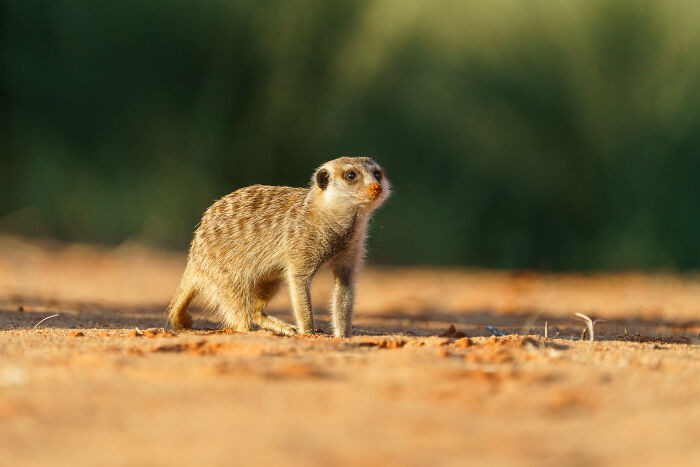
"Did You Find A Bug?"
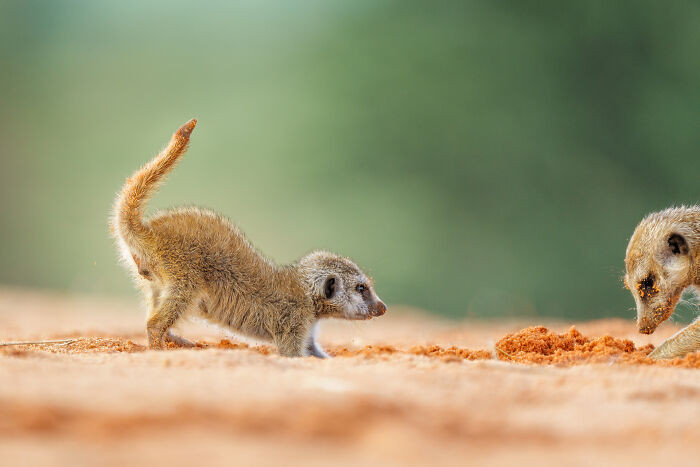
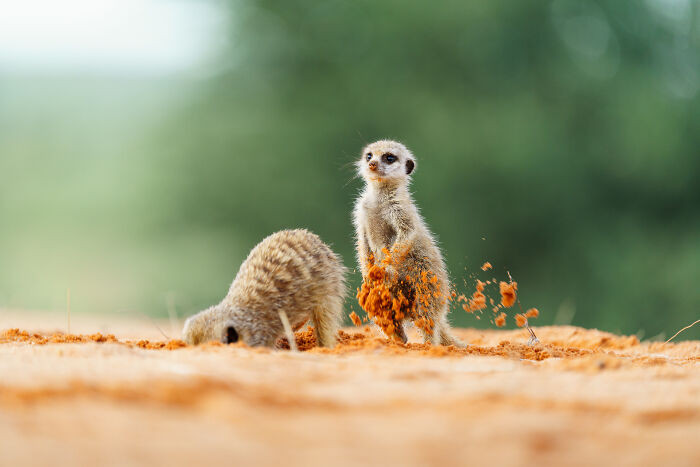
"When Meerkats Dig, The Kalahari Sand Flies!"
Community Reactions
The article has sparked a delightful sense of community among wildlife enthusiasts, with many sharing their own stories of remarkable animal encounters. The comments section is buzzing with anecdotes that mirror the photographer's experience, showing how universal the theme of connection with nature is.
However, there’s also a divide; some readers argue that interactions with wild animals should be minimized to avoid stressing them. This tension between appreciating wildlife and respecting their space is a crucial conversation in conservation circles. It's interesting to see how this story invites varied perspectives on the ethics of wildlife photography.
While these meerkats “greet” visitors, this also matches nature that can’t be rushed.
"Did You Hear That?"
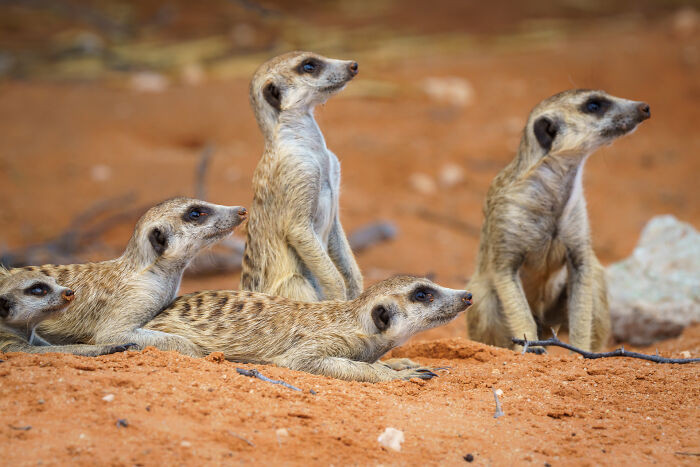
"Caught In The Act?"
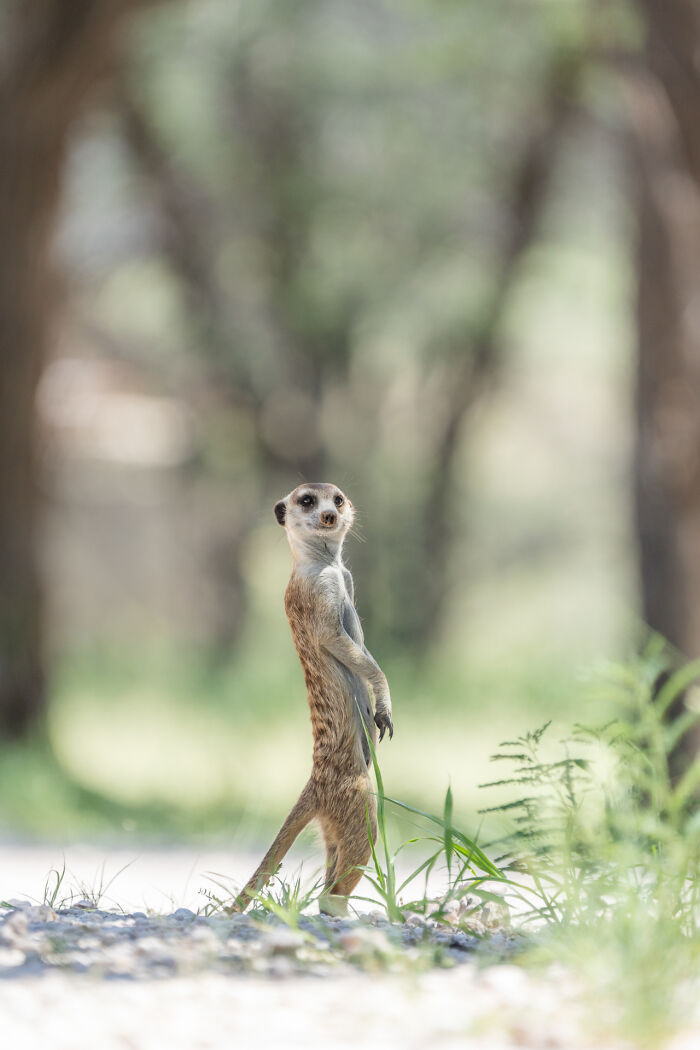
"The Calm In The Chaos"
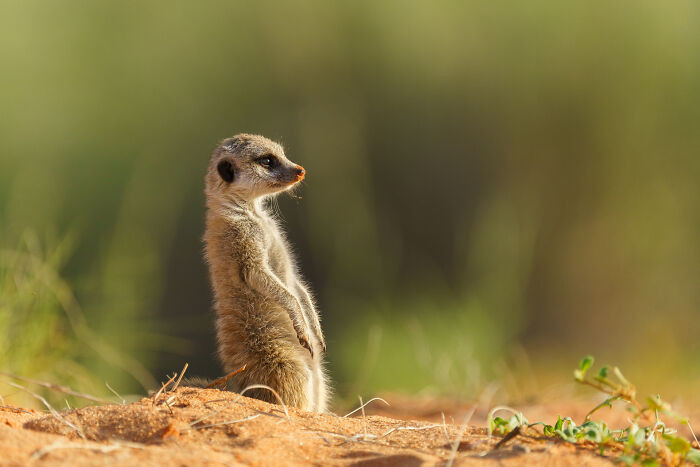
In a world dominated by smartphones and instant sharing, this photographer's experience highlights a counter-narrative. Instead of relying solely on technology, they chose to engage in a more traditional form of observation. This raises the question: is technology enriching our experiences or detracting from them?
While it’s tempting to document every moment for social media, the photographer’s choice to simply sit and watch underscores the value of being present. It serves as a reminder that sometimes, the best stories come from just being in the moment rather than capturing it all on camera.
"Snack Time Or Daredevil Moment?"
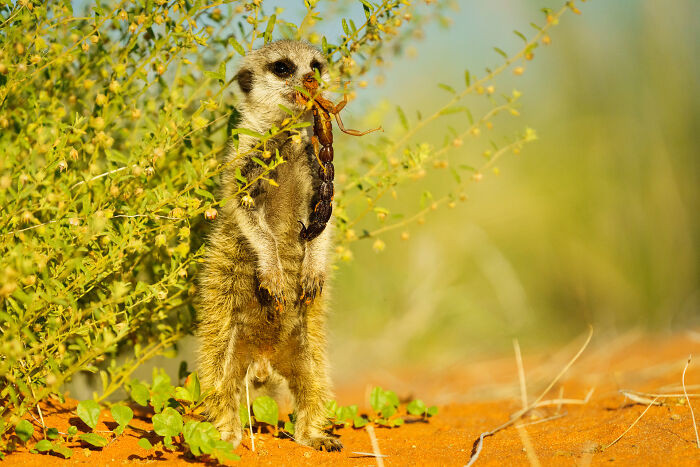
"Dreamy Meerkat, Or The Dune View"
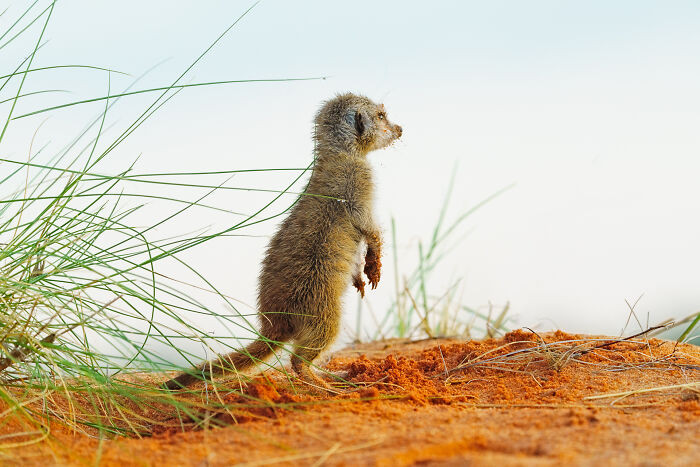
"Safety In Numbers!"
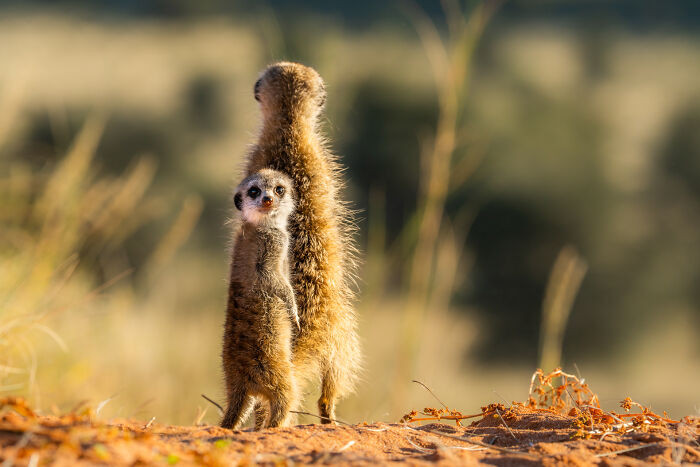
As “Double The Vigilance!” kicks in, you can practically see the shift from cautious distance to full-on acceptance, one stare at a time.
Cultural Significance of Meerkats
Meerkats have captured global attention—not just for their cuteness but also for their social structure.
"Yeah, I’m Coming, Mom!"
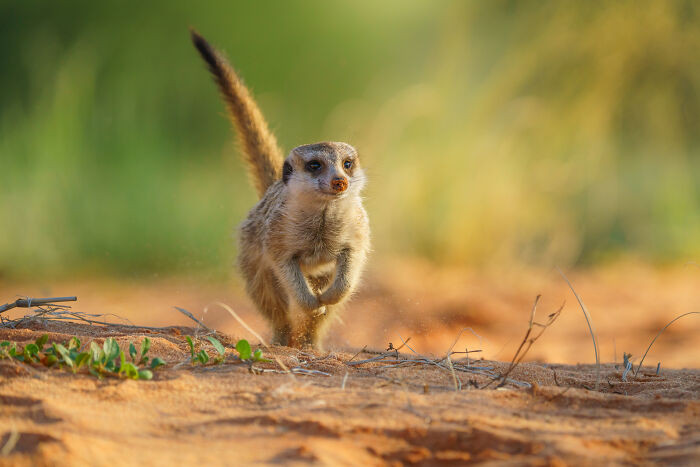
"What Are You Looking At?"
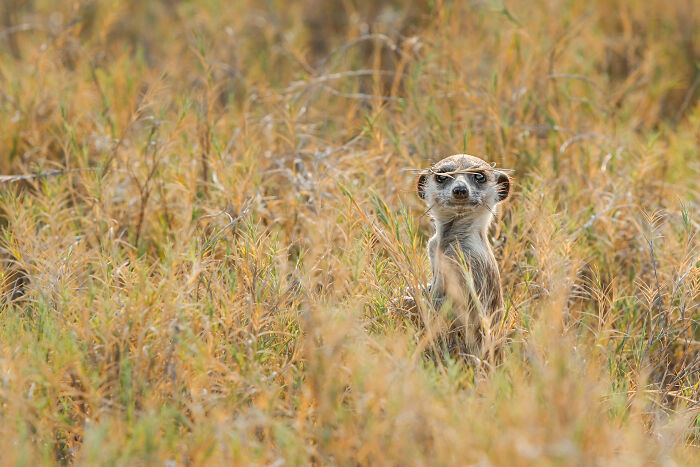
"I Just Saw... Nah, All Clear!"
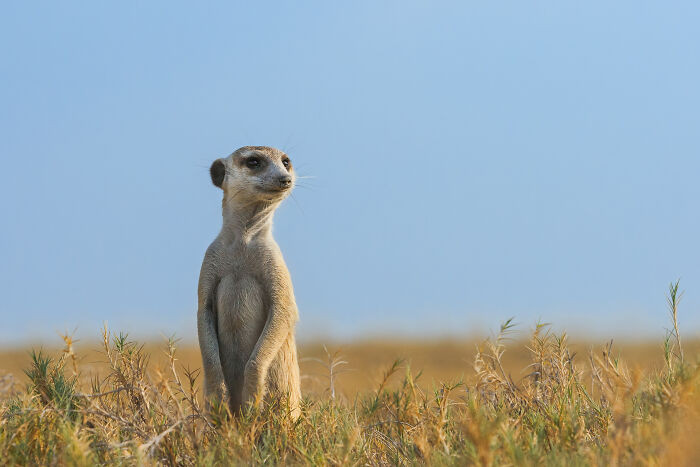
The Ethics of Wildlife Photography
As much as this encounter is heartwarming, it brings to the forefront the ethical considerations surrounding wildlife photography. How do we ensure that our desire to capture stunning images doesn’t compromise the well-being of the animals? The photographer’s method of slowly building trust is commendable, but not all photographers operate with the same level of respect.
This conversation is crucial in an industry where the line between art and exploitation can be thin. It incites a discussion among readers about the responsibilities we have when we choose to document wildlife.
"Who, Me?"
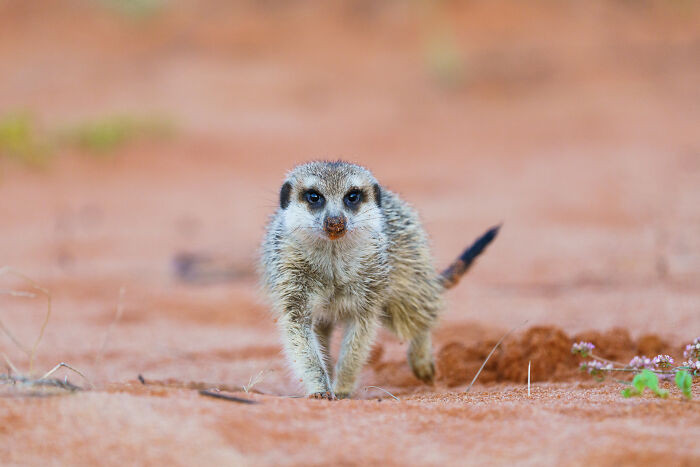
"A Meerkat Family Affair!"
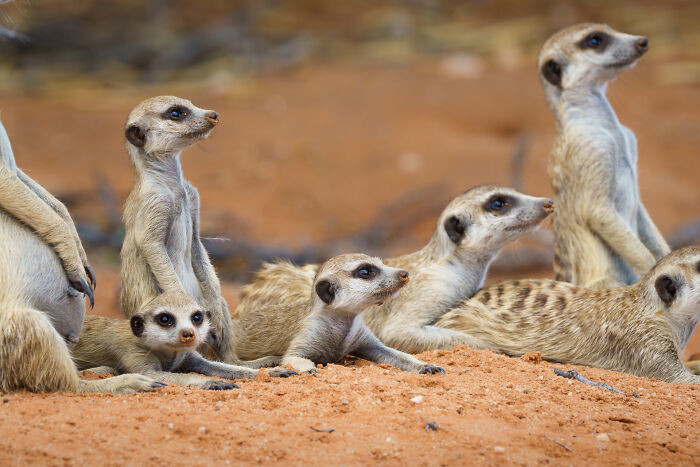
"This Meerkat Is Clearly On A Mission!"
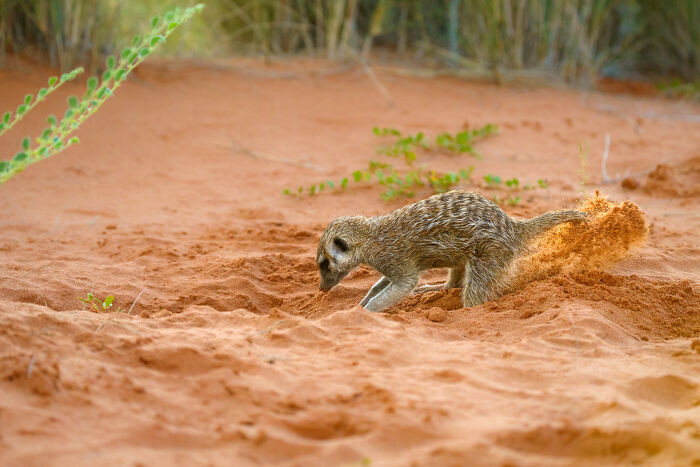
And when the humor finally lands against that harsh Kalahari backdrop, the “Dinner Dash!” energy makes the entire encounter feel like a story you can’t stop replaying.
What Makes Meerkats Unique
Meerkats are often overshadowed by larger African wildlife, but the article illustrates just how unique they are. Their social interactions, playful demeanor, and adaptability make them fascinating subjects. Readers might find themselves reflecting on what makes these small mammals so captivating, despite their size.
This curiosity can lead to greater interest in lesser-known species, broadening our appreciation for biodiversity. When stories like this shine a light on the quirks of such animals, they can inspire a deeper understanding of and commitment to conservation efforts.
"Alright, Everyone, Look Busy!"
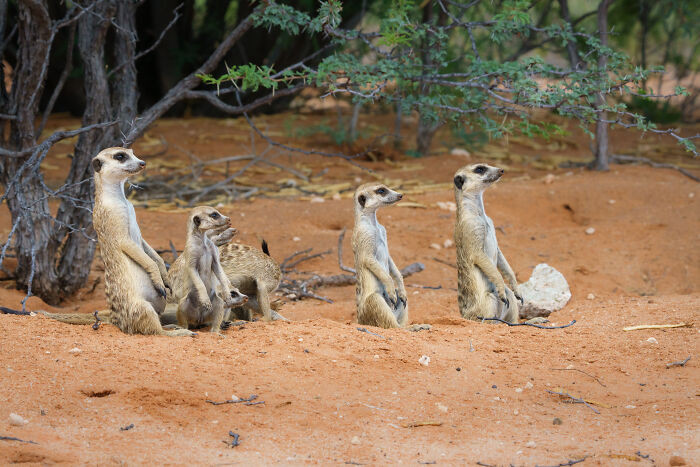
"Is It Nap Time Yet?"
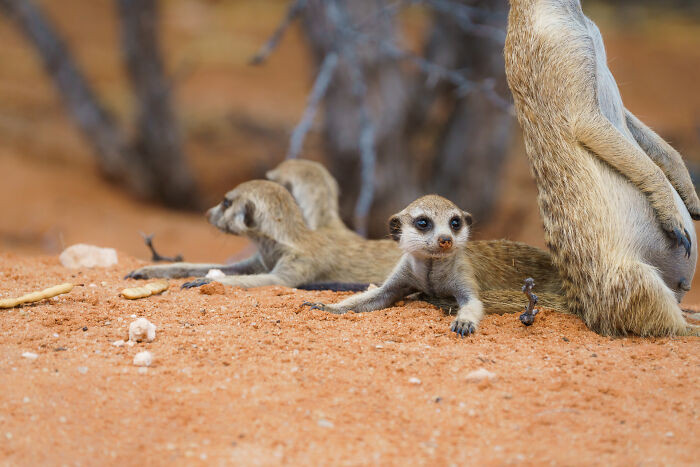
"Bathed In Golden Light"
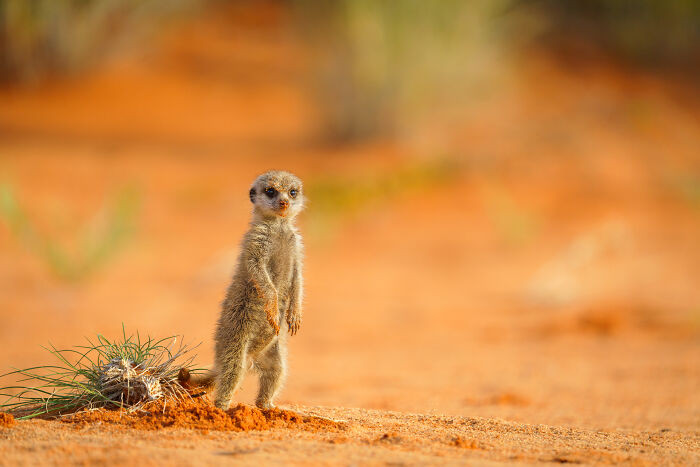
Finding Joy in the Unexpected
Ultimately, this story is a delightful reminder of the joy that can come from unexpected encounters. The photographer’s experience with the meerkats shows that sometimes the best moments in life are those we didn’t plan for. It’s a refreshing take on how spontaneity can lead to memorable experiences.
In a world that often feels chaotic, finding joy in nature can serve as an antidote to stress. This resonates with readers who may be seeking solace in the natural world, highlighting the importance of taking time to connect with our surroundings.
"On Sentry Duty"
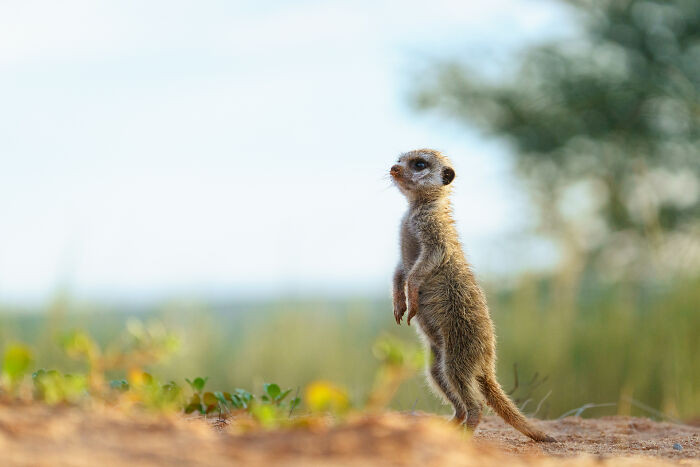
"Geez, The Little Ones Cannot Stop!"
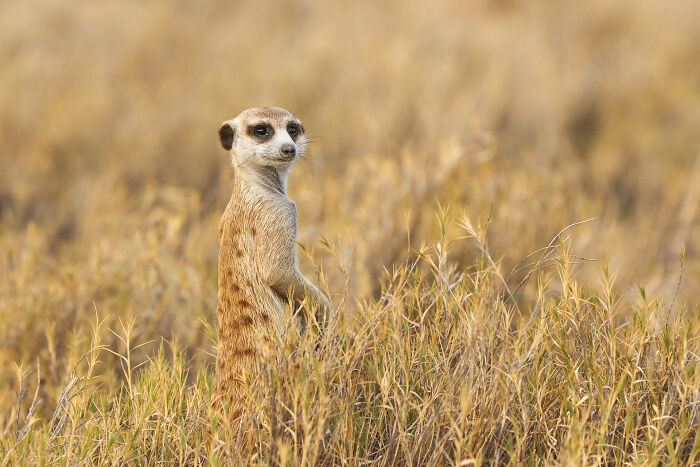
Watching meerkats in the wild reveals a side of nature that is equal parts fascinating and funny. Their intelligence, cooperation, and endless curiosity transform ordinary moments into remarkable memories.
Behind every photograph lies far more than a beautiful image. It captures a glimpse into one of Africa's most charismatic societies, where even a quiet visitor can, for a few unforgettable minutes, become part of the watch team.
Why This Story Matters
This wildlife photographer’s journey into the world of meerkats in the Kalahari serves as a beautiful reminder of the importance of patience, respect, and connection in our interactions with nature. The laughter and joy these creatures bring not only entertain us but also emphasize deeper themes of community and survival. As readers, we’re left pondering: how can we cultivate our own moments of connection in a fast-paced world? What stories do our encounters with nature tell about our own lives?
Those meerkats didn’t just welcome visitors, they auditioned them for the funniest role in the desert.
Want more tender wildlife moments, see Joe Neely’s mother-baby photos in the wild.
Share this article: