Guy Jokingly Makes The Signature On His ID Three Cat Heads, Regrets It Years Later When He Has To Sign Mortgage Papers

Some people make a signature and some people make a statement, and Brad Johnsen apparently chose the second option. When he renewed his license years ago, he jokingly signed it with three cat heads, then forgot all about it until adulthood came knocking in the form of mortgage paperwork.
That meant one silly little doodle had to survive real estate forms, legal documents, and a whole lot of laughter from everyone around him. The result is a very relatable reminder that bad decisions can sit quietly for years before suddenly becoming everybody’s problem.
And yes, the cat heads came back to haunt him in the funniest way possible.
Here's the full story, told by Brad himself:
Now that's an adorable signature!
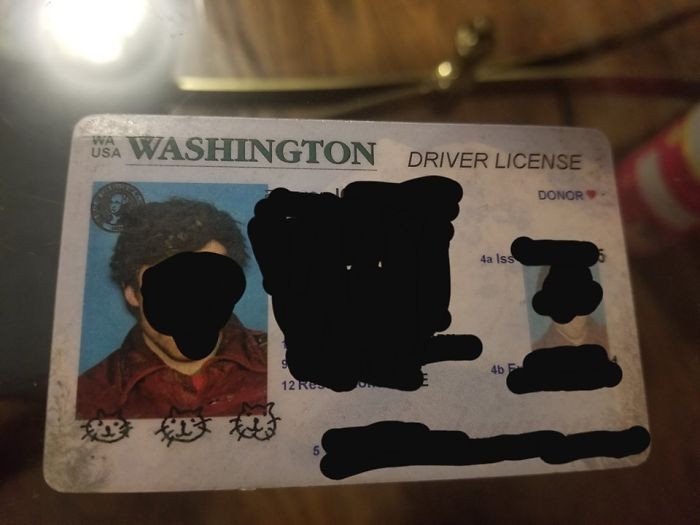
He had to sign 30 documents while his real estate agent laughed her butt off.

Choosing a quirky signature like three cat heads may seem playful, but it can also reflect deeper aspects of one's identity and self-expression. The choices we make, whether in art, writing, or even signatures, are often extensions of our personality and can influence how we are perceived by others.
This choice might indicate a desire for uniqueness or a playful attitude toward life, which can affect how one navigates social interactions and personal relationships. Such expressions of individuality can serve as forms of self-affirmation, reinforcing one's self-concept in the broader context of social identity.
That signature aged a lot better on a license than it did on mortgage paperwork.
Here's what people commented on his story:
Homeowner literally has 'meow' in it, but no one ever noticed it.

However, these playful decisions can also lead to unintended consequences, as evidenced by the regret felt years later when faced with more serious obligations, such as signing mortgage papers. This reflects the broader psychological concept of cognitive dissonance, where individuals experience discomfort when their actions or choices conflict with their current self-image or life circumstances.
Research shows that resolving cognitive dissonance often requires a reassessment of values or priorities, which can lead to personal growth and increased self-awareness. By understanding the reasons behind their choices, individuals can learn to navigate their identities more effectively.
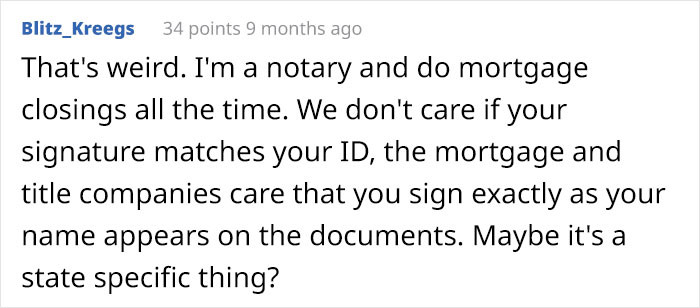
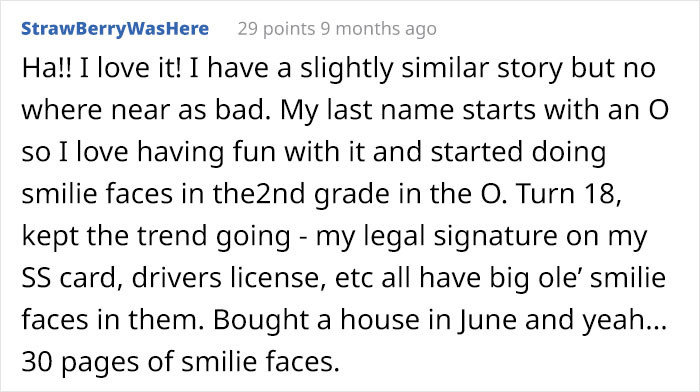
Now the joke was funny until it had to be repeated 30 times.


Moreover, this situation underscores the importance of foresight in decision-making. Behavioral economists emphasize that considering long-term consequences before making choices can help mitigate regret and enhance satisfaction with one's decisions. Techniques like mental simulations, imagining potential outcomes, can assist individuals in evaluating the impact of their decisions on their future selves.
Practicing this foresight can empower individuals to align their choices with their values and aspirations, ultimately leading to greater fulfillment and less regret.
It’s hard not to think of the “literal pissing match” between a man and his girlfriend’s cat.
He definitely did not picture mortgage day when he drew those cat heads.


Additionally, it's worth noting that our signature or personal symbols can often serve as anchors for our self-identity. The way we present ourselves to the world, even through something as simple as a signature, can influence how we perceive ourselves and how others perceive us.
Encouraging self-reflection about the symbols we choose to represent ourselves can provide insights into our motivations and desires, ultimately fostering a healthier self-image.
At least the signature was memorable, even if it was a terrible long-term plan.

Lastly, this playful signature choice also highlights the balance between individuality and social norms.
The whimsical decision to sign with three cat heads encapsulates a profound commentary on the complexities of identity and self-expression. Initially, this playful signature may seem like a lighthearted attempt at individuality, but the ensuing regret when faced with serious commitments, such as signing mortgage papers, reveals the tension between personal flair and societal expectations. This scenario underscores the importance of understanding how our choices reflect our identities and how they resonate within the frameworks of adult responsibilities. Embracing unique expressions while remaining mindful of their implications can lead to a more fulfilling navigation of life’s milestones, ultimately enriching both personal experiences and broader community interactions.
For another pet-name power struggle, read how a rescued cat’s funny name upset a stepdaughter.
Share this article: