Silver Maine Coon: Silver Tabby, Shaded, and Smoke Differences Explained

A 28-year-old woman didn’t think a cat color could be a whole mystery, until her search for “silver Maine Coon” kept turning into a spelling bee of tabby, shaded, and smoke-like confusion. Every time she found a listing that looked right, the wording shifted, and the photos never matched the same shade two clicks in a row.
Here’s what makes it messy: “silver” is only the first half of the description, because the coat is built from layered genetics. A silver tabby can show crisp dark markings over a pale ground, while a silver shaded cat looks almost luminous, with softer tipping that cameras capture differently depending on the light. Even the name “black silver tabby” sounds wrong until you realize it’s describing dark pigment over a silver background, not a solid paint-job split down the middle.
By the time she compared tabby swirls to mackerel stripes and watched one cat’s look change in Pupperish’s story, the real question was, which “silver” did she actually fall in love with?
What is a silver Maine Coon?
Silver reduces warm color in the background of the coat, leaving a pale, cool base while darker pigment remains in the markings or hair tips.
A silver tabby therefore has visible dark tabby markings over a pale silver ground. A shaded silver cat has much lighter tipping and a softer overall look.
The CFA Maine Coon standard recognizes silver tabbies, silver patched tabbies, blue-silver combinations, and related silver classes.
That is why “silver Maine Coon” is often only the first half of the full description.

That’s when the woman realized her “silver Maine Coon” searches were skipping the part where tabby class and silver effect actually combine.
Silver tabby Maine Coon
This is one of the easiest silver coats to recognize.
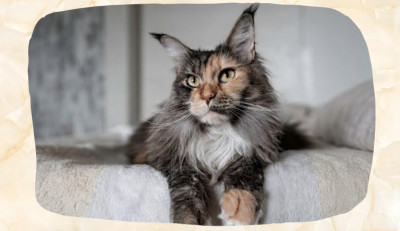
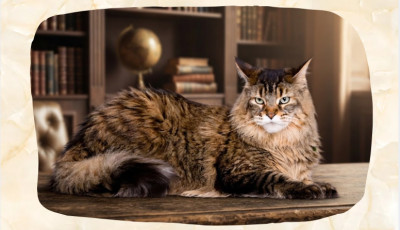
The cat has a pale silver ground with darker tabby markings. Classic tabbies show broad swirls. Mackerel tabbies show narrower stripes. Ticked patterns look finer and less strongly striped across the body.
On a Maine Coon, the long fur can soften those marks around the flanks while keeping them crisp on the forehead, legs, and tail.
The result can look almost metallic in bright daylight.
Black silver tabby Maine Coon
“Black silver tabby” sounds contradictory until the naming system clicks.
Black refers to the dark pigment in the tabby markings. Silver describes the pale background created by the silver effect. The cat is not solid black and silver in equal blocks.
This is a common reason searchers end up on broad color guides. The names describe layers of genetics rather than paint swatches.
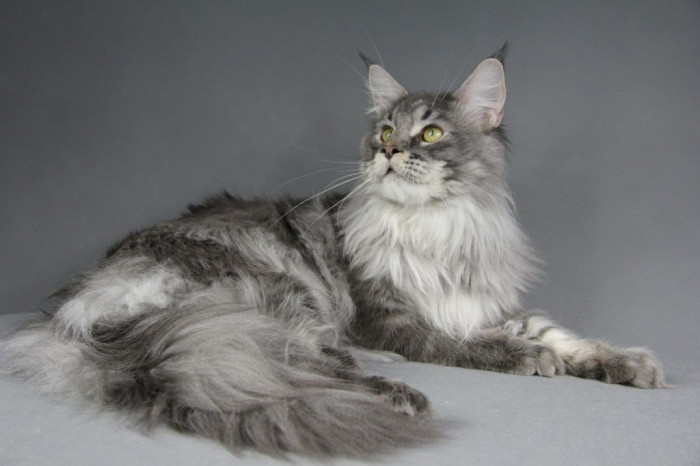
Next came the listings, where a classic silver tabby’s broad swirls looked almost metallic in daylight, but faded into something softer indoors.
Silver shaded Maine Coon
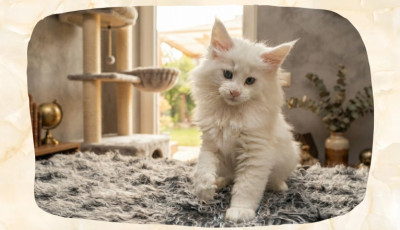
Shaded silver cats have much less dark pigment on each hair than a strongly marked silver tabby. The body can look pale and luminous, with darker tipping concentrated around the back, head, and tail.
The transition is soft.
A shaded silver Maine Coon may look nearly white in one photograph and distinctly gray in another. Lighting changes how much tipping the camera captures.
Pupperish’s story about a cat whose fur changed visibly over time is a different genetic situation, but it illustrates how easily readers can interpret a changing appearance as a changing underlying color.
It’s like black smoke Maine Coons that look solid until they move, revealing that pale silver undercoat.
Silver vs gray Maine Coon
Gray is a visual description. Silver is a more specific coat effect.
A solid blue Maine Coon may look gray but should not have the same silver-tabby pattern or pale silver background. A black smoke cat can also look gray when the undercoat shows.
So “gray Maine Coon” can describe several technically different coats. “Silver Maine Coon” narrows the possibilities.
Check for tabby patterning first.
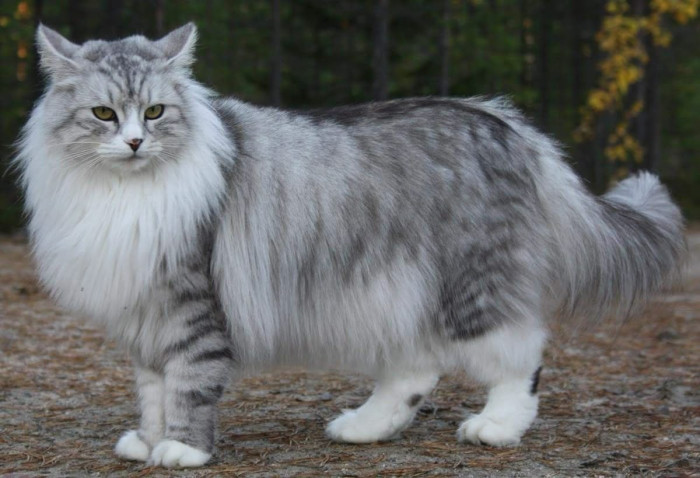
Then she hit “black silver tabby,” and the name finally made sense after she compared the dark markings to the pale silver ground, not solid blocks.
Silver vs smoke Maine Coon
This is the comparison that causes the most confusion.
A silver tabby displays a visible pattern over a silver ground. A smoke cat can look nearly solid because the darker outer coat hides the pale base until the fur moves or parts.
If you can clearly see tabby striping across the body, silver tabby is more likely than smoke.
The CFA color prefix chart lists silver tabby and smoke classes separately, which reinforces that these are distinct registry descriptions.
Can silver Maine Coons be red or blue?
Yes. Silver can combine with several base colors.
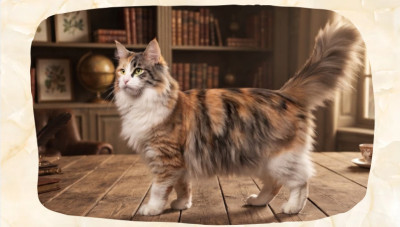
Red silver and cream silver produce warm markings over a pale background. Blue silver softens the dark markings into gray-blue. Patched tabbies can mix multiple colors with silver too.
This is where a simple article title stops being enough for a pedigree description.
The cat may be “silver” to the eye while carrying a much longer registered color name.
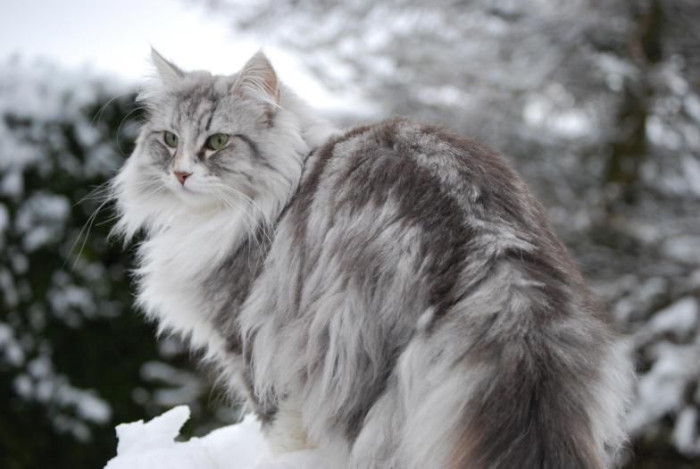
Finally, Pupperish’s story about a cat whose fur changed over time made her double-check how shaded silver can look nearly white in one photo and gray in another.
Are silver Maine Coons rare?
Silver is well established within the breed and should not automatically be presented as extremely rare.
Some exact combinations, particularly shaded or less frequently bred patterns, may be harder to find locally. That is different from having a reliable global rarity percentage.
If a breeder uses rarity to justify price, ask for the exact registered color and pedigree.
Pupperish’s rare cat-breed roundup shows why “rare” makes more sense when it is tied to a defined population rather than used as a general marketing adjective.
Does silver affect personality or care?
Not personality.
Grooming needs come from the Maine Coon coat itself, not the silver color. Regular brushing helps prevent tangles and keeps the heavy coat manageable. Pupperish’s story about a cat freed from severe matted fur is an extreme example of why coat care matters far more than preserving a perfect photographic shade.
Silver may show dirt or discoloration more obviously than a dark coat, especially on pale areas, but that does not justify constant bathing. Seasonal coat changes can also alter the amount of pale undercoat on display, making one cat look brighter in winter and darker after a heavy shed. That visual change does not mean its genetic color has changed.
The coat’s appearance is the special part.
Silver Maine Coons can range from boldly striped to almost ghostly pale. Once you separate tabby, shaded, and smoke effects, the color stops feeling confusing and starts looking like a system.
A very photogenic system.
She might not be confused anymore, but she’s definitely not shopping by color alone.
Think “gray” is one thing? Learn how Maine Coons labeled gray can be blue, silver, or smoke.
Share this article: