Maine Coon Ears: Ear Tufts, Lynx Tips, and Their Distinctive Shape

Those Maine Coon ears are basically the main character energy of the cat world, all big silhouette and dramatic fur. The moment you notice the upright shape and the extra hair at the top, you start wondering if you’re looking at a breed trait or just a fancy coat day.
It gets tricky fast, because “ear tufts” can mean two different things: the fur inside the ear that makes the whole thing look larger, and the longer hairs that pop up at the tip, usually called lynx tips. And then comes the complication, some cats show both, some show one, and the intensity changes with age, season, and even how the coat sits.
Pupperish’s ear-fur gallery makes it even messier, because it proves how wild the furnishings can look on ordinary domestic cats too.
What do Maine Coon ears look like?
Start with size and placement.
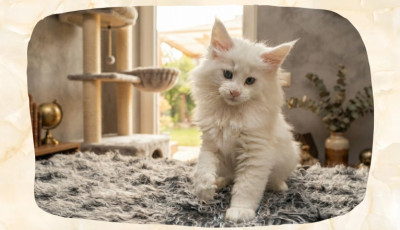
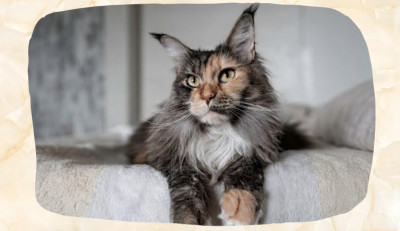
Maine Coon ears should look large in relation to the head, with a broad base and an upright profile. Fur inside the ear can extend outward in visible furnishings, while some cats have longer hairs rising from the tips.
Those top hairs are commonly called lynx tips.
The name is visual rather than taxonomic. Maine Coons are domestic cats, not part lynx, and the tuft does not signal wild-cat ancestry.
Pupperish’s cat ear-fur gallery shows how dramatic furnishings can appear across ordinary domestic cats too. The feature is memorable, not exclusive.
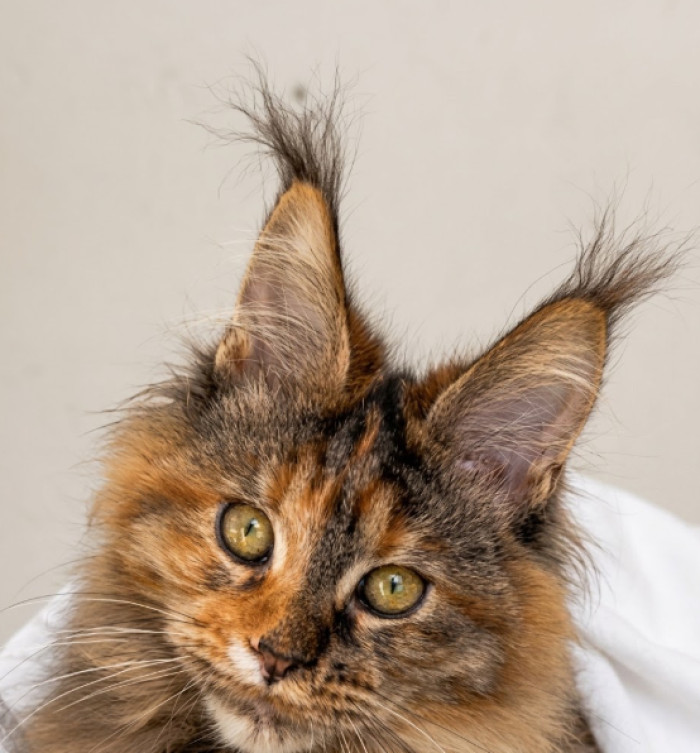
That’s why the first thing you should clock is the ear’s big, broad base and upright profile, because the shape is doing half the talking.
What are Maine Coon ear tufts?
People often use “ear tufts” for two different things.
The first is the fur growing from inside the ear, sometimes called furnishings. The second is the small brush of longer hairs at the very top, often called a lynx tip.
A Maine Coon can have both.
Long inner furnishings can make the ear look even larger and more triangular. The tip hairs then extend the outline upward, especially on kittens and heavily coated adults.
This combination contributes to the rugged appearance breeders preserve, but the amount of hair varies from cat to cat.
Do all Maine Coons have lynx tips?
Not to the same degree.
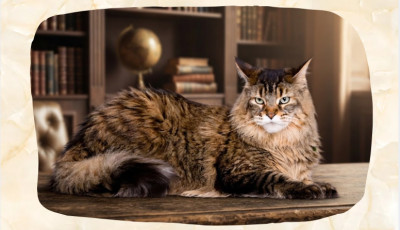
Some Maine Coons have dramatic pencil-like tips. Others have shorter, subtler tufts. Coat texture, line, grooming, season, and age can all change the effect.
That is why “no lynx tips” should not be treated as automatic evidence that a cat is not a Maine Coon.
Breed identity is based on the whole cat and, for pedigreed animals, documented ancestry.
A single tuft is weak evidence either way.
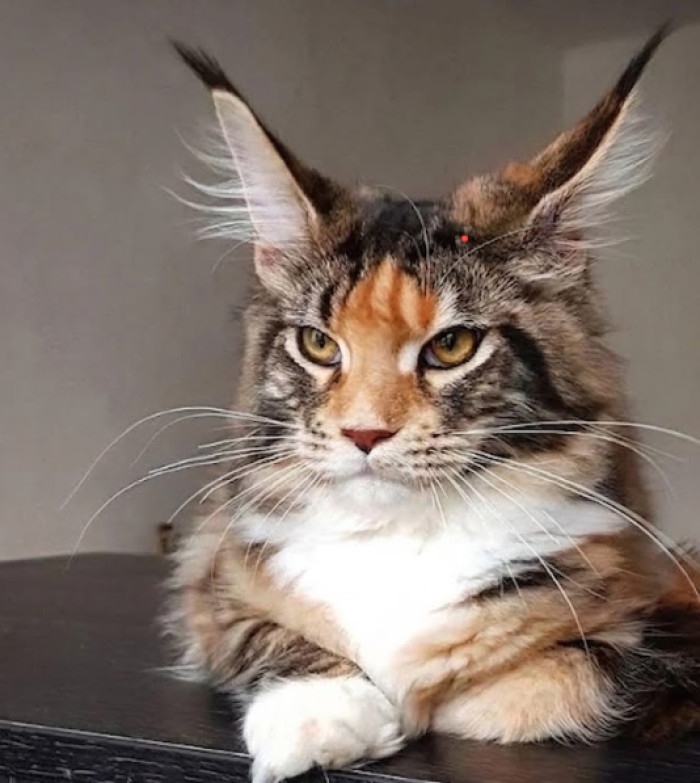
Next, the “tufts” part gets tangled when you realize people may be pointing at inner furnishings, not the tiny top brush.
Maine Coon ears vs normal cat ears
Compared with many domestic shorthairs, Maine Coon ears tend to look larger, taller, and furrier.
But “normal cat” covers an enormous population. Mixed-breed longhairs can have big ears. Some shorthaired cats have tall, pointed ears. Other breeds, including Norwegian Forest Cats, may also carry furnishings and tip hairs.
So the useful comparison is not “tufted vs not tufted.”
Look at the head around the ears too.
Maine Coons are known for a square muzzle and substantial head structure, while the ears sit within a broader set of breed characteristics. Pupperish’s story about a four-eared cat is an extreme illustration of why one unusual ear trait can dominate what a viewer notices while telling very little about the rest of the animal.
Not sure how big that frame gets? Compare your cat to Maine Coon vs normal cats, dogs, and even humans.
Do Maine Coon kittens have bigger ears?
Kittens can look especially ear-heavy because the rest of the head and body are still developing.
Maine Coons mature slowly. During adolescence, long legs, giant-looking feet, and prominent ears may all appear slightly out of proportion. As the skull, muzzle, chest, and coat develop, the same ears can look more balanced.
That awkward stage is part of the appeal.
A young Maine Coon does not need to look like a finished show adult at six months.
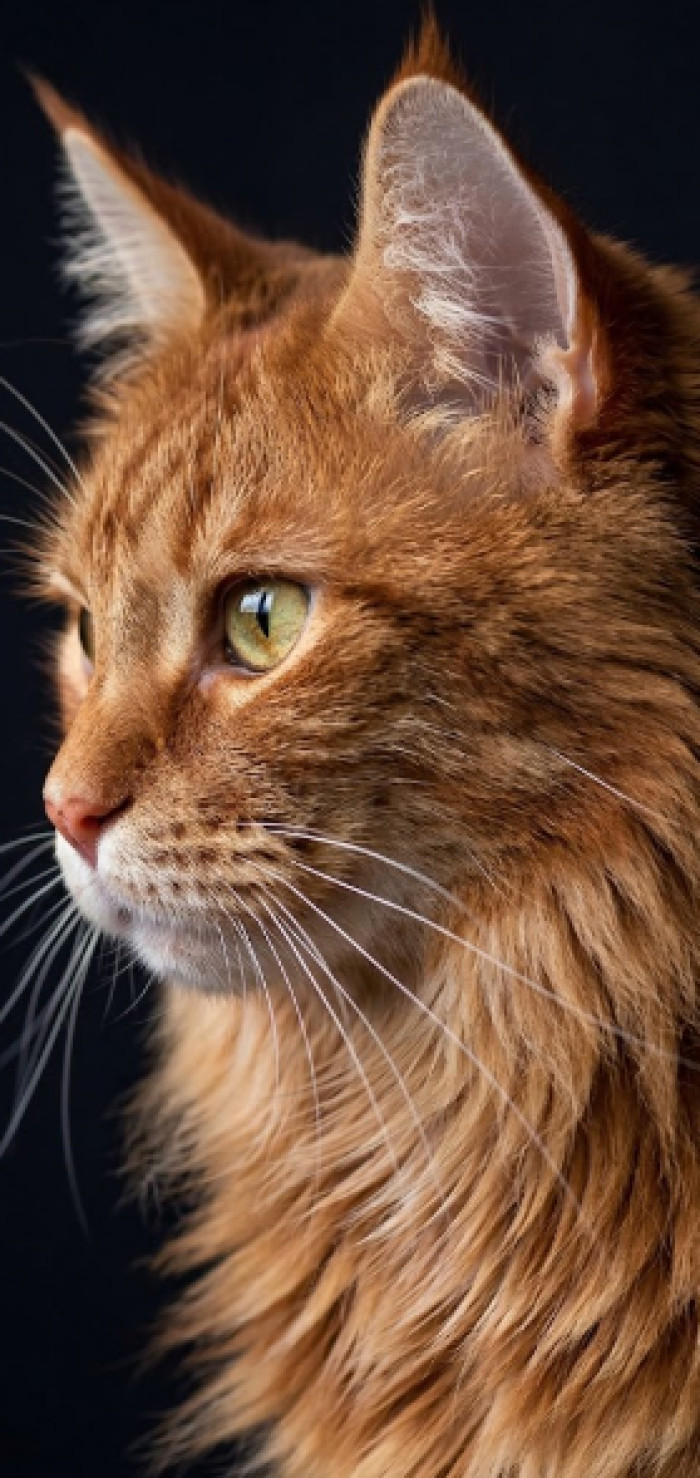
Then you hit the lynx tip question, and you see how some Maine Coons go pencil-sharp while others keep it subtle, like they’re trying not to be noticed.
Why are they called lynx tips?
Because the pointed brush resembles the ear tufts seen on lynx species.
That is where the connection ends.
Maine Coon origin stories already include enough mythology, including the biologically impossible idea that domestic cats bred with raccoons. Ear tufts have inspired a similar visual association with lynx.
Pupperish has documented an actual friendship between a domestic cat and a lynx, which makes the resemblance easy to see. Resemblance still is not ancestry.
Can ear shape tell you whether a cat is part Maine Coon?
It can contribute to the guess, but it cannot settle it.
A cat with large tufted ears, a square muzzle, long rectangular body, huge paws, and a shaggy coat may resemble a Maine Coon strongly. The more breed-typical traits appear together, the more understandable the suspicion becomes.
Yet mixed-breed cats can assemble the same visual package by chance.
Pedigree records are the reliable route for proving breed ancestry. For a shelter or rescue cat without documentation, “Maine Coon-like” is often more accurate than claiming a definite mix from ears alone.
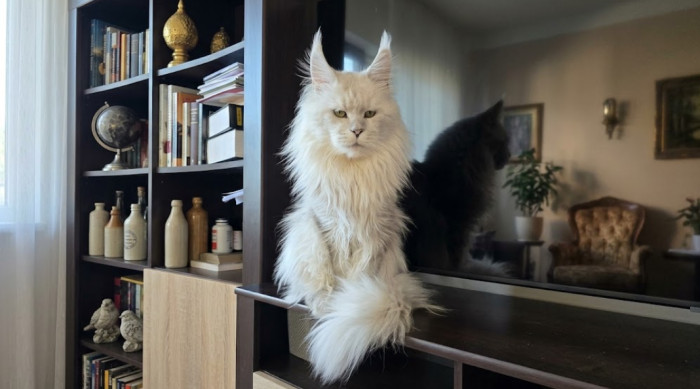
Finally, when you compare Maine Coons to “normal” cats, the plot twist lands, because mixed longhairs and other breeds can pull off the same tall, furrier look.
Should you trim Maine Coon ear tufts?
Usually there is no cosmetic need.
The furnishings are part of the natural coat. Routine care should focus on keeping the ears clean and healthy rather than cutting the fur simply because it extends beyond the ear.
If matting, discharge, odor, irritation, or scratching appears, that is a care question for a veterinarian or experienced groomer, not a styling problem. Ear shape and fur also tell you nothing reliable about hearing ability. Pupperish’s story about a hearing-impaired cat exploring the world by bicycle illustrates why hearing status is a separate issue from whether an ear looks large, tufted, or unusual.
The tufts themselves are harmless.
And visually, they do much of the work. Without the tall ears and flying fur, the classic Maine Coon silhouette would lose one of its best features.
One cat’s ear tuft can be pure Maine Coon swagger, or just a dramatic coat, and either way, it’s not the whole story.
Next, check out why Maine Coon paws are so big, tufted, and sometimes polydactyl.
Share this article: