
86 Dogs and 2 Kittens Begin Again After Missouri Breeding Operation Rescue

The trip back to Tennessee ended with 88 animals stepping into a very different kind of care. Most of the 86 dogs arrived quiet and unsure, and two kittens with heavier medical needs came with them, all part of a rescue effort that began in southern Missouri under a lunar eclipse.
A transport full of second chances
Animal Rescue Corps, a national nonprofit animal protection group, helped move 86 dogs surrendered from commercial breeding operations in multiple locations across southern Missouri to its Rescue Center outside Nashville. National Mill Dog Rescue was also part of the effort, with ARC assisting in the transport and care.
Two kittens made the trip as well. That brought the total number of new arrivals to 88 animals, all entering a program built to stabilize them, assess their health and begin preparing them for placement.
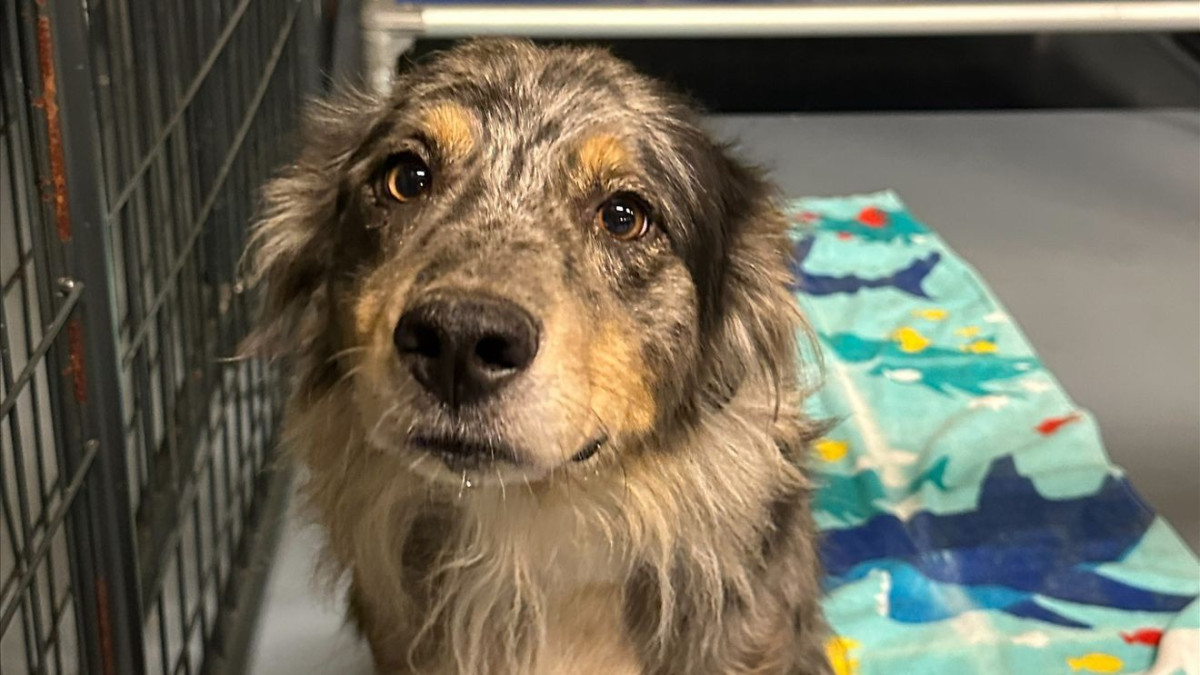
The rescue was given a memorable name, Operation Eclipse, because ARC's team reached Missouri during a lunar eclipse. The title may sound dramatic, but what waited at the end of the operation was mostly quiet. Staff said many of the dogs were shy and uncertain, not quite sure what to expect as they were unloaded and settled into a rescue center designed to help them start over.
Healthy at first glance, but still in need of care
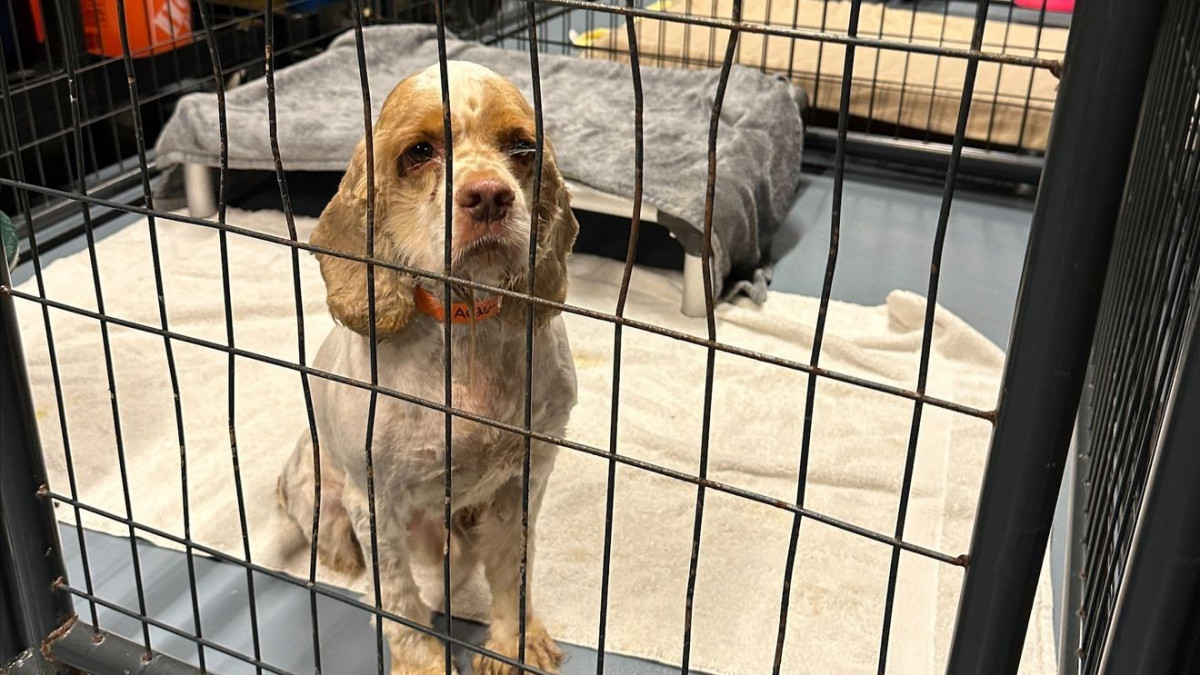
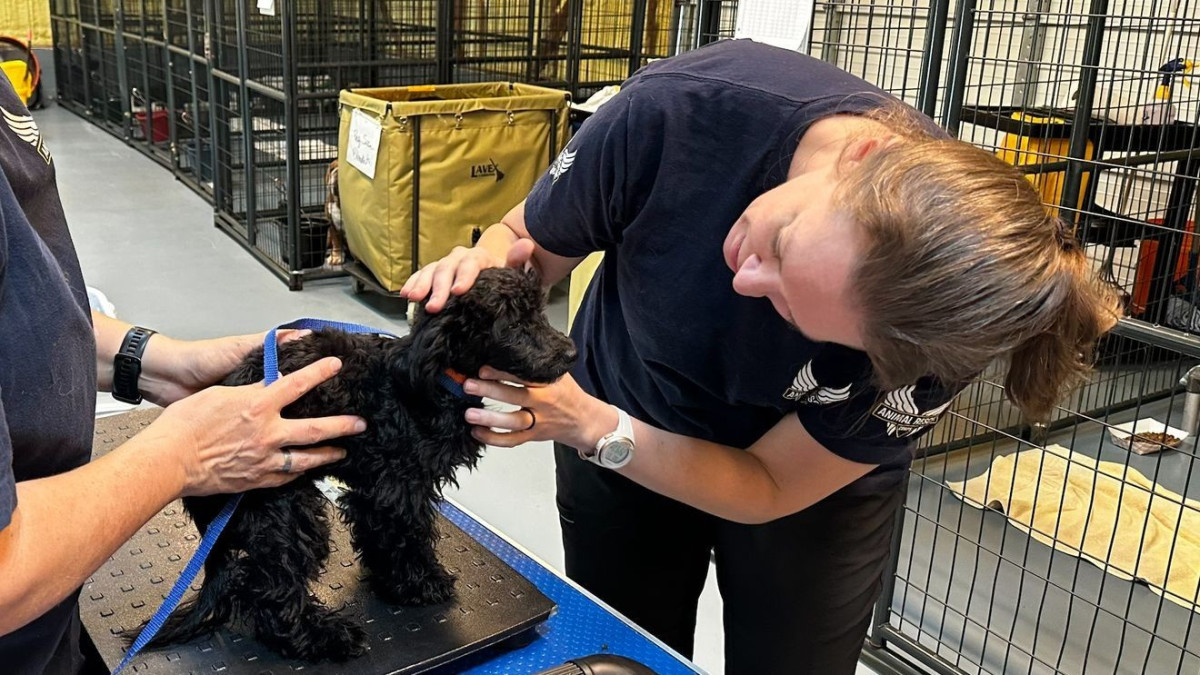
Many of the rescued dogs appeared to be in generally good physical condition when they arrived. The group included poodles, mini Australian shepherds, doodles, dachshunds and English bulldogs. Even so, ARC said every dog would receive a full veterinary examination, grooming and time to adjust to hands-on care.
That adjustment matters. According to the organization, physical care and contact are unfamiliar to many of these animals. On arrival, most were described as shy and unsure during the transition, and staff expected patience to be as important as medicine.
Tim Woodward, ARC's executive director, said some of the animals needed little more than routine care and time to understand that they were safe. Others, he said, were coming in with medical issues that had not been addressed, including dental disease and tumors that need removal.
He also pointed to the adults as the animals likely to need the most understanding. These are dogs that, in his description, may have spent their whole lives in isolation without any sense of why. The work ahead is not only veterinary. It is also about building trust, replacing past experiences with new ones and teaching the dogs that human contact can mean comfort rather than uncertainty.
Two kittens with steeper medical needs
The dogs were not the only animals on the transport. Two kittens joined the trip back to Tennessee, and ARC said their condition was more serious.
One kitten had already undergone surgery to remove an injured eye. The other had been found abandoned and was partially blind. Both kittens had been rescued in Missouri by an ARC contact and then brought along to the Rescue Center outside Nashville.
Their presence widened the scope of Operation Eclipse. What began as a large dog transport also became an opportunity to pull in two especially vulnerable cats who needed continued medical attention. In a rescue involving nearly 90 animals, their stories could have been easy to overlook. Instead, they arrived with the rest of the group and entered the same larger promise behind the operation: recovery first, then the chance to move toward placement.
Making room for 88 more lives
The arrival in Tennessee was only the visible end of a much larger logistical effort. ARC said planning for Operation Eclipse began while the organization was already caring for more than 100 animals from several recent large-scale rescues.
Right before the team left for Missouri, 47 dogs and one cat departed ARC's Rescue Center for placement partners, moving on to the next step toward homes. That transfer created the space needed for the next incoming group, but it did not end the work. The rescue center itself, along with the vehicles, caging and crates, had to be cleaned, sanitized and reset before another 88 animals could come in safely.
ARC said the coordination required for this kind of operation is extensive. Safe handling, transport, medical care and day-to-day animal care all depend on resources, trained volunteers and careful preparation. Large rescues can look simple in a single photograph of dogs in carriers or animals arriving at a shelter door. In practice, each intake asks for room, equipment, staffing and a plan for what happens after the headlines move on.
Woodward described that reality as constant. There is always another animal in need, he said in substance, and finishing one rescue never guarantees a pause before the next request for help. The response, he suggested, is to keep finding space, keep solving problems and keep saying yes when possible.
What recovery looks like now
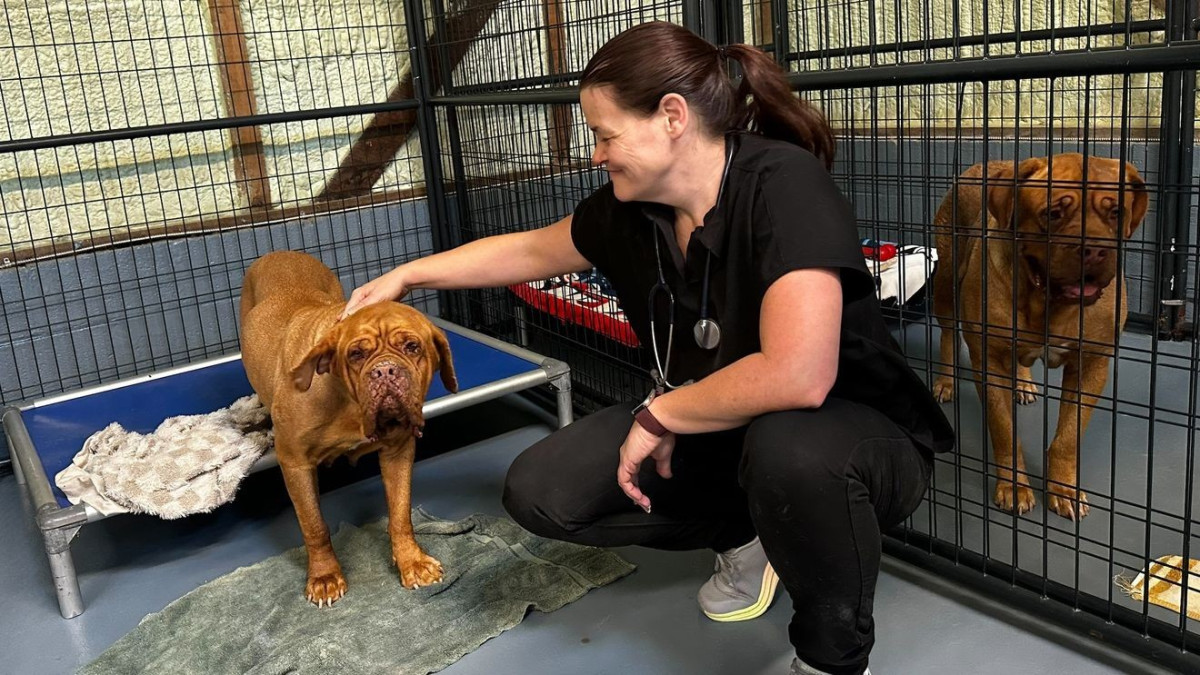
For the dogs, the next stage is straightforward but important. ARC said they will receive veterinary exams, grooming and time to get used to direct care. For animals that seem outwardly healthy, those early days can still reveal needs that were not obvious at first glance. They can also show which dogs are ready to move ahead quickly and which ones need a slower pace.
For the two kittens, continued medical attention is part of the immediate picture. One is adjusting after eye removal surgery, and the other is dealing with partial blindness after being found abandoned. Their care will unfold alongside the much larger group of dogs, all of them now under the same roof outside Nashville.
ARC's expectation is that patience will help the shy dogs settle. The organization has framed Operation Eclipse as a route toward recovery and placement, not simply a transport from one state to another. That distinction matters for animals coming from breeding operations, especially for adults that may have had little experience with the kind of daily handling and reassurance many pets know well.
The ending, for now, is not an adoption photo or a reunion scene. It is something quieter and just as important: clean space, medical attention, regular care and time. For 86 dogs and two kittens, that is the beginning of a path toward their next chance at a loving home.
Share this article:





