Bear Finds Comfort In Abandoned Couch

Some bears don’t just wander into human spaces, they claim them like they pay rent. In Lac Brochet, one huge bear found a comfortable, abandoned couch at a garbage dump, and the whole scene looks weirdly cozy.
At first, the bear was there for the obvious reason, food. But landfill life has a way of turning “just looking” into “staying,” especially when trash is easy pickings. What makes it complicated is that this isn’t a one-off sighting, it’s a reminder that as habitats get squeezed, bears keep learning human routines, and people are left to deal with the fallout.
And that’s what makes this couch lounging moment more than a quirky snapshot, it’s a warning with claws.
The colossal creature is having a blast, comfortably lounging on a couch.

This bear initially came to this landfill searching for food.

The bear seemed to have found a comfortable place to relax.
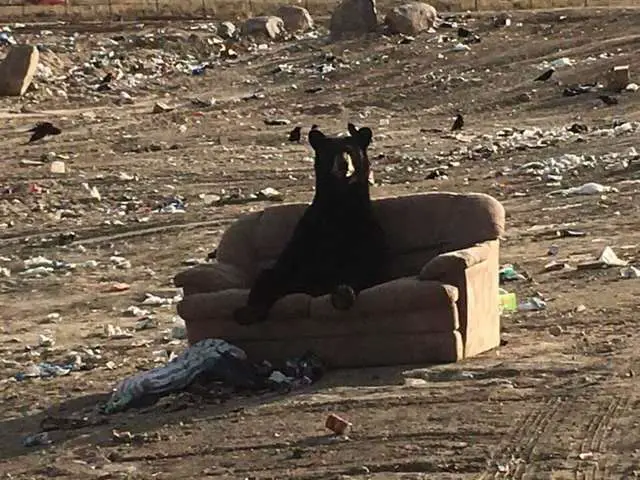
The bear didn’t stroll in wearing a disguise, it came straight to the landfill like it was hunting for snacks, then immediately picked the couch as its landing spot.
The sight of a bear lounging on an abandoned couch in Lac Brochet is more than just a quirky moment; it underscores a growing concern regarding wildlife and human interactions. As urban areas encroach on natural habitats, bears are increasingly found adapting to human environments, especially when their traditional food sources dwindle. This adaptation, while fascinating, poses significant risks to both bears and people.
The incident at the garbage dump illustrates the pressing need for communities to implement effective waste management strategies. Secure garbage disposal is not just a matter of convenience; it is crucial for preventing bears from rummaging through human refuse in search of food. The introduction of bear-proof garbage cans could be a vital step in curbing these encounters.
Moreover, educating the public on how to coexist with wildlife is essential in minimizing conflicts. Understanding that these bears are simply seeking food, not confrontation, can help foster a more harmonious relationship between humans and the wild inhabitants of our shared environment.
When you see a bear casually relaxing on an abandoned couch, the “just keep the trash tidy” problem suddenly feels a lot more urgent for everyone nearby.
This heartwarming yet poignant scene of a bear lounging on an abandoned couch at a garbage dump in Lac Brochet serves as a wake-up call regarding the growing encroachment of wildlife into human spaces. Such encounters are not merely amusing; they highlight the urgent need to respect and preserve natural habitats. When wildlife, like the bear in this instance, feels at home in human-dominated areas, it is often a sign of deeper ecological issues, such as habitat loss and food scarcity.
The sight of this bear seeking comfort on a discarded couch underscores the consequences of urban expansion and waste management practices that inadvertently attract wildlife. To address these issues, communities must consider strategies that prioritize the preservation of natural environments. Implementing wildlife corridors and limiting human encroachment can help maintain the delicate balance between urban development and the natural world.
Such initiatives are crucial, not only for the protection of wildlife but also for enhancing human safety as they reduce the likelihood of dangerous encounters between humans and wild animals.
Landfills, like the one where the bear was found, highlight how human activity affects the environment and encroaches on the habitats of wild animals. These man-made areas, filled with human waste, have become unintended homes for wildlife looking for food and shelter.
So, it’s not surprising that a bear would end up lounging on a discarded couch. While we can admire animals like the bear for their adaptability, we must also recognize our role in changing their natural habitats.
As we continue to expand and develop, it’s essential to consider how our actions impact ecosystems and to work towards coexisting with the diverse species that share our planet.
He can't quite grasp why anyone would discard something so cozy.

He just needed some popcorn and Netflix.

The bear’s couch vacation is basically the landfill’s best advertisement for why unsecured garbage keeps pulling wildlife into human territory.
Once that comfort spot is there, the next trash rummage might not look as harmless as this one, and that’s the real wake-up call in Lac Brochet.
The image of a bear lounging on a couch offers profound insight into wildlife resilience and resourcefulness. It's a testament to their ability to adapt and thrive in diverse environments, even those tainted by human presence.
While some may find it amusing or even absurd, it underscores the remarkable adaptability of these creatures in the face of changing landscapes and challenges. Moreover, the widespread fascination with these viral photos speaks to our enduring interest in the natural world and its endless capacity to surprise and delight us.
The sight of a bear lounging on a discarded couch at a garbage dump in Lac Brochet serves as a striking reminder of the delicate balance between wildlife and urban life. This unexpected encounter highlights the consequences of human encroachment into natural habitats, where creatures like this bear are drawn to the remnants of human activity.
As communities expand and urban sprawl increases, the need for effective waste management and habitat preservation becomes ever more critical. This incident underscores the importance of implementing secure waste disposal methods to prevent wildlife from scavenging in human refuse. By promoting wildlife-friendly policies and practices, communities can foster a more harmonious coexistence with the natural world, ultimately benefiting both wildlife and human residents alike.
That couch wasn’t the bear’s home, but it sure made the landfill feel like one.
Wait till you see the GoPro footage, including the bear taking selfies in the woods.
Share this article: