Blind Puppy Raisin Bran Is Still Waiting for the Right Home, and Her Joy Shines Through

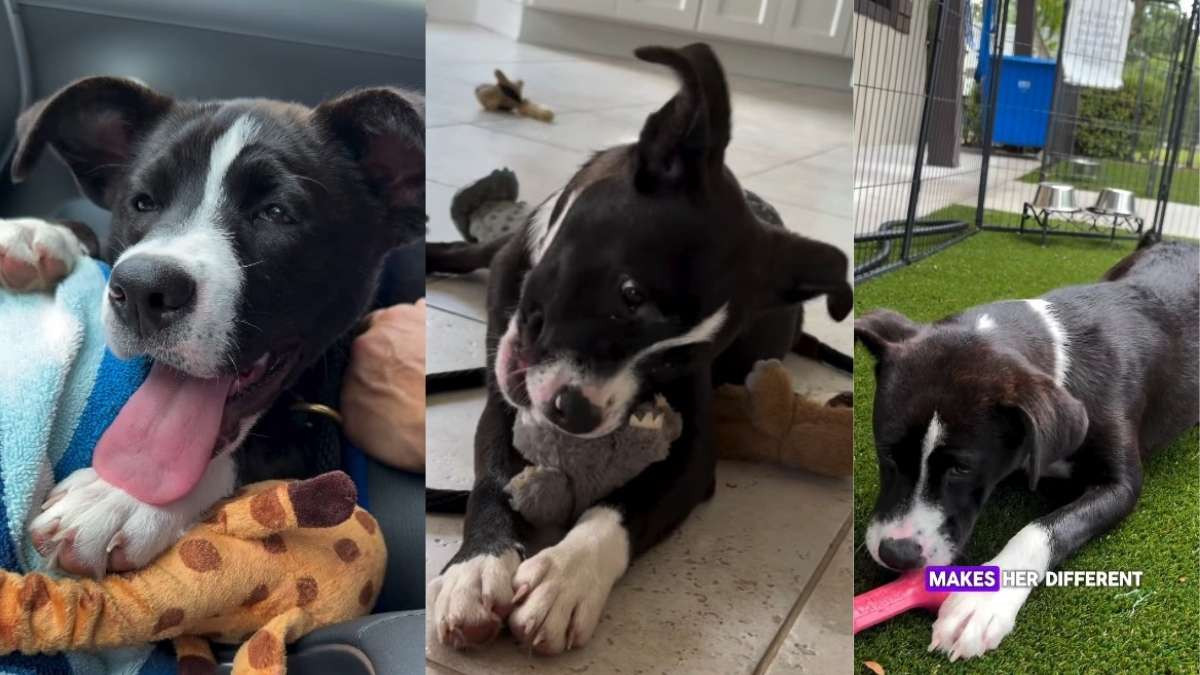
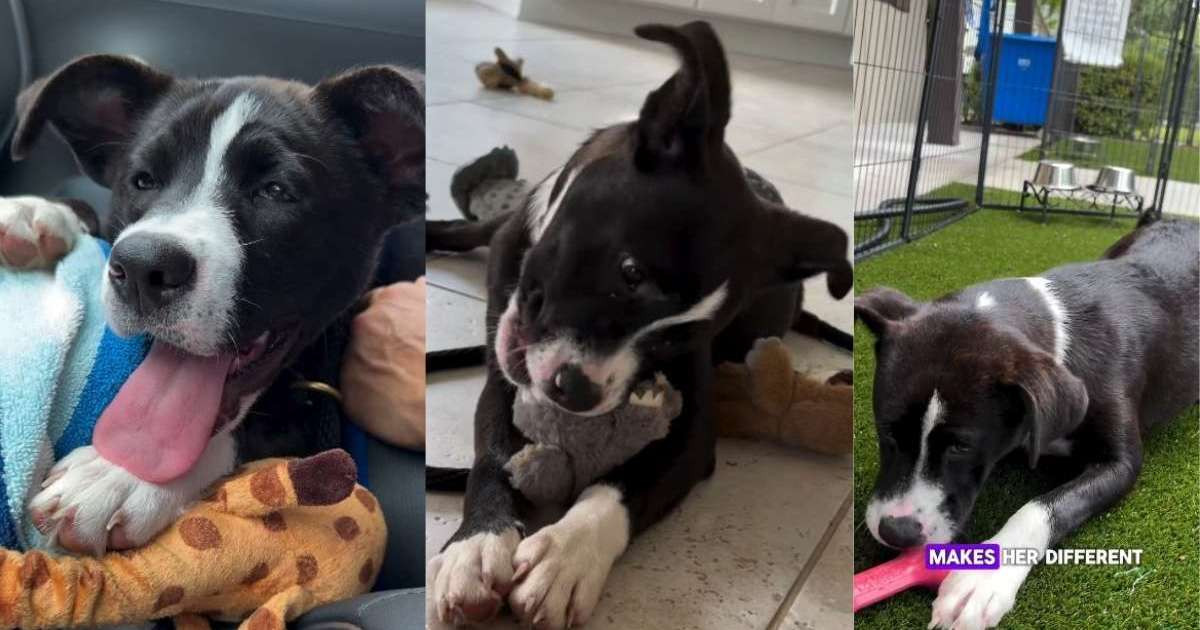
The video opens on a small puppy leaning into gentle pets, calm and affectionate as a shelter volunteer tells her story. Raisin Bran is almost completely blind, but the 7-month-old pup moves through the world with curiosity, playfulness, and a remarkable ease that has made many people stop and watch.
Raisin Bran is being cared for by Big Dog Ranch Rescue, where a volunteer named Jordana shared an appeal for someone to give the young dog a chance. In the clip, Jordana strokes the puppy and explains that Raisin Bran was born on the ranch alongside eight siblings. The litter was given cereal names, and Raisin Bran is now the only one still waiting to be adopted.
That detail gives the story its ache. While the rest of the puppies have gone on to homes, Raisin Bran remains behind, even though those who know her describe her as loving, playful, and eager for affection. According to Jordana, she would do anything for peanut butter, a small detail that makes her seem less defined by her disability and more by the ordinary puppy delights that shape any young dog’s personality.
A puppy who does not think she is missing out
Raisin Bran was born almost completely blind, something Jordana suggests may make some people hesitate. But the volunteer says that once people understand this puppy, they also understand something important about how she experiences life. Because she has been blind from birth, Raisin Bran does not carry a sense that something has been taken from her.
Instead, she explores with confidence and curiosity. Jordana says the puppy has no fear, and that her other senses are especially strong. That, in turn, opens the door to creative training and a different way of helping her learn the world around her. The picture that emerges is not of a dog limited by what she cannot see, but of one who has already adapted to life on her own terms.
The home she needs
For Raisin Bran, the rescue is looking for a safe and caring home. The puppy also needs a cat-free household and an adopter with experience. Jordana’s hope is that the right person will see that Raisin Bran’s blindness does not diminish her, but makes her different in a way that asks for understanding, guidance, and respect.
The rescue believes she has plenty to give in return. Her volunteer describes her as a dog ready to bring sunshine to the family that welcomes her. For now, Raisin Bran is still waiting, affectionate, brave, and unmistakably puppyish, for someone to recognize that her world is already full of joy and that they could be the one to share it.
Information about adopting her is available through Big Dog Ranch Rescue at BDRR.org/adopt.
How blind dogs get around
Blind dogs usually learn their world through scent, sound, touch, and routine. Many adapt remarkably well, especially if the home layout stays predictable. A dog that cannot see may map rooms by counting steps, following air flow, listening for familiar voices, and noting the smell of beds, doors, food areas, and people.
That means blindness does not automatically prevent a good quality of life. What matters most is consistency. Keep furniture in place, use the same walking routes, and teach clear verbal cues such as stop, step, left, right, easy, and wait. Texture can help too. Rugs, mats, or runners can mark sleeping spots, doorways, or the path to water. Toys that crinkle, squeak, or smell strongly are often easier and more fun for a blind dog to use.
Making a home safer and less stressful
A blind puppy or dog often does best in a calm setup with gentle introductions. Block off stairs at first, pad sharp corners if needed, and supervise around pools, balconies, busy kitchens, and open doors. Use a harness for guidance on walks rather than relying only on a collar, and speak before touching so the dog is not startled.
Routine lowers stress. Feed at the same place, take walks on a regular schedule, and guide the dog to toileting areas the same way each time. If there are other pets, introduce them slowly and reward quiet, polite behavior. Bells on another pet's collar can help a blind dog track movement around the home.
Enrichment matters. Scent games, food puzzles, short training sessions, and gentle exploration build confidence. Many blind dogs become very skilled problem solvers when given time and encouragement.
What to ask before adopting a blind dog
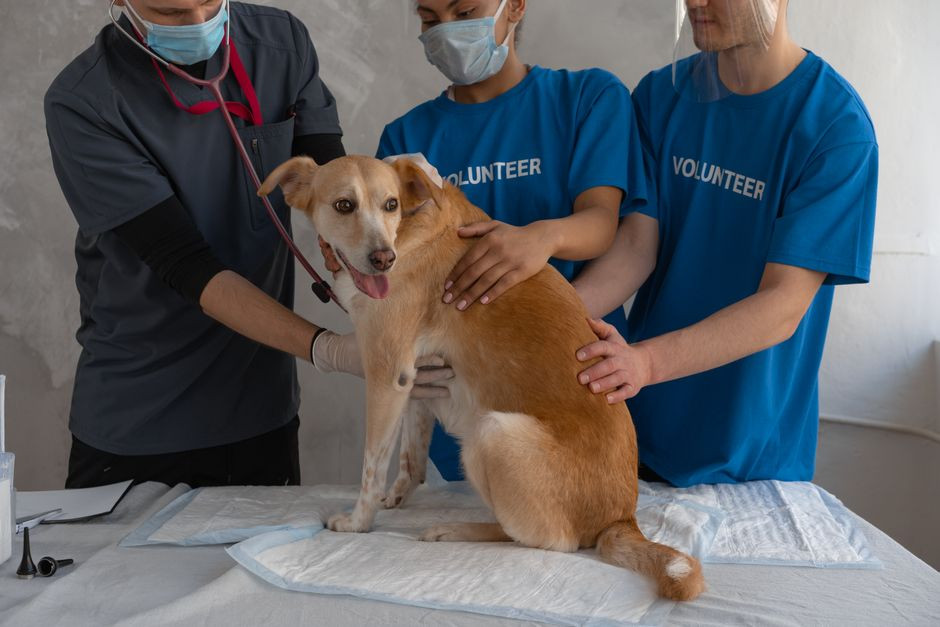
Ask whether the vision loss is stable or linked to another medical issue, and whether the dog has pain, hearing changes, or needs regular medication. A recent veterinary assessment can help you understand day to day needs, likely costs, and whether the dog has any limits on exercise or play.
Also ask about temperament: how the dog handles handling, grooming, children, unfamiliar dogs, and being left alone. If possible, learn the cues the dog already knows and keep using them at home. A transition plan, including the same food, bedding scent, and a simple room setup for the first days, can make adoption smoother for everyone.
Share this article: