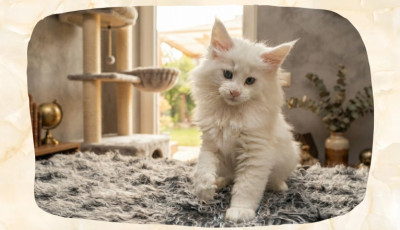
Pet Owner Teaches Mischievous Teenagers A Lesson After They Bullied His Old And Sick Tabby Cat

One Reddit user thought they were just watching a couple of teenagers act obnoxious near a window, until the comments turned cruel and the situation got personal fast.
The post centers on an old, sick tabby cat, a group of boys making nasty remarks, and a pet owner who finally snapped after hearing them joke about a cat being killed. What started as rude behavior quickly turned into a bigger question about respect, boundaries, and how far someone should go when their pet is being targeted.
Reddit had plenty to say about this one, and the reactions were not subtle.
The poor baby was just snoozing by the window when youngsters disturbed his slumber.
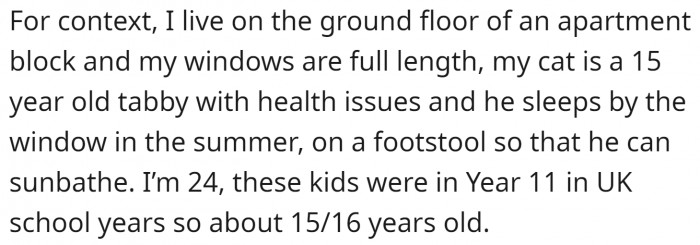
Why praise someone who killed a cat?
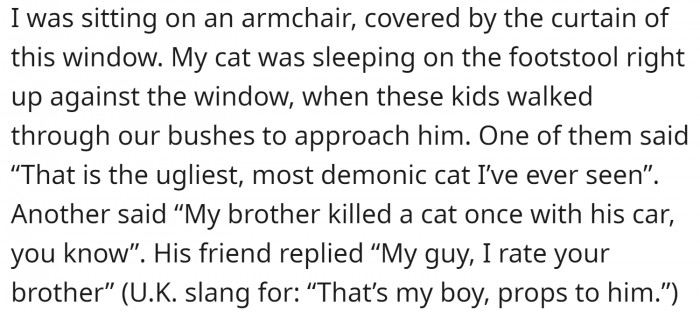
Things are getting out of hand.
Understanding the motives behind adolescent cruelty, particularly towards animals, can be informed by developmental psychology.
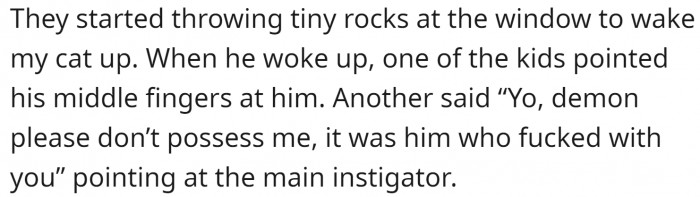
And that's when the pet owner had to step in.
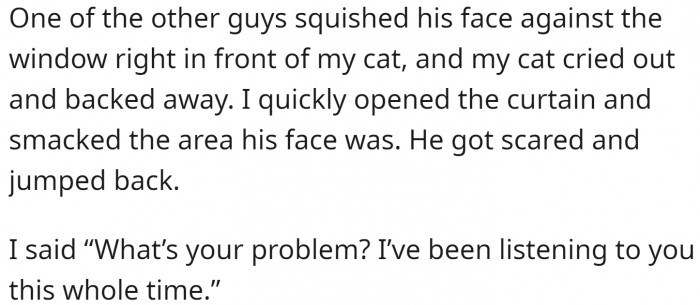
One of the boys is now pointing fingers.
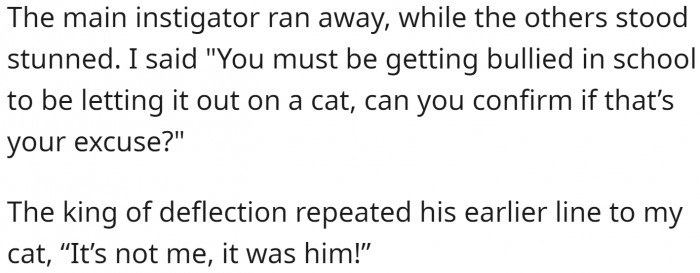
They could've just walked away, but...
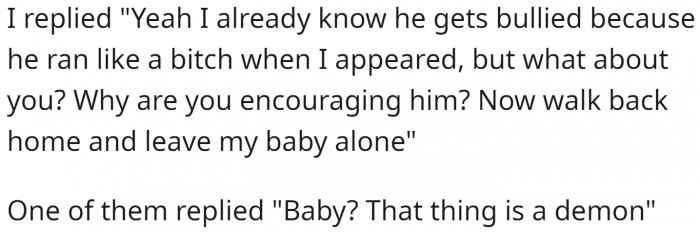
Many adolescents who engage in bullying may have experienced or witnessed aggression themselves, creating a cycle of violence that perpetuates through generations. Research suggests that children who are exposed to bullying often become bullies themselves, indicating a transmission of maladaptive coping strategies.
This cyclical nature underscores the importance of breaking the chain through early intervention programs that educate young people about empathy, emotional regulation, and conflict resolution. By fostering environments where kindness and respect are modeled, communities can effectively work to reverse these damaging patterns.
The pet owner finally snaps.
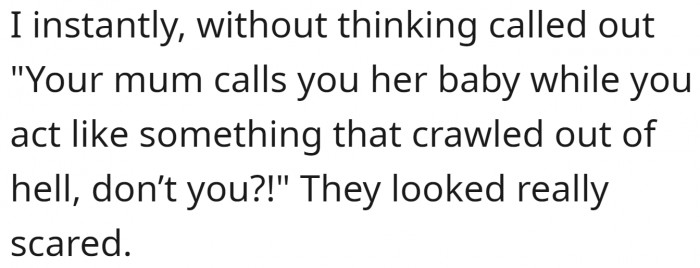
But after the incident, the pet owner felt guilty.
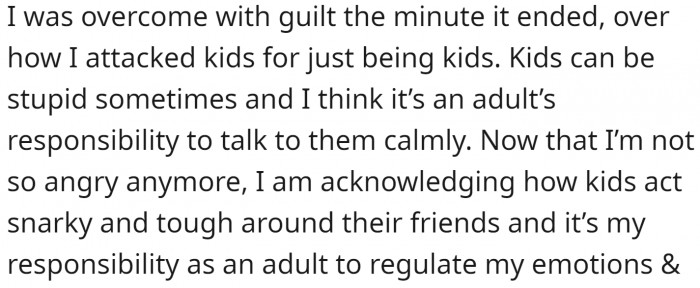
The question for the community
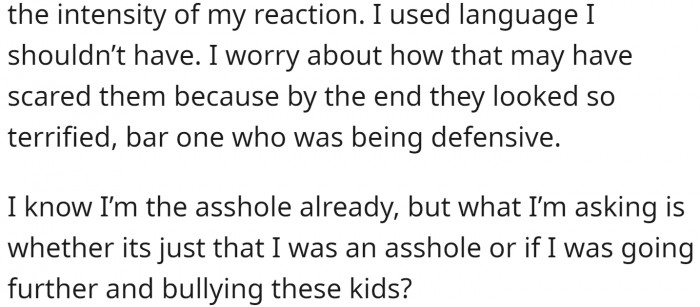
The incident involving the bullying of a sick tabby cat highlights a troubling trend in youth behavior that often stems from a desensitization to violence. This phenomenon is increasingly prevalent as young people are exposed to aggressive content in media and peer interactions that trivialize cruelty. The motivations behind such actions can be complex, ranging from a desire for power to an expression of their own frustrations. In this case, the pet owner’s proactive approach serves as a reminder that addressing these tendencies requires more than just reprimanding the offenders. It calls for community engagement and initiatives that foster empathy and emotional intelligence. By encouraging adolescents to participate in animal welfare activities, we can help cultivate a deeper understanding of compassion. Such experiential learning opportunities can be instrumental in breaking the cycle of violence and nurturing kindness in future generations.
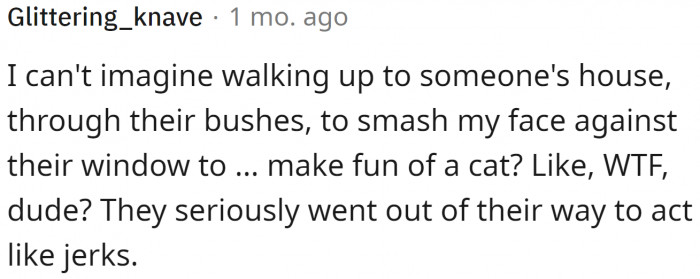
No matter how you look at it, the youngsters are clearly the wrong ones here.
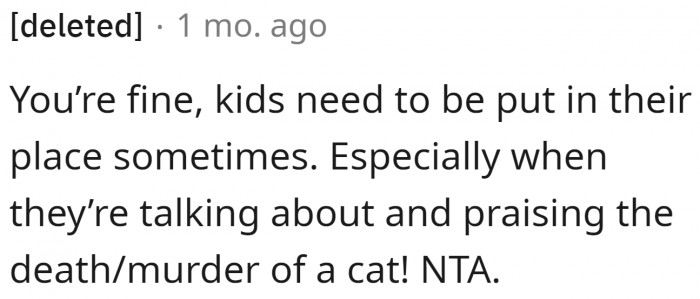
We just hope the nasty teens never come back.
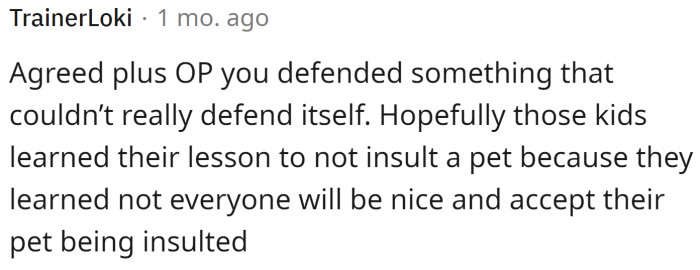
That's why they needed to be taught a lesson.
Empathy is a crucial element in preventing animal cruelty, and studies show that it can be nurtured through targeted interventions. Research indicates that when young individuals are taught to recognize and respond to the emotions of others, including animals, their propensity for cruelty diminishes.
Moreover, incorporating social-emotional learning (SEL) programs in schools can foster a culture of respect and understanding, ultimately leading to a reduction in bullying behaviors. Schools that implement SEL curricula report improved social interactions and diminished instances of both peer and animal bullying.
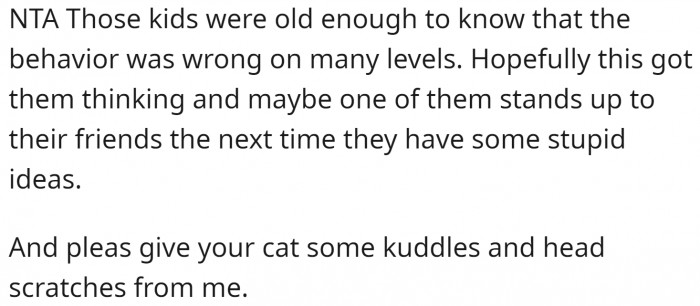
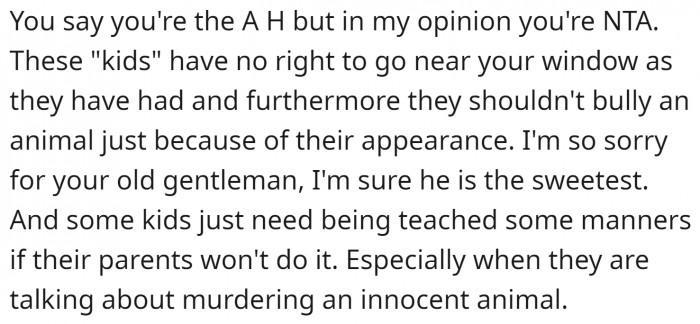
These youngsters need to learn respect and responsibility.
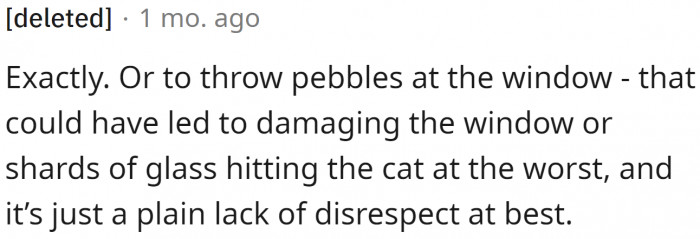
True. It was necessary to defend their property and pet.
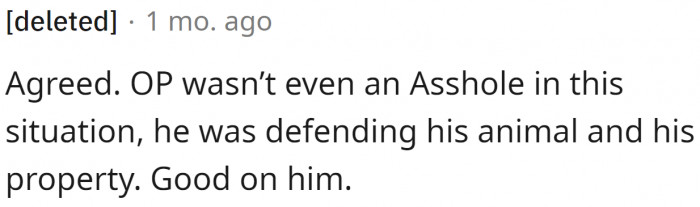
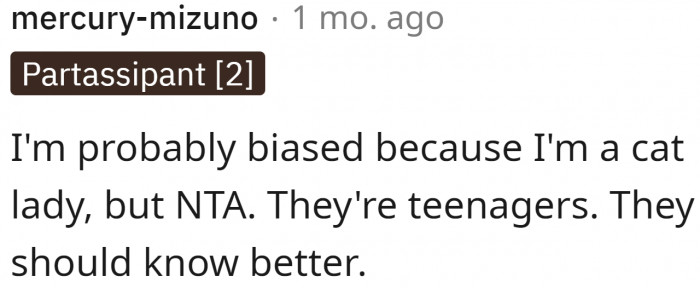
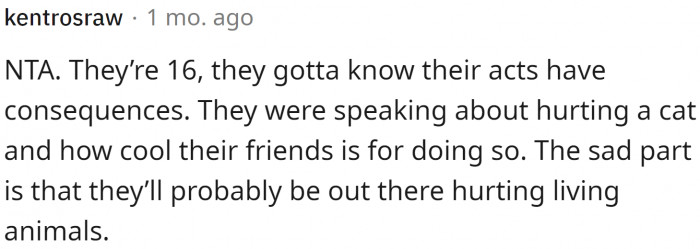
They're 15. They should know better.
Behavioral reinforcement also plays a significant role in shaping adolescent actions. Research conducted at Stanford University suggests that the reinforcement of positive behaviors is more effective than punishment in changing conduct. When teenagers engage in positive interactions with animals, they are more likely to feel a sense of accomplishment and connection, which serves as a powerful motivator to continue those behaviors.
Encouraging youth to participate in animal care programs, such as volunteering at shelters, can provide them with rewarding experiences that reinforce kindness and responsibility toward animals. By creating a feedback loop of positive reinforcement, we can cultivate a generation that values empathy over aggression.
This is similar to the pet owner who fought an entitled mom after her kid suffocated their cat.
We hope so too.
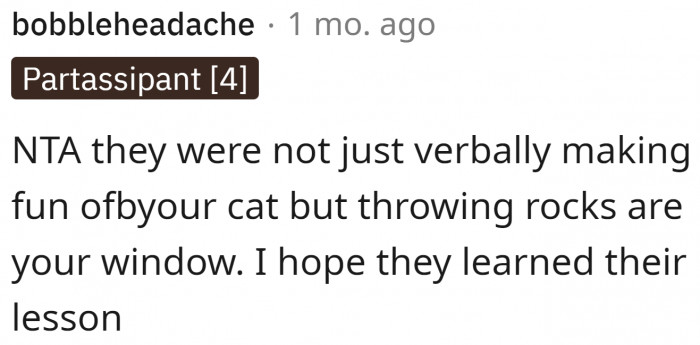
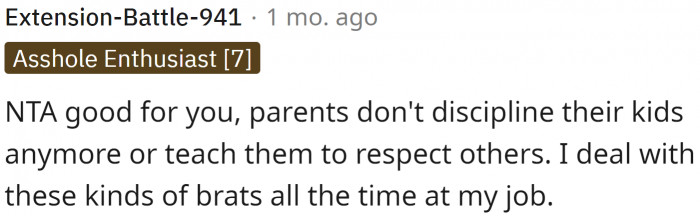
The pet owner telling them off was necessary.
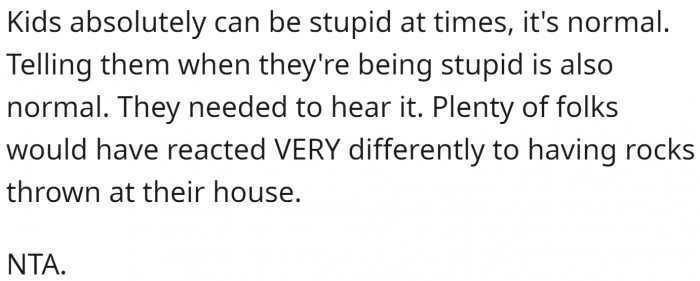
Indeed they should.
The influence of parental attitudes and behaviors on children's treatment of animals cannot be overstated.
Others would have reacted worse than what the original poster did.
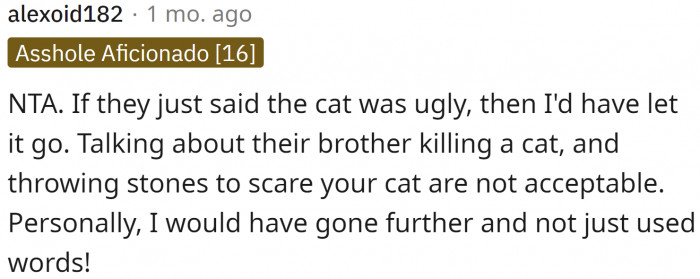
We hope this doesn't happen.
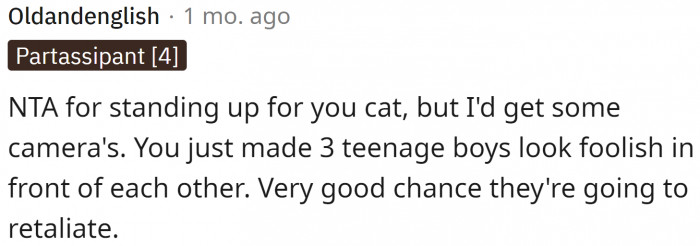
Some users found the pet owner's clapback amusing.
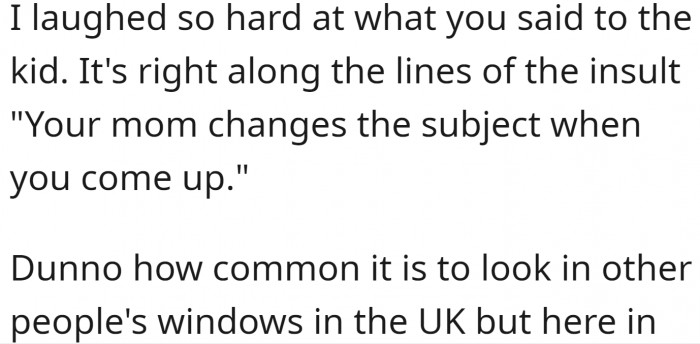
Social media and digital platforms also play a significant role in shaping adolescent behavior.
What the teens did would be unlawful in other places.
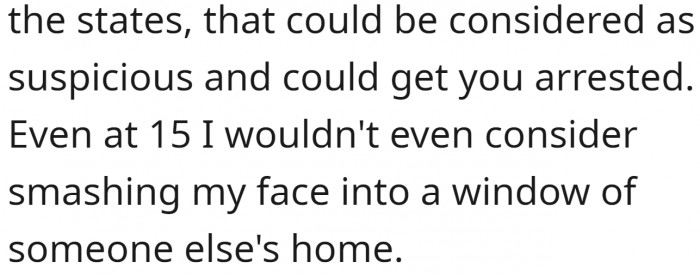
Indeed. They deserved it.
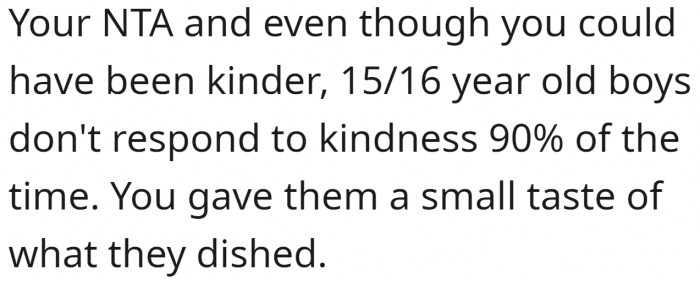
We just hope they learned something out of this experience.
Intervention strategies targeting at-risk youth show promise in preventing animal cruelty. These interventions focus on helping teens recognize triggers and develop healthier coping mechanisms to deal with their frustrations and emotions.
Furthermore, involving teens in discussions about animal welfare and the ethical treatment of pets can empower them to take ownership of their actions. By fostering a sense of responsibility, these interventions can lead to meaningful changes in how adolescents interact with animals and each other.
People are lauding the actions of the pet owner.
Let's hope they stop being such demon-spawns.

What are their parents doing, anyway?
Finally, community involvement is pivotal in addressing the issue of animal bullying.
The sad reality
Other users think that if the pet owner handled it nicely, the youngsters would come back.
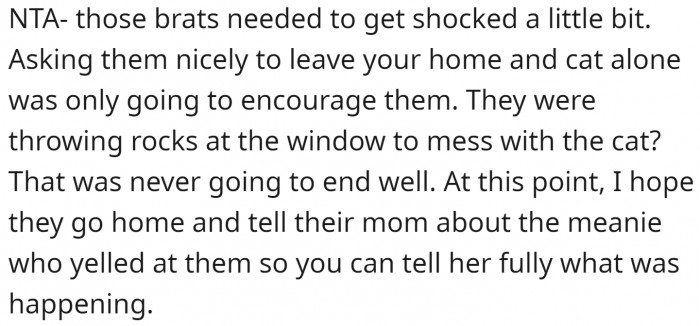
Those kids are lucky they only got reprimanded verbally. Others wouldn't be as merciful.
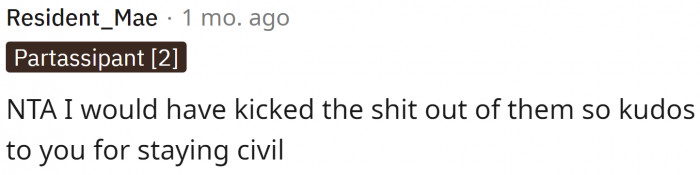
Overall, redditors think that it was right to teach them a lesson in that manner.
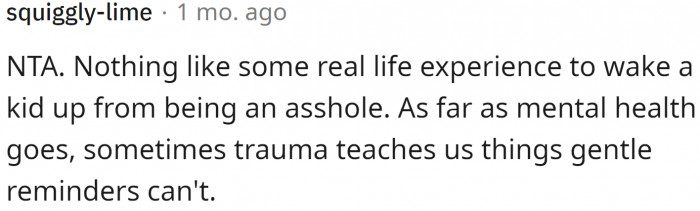
Aside from bullying the cat, the rowdy teenagers are messing with someone's property. They're not just rude; they're potentially destructive as well.
So even if the original poster feels guilty about the situation, it's a wake-up call to the youngsters that they can't get away with such deeds.
The recent incident involving a pet owner confronting teenagers who bullied his ailing tabby cat reveals a deeper societal issue surrounding animal cruelty among youth. The motivations behind such behaviors often stem from various emotional struggles. It is crucial to understand that many adolescents may resort to bullying animals as a misguided attempt to assert power or cope with their own frustrations. This highlights the urgent need for strategies aimed at fostering empathy and kindness in young people.
Educational initiatives that emphasize humane treatment of animals can transform how future generations interact with pets and wildlife alike. By providing young individuals with the tools to develop emotional intelligence, communities can work together to tackle not only the behaviors that lead to animal cruelty but also the underlying issues that drive these actions. The transformative power of empathy and respect for all living beings is essential in cultivating a society where incidents like this become a rarity rather than a norm.
For the “you lose ownership rights” moment, see the Redditor who blocked a dog’s previous owner after years of maltreatment.
Share this article: