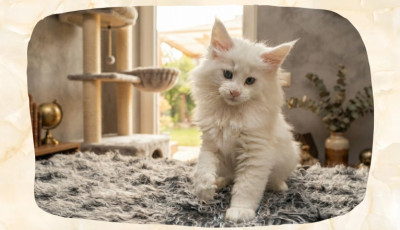
Pet Owners Explore What Their Pets Would Look Like As Humans Through ChatGPT

Pet owners are getting weirdly emotional, and it all starts with a photo of their cat, dog, hamster, or goldfish. One minute they’re scrolling, the next minute they’re watching ChatGPT turn Fluffy into a “real person,” complete with a matching pose and a human face that somehow feels both familiar and totally off.
The fun part is the uncanny resemblance, the complicated part is the disappointment when the “human version” loses the exact charm you fell in love with. A golden retriever portrait can come out way too serious, and owners joke about loving the result anyway, even when it’s not as cute as the puppy energy they expected. Then the prompts start flying, people compare outcomes, and even privacy questions creep in when someone wonders what happens to uploaded images.
Here’s the full story of how a harmless AI prompt turned into a whole mini drama for pet parents.
"ChatGPT can transform your cat into a real person."
Not all results were flawless. A golden retriever might emerge as a rather serious-looking young adult rather than the happy-go-lucky pup you know, but viewers seemed to enjoy the surprises.
“He’s not quite as cute as a human, but I would love him just the same,” one owner joked about their dog portrait. The mix of affection and mild disappointment—the dog had lost some puppy charm—made the experiment all the more relatable.
That golden retriever joke about losing the puppy charm set the tone, and suddenly everyone wanted to see if their pet would get the same “human downgrade” or a surprise glow-up.
The Playful Intersection of AI and Human Emotion
"People are using ChatGPT to turn their pets into humans - and the results are very entertaining."
The Reddit prompt made it feel doable, so owners started feeding ChatGPT the same basic instructions, swapping only the pet’s gender and the pose.
If you want to try this yourself, the process is simple. Then feed ChatGPT a command like:
“Make this cat (male/female) into a real person, pose (optional), keep everything else in the image the same. It would be interesting to see your results.”
That prompt was shared in the original Reddit post, proving that you don’t need to be an AI expert to take part. Within seconds, ChatGPT generates a side-by-side comparison: your furry friend and their human doppelgänger, sharing the same posture and expressions.
And if you think pets look “more human” overnight, check out the study on dogs and cats evolving to look more alike, for surprisingly human reasons.
"ChatGPT did my dog wrong."
Beyond cats and dogs, some users have tried this with hamsters, parrots, and even goldfish. The results can be unexpected—a hamster might become a stern middle-aged man clutching a miniature briefcase, or a parrot might turn into a young woman with vividly colored hair.
It’s all good fun, and the community feedback keeps the trend lively. People critique each other’s prompt phrasing, share tips for better lighting in photos, and vote on the most convincing transformations.
"Very true. Captures the personality and age very well."
Once people branched out to hamsters, parrots, and goldfish, the results got wilder, like a stern hamster in a tiny briefcase or a parrot rocking vividly colored hair.
Some users have raised questions about privacy and the ethics of AI image generation. When you upload a photo, is that data stored indefinitely? Could someone else replicate your pet’s portrait without permission?
ChatGPT’s parent company has stated that user-uploaded images are processed and discarded, but online conversations remind us to think twice before sharing personal content. As one commenter said, “Fun as it is, maybe don’t upload anything you wouldn’t want floating around in the cloud.”
Then the mood shifted, because the conversation about uploaded images and whether someone could replicate a pet portrait without permission made the laughs feel a little less carefree.
Next time your cat gives you that majestic side-eye or your dog breaks into a goofy grin, grab your camera or phone and snap their picture. Then let AI work its magic to transform that moment into a lifelike, human-inspired portrait.
This playful process offers a fresh perspective on your beloved pet and can result in a unique keepsake that captures their spirit and answers the fun question: What if they were one of us?
The phenomenon of transforming pets into human-like characters using AI reflects a broader trend in how we use technology to express and share our identities. A digital culture expert from MIT argues that these playful transformations allow pet owners to explore their creativity.
She also emphasizes that sharing these creations online can cultivate community and belonging, especially during challenging times. To maximize the benefits, she advises individuals to actively engage with others by commenting and sharing, deepening the connections that arise from these shared experiences.
The recent trend of pet owners visualizing their furry companions as humans through AI reveals more than just a whimsical pastime. It highlights the profound emotional bonds we share with our pets, as owners engage in a creative exercise that allows them to reimagine their animals in a playful light. This activity fosters a sense of community among participants, as they share and celebrate these unique interpretations on social media platforms like Reddit.
Moreover, the act of anthropomorphizing pets serves as a joyful escape from the pressures of everyday life, providing a form of emotional relief. By encouraging interactive sharing of these images, pet owners not only enrich their personal experiences but also strengthen the connections within their social circles, creating a collective celebration of the love and companionship that pets bring into our lives.
Your pet might look human, but the internet still won’t agree on whether it’s cute or downright cursed.
Want more pet face-melting surprises, like dogs and cats turned unrecognizable after grooming?
Share this article: