Foster Care Volunteers Astonished as Litter of Puppies from a Foster Dog Resemble Little Cows

Katie and John Black are the kind of people who treat “in need” like an address, not a label. They’ve fostered more than 20 dogs, so when their foster dog Rosie started getting ready to have puppies, they were already in full caretaker mode.
They expected a big litter, sure. Rosie is a golden mix, she’s big enough, and the timing was right. But the moment the puppies arrived, the Blacks got hit with the weirdest surprise: the babies did not look like Rosie at all.
The foster mom posted it on Reddit, and the internet basically said, “Wait, are those… little cows?”
Katie and John Black Truly Have Hearts for Dogs in Need
They offered a cozy refuge as they awaited the arrival of her puppies. They have already fostered more than 20 dogs before.
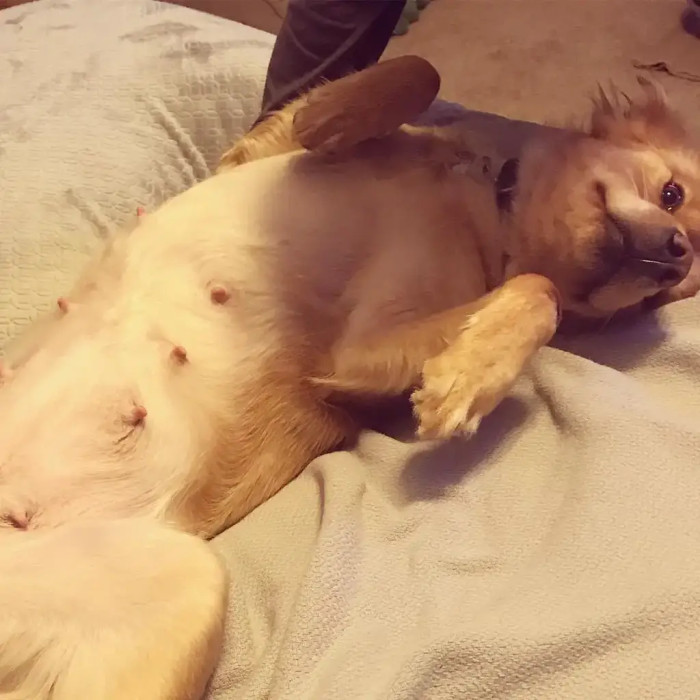
The Couple Waited in Anticipation for the Arrival of the Babies
They assumed that the litter would be quite large given Rosie's size. They were caught completely off guard when the puppies were born; the little ones did not resemble their mother at all.
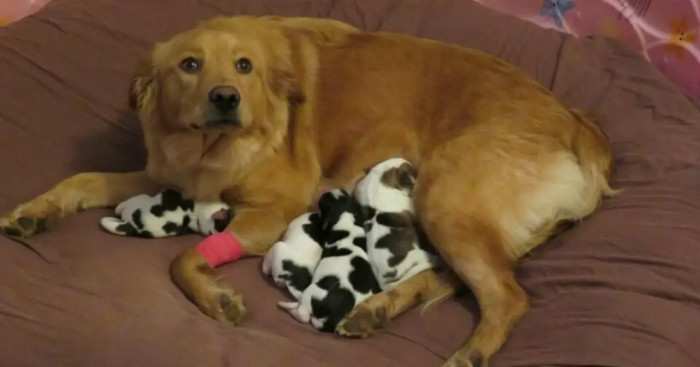
The Babies Looked Like Little Cows!
Black and brown spots were mixed with their white fur. The foster fur parent posted about it on Reddit.
Not quite what we were expecting. Our foster dog, a golden mix, gave birth yesterday.
To baby cows.
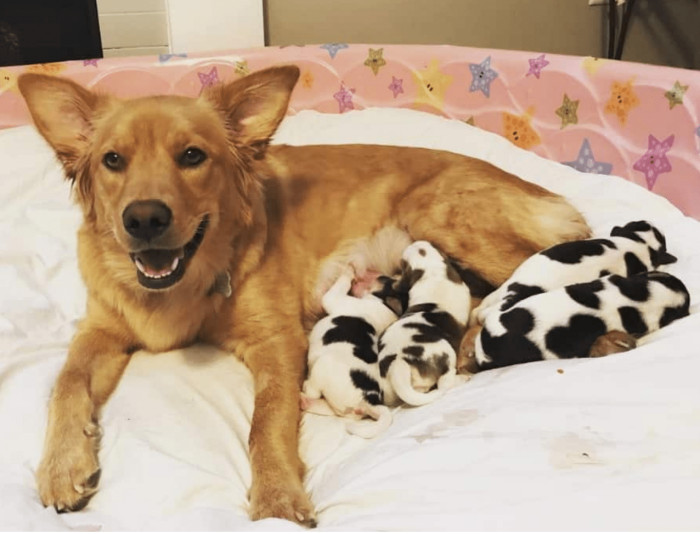
The Blacks were so ready for another normal fostering night that nobody expected Rosie’s delivery to look like a spotted farm animal scene.
The astonishing sight of puppies resembling little cows highlights the fascinating complexities of animal attachment and identity.
The astonishing resemblance of the foster puppies to cows opens a fascinating discussion about the dynamics of attachment in animal behavior. As these puppies bond with their foster mother, their unique appearance may serve as a reflection of their developing relationships and the trust they place in her care. This situation illustrates how the bond between a caregiver and an animal can echo the complexities seen in human relationships, where comfort and security play pivotal roles. The puppies' cow-like features not only capture attention but also serve as a reminder of the nurturing environment they are beginning to experience, showcasing the profound impact of love and care on their development.
The case of puppies resembling cows serves as a reminder of the unique joys and challenges involved in animal foster care. Many foster caregivers report that the experience fosters compassion and emotional growth. However, the unexpected appearance of the puppies can also lead to humor and surprise, highlighting the unpredictable nature of animal care.
The Appearance of Rosie's Young Never Fazed Her
She is a proud mama.
—says Katie.
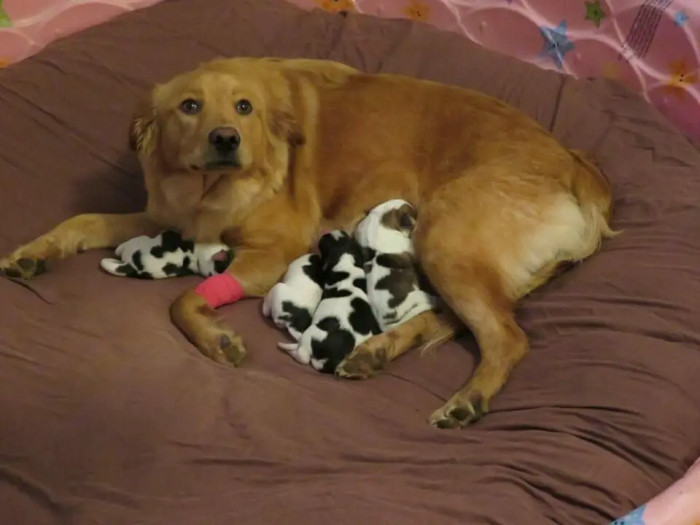
With the Cow-like Appearances of These Little Babies, It's Like Looking at a Small Bovine Herd
The couple decided to give the young ones classic names for cows. Now, they're named Moo, Betsy, Clarabelle, and Daisy.
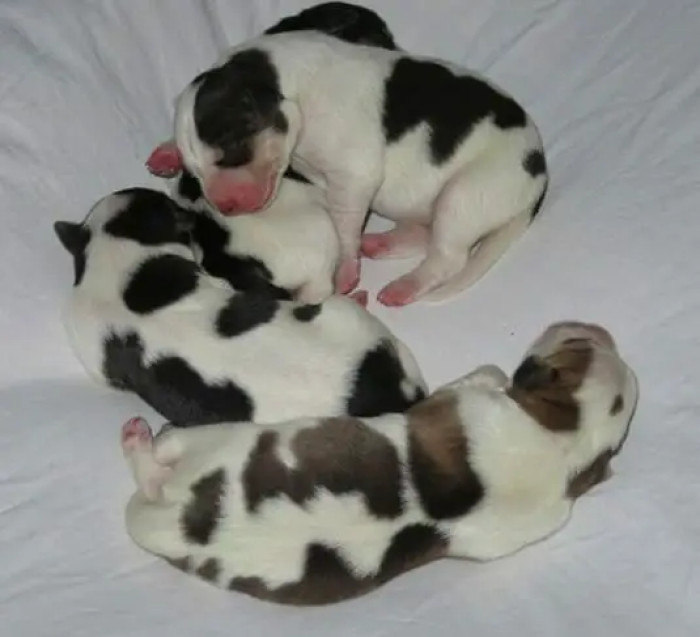
Despite Not Knowing Who the Father Is, the Couple Is Sure That Their Dad Isn't a Retriever
They helped Rosie take care of her puppies with enthusiasm. Once the puppies are old enough, they will be ready for adoption, along with their loving mama.
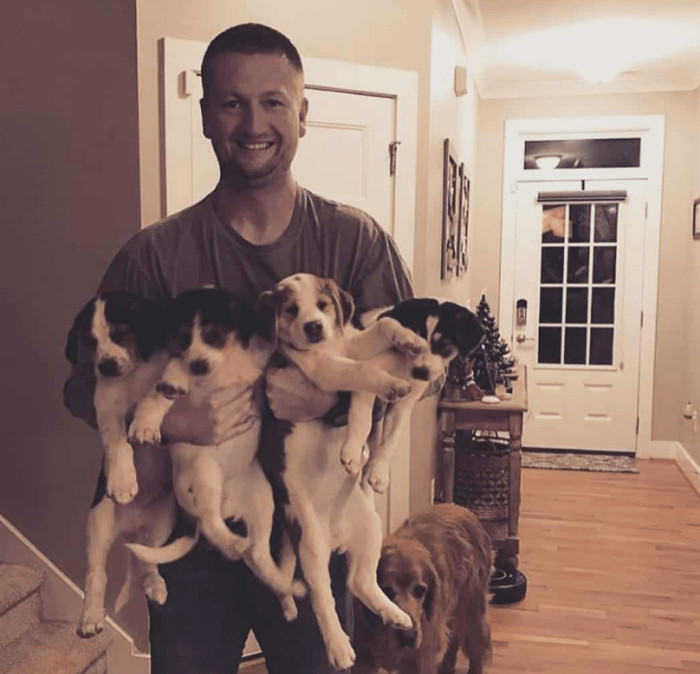
When Katie posted the photo, the black-and-brown spots mixed with white fur made the puppies look nothing like their golden-mix mom.
It’s like the family left in shock when their cow gave birth to four calves.
This phenomenon also raises questions about genetic influences on behavior and appearance.
Moreover, the concept of imprinting is particularly relevant in this context. Imprinting, as defined by Konrad Lorenz, describes how young animals form attachments based on their early experiences. Research shows that puppies, like many other species, can become attached to caregivers whose characteristics may not necessarily resemble those of their biological parents. This can lead to fascinating variations in appearance and behavior, as seen with these puppies.
Understanding these dynamics can deepen our appreciation for the intricate relationships between animals and their caretakers.
That “baby cows” comment landed right when the couple was already thinking about how attached the puppies would get to Rosie.
The astonishing story of foster caregivers encountering a litter of puppies that resemble little cows highlights the profound emotional connections formed between humans and animals. This bond is not just a whimsical observation; it reflects a deeper psychological truth. Engaging with these vulnerable creatures can cultivate empathy and emotional resilience in caregivers. The act of fostering transcends mere animal care; it nurtures vital skills that enhance personal relationships and emotional intelligence. In these moments of compassion, foster caregivers not only provide a safe haven for these puppies but also experience a transformative journey themselves, reinforcing the notion that caring for another being enriches our understanding of love and empathy.
While These Adorable 'Cows' Are in Their Care, the Couple Takes Immense Pleasure in Their Delightful Company
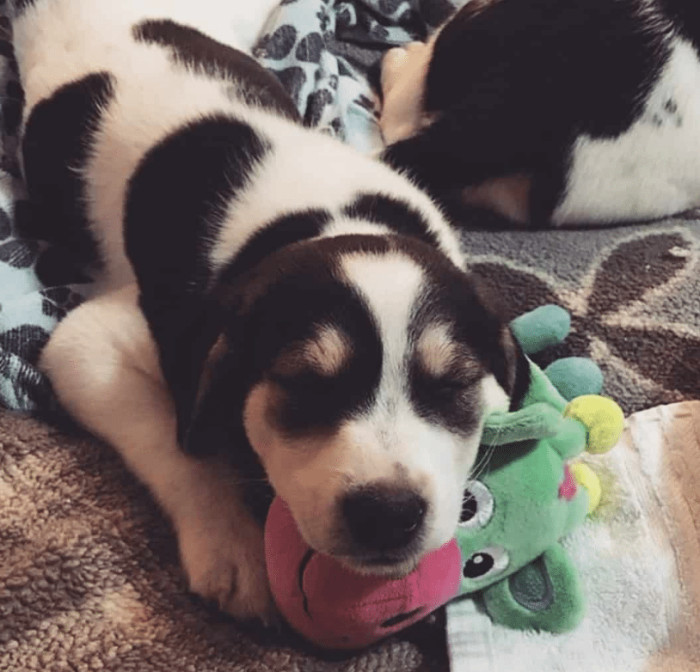
Believe it or not, it's quite common for dogs to have puppies with little to no resemblance to their mother. This typically happens when a dog mates with another breed.
The offspring of these mixed crossings can exhibit significant variations in color and other physical attributes, even within the same litter.
Pets4Homes adds.
Community and Animal Welfare
Fostering animals can also strengthen community ties and promote a culture of compassion.
And the funny part is, Rosie did not care at all, she just kept being a proud mama as the litter stole every scroll.</p>
The story of the foster dog giving birth to a litter of puppies that resemble little cows highlights the unique bond between animals and their caregivers. This heartwarming situation is a testament to the profound impact that fostering can have, not just on the animals but also on the volunteers and the broader community. Each puppy symbolizes hope and the potential for a better life, showcasing how dedicated care can turn abandonment into a tale of joy.
By sharing these remarkable experiences, we raise awareness about the importance of fostering. Engaging the community in this narrative can foster compassion and inspire more people to step forward as caregivers. The emotional rewards of fostering are immense, creating a ripple effect that benefits both animals and those who open their hearts and homes to them.
Environmental factors also play a crucial role in shaping the development of puppies.
The surprising resemblance of the foster puppies to little cows not only captivates the heart but also highlights the deeper connections that can form between animals and their caregivers. This incident serves as a reminder of the importance of fostering environments that promote healthy emotional development. It is essential to recognize that the bond formed in these nurturing settings is vital for raising well-adjusted pets, especially for those abandoned and in need of love and care. As we reflect on the joy these puppies bring, we must also consider the responsibility that comes with fostering, ensuring that every animal receives the attention and affection they so desperately need.
Fostering Positive Interactions
Creating a nurturing environment for animals can lead to healthier social behaviors.
Providing a stable and loving environment for puppies can significantly enhance their social skills and adaptability.
The intersection of genetics and environment plays a vital role in the behavior of animals, particularly in the context of foster care. The astonishing emergence of puppies resembling little cows underscores how early experiences can shape not just physical traits but also the emotional connections these animals form with humans. In the case of the foster dog and her unique litter, the nurturing environment provided by the volunteers is essential in fostering positive attachments. By ensuring these puppies experience love and care from an early age, there is a greater chance they will develop healthier behaviors and stronger bonds with their future families.
The only thing more surprising than the puppies’ cow-like spots was how fast they became part of the Blacks’ hearts.
Craig thought they were stray puppies, then discovered the shocking truth in a cardboard box.
Share this article: