
Bosco the Rescue Dog Won’t Leave Little Girl’s Side After She Helped Bring Him Home

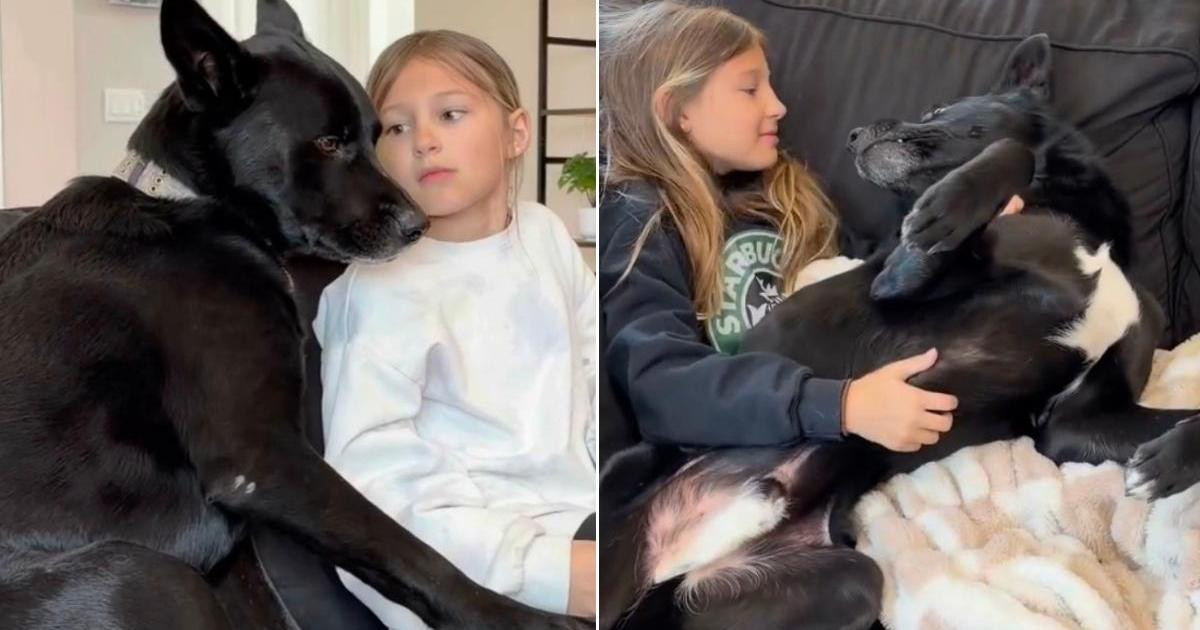
Bosco does not just sit near the little girl who helped bring him home. In every sweet moment her family shared, the rescue dog stays tucked against her, as if he has decided exactly where he belongs.
The moment that says everything happens on a sofa. The little girl is sitting down, and Bosco is right there beside her with his paws resting on her, leaning in close instead of wandering off. A few scenes later, the two of them are asleep together. Then comes another small exchange that dog lovers will recognize instantly: she scratches him, gives him a quick kiss, and Bosco looks completely content, almost as if he is grinning back.
Bosco is a mixed-breed dog, and his path to this family began after his previous owner died. When the family’s daughter saw his photo, she wanted to give him a home. Her request to her parents set the rescue in motion and started what became a very different chapter for Bosco, one centered on a forever home and the kind of daily closeness that cannot be forced.
Since then, Bosco and the girl have become inseparable. He snuggles up to her constantly and stays so close that he comes across less like a casual pet and more like a devoted shadow. In the family’s video, that attachment is impossible to miss. He watches her, curls up with her, and seems unwilling to be anywhere else for long. The family summed it up with a simple thought: they believe Bosco knows she is the reason he got to stay.
That idea struck a nerve online. The video shared by @bosco.and.the.fam took off, drawing more than 54,000 likes and over 800 comments. Viewers fixated on how intently Bosco seemed to adore his “human sister.” Some called him incredibly sweet and said he could not stop looking at her. Others went even further, saying he looked like the kind of dog who would do anything for her.
That is what makes Bosco’s story so easy to pass along. The backstory is sad, the rescue is simple, and the payoff arrives in the quietest way possible: not in a big dramatic gesture, but in a dog who keeps choosing the child who chose him first.
Why some rescue dogs become strongly attached
Many rescue dogs form very intense bonds with the person who feeds them, comforts them, or helps them feel safe during a stressful transition. Dogs learn through association. If a new home quickly becomes the place where fear eases, meals arrive, and routines make sense, the people in that home can take on outsized importance.
Some dogs also show what owners call velcro behavior. They follow from room to room, settle close by, and watch closely for cues. This can be simple affection, but it can also reflect uncertainty. A dog that has had abrupt changes may feel safer keeping its trusted person within sight. Body language helps tell the difference. Soft eyes, relaxed posture, easy sleep, and normal eating suggest comfort. Pacing, whining, panting when not hot, inability to settle, and distress when left alone can signal anxiety.
How to help a newly adopted dog settle in
The most useful thing for a rescue dog is predictability. Keep feeding, walks, toilet breaks, and bedtime on a steady routine. Give the dog a quiet resting spot where no one bothers it. Limit overwhelming introductions at first. A calm home usually helps more than constant excitement.
Use gentle management. Leashes, baby gates, crates, and closed doors can prevent mistakes while the dog learns the household. Reward behavior you want, such as checking in, lying on a bed, or walking calmly. Short, simple training sessions build confidence and communication.
Watch for signs that the dog needs more space. Turning away, lip licking, yawning, freezing, or walking off are early signals. Respecting those signals can prevent escalation. If the dog seems shut down, overly fearful, or panicked when separated, a qualified trainer or veterinary behavior professional can help.
Children and dogs: building a safe bond
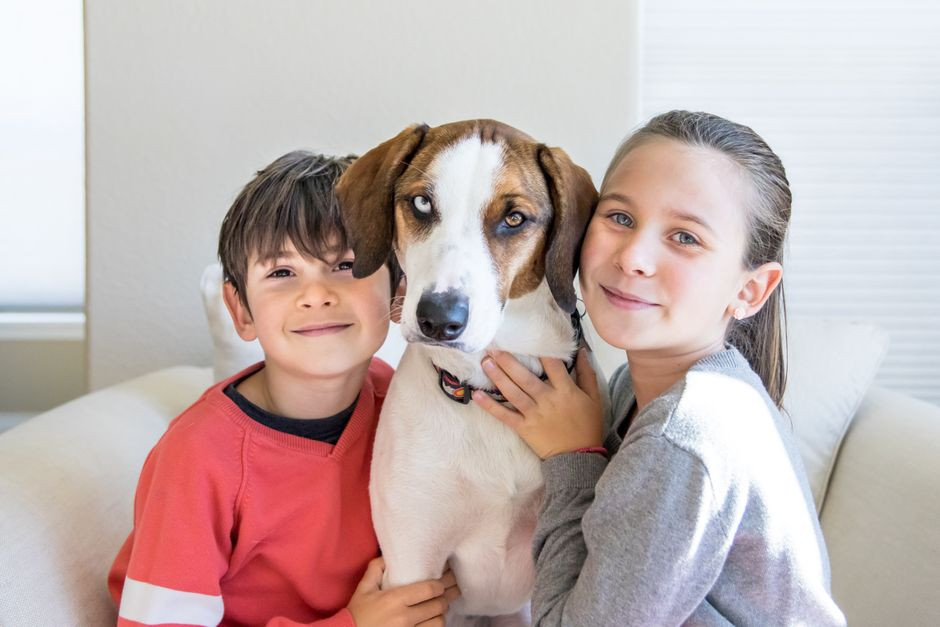
Children and dogs can develop close, healthy relationships when adults manage the interaction. The safest rule is active supervision. Young children should not hug, climb on, corner, or disturb a dog that is eating, sleeping, or resting in its safe spot.
Give children clear jobs that support bonding without pressure. They can toss treats into a mat, help with simple cue practice, refill water with an adult, or join calm walks. This teaches the dog that the child predicts good things, while also giving the child structure.
Teach both sides. Children can learn to notice when a dog wants a break. Dogs can learn that gentle handling, predictable movement, and quiet voices are part of family life. The goal is not constant closeness. It is trust, choice, and routines that help everyone feel safe.
Share this article:





