26 Dog Guide Charts Are A Great Help For Present And Potential Dog Owners

These dog guide charts are the kind of thing that make even casual pet owners stop scrolling. They cover everything from body language and sleep habits to food, safety, and breed quirks, all in one place.
The collection was shared on Reddit and quickly turns into a mix of useful visuals and lighthearted commentary about just how much there is to learn about dogs. Some charts are practical, some are funny, and a few are the sort of thing you wish you had before bringing a puppy home.
Either way, the roundup has plenty to look through, and a few of the charts are surprisingly relatable.
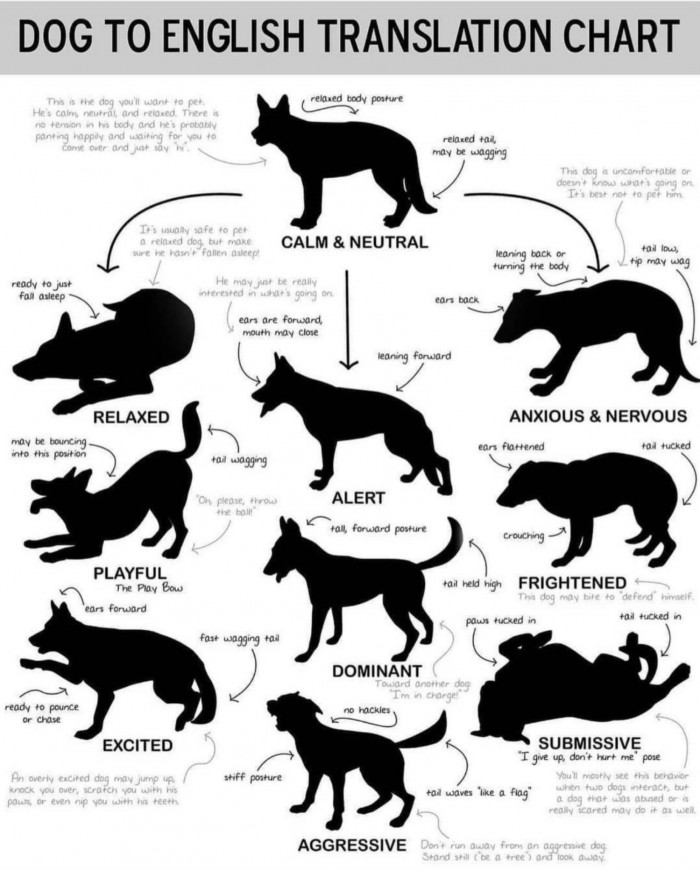
1. Interpretation of dog language in the English language
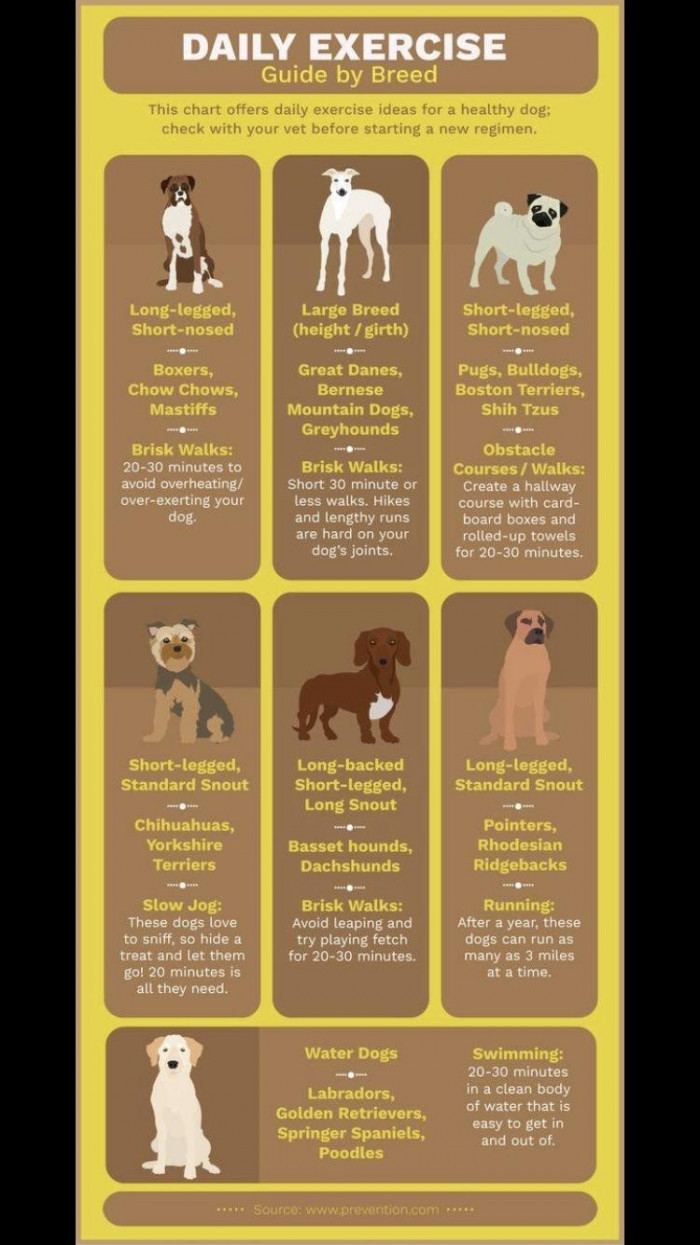
2. Dog exercise guide
3. Dog sleep guide

Comprehensive guides for dog owners play a crucial role in promoting responsible pet ownership.
Educational resources are essential for new dog owners to navigate the complexities of pet care.
4. Dog breed guide

5. Dog breed with respect to genetics
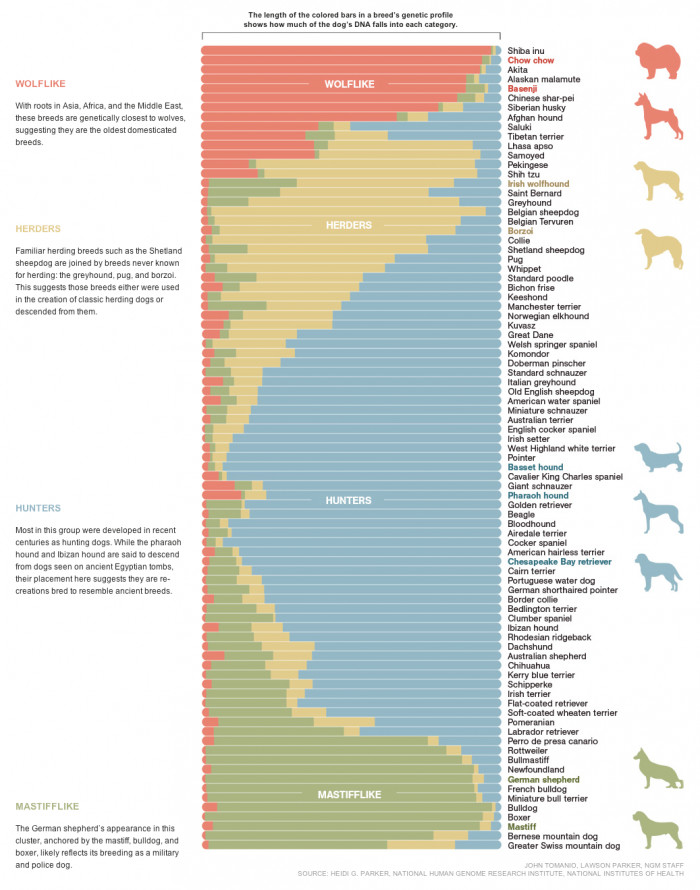
6. Guide to choices dogs make

Additionally, educational resources can empower pet owners to recognize signs of distress or health issues in their dogs.
Additionally, studies indicate that early training and socialization are critical for a dog's development. Dogs that receive proper training in their formative months exhibit fewer behavioral problems as adults. Providing new owners with practical training resources can empower them to foster positive behaviors from the outset, enhancing the dog-owner relationship.
These guides can serve as valuable tools for navigating common challenges and reinforcing the bond between pet and owner.
7. Dog age comparison to Tom Hanks age

8. Guide to dog etiquette

9. Heimlich maneuver guide for dogs

Behavioral insights are essential when it comes to caring for dogs effectively. Understanding canine body language and vocalizations can greatly improve communication between dog and owner. Recognizing signs of stress or anxiety can help owners respond appropriately, creating a safe space for their pets.
For example, noticing when a dog is uncomfortable in a social setting allows owners to intervene and prevent potential issues. This proactive approach not only enhances the dog's experience but also strengthens the bond between them.
10. Dog heat stroke guide

11. Decoding dog's barking sounds

12. Dog health issues with respect to their breed

Moreover, involving experienced dog owners in mentoring relationships can be beneficial. Studies from the Journal of Applied Animal Welfare Science suggest that mentorship programs can significantly improve the confidence of new pet owners, leading to better outcomes for both the pets and their families. Pairing novice owners with seasoned mentors can facilitate skill development and promote responsible pet ownership.
This supportive network ultimately benefits the dogs, creating a more harmonious environment for all.
For real-life planning, it’s like the online community solving dog care while someone attends school.
13. Dog evolution

14. Dog travel safety guide

15. Dog body language guide

In light of these insights, it's essential to create accessible and practical resources for dog owners. Comprehensive guides that address common issues, such as behavioral challenges and health concerns, can empower owners to make informed decisions. Tailoring these resources to the unique needs of different breeds can further enhance their effectiveness.
By equipping owners with knowledge, we can foster healthier and happier pet-owner relationships that benefit everyone involved.
16. Dog food guide
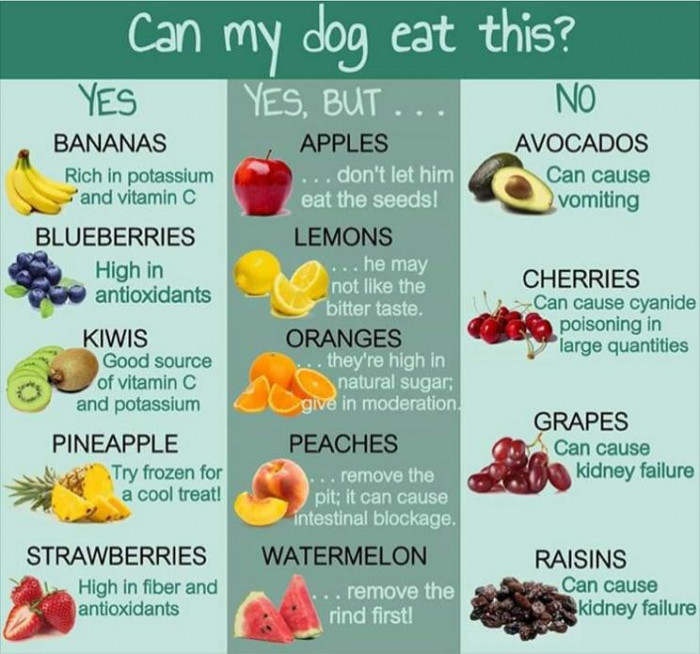
17. Dog food do's and don'ts

18. Service dog guide

In conclusion, the importance of education and community support in dog ownership cannot be overstated.
19. Dog CPR guide

20. Dog medication

21. Dog ear cleaning guide

22. Dog hand signal teaching guide

23. Dog tail signal guide

24. Dog behavior guide

25. Dog chew-o-meter guide

26. Dog emotional dog

In examining the value of the 26 dog guide charts presented, it becomes evident that such resources are essential for both current and prospective dog owners. These guides serve as a foundational tool to navigate the complexities of pet care. By emphasizing the importance of education and community support, the experience of pet ownership can be significantly improved. This not only enriches the lives of owners but also fosters a healthier and more nurturing environment for dogs, ultimately benefiting both parties involved.
The array of dog guide charts presented in the article underscores the critical role that educational resources play in fostering responsible dog ownership. By equipping both current and prospective dog owners with essential knowledge, these guides serve as a roadmap for making informed choices that ultimately enhance the well-being of pets. The emphasis on education highlights a broader understanding that informed owners are better equipped to nurture healthy and fulfilling relationships with their dogs. As the article illustrates, the insights offered in these guides can significantly elevate the quality of life for both pets and their human companions.
After reading these dog care charts, don’t miss the hospital stay devotion in this owner’s hospital loyalty story.
Share this article: