Friend Calls Out Kitchen Hygiene After Watching Dog Lick A Plate

A 28-year-old woman refused to let her friend come back over after one tiny kitchen moment, and it all started with a dog and a plate. But the guest did not see it that way, and the reaction was immediate and intense, enough that they refused to eat at the OP’s home again. What makes it messy is that the OP probably assumed the dishwasher would handle it, while the friend treated the whole thing like a hard line being crossed.
Now the OP is left wondering if her friend is overreacting, or if she genuinely messed up.
Original Post
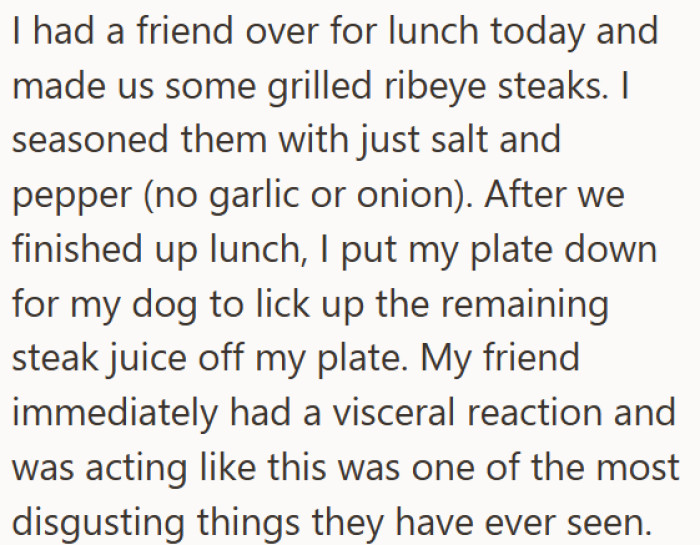
Original Post
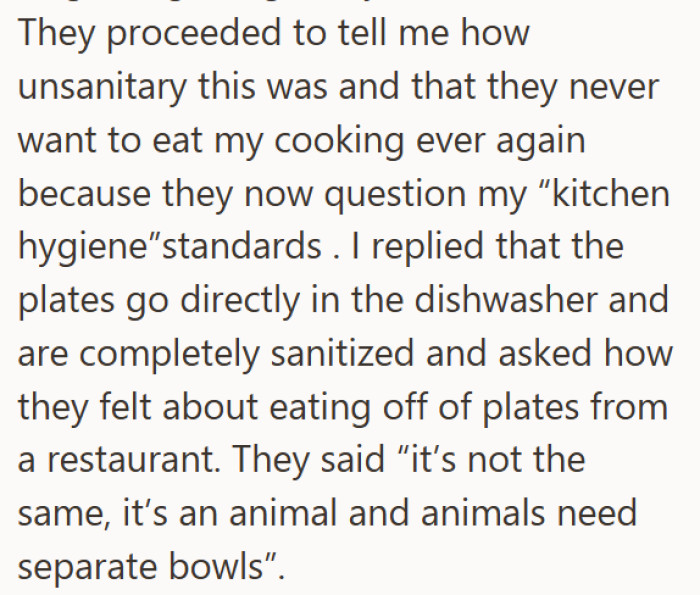
Original Post
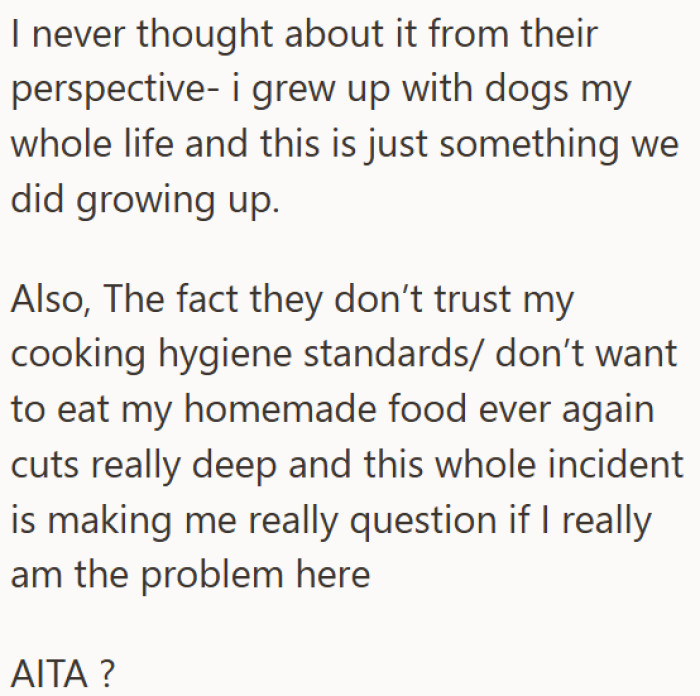
The Divide Over Pet Hygiene
This situation highlights a fascinating divide between pet owners and non-pet owners. While the OP likely considered letting their dog lick the plate a harmless act of affection, the guest clearly viewed it differently. It's a prime example of how personal comfort levels with hygiene can vary wildly. For many, a dog's mouth isn't any less clean than a human’s—after all, those plates go straight into the dishwasher afterward. Yet for the guest, this moment was a dealbreaker, leading to a refusal to return. It raises a crucial question: Can friendships survive such fundamental differences in values?
In a world where we're increasingly aware of hygiene and health, these seemingly small actions can lead to significant rifts. This story serves as a reminder that our habits can unintentionally offend those who don’t share our perspectives.
That’s when the OP’s “it’s fine, the dishwasher will clean it” logic collided head-on with her guest’s disgust after watching the dog lick the plate.
A Lesson in Boundaries
Boundaries, even when it comes to something as seemingly innocuous as sharing a meal, are pivotal in any relationship. The guest’s hard stance on not eating at the OP’s home again may seem extreme, but it underscores the importance of individual comfort levels. The OP likely didn't intend to overstep any boundaries, but this incident shows that what's acceptable in one household can be a dealbreaker in another. This story serves as a reminder that establishing and respecting boundaries is key to maintaining friendships.
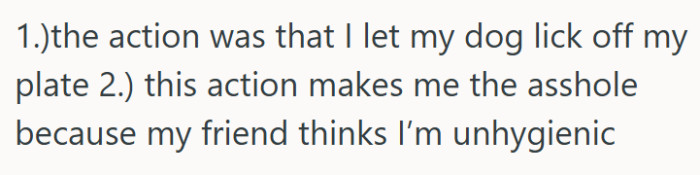
OP has offered the following explanation for why they think they might be the asshole:
Well, that was weird...
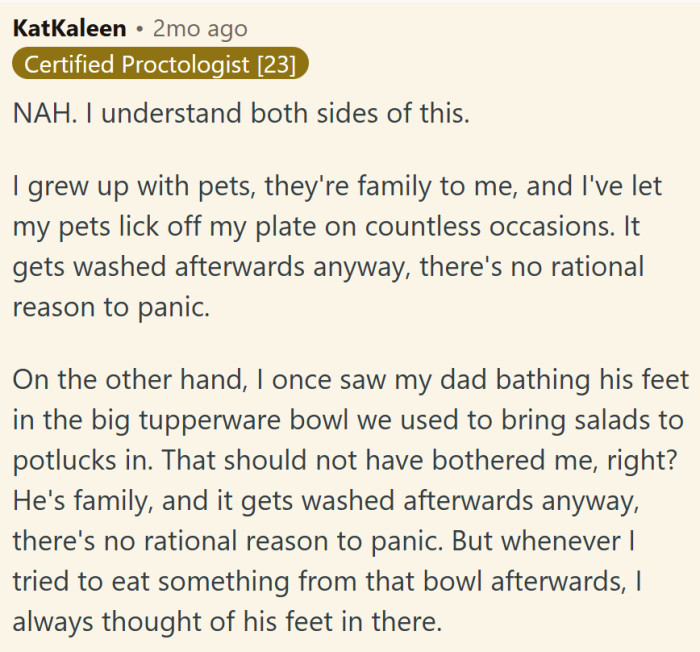
"The thing is, you can't know what a person's limits are."
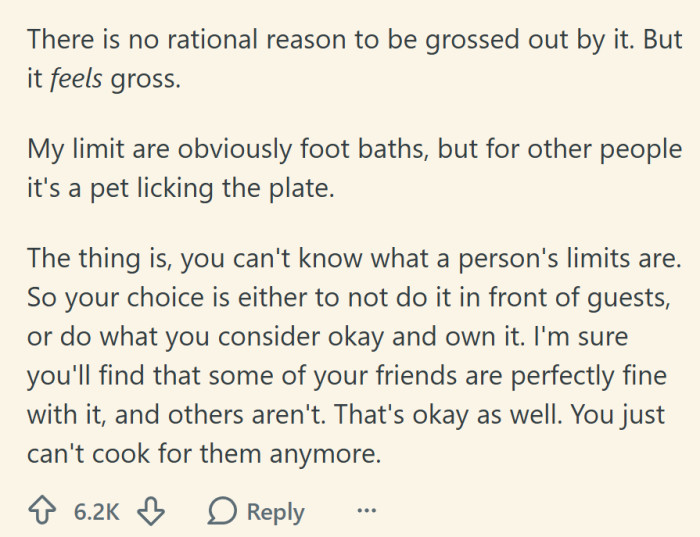
The Divide Over Pet Hygiene section basically spells out the real problem, two people with totally different comfort levels sharing the same kitchen.
Friendship Tested
The OP's situation puts a spotlight on the fragility of friendships. When the guest refused to eat at the OP’s home again, it was more than just a culinary disagreement; it was a rejection of the OP's lifestyle and choices. This serves as a reminder that even the most casual interactions can carry weight. A simple lunch turned into a crucial test of their relationship, revealing underlying tensions about pet ownership and hygiene standards.
The OP likely didn’t anticipate that a well-meaning gesture could lead to such a fallout. It raises the question: How do we navigate friendships when our values clash, and can we compromise without losing the essence of who we are?
This Redditor agrees:
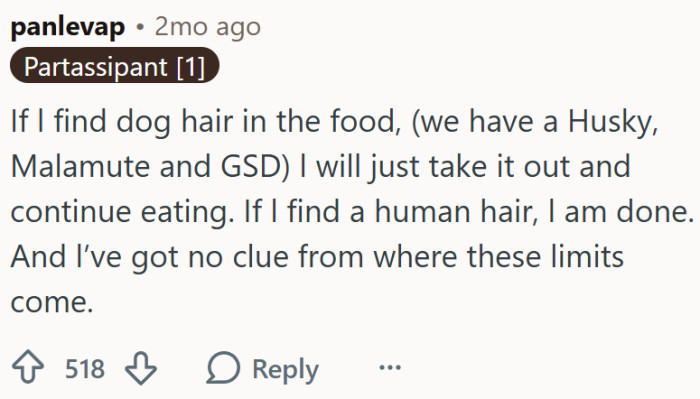
This was a smart move:
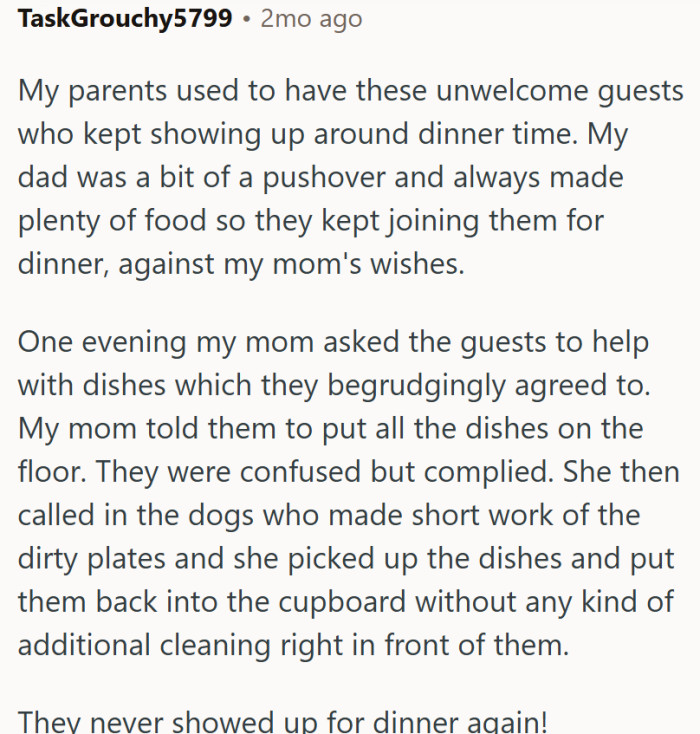
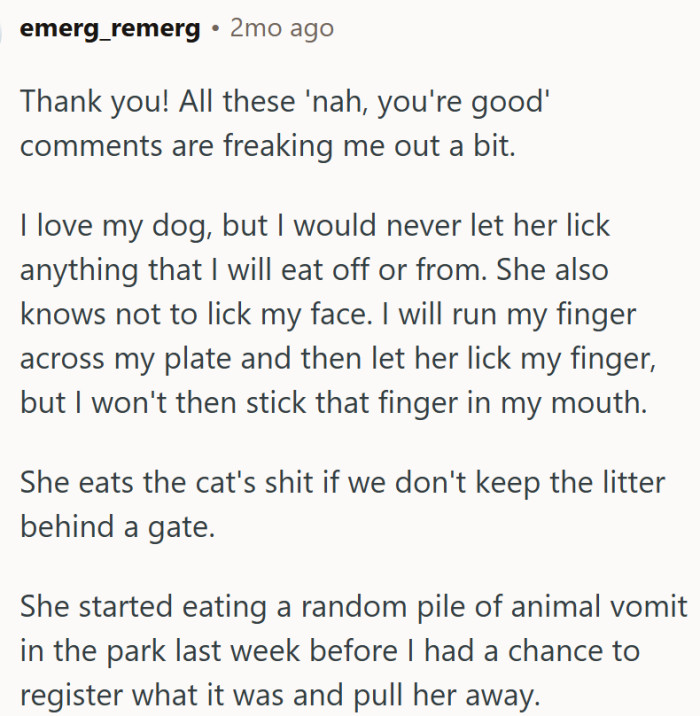
People definitely view hygiene differently...
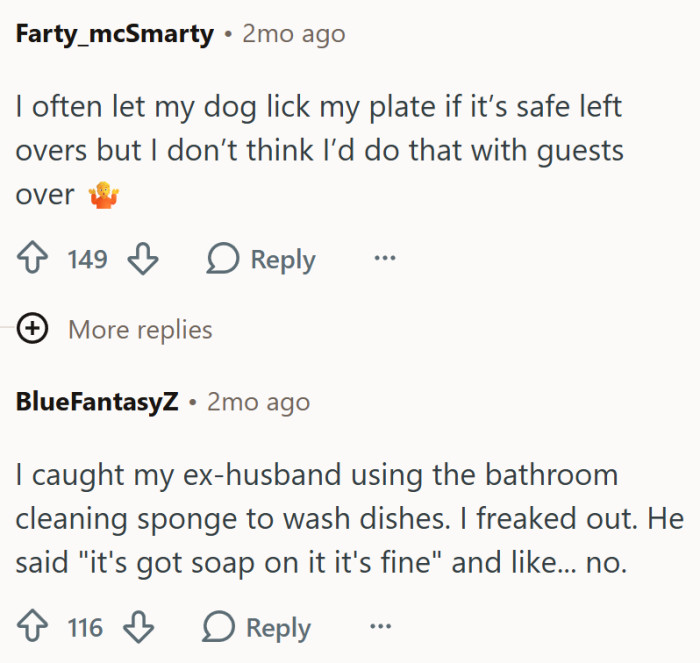
Cultural Norms at Play
This story is a microcosm of broader cultural norms surrounding pets and hygiene.
This gets even messier like the boyfriend who refused to kiss his girlfriend after she kissed the dog.
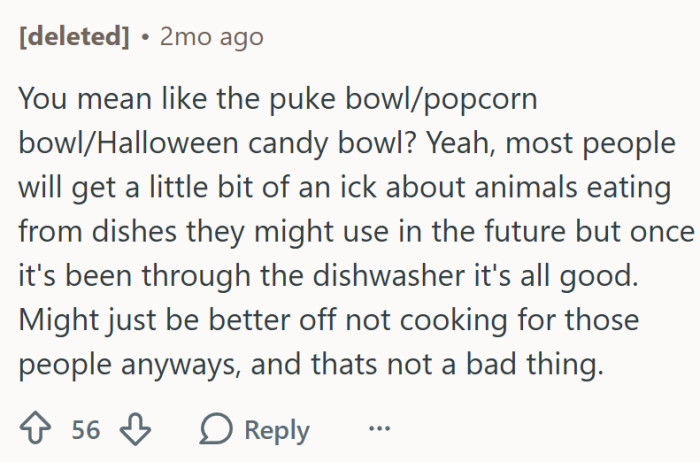
Oh, that bowl...
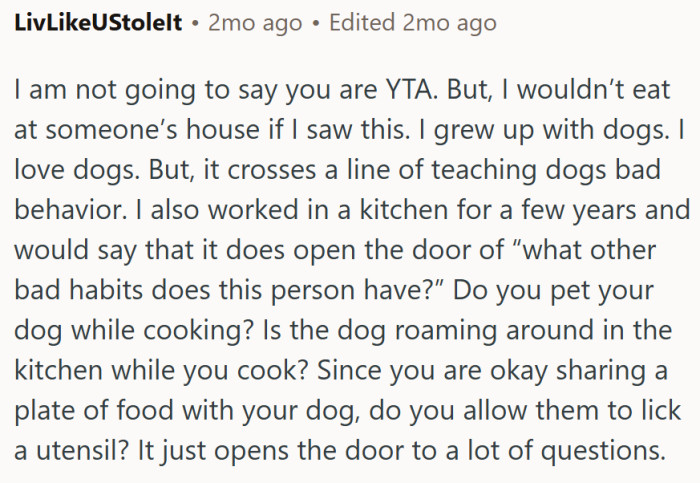
“What other bad habits does this person have?”
It is an interesting view...
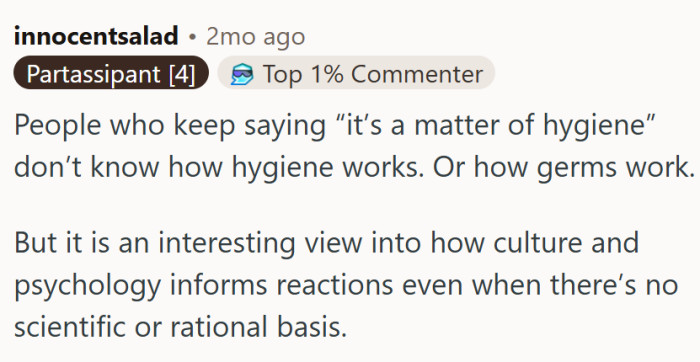
Suddenly the lunch wasn’t just about food anymore, it became a test of whether the guest wanted to keep hanging out with someone who lives like this.
One of the most striking aspects of this story is the apparent lack of communication between the OP and their guest. Did the OP know their friend had such strong feelings about pet hygiene? It’s possible that some lighthearted conversation about the dog before the meal could have mitigated the fallout. The guest’s decision to refuse future meals seems like a rash reaction, yet it could stem from deeper discomfort that wasn’t addressed.
This situation emphasizes the need for open dialogue in all relationships. Often, we assume our friends share the same standards and values, but this story shows that assumptions can lead to misunderstandings, and, in this case, to a broken bond.
"They view food on plates as their food."
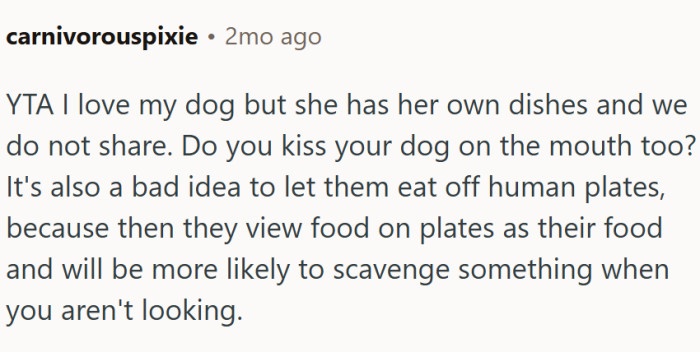
Yes, dogs would eat anything...
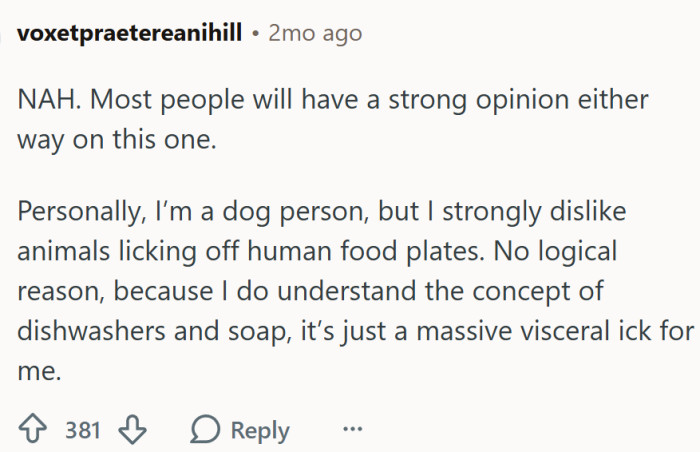
Most people will have a strong opinion either way on this one.
After the guest refused to return, the OP was left trying to figure out where the friendship went wrong, especially since she didn’t think she crossed a boundary.
The Power of Perception
Perception plays a huge role in this conflict. The guest's refusal to eat again speaks volumes about how they view the OP’s choices, not just about pet hygiene but about respect and consideration. For many, eating is a shared experience, and if one feels uncomfortable, it can taint the entire affair. The OP likely viewed the plate licking as a harmless quirk, while the guest perceived it as a lack of concern for their preferences.
This scenario illustrates how personal perceptions can create rifts in friendships. It’s not just about the act itself; it’s about what it symbolizes in terms of respect and understanding within the friendship.
The bottom line is:
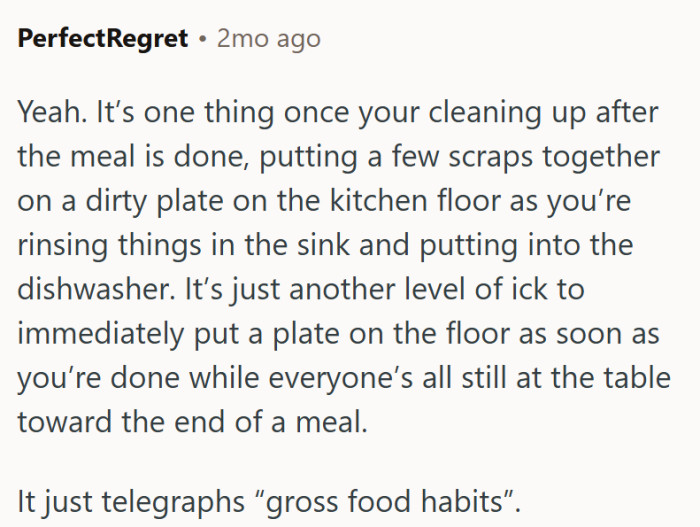
Letting a dog lick a plate is a habit common in many pet-owning households, and opinions on it tend to depend heavily on how someone was raised. From a practical hygiene standpoint, a dishwasher cycle effectively eliminates bacteria, making concerns about contamination largely unfounded.
At the same time, a guest's discomfort regarding food preparation habits is a valid personal boundary. Whether the OP is right or wrong may matter less than whether both sides are willing to understand where the other is coming from.
The Bigger Picture
This story about dog-licked plates serves as a fascinating lens into how personal values and hygiene standards can shape our relationships. It raises significant questions about the expectations we have of each other, especially in intimate settings like a shared meal. Can a friendship withstand such a clash of values, or is the line drawn too firmly in the sand? As readers reflect on this incident, it’s worth considering how our own habits might affect those around us. Are we aware of the boundaries of our friends and how we might inadvertently cross them?
The family dinner did not end well, and the dog-licked plate is the reason.
For another kitchen standoff, see how a wife reacted when her husband left a T-bone out overnight.
Share this article: