
Stray Cat Nora Survives Third Floor Balcony Fall After Four Days Trapped in Thailand

As rescuers climbed long ladders toward a cat stranded on a third-floor balcony in Songkhla, the mission suddenly turned into a race to save her life. The stray had spent four days outside the building in heavy rain, out of reach of residents trying to help. When she jumped, the rescue ended with an urgent trip to the hospital and surprising good news.
Four days where no one could reach her
The female cat had been stuck on the outside of a building in southern Thailand for four days, according to rescuers. She was on a third-floor balcony in Songkhla, exposed to heavy rain while people nearby tried to work out how to get to her.
The problem was not a lack of concern. Residents had been trying to find a way to reach the animal, but the building's caretaker said the setup made that nearly impossible. The balcony was narrow, and iron security bars blocked access. Because of the building's layout, the stranded cat remained beyond reach.
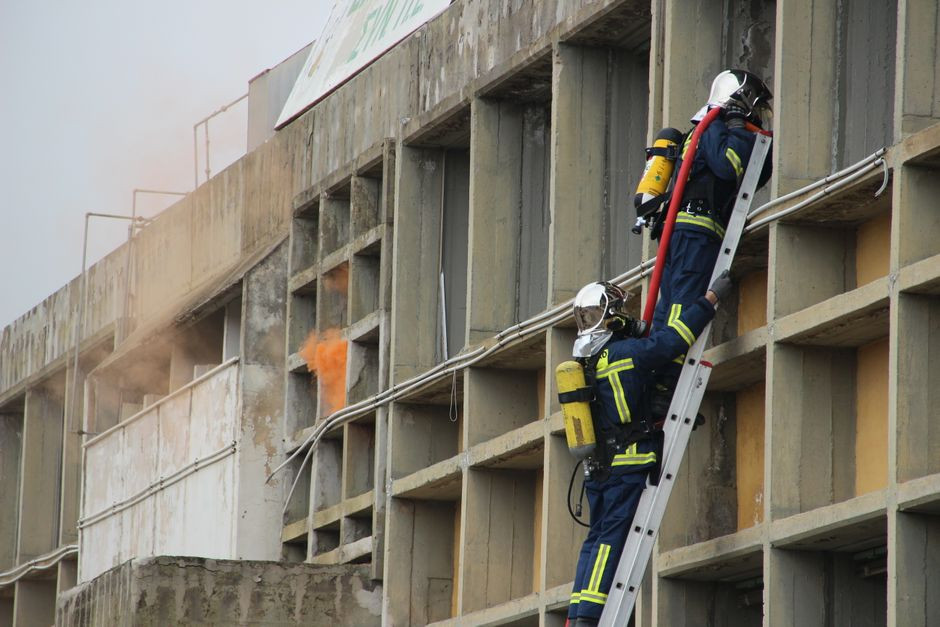
By the time volunteers from The Hope Songkhla for Dogs and Cats rescue group launched an operation on August 7, the stray was described as exhausted. Footage from the scene shows rescuers bringing in long ladders and climbing upward in an effort to reach the balcony from outside. It was the kind of careful, improvised operation often needed when an animal ends up in a place people can see but cannot safely access.
For everyone watching, the goal was simple: get the cat down alive after days of exposure on the ledge. But the rescue took a different turn as the team got closer.
A careful approach becomes an emergency
As volunteers closed in, the cat panicked. The stray reportedly leapt from the third-floor balcony and fell to the ground below before rescuers could secure her.
What had been a balcony rescue instantly became a medical emergency. The cat was found lying motionless, with blood on her mouth. Rescuers moved quickly, scooping her up, placing her in a cage and taking her to the Prince of Songkla University Animal Hospital for emergency treatment.
The images from the rescue capture how quickly the situation changed. One moment, volunteers were scaling the building with ladders. The next, they were rushing the cat to veterinary care after a fall that could easily have caused far worse injuries.
At the hospital, the stray received a name. Rescuers said they named her Nora. From there, the question was no longer how to reach her, but what damage the fall had done. A cat that had already endured days stranded outdoors now faced a full examination to see whether she had broken bones or suffered internal injuries.
Given the height of the balcony and the condition she was in when she was found, the outcome was uncertain until veterinarians completed their checks.
Unexpectedly good news for Nora
The hospital findings brought relief. Vets found that Nora had broken teeth and a wound to her chin, but X-rays showed no broken bones. They also found no lung damage and no internal bleeding despite the fall.
For a rescue that began with a cat trapped behind the limits of a building's design and ended with a leap from the third floor, those results were the best part of the story. Nora was kept under observation, but rescuers said she was in stable condition and out of danger.
That update transformed the meaning of the rescue. Nora had gone from a stray stranded in heavy rain, to an exhausted animal on a ledge no one could easily access, to a patient being rushed into emergency treatment. By the end, she was alive, stable and being monitored by vets.
Her story also highlights the persistence behind many animal rescues. Residents kept trying to find a way to help. The caretaker explained why reaching the balcony was so difficult. Volunteers from a local dogs and cats rescue group brought ladders and attempted a difficult recovery. When events changed, the same effort carried Nora into veterinary care.
For now, the hopeful part is clear. Nora survived the fall, escaped the most serious injuries doctors were looking for, and remains under observation with rescuers saying she is out of danger.
Why a cat can survive a fall, and why it is still an emergency
Cats have a strong righting reflex. When they fall, they often twist to face downward and spread their body to slow themselves. That can reduce the force of impact compared with a stiff, uncontrolled fall. Even so, a cat that seems alert afterward can still have serious injuries.
Common problems after a fall include shock, bruising to the lungs, broken teeth, jaw injuries, limping, bleeding, and internal pain that is easy to miss. A cat may hide symptoms because frightened animals often go quiet instead of crying out. Any cat that has fallen from a height should be checked by a veterinarian as soon as possible, even if it walks away.
What to do if a cat is trapped on a ledge, roof, or balcony
Do not chase or grab suddenly. A scared cat may jump, wedge itself deeper into a gap, or scratch in panic. Keep people, children, and dogs back so the area stays quiet. If possible, place a strong carrier nearby with a towel inside, and use smelly food to encourage the cat toward it.
If the cat is out of reach, contact local animal rescue services, building staff, or a veterinarian for advice. Avoid risky climbing unless trained and properly secured. In hot weather, shade and water matter, but never lean dangerously over an edge to reach the animal. Slow, calm handling usually works better than force.

Safe recovery and prevention
After rescue, keep the cat in a quiet, enclosed space with soft bedding, water, and a litter tray. Limit jumping until a veterinarian says it is safe. Watch for fast breathing, drooling, repeated hiding, vomiting, weakness, or refusal to eat.
For prevention, secure balconies and windows with sturdy screens or netting made for pets. Check gaps in railings, air conditioner ledges, and roof access points. For community cats, regular feeding spots, shelter areas, and humane trapping plans can make emergencies easier to manage and can help rescuers reunite lost pets with their families.
Share this article:





