
Missing Oklahoma Dog Rio Found 1,100 Miles Away in North Carolina and Reunited With Owner

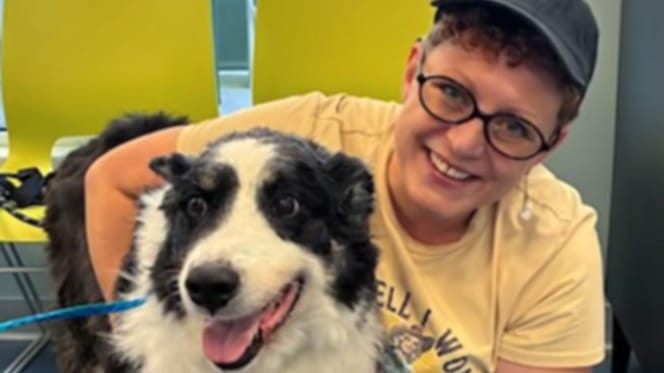
The call that reached Melissa Burris was the kind few pet owners would ever expect. Her missing dog, Rio, had not turned up nearby after days of searching. He had been found almost 1,100 miles away in North Carolina.
A phone call from far beyond home
Rio, a 10-year-old Australian Shepherd, disappeared from the Tulsa area on 30 July after getting away from his owner, Melissa Burris. What followed was a search close to home. Burris checked local rescue centres and shared appeals on social media, but nothing led her to him.
Then came the update that changed everything. On 11 August, someone in Greensboro, North Carolina, saw a stray dog wandering in the street and brought him to a local rescue centre. Staff there did what shelters routinely do with an unknown dog. They scanned him for a microchip.
The scan showed that Rio was chipped, and when the shelter team checked the registration information, they found an address in Oklahoma. According to Jorge Ortega, director of Guilford County Animal Services, Burris was stunned when staff contacted her to say they had Rio. The reason for her disbelief was easy to understand. Her dog had not simply turned up in the next town or county. He had surfaced nearly 1,100 miles from where he went missing.
From Oklahoma to Greensboro
The distance between where Rio vanished and where he was located is what makes the case so unusual. His story stretches from Oklahoma to Greensboro, linking a missing dog case in one state with a rescue centre in another.
The known timeline is short and striking. Rio went missing at the end of July. He was found nearly two weeks later in North Carolina. That meant Burris spent days searching without a clue, while Rio somehow ended up far from home before a stranger finally got him to safety.
The reports of his disappearance and discovery leave no doubt about the basics. Rio was lost. Burris looked for him. A person in Greensboro spotted him as a stray and took him in. Shelter staff identified him through his microchip. The phone call that followed connected a dog in North Carolina with an owner in Oklahoma.
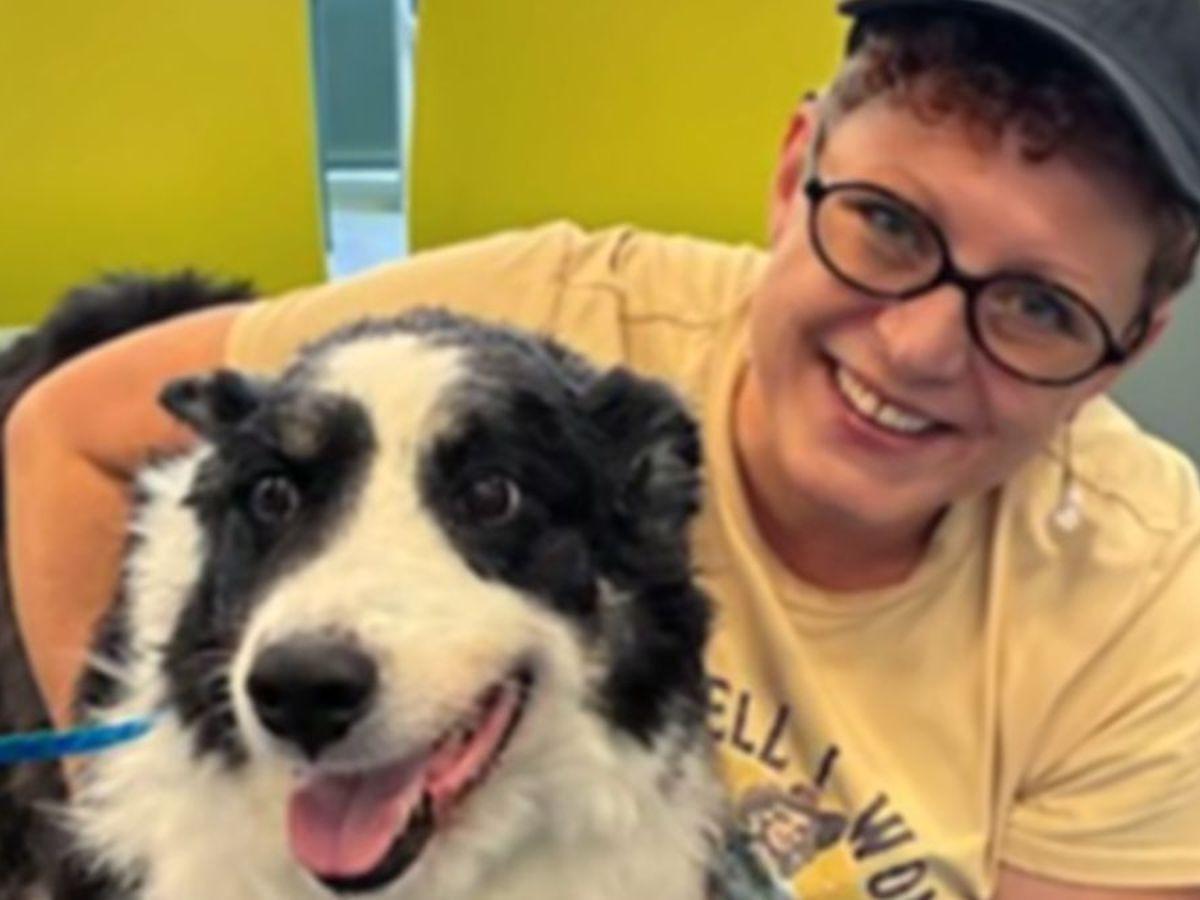
It also led to what the headline outcome promised: Rio was reunited with his owner. After a search that had brought Burris no answers, the reunion came from a rescue centre in a state she could never have expected to hear from.
The part no one can explain
What remains unresolved is how Rio covered so much ground in so little time. Both local authorities and Burris agree that it is highly unlikely he made the entire trip by himself in less than two weeks.
That leaves only questions. Someone driving through could have picked him up. He may have ended up riding in the back of a lorry. There are theories, but no confirmed account of how he got from Oklahoma to North Carolina.
For now, the route remains a mystery, even though the ending is clear. A dog that vanished near Tulsa was identified in Greensboro because he had a microchip, and the call that followed ended with Rio back with his owner.
That is the heartening part of this strange journey. However he arrived so far from home, Rio was recognized, traced, and returned. In a story full of unknowns, the most important detail is the one that did not stay uncertain: he was found, and he made it back to the person looking for him.
How pets are identified and reunited
When a lost dog turns up far from home, the reunion usually depends on one simple thing: identification. A visible tag on a collar gives the fastest path back to an owner, because any finder can call right away. A microchip adds a second layer of protection. It is a tiny implant placed under the skin that can be read with a scanner at many shelters and veterinary clinics.
A microchip only helps if the registration details are current. If a phone number changes, the record needs to be updated. It also helps to list a backup contact who can answer if you cannot. Recent photos, including close shots of the face and any unusual markings, make it easier to prove ownership and create alerts quickly.
Why a missing dog may turn up far away
Dogs can cover surprising distances, especially if they are frightened, chasing wildlife, following people, or picked up and moved by a well meaning stranger. Some are found by drivers, taken to shelters, or passed between households before anyone realizes they are lost. That is why owners should search both locally and more broadly.
If a pet goes missing, act fast. Check nearby streets, parks, trails, and places with food or water. Call local shelters, veterinary offices, and animal control services, then keep checking back. Post clear photos and a short description in neighborhood groups and lost pet pages. Ask finders not to chase a scared dog, since that can push it farther away. Instead, they should note the location, use a calm voice, and offer food from a safe distance.
Practical steps that improve the odds
The best time to prepare for a lost pet is before one goes missing. Keep a collar with an ID tag on your dog, even indoors if it is safe to do so. Make sure the microchip is registered and tested at routine vet visits. Save current photos to your phone and keep a simple file with your pet’s description, medical needs, and proof of ownership.
Good prevention matters too. Secure fences and gates, use a leash and well fitted harness on walks, and check doors before visitors arrive. For dogs that panic during storms, fireworks, or travel, create a plan in advance. A little preparation can make the difference between a long search and a quick, safe return.
Share this article:





