Golden Retriever’s Blood Donation Spurs Call for More Dog Donors in Limestone Coast

A golden retriever’s blood donation helped save another dog, turning one act at a Limestone Coast veterinary practice into a wider appeal to pet owners. The message from vets is simple: more suitable, healthy adult dogs are needed on donor registers as demand for canine blood grows.
The story begins with a golden retriever giving blood that was used in a lifesaving donation for another dog. From that single case, a veterinary practice in South Australia’s Limestone Coast is encouraging owners to think about whether their own dogs could do the same.
The practice is urging people with suitable, healthy adult dogs to consider registering them as blood donors. The need is increasing, and vets say one donation can make a major difference. A single blood donation from a dog can help save as many as four other dogs.
That potential reach is one reason clinics are trying to build stronger donor networks. The push is not limited to one practice or one region. Around the country, several veterinary practices are creating registers of dogs that may be able to donate when needed. Some clinics have gone further and established blood banks for dogs and cats.
For pet owners, the appeal is a reminder that animal care can depend on other animals, too. One healthy dog’s donation may become urgent help for several others. In the Limestone Coast case, a golden retriever’s contribution did exactly that, and vets are hoping more owners will step forward so the next dog in need has a better chance.
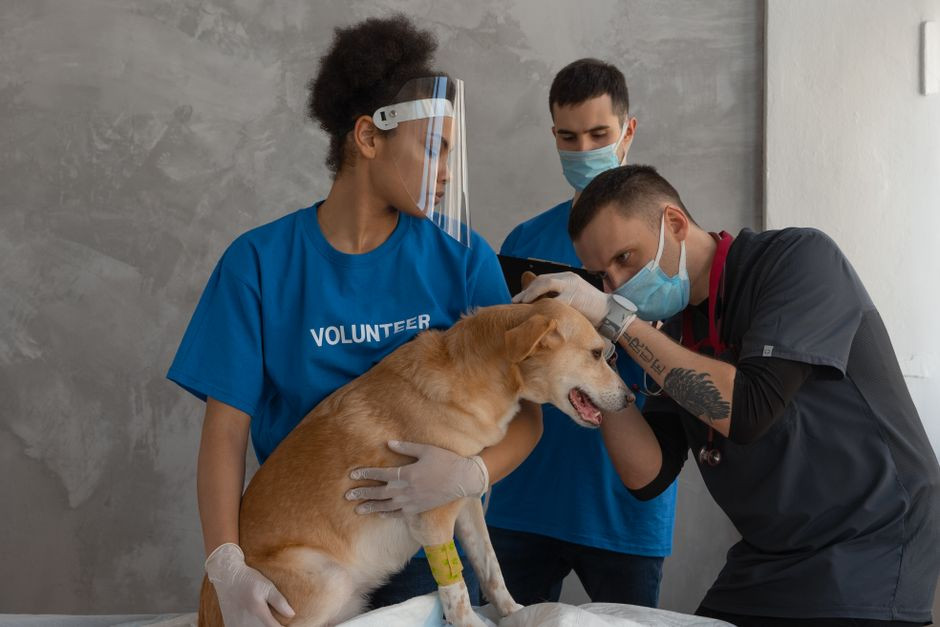
Why dogs need blood donors
Veterinary teams use donated blood much like human hospitals do. It can help dogs that have lost blood after an injury, need support during surgery, or are dealing with illnesses that affect red cells, platelets, or clotting. Some patients need whole blood, while others may receive separated products, depending on what problem is being treated.
Matching matters because dogs have different blood groups. Clinics try to choose the safest match available, especially for pets that may need repeat transfusions. Even when a transfusion is urgent, vets weigh the likely benefit against the risks and monitor closely during treatment.
How dog blood donation usually works
A donor dog is usually given a health check first. Clinics often look for dogs that are calm, healthy, up to date with routine preventive care, and large enough to give blood safely. Recent illness, certain medicines, past transfusions, or some travel history can affect eligibility, so owners are usually asked detailed questions.
The donation itself is generally straightforward. Blood is commonly taken from a vein in the neck, often with a small patch of fur clipped. Most dogs stay awake and are gently restrained. Staff watch for stress and stop if a dog is not comfortable. Afterward, donors are typically offered water, a snack, and a quiet rest. Many are back to normal quickly, though some may be a little tired for a short time.
Collected blood is usually tested and stored carefully. How long it can be kept, and what products can be made from it, varies by clinic and region.
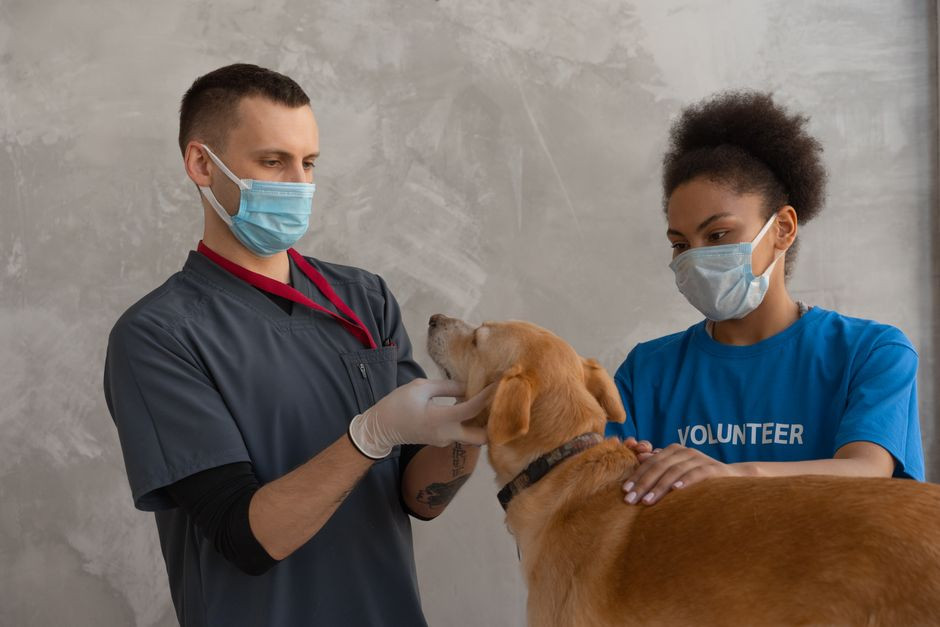
What owners can do
If you think your dog might be a suitable donor, start by asking your regular vet whether there is a local donor program, emergency hospital, or blood bank that accepts community dogs. Ask what age range, size, temperament, and medical history they require, because rules can differ.
Before an appointment, make sure your dog is comfortable being handled around the neck and staying still for a few minutes. Bring a list of medicines, supplements, and recent health issues. After donation, follow the clinic’s advice on rest, meals, and exercise for the rest of the day.
Even if your own dog is not eligible, you can still help by sharing accurate information, encouraging routine vet care, and learning where the nearest after hours veterinary service is. A ready supply of donors can make emergency treatment possible when time is short.
Share this article: