
Golden Retriever Puppy Honey Bea Mason Wakes Up, Spots Mom at the Window, and Rushes Over for Cuddles

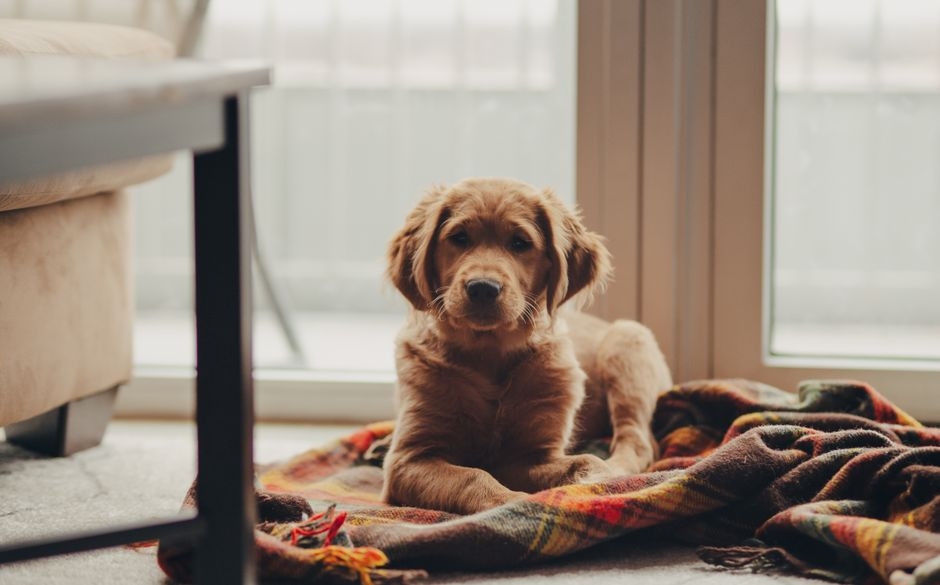
Honey Bea Mason was still curled up on a couch chair when a small family scene outside the window changed everything. The Golden Retriever puppy opened her eyes, spotted her mom waiting there with a toddler, and turned a sleepy moment into an eager greeting that drew attention far beyond home.
The video begins quietly. Honey Bea Mason is asleep on a cozy couch chair, resting peacefully while her mom stands outside the window with Honey’s human sibling, a toddler. On screen, text sums up the setup in a simple way: “Nothing better than waking up and seeing Mom.”
What follows is the kind of moment dog lovers recognize instantly. Honey wakes up, notices the pair at the window, and her drowsiness disappears. Her tiny tail starts wagging, and the puppy moves toward them with obvious excitement, looking thrilled to see both her mom and the child. The clip centers on that quick change from sleepiness to affection, as Honey heads over ready to give back the love she has just spotted waiting for her.
Why the moment resonated
Honey’s owner shared the video on Instagram through the account @hudsonbegood, where it quickly found an audience. The caption captured the feeling behind the clip by describing the kind of unconditional love dogs give their people.
Viewers clearly connected with that idea. The post passed 12,000 likes, and the comments filled with praise for Honey’s greeting. People described it as incredibly sweet and precious, with some focusing on how clearly the puppy seemed to know and love her family.
There is not much drama in the scene, and that is part of its appeal. A puppy wakes up, sees the people she loves, and wastes no time crossing the room for attention and cuddles. In a short video, Honey Bea Mason shows how ordinary family moments can become memorable when a dog’s whole heart is on display.
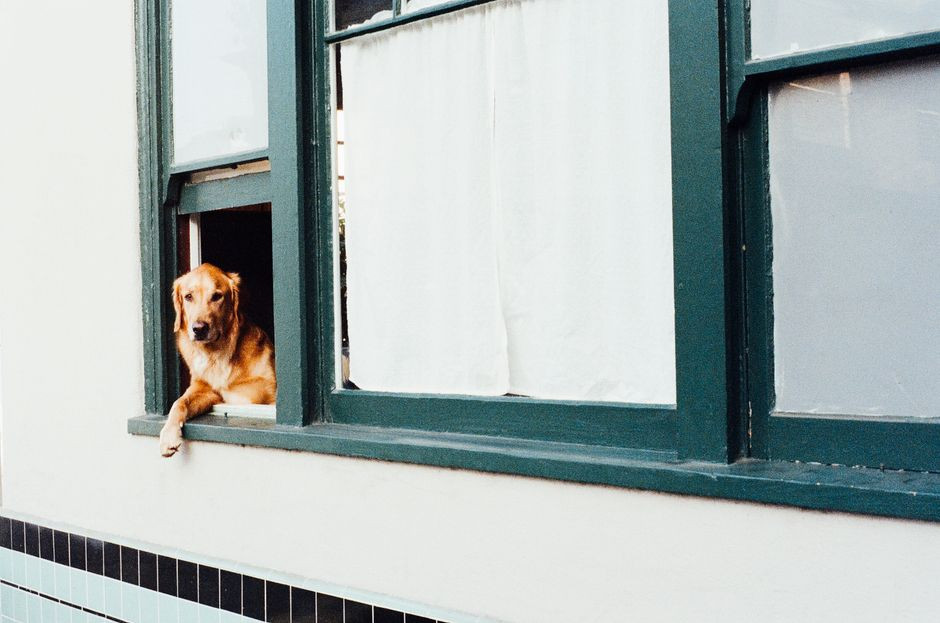
That is what seems to have stayed with viewers: the image of a Golden Retriever puppy looking out, recognizing her people, and meeting them with immediate affection. For anyone who has ever been greeted by a dog as if they were the best thing in the world, Honey’s window-side wake-up feels instantly familiar and full of hope.
Why puppies hurry to greet their people
Young dogs quickly learn to connect a person’s face, voice, scent, footsteps, and daily routine with comfort and safety. When a puppy notices someone familiar, the fast approach is often simple social attachment. Puppies are especially likely to rush over after waking, because they move from rest to social excitement very quickly.
Dogs also pay close attention to windows, doors, and other places where people usually appear. Many can recognize movement patterns before they fully identify a person. A relaxed body, loose tail wag, soft eyes, and a wiggly approach usually mean friendly anticipation. If a puppy seems frantic instead of happy, slowing the greeting down can help prevent jumping, mouthing, or slipping on floors.
What cuddling means, and how to keep it positive
Cuddling is one way some dogs seek closeness, warmth, and reassurance. Not every dog enjoys the same amount of physical contact, and preferences can change with age, energy level, and mood. A dog that leans in, stays nearby, or settles into touch is usually inviting contact. A dog that turns away, stiffens, licks lips repeatedly, or leaves the area may want space.
For safe, pleasant cuddles, let the dog approach first. Pet along the chest, shoulders, or side of the body rather than reaching straight over the head. Keep greetings calm if the puppy is very excited. Brief pauses during petting are useful. If the dog comes back for more, that is a good sign the interaction feels comfortable.
Useful habits for raising a confident, affectionate puppy
Predictable routines help puppies feel secure. Regular sleep, meals, toilet breaks, play, and quiet time make social greetings easier because the puppy is less likely to be overtired or overstimulated. Short training sessions can teach a puppy to sit or place paws on the floor before getting attention, which keeps affection from accidentally rewarding rough behavior.
If a puppy spends time near windows, make the area safe. Remove anything that could fall, block access to unsafe ledges, and watch for overexcitement at passersby. It also helps to teach short periods of calm independence so attachment does not turn into distress when a person leaves. Simple steps like offering a chew, using a bed or mat, and returning without making every arrival dramatic can build confidence over time.
Share this article:





