Reddit Community Discusses What Food Is Legitimately Good For Dogs As Opposed To Food That's Just Advertised As "Healthy"

Dog food labels can look reassuring at first glance, but plenty of pet owners still end up wondering what is actually worth buying. In this Reddit discussion, people weigh in on the gap between food that sounds healthy and food that really seems to work for dogs.
The conversation gets messy fast, with users calling out marketing, brand loyalty, picky eating, and the way pet owners try to make sense of ingredients. Some comments are blunt, some are skeptical, and a few are pretty personal.
1. Someone asked:

2. "Healthy good ingredients is just marketing."

3. "If dogs can make all the taurine they need, why are veterinarians getting all worried about it?"

The conversation around dog food and its nutritional value is critical for responsible pet ownership. Research in veterinary nutrition indicates that not all foods marketed as 'healthy' are appropriate for dogs. Pet owners must navigate a complex landscape of marketing and scientific information to ensure they are making informed choices for their pets. Understanding the specific dietary needs of dogs can help prevent health issues related to improper nutrition.
The market for pet food is inundated with claims of health benefits, which can lead to confusion for dog owners. Research in the Journal of Animal Science indicates that many pet owners are not adequately informed about the nutritional needs of their pets, often relying on marketing rather than scientific evidence.
This disconnect can lead to poor dietary choices that may adversely affect a dog's health.
4. A picky eater is the main problem for all fur parents, not just dogs. Make sure to provide vitamins to sustain the nutrients that are needed.

5. Not all vets are knowledgeable enough about dog foods and supplements; some are paid to advertise their brands.

6. "It made me sick to my stomach thinking I was doing something that could have ended his life early."

Moreover, the impact of diet on behavior cannot be overstated.
Moreover, the pressure to choose 'healthy' foods can create anxiety for pet owners. A study from the University of Pennsylvania found that pet owners often feel overwhelmed by the myriad of options available and the fear of making the wrong choice.
This can lead to decision fatigue, affecting their ability to choose the best food for their pets.
7. Benefits of MDC (Madre cacao tree) oil.

8. "How did you determine the healthiness of certain brands?"

9. Marketing strategy is a trap.

Education is key in making informed decisions about pet food. Pet owners are encouraged to seek resources that provide evidence-based information about canine nutrition. Additionally, PetMD offers comprehensive guidelines on how to choose appropriate dog food, emphasizing the importance of consulting with veterinarians for personalized recommendations. This proactive approach ensures that owners are equipped to make the best choices for their pets.
Emotional factors often play a significant role in pet food selection. Pet owners frequently anthropomorphize their pets, attributing human-like qualities to their dietary needs.
This can lead to decisions based more on emotional attachment than on factual nutritional information, potentially compromising the pet's health.
It gets even riskier when you keep doing what vet warns about throwing sticks for dogs.
10. "Right, and where is the evidence that their food is healthy and normal?"

11. Always discuss with your trusted veterinarians about your dog's health and diet in the long run.

12. Feeding dogs the same as wolves since they have the same ancestors, but make sure to add dog foods since they are considered domesticated animals.

Furthermore, discussions surrounding dog food can serve to raise awareness about broader issues in pet care.
To make informed choices, pet owners should educate themselves about canine nutrition.
13. Don't just listen; learn to research.

14. Effects on dogs.

15. All-natural food.

To ensure dogs receive proper nutrition, owners should prioritize reading labels and understanding ingredient lists. This knowledge can empower them to distinguish between marketing hype and actual nutritional value. Additionally, owners should consider their dog's specific health needs, age, and activity level when selecting food. Consulting with pet nutritionists or veterinarians can further enhance these choices, ensuring that dietary decisions support the dog's health and well-being.
Engaging with a community of pet owners can foster better decision-making regarding pet nutrition.
16. Fur parents usually buy dog foods with well-known brands and nice packaging.

17. Always ask trusted sources.
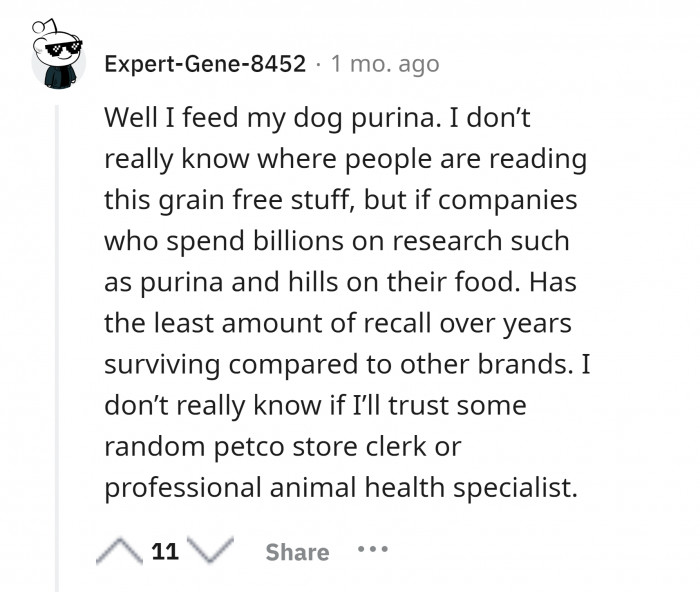
18. Different names but the same nutrients.

Moreover, participating in workshops or seminars on pet nutrition can empower owners to make educated decisions. These educational opportunities can provide clarity on the nutritional needs of pets and debunk common myths perpetuated by marketing.
Research indicates that informed pet owners are more likely to make healthier choices for their pets, leading to improved overall well-being.
19. "Overconsumption of fillers they use in place of grains."

20. Always have a proper consultation with the vet and a deeper understanding of the dog's health status and diet.

21. "I had no idea Blue Buffalo was a bad choice for dog food."

For responsible pet owners, researching the food that you give to your pets is part of your responsibility.
As dog owners sift through the overwhelming array of pet food options, the importance of informed decision-making cannot be overstated. The Reddit community's discussions illuminate the need for awareness regarding what truly constitutes healthy dog food versus what is merely marketed as such. The psychological influences that drive pet food choices can lead to confusion, making it vital for owners to tap into community insights for guidance.
By fostering knowledge about canine nutrition, pet parents are empowered to make choices that enhance their dogs' health and well-being. This collective effort not only benefits individual pets but also promotes a culture of informed pet ownership that prioritizes the well-being of our furry companions.
Choosing the right food for dogs is not merely a choice but a fundamental responsibility that directly impacts their health and behavior. The article highlights how dog owners are increasingly turning to community discussions to navigate the often confusing landscape of pet nutrition. By focusing on education regarding canine dietary needs, owners are better equipped to make informed decisions that improve their pets' quality of life. This emphasis on open dialogue around food choices not only empowers individual owners but also cultivates a sense of shared responsibility within the pet care community, reinforcing the idea that what we feed our dogs is crucial to their overall well-being.
Still handing out snacks like they are harmless? See health specialists’ warnings about frequently given dog snacks.
Share this article: