
Lee Asher Says Goodbye to Molly, the First Dog Who Helped Build The Asher House

Molly was there before the sanctuary, before the nonprofit, before the cross-country RV years and the giant pack that would later become familiar to millions of animal lovers. After 16 years together, Lee Asher has shared that the little dog he once met trembling in a Florida shelter has died, closing the chapter on the companion he says helped him find his purpose.
Before there was The Asher House
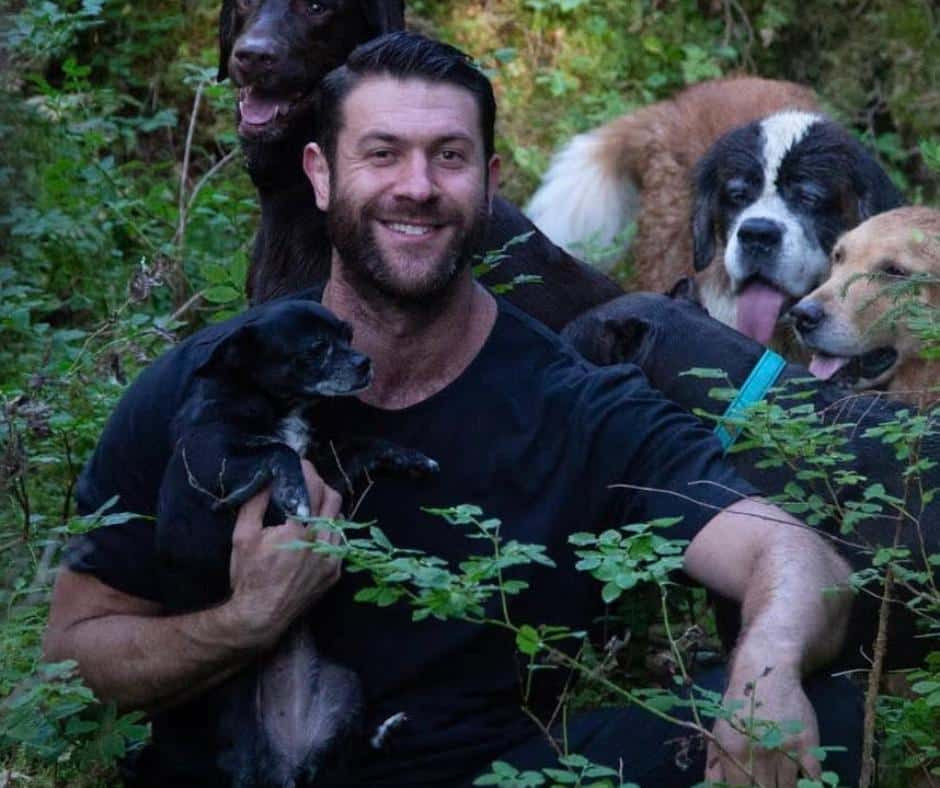
Long before his life became centered on rescue, Lee Asher was a man in his twenties working as a corporate trainer and moving often from one city and state to another. On a trip home to Florida 16 years ago, he visited an animal shelter and met a small dog named Molly who was shaking with fear.
He has described that time in his life as a wild, party-heavy phase. Molly, meanwhile, seemed scared of nearly everything. By his account, they looked like an unlikely match. But the relationship that started in that shelter became the one that would shape almost everything that came after.
Molly was not just an early pet in Asher's story. She was his first dog from what would eventually become a much larger pack, his steady travel partner, and one of the dogs he credits with helping point him toward the work that later became The Asher House. Before there was a sanctuary, before the nonprofit existed, and before rescue became the organizing force of his life, there was simply Asher and Molly learning how to move through the world together.
He has said that they grew up side by side. In that sense, Molly's importance went beyond companionship. She belonged to the years when his adult life was still taking shape, and she stayed close as his priorities changed. The frightened dog he first met in Florida became the witness to his transformation from a young corporate employee into someone devoted to animals on a much larger scale.
A life built together on the move
Because Asher's work took him all over the country, Molly went with him. They lived in apartments in different places, creating a sense of home out of temporary spaces as long as they were together. Some of the memories he holds most tightly are not dramatic ones. They are small, ordinary scenes from the years before the public knew their names.
In bitter winters in New York and Chicago, for example, apartment hallways became Molly's play space. Asher has remembered tossing a ball down the corridor and watching her chase it, then hurry back with her tail wagging, ready for the game to start again. The picture is humble and intimate, but it says a lot about the kind of bond they built. The life they shared was not made meaningful only by milestone moments. It was also built from repeated routines in whatever place they happened to land.
Over time, their world expanded. Molly later traveled across the United States with Asher during the RV period that became such a defining part of The Asher House story. According to Asher, the pair visited 48 states together. Their years on the road included hikes, waterfalls, walks, road trips, and countless other adventures that would have been impossible to predict on the day he first saw her frightened in a shelter.
Asher has framed Molly's story as a lesson in mutual change. He taught her, he has said, but she also taught him. The dog who once seemed overwhelmed by the world came to experience a life of enormous range, and in the process she helped direct the man beside her toward a future centered on rescue. By the time The Asher House grew into a sanctuary and nonprofit, Molly was no longer just the dog from the beginning. She had become part of the reason that beginning mattered so much.
When adventure gave way to gentler days
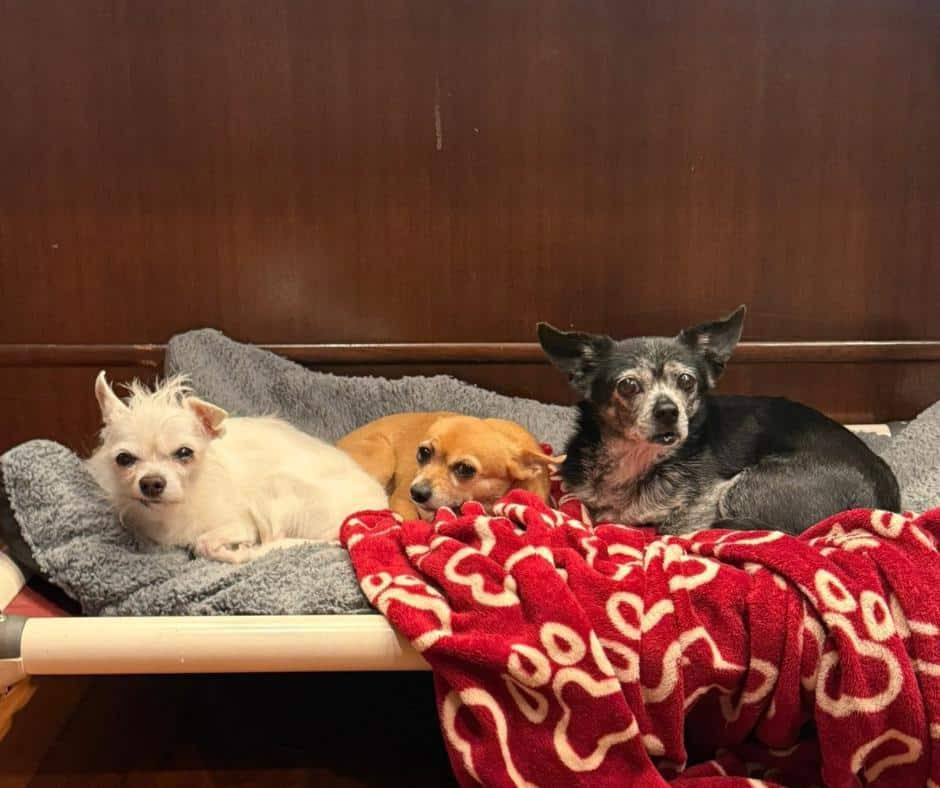
Age eventually changed the rhythm of Molly's life. In her final two years, she developed dementia. That meant she could no longer join the pack on long walks, because she might become confused or lose track of where she was. The sweeping adventures that defined so much of her middle years gave way to a quieter routine.
Asher treasured the smaller pieces of time they still had, especially mornings and evenings. Those calmer windows became more precious as Molly slowed down. Even as her world narrowed, the qualities that made her beloved remained intact.
He remembered her as a dog who loved to give kisses, including the imperfect version that comes with old age. He joked about her bad breath, but the detail underscored how closely he still watched and cherished her in her senior years. Molly had gone from a fearful shelter dog to what he described as the queen of the house, adored in a family far larger than the one that existed when he first brought her home.
That contrast is one of the most affecting parts of her life story. Molly's early fear did not disappear by magic, and the report of her later years does not turn her into some larger-than-life canine hero. Instead, what stands out is something warmer and more familiar to dog lovers. She was a dog who found safety, then belonging, then a central place in a household and mission that grew around her. Even as age and dementia changed what she could do, they did not erase who she was to the people around her.

The goodbye that closed an era
Molly's final crisis came suddenly. Asher said she began straining and was unable to urinate, which led to an emergency visit to the veterinarian. There, he learned that a large tumor was blocking the area and preventing her from emptying her bladder.
Veterinarians could not place a catheter. Emptying her bladder required another procedure, one Asher described as painful, and Molly was given medication to keep her comfortable. The choices in front of them were grim. Given her age and the extent of the surgery that would have been needed, he said the veterinarian's recommendation made clear that there was no good way forward.
He and his team had gone to the emergency clinic hoping the problem would be something treatable. Instead, they were forced to face the choice between allowing more suffering or letting her go. They chose to spare her further pain.
Molly died in Asher's arms. In her final hours, he surrounded her with affection and with the kinds of indulgences reserved for a deeply loved dog at the end of a long life. He said she had chocolate and cheese. Even while uncomfortable, she was still giving him kisses.
For Asher, the loss is about more than saying goodbye to an old dog. Molly represented an entire stretch of his own life. She knew him before the sanctuary, before the nonprofit, before rescue became his daily calling. She was there when he was moving from city to city, and she was there when he discovered what he wanted his future to be.
He has said that losing her felt like losing a huge part of himself. That is the cost of a bond that lasts nearly an entire adult life. But Molly's place in the story does not end with her death. Asher said the work will continue. There will still be animals to save and lives to change. The difference now is that one of the dogs who helped make that work possible will be remembered at the center of it.
For dog lovers, that may be the part of Molly's story that lingers longest. A frightened little shelter dog did not simply find a home. She helped create a life, and then a mission, that reached far beyond the two of them.
Share this article:





