
After 110 Degree Heat and Another Heartbreak, Travis the Shelter Dog Is Still Waiting

When Charlie died suddenly from a blood clot, Travis lost the dog who had become his closest companion at the shelter. For a five-year-old who had already been left behind in 110-degree heat, it was one more blow in a story that keeps circling back to the same question: who will finally come for him?
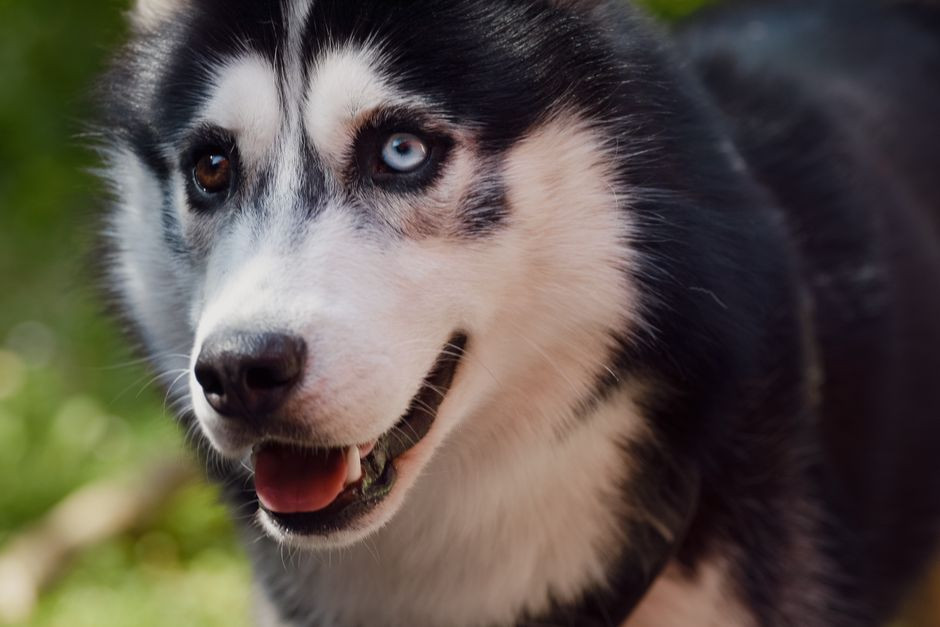
Travis is a Siberian Husky and German Shepherd mix with one blue eye and one brown eye, the kind of face that should make him impossible to overlook. But he is waiting at Avenal Animal Shelter in California, a small rural shelter where foot traffic is light and the right adopter may never simply walk through the door.
Before he got there, his owner abandoned him in Avenal in extreme heat, according to the account shared about him. Somehow, after that, Travis still showed up at the shelter as a gentle, affectionate dog. The description of him says he is the sort of dog who wants to press close to a person, cuddle, and soak up attention.
A hard stretch, even by shelter standards
The shelter was not all loneliness at first. Travis bonded with another dog there named Charlie, and the two became close. For a dog who had already lost his home, that friendship gave him company while he waited.
Then Charlie suddenly died from a blood clot. The loss left Travis without the friend he had leaned on inside the kennel environment. The shelter post describing him does not soften what that means. It presents Travis as a dog who has been through repeated upheaval, first abandonment, then shelter life, then the death of the companion he had found there.
Even so, the same description says he continues to meet people with sweetness. He is described as gentle, kind, and easy to love. He reportedly does well with other dogs, and he also passed a cat test by remaining calm around cats, a detail that could widen the pool of homes where he might fit.
What happens next
Right now, the biggest obstacle may be visibility. Travis is in a rural shelter that sees few visitors, so the people trying to help him are asking others to share his story in hopes of finding either an adopter or a foster family.
They say distance does not have to be the reason he gets left behind again. Transportation can be arranged, even if the person willing to take him in lives hours away or in another state.
Travis is listed at Avenal Animal Shelter, 1284 Hydril Rd, Avenal, CA 93204. People interested in adopting, fostering, or helping through rescue can contact the shelter at (559) 633-3115, Monday through Friday from 10 a.m. to 4 p.m., to ask about his current status and the adoption process.
For now, the dog with the mismatched eyes is still there, still waiting for someone to see past the losses and decide he is worth the trip.
Why some shelter dogs struggle to get adopted
Animal shelters are meant to keep dogs safe, fed, and medically cared for while they wait for a home. But shelter life can also be stressful. Loud kennels, unfamiliar people, limited rest, and repeated disappointment can make even friendly dogs seem withdrawn, jumpy, or overly excited.
That matters because many adopters make quick first impressions. A dog that barks, paces, or shuts down in a kennel may behave very differently in a quiet home. Some dogs are passed over because they are older, larger, have plain coloring, need training, or simply do not show well in a stressful environment.
If you are considering adoption, ask staff what the dog is like outside the kennel. Request a walk, a yard visit, or a foster report if one exists. Ask what routines, triggers, and comforts help the dog settle. A short, noisy greeting is not always a fair picture of the dog you would live with.
What heat does to dogs
Hot weather is hard on dogs because they do not cool themselves the way people do. They rely mostly on panting, shade, rest, and water. High temperatures, hot pavement, humidity, thick coats, anxiety, and limited airflow can all raise risk.
Early warning signs of heat stress include heavy panting, drooling, bright red gums, weakness, vomiting, confusion, and collapse. If a dog seems overheated, move them to a cooler place right away, offer water, and use cool, not icy, water on the body. Then contact a veterinarian promptly, because heat illness can worsen fast.
For everyday prevention, walk during cooler parts of the day, test pavement with your hand, provide shade and fresh water, and never leave a dog in a parked car. Dogs in kennels, crates, or transport runs also need airflow and breaks from direct sun.
Useful ways to help dogs waiting for homes
Adoption is only one way to help. Fostering gives dogs a break from the shelter and helps staff learn how they behave in a home. That can make matching easier and can reveal whether the dog is house trained, comfortable with visitors, or needs a quieter setting.
If you cannot foster or adopt, practical support still matters. Volunteers often help by walking dogs, providing enrichment, washing bedding, transporting animals, or taking better photos and videos for adoption listings. Donations of time, basic supplies, and attention can improve a dog’s comfort and visibility.
When choosing a dog, think less about a perfect first meeting and more about fit. Ask about energy level, handling, medical needs, and how long the dog may need to decompress. Many dogs need patience before their real personality shows.
Share this article:





