
50 Times Pets Went Full Gremlin The Second Their Owners Looked Away

Pets don’t need much to go full gremlin. One second you’re putting together a desk, the next you look away and something is already happening. A single minute is apparently all it takes for a cat to decide your homework needs a snack, or for a baby goat like Woody to be “great” at one job and a disaster at the next.
In this collection, the chaos hits fast and weird. There’s the neighbor-visit cat who comes back with a little snack, the one who thinks “No Soup For You” is a personal vendetta, and the proud pet who stole a sandwich like it was their job. Even the “I think I’ll just… yep, this is a good place” moment turns into a full-on mystery of how that became the best spot in the house.
And every time it starts with someone blinking.
1. "I Was Putting Together A Desk And Looked Away For One Minute"
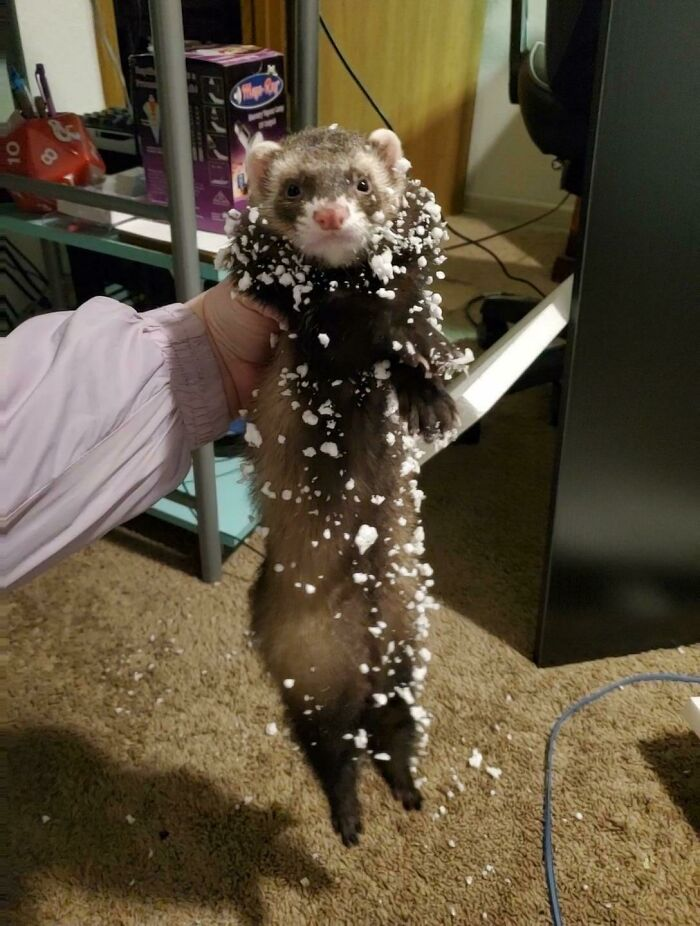
2. Rude
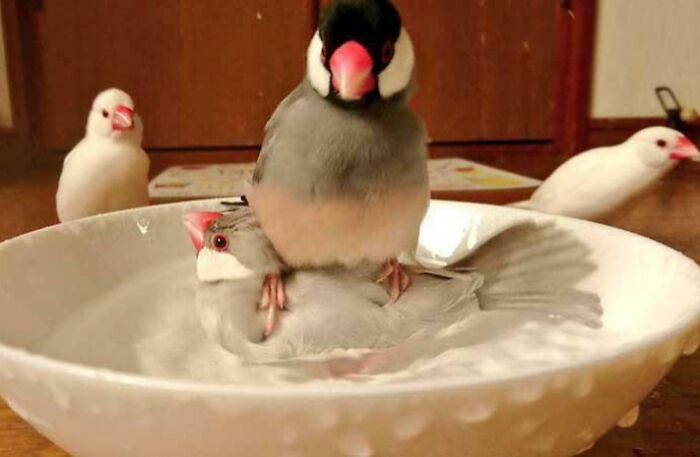
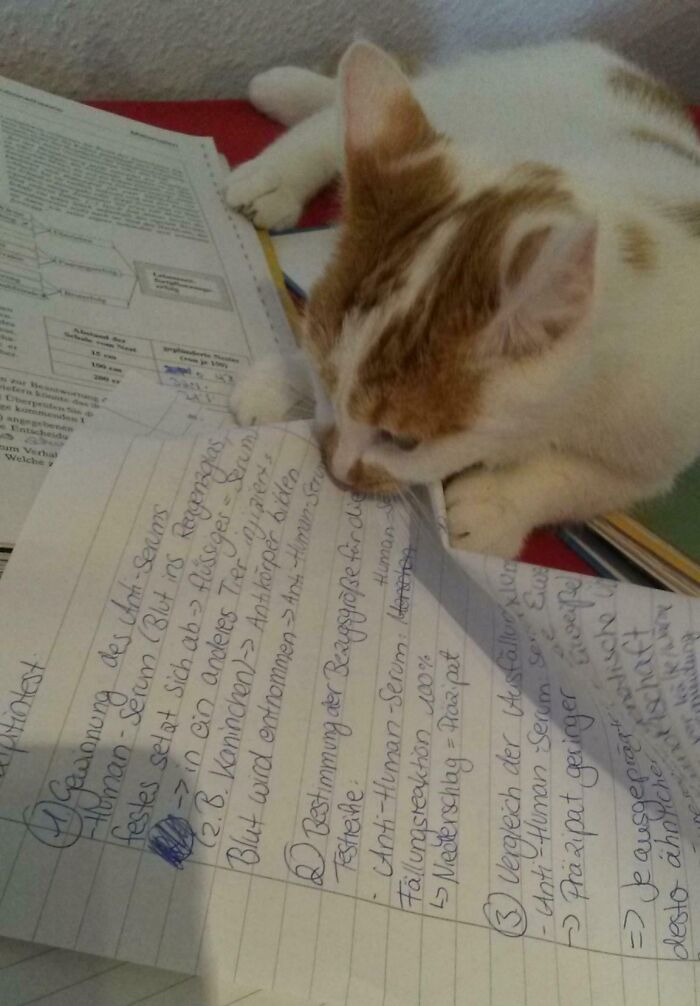
3. "My Cat Actually Tried Eating My Homework"
The antics captured in the article highlight a common thread among pet owners: the unpredictable chaos that ensues when our furry companions are left unattended. Pets, with their natural curiosity, can quickly turn into little troublemakers when they find themselves unsupervised.
To combat this whirlwind of chaos, providing stimulating toys and engaging in regular playtime emerges as a necessary strategy. These measures not only channel their boundless energy but also foster a happier, healthier pet. The moments captured in this collection serve as a reminder of the importance of mental and physical engagement for our pets, ensuring that they remain entertained and less likely to indulge in their gremlin-like antics.
4. "I Think I'll Just... Yep, This Is A Good Place"

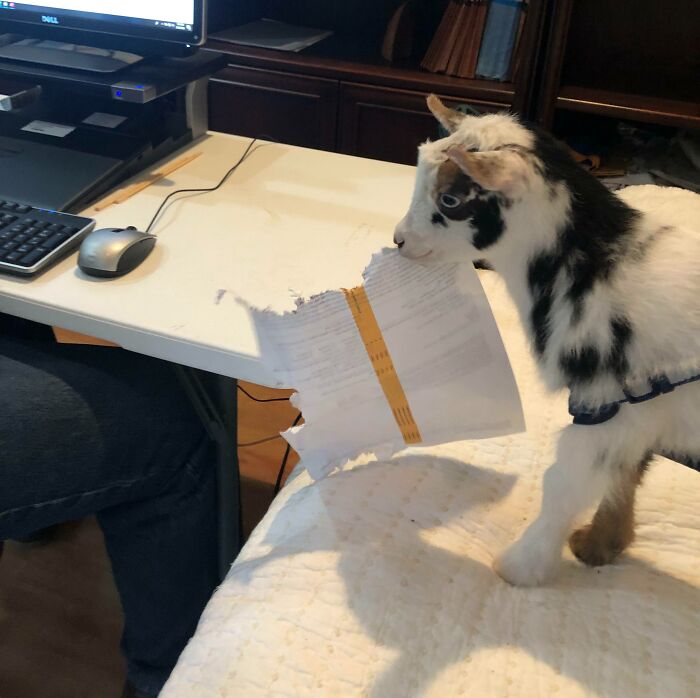
5. Woody Is Great At Being A Baby Goat, But Makes For A Terrible Secretary
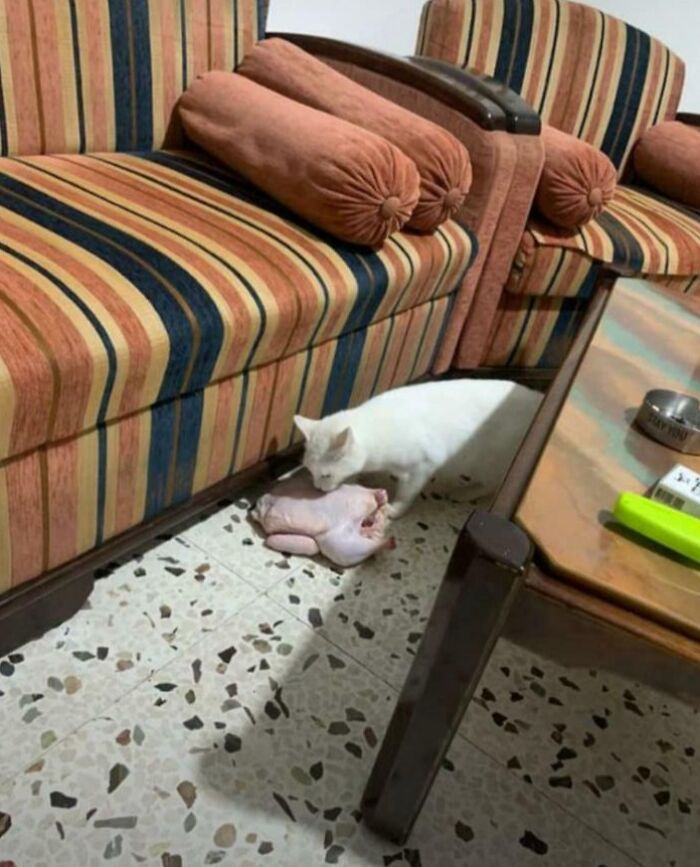
6. "My Cat Occasionally Visits Our Neighbors. Today She Came Back With A Little Snack"
Animal behaviorists frequently observe that pets often act out in the absence of their owners. This phenomenon can be attributed to separation anxiety, a common issue among dogs and cats. When left alone, they may resort to destructive behaviors as a coping mechanism.
Creating a safe, engaging environment with toys can also help ease their anxiety. Understanding these behavioral cues can foster a happier and more secure pet.
7. “No Soup For You” - Piper, Probably
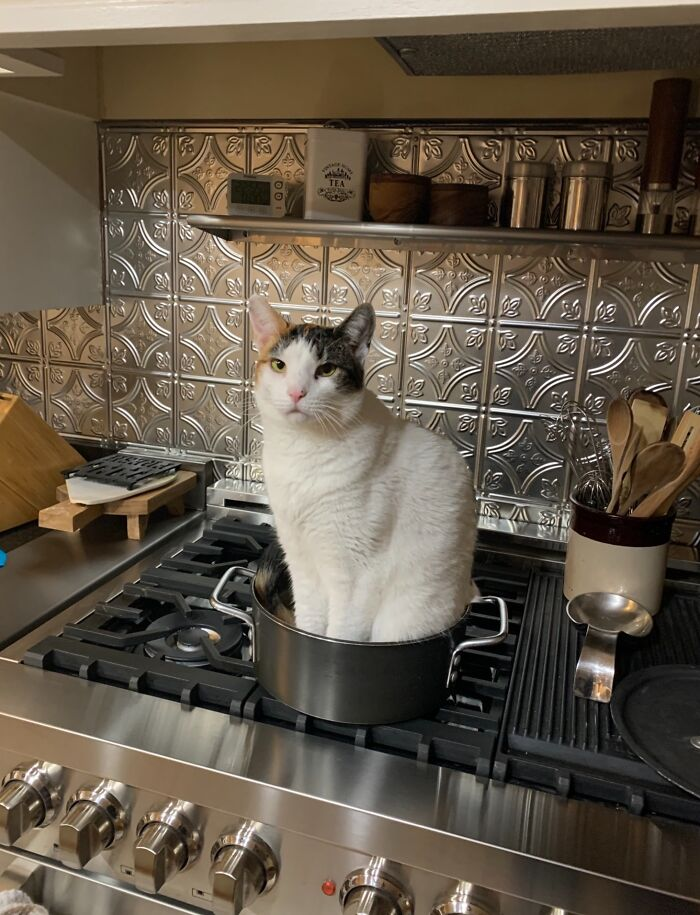
8. "He's So Proud About It"

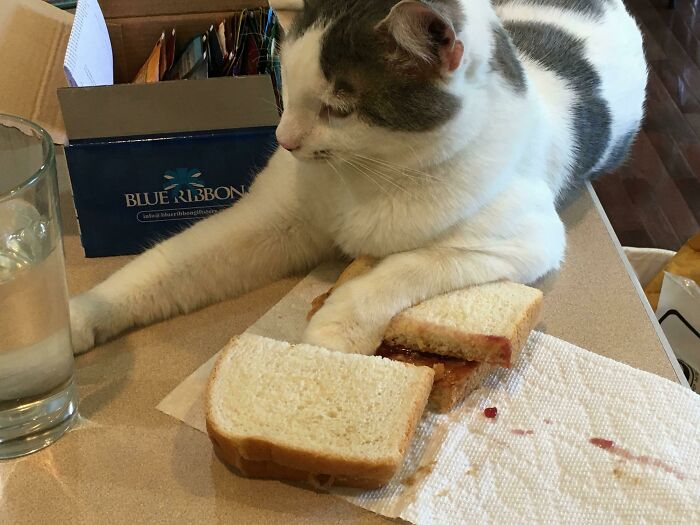
9. "He Stole My Sandwich"
The second the owner looked away while assembling the desk, the whole “this will be quick” plan collapsed instantly.
In the chaotic world of pet ownership, the moments of mischief captured in this article highlight a fundamental truth about pet behavior. Consistent training is essential for shaping how our furry companions behave when we are not watching.
When pets are not given guidance, they often seize the opportunity to indulge their more mischievous instincts. Positive reinforcement emerges as a key strategy for pet owners. By rewarding desirable behavior, owners can foster an environment where pets learn to engage in activities that do not involve turning the living room into a playground of chaos.
Integrating training into daily routines not only helps mitigate the gremlin-like antics captured in these amusing moments but also strengthens the bond between pets and their owners. This approach transforms training into a fun and engaging experience, ultimately leading to a more harmonious home where both pets and their humans can thrive together.
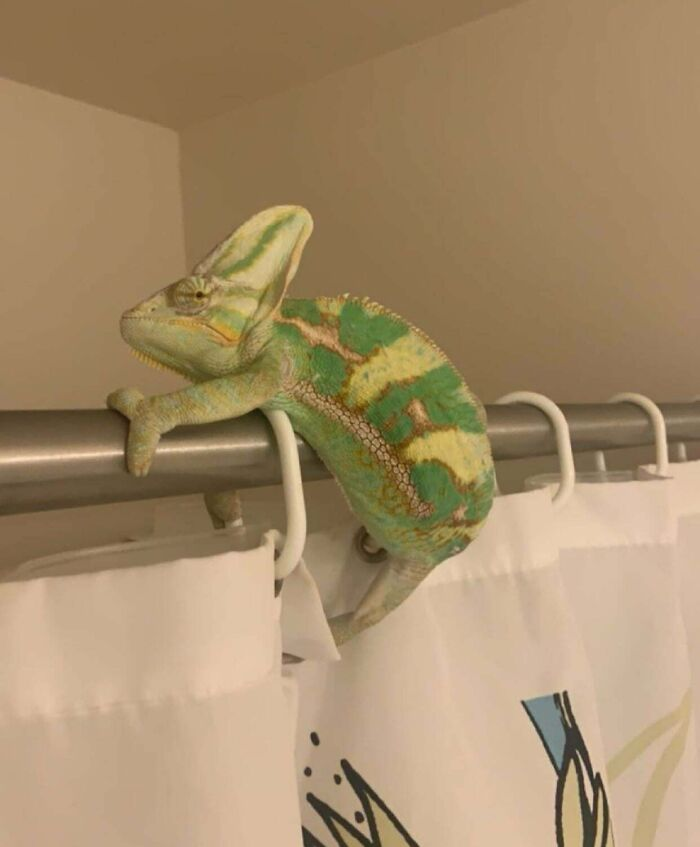
10. "Opal Getting Some Humidity In The Bathroom While I Shower"
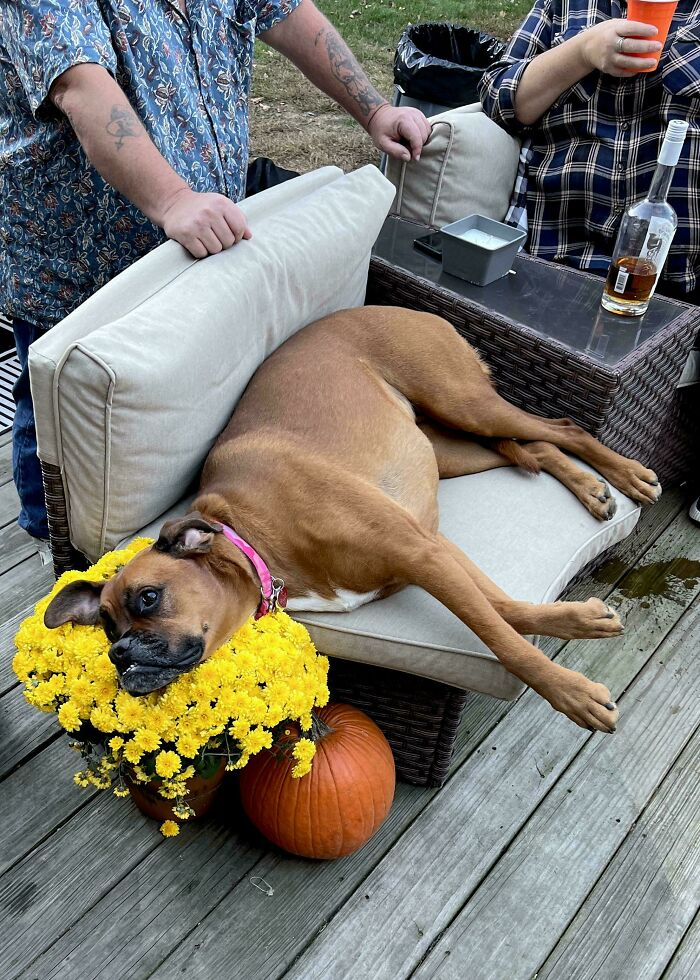
11. Those Are Some Nice Flowers, Would Be A Shame If Someone Smushed Them
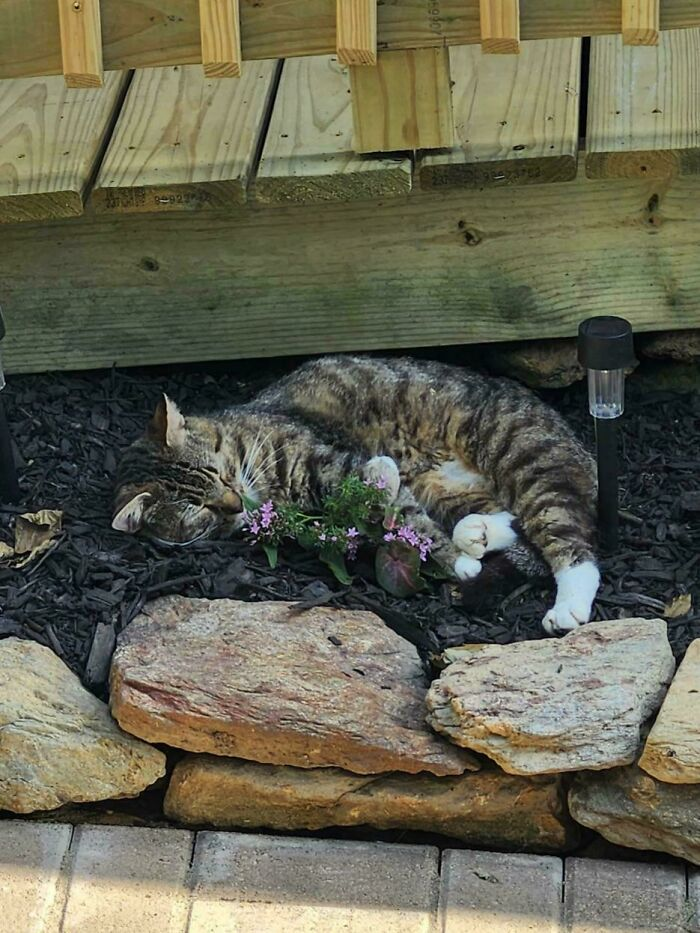
12. "My Cat Brought A Live Mouse In And Lost It In My Room. Again"
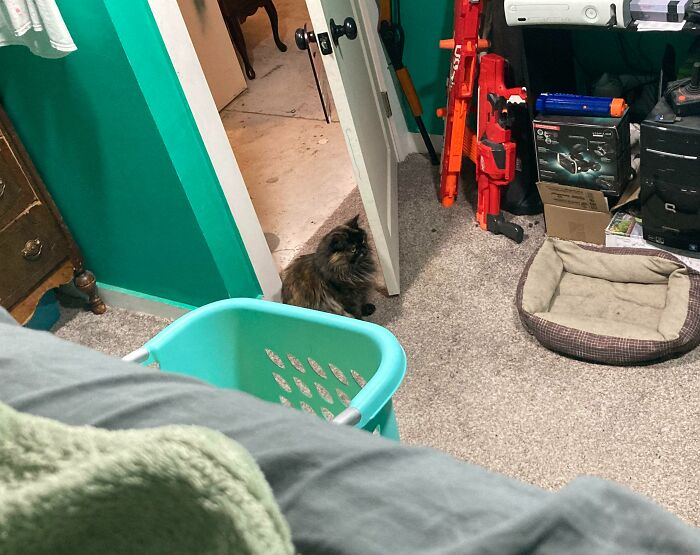
Many pet owners experience the frustration of unexpected messes. It’s essential to recognize that pets, especially young ones, are still learning the rules of the household. Setting up a structured environment where pets can thrive without getting into trouble is important.
For instance, using baby gates to restrict access to certain rooms or providing designated play areas can help manage their behavior effectively. These strategies promote a sense of security and reduce anxiety, benefiting both pets and owners.
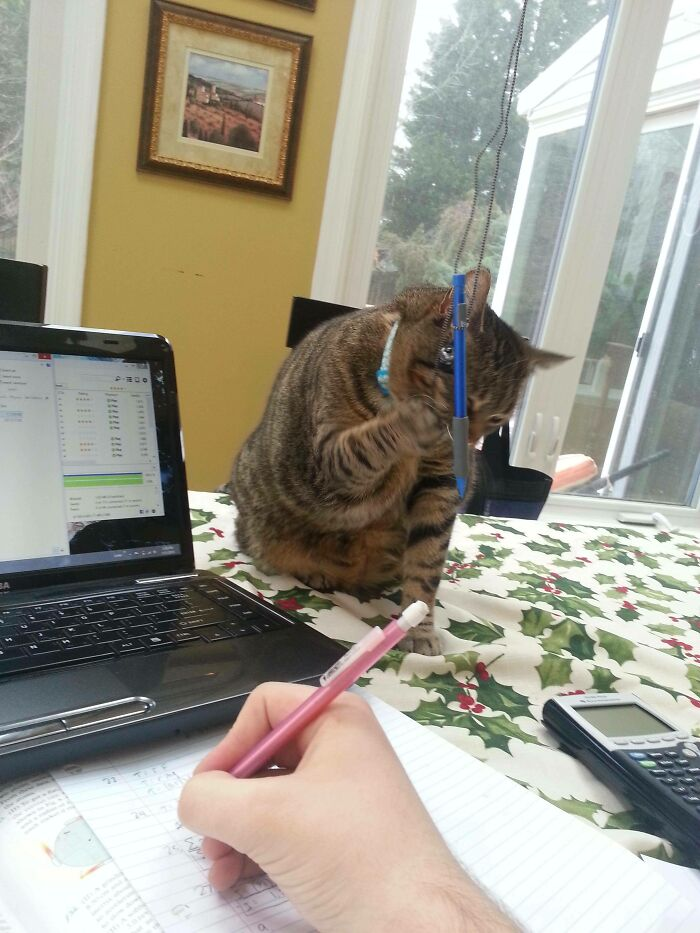
13. "My Cat Enjoys Messing With My Pencil And Earbuds When I Do Homework. Cue The Decoy Pencil And Earbuds"
14. No, Her Tongue Isn't Normally Hot Pink. She Just Decided To Eat A Bright Pink Water Color Pencil
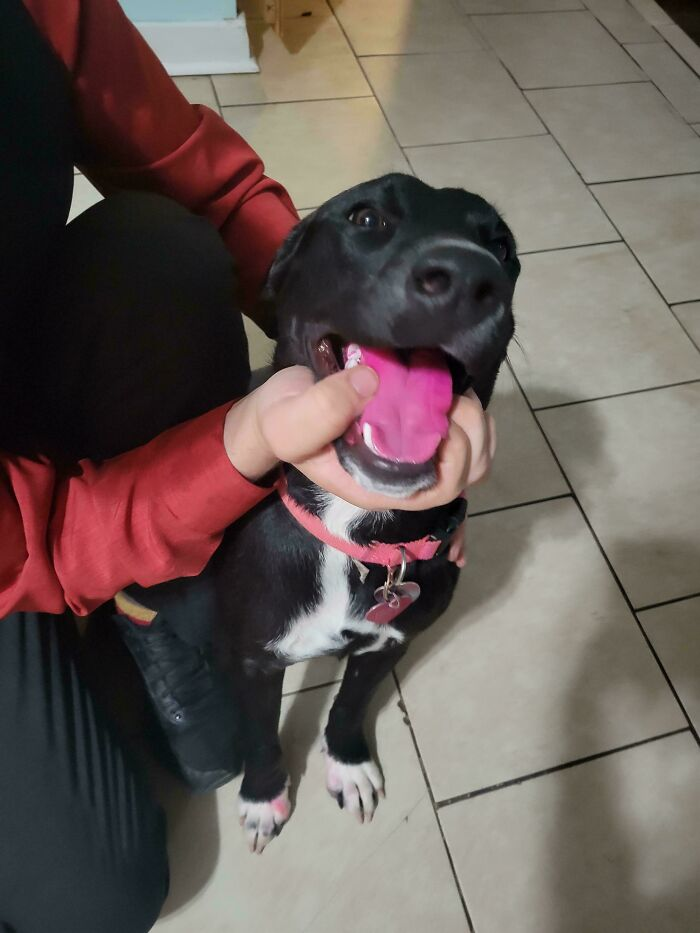
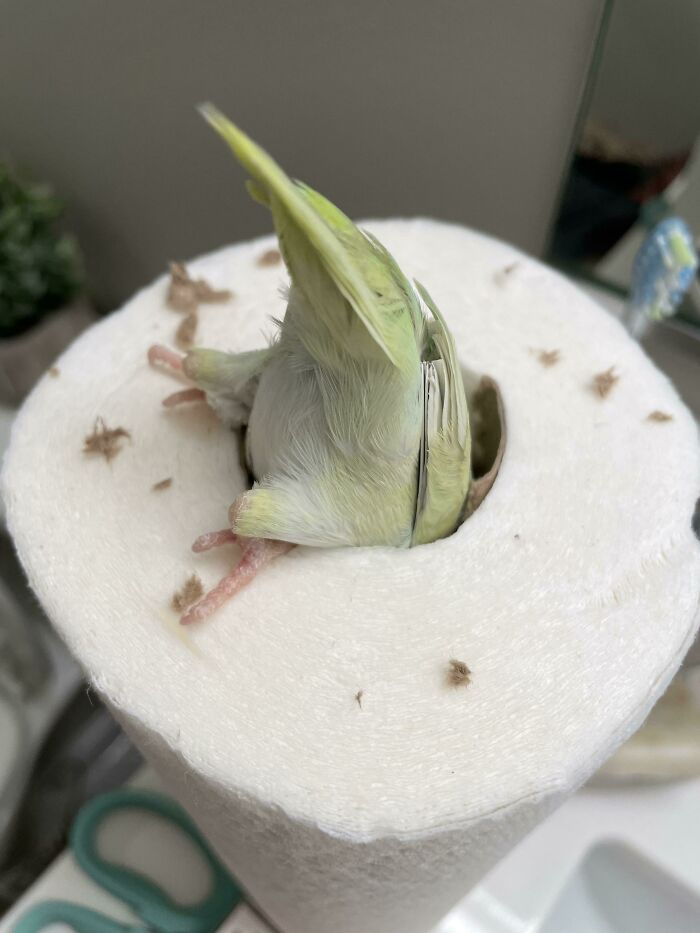
15. "Paper Towel Rolls Have Been A Long-Time Favorite. The Relationship Started Only By Looking Down Into The Abyss. I Think Her Love Is In Too Deep"
The article humorously captures the chaos that ensues when pets are left unsupervised, suggesting that the gremlin-like antics are not just random mischief but often stem from a lack of socialization. Pets that are not exposed to different environments, people, and other animals may exhibit heightened anxiety and destructive behaviors.
This reinforces the importance of engaging pets in socialization opportunities such as dog parks and training classes. By investing time in these activities, owners can bolster their pets' confidence and potentially prevent the kind of household mayhem that leads to toilet paper confetti and toppled houseplants.
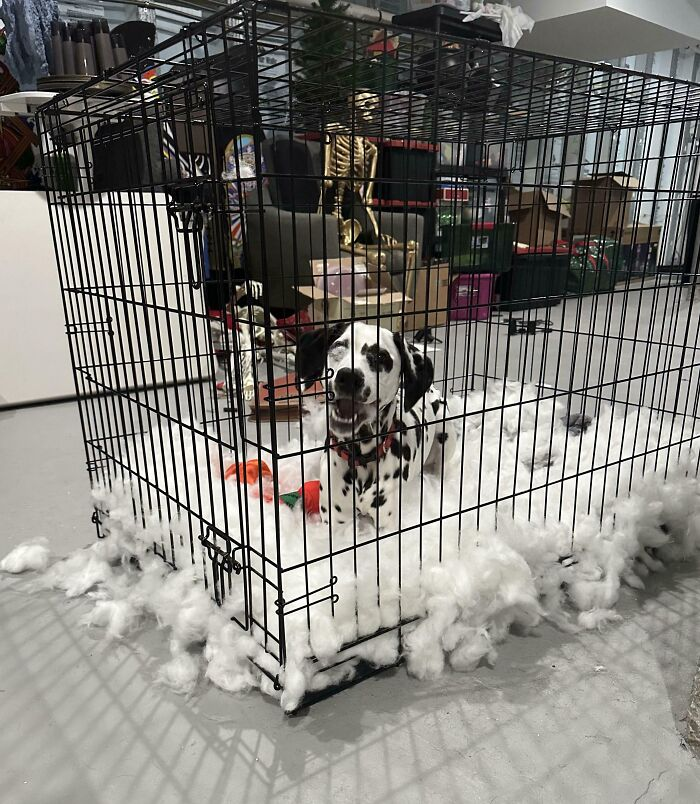
16. "We Gave Him A Stuffed Animal. He Chose To Shower In The Blood Of His Enemies"
17. That’s Not A Flower Bed, Winnie
18. The Criminal And Her Crime
Then the cat moved from “curious” to “actively trying to eat homework,” like it was grading the assignment.
It’s not uncommon for pets to act out during stressful situations, such as thunderstorms or fireworks. Many pets experience heightened anxiety during such events. To help alleviate this, creating a safe space where pets can retreat during stressful times is recommended.
Providing calming aids, such as anxiety wraps or pheromone diffusers, can also be beneficial. Understanding your pet’s triggers is key to preventing chaos when you're away.
19. "Someone Took A Bath In My Smoothie"
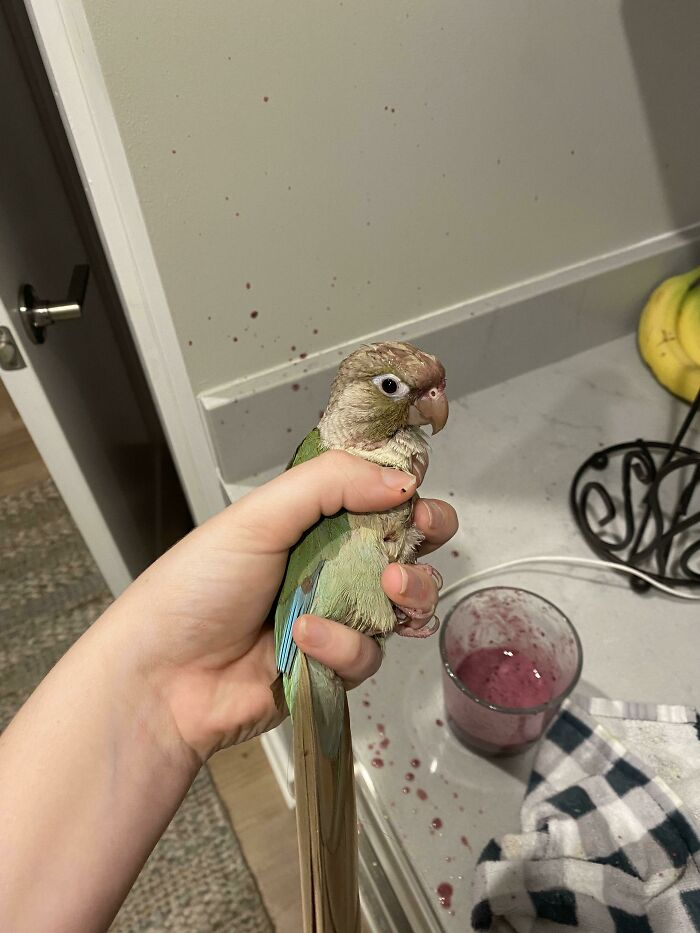
20. Mochi The Ankle Annihilator
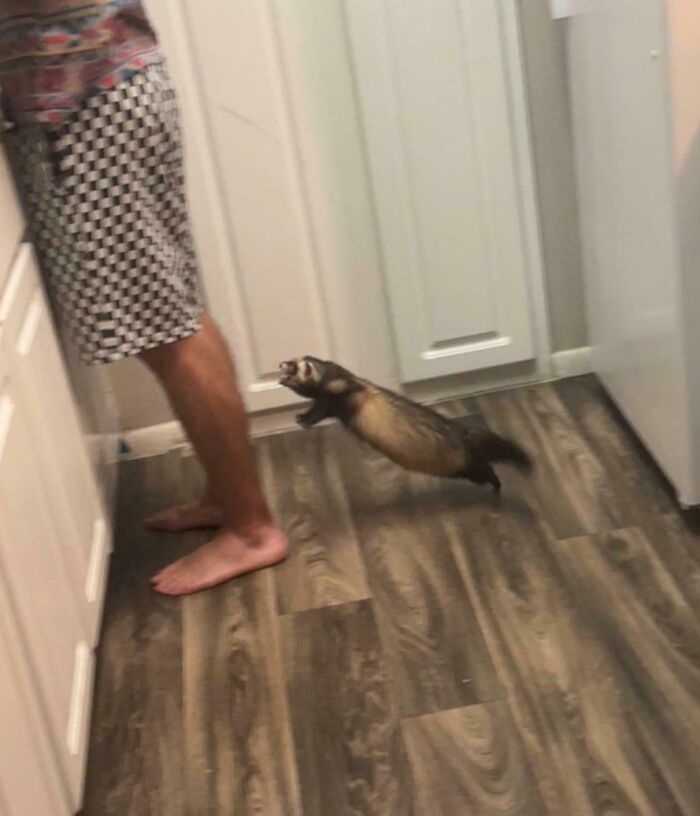
21. Zero Remorse
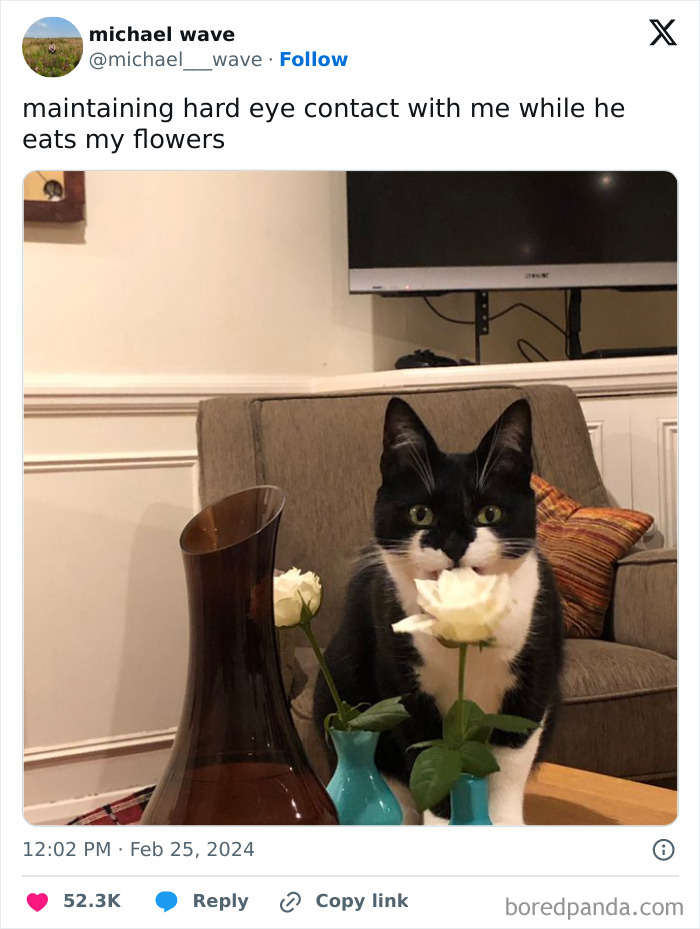
The article vividly captures the essence of pet mischief, illustrating how these furry companions transform into little gremlins the moment their owners turn their backs. This spontaneous behavior often arises from a blend of playfulness and curiosity, reflecting their instinctual nature rather than any intent to be destructive. For instance, the scene where a houseplant lies horizontal after a fleeting moment of inattention perfectly encapsulates this idea.
Such antics should be perceived not merely as chaos but as opportunities for bonding and learning. Instead of viewing the shredded toilet paper as a nuisance, owners can redirect their pets' energy into more positive and constructive activities, thereby fostering a more harmonious household. Ultimately, embracing these moments of mischief can lead to deeper connections with our beloved pets.
It’s the same energy as pets going from baby paws to full household bosses, then and now.
22. "Peppermint Butler Destroyed My Plant And Spilled Dirt All Over The Floor. Shame Him"
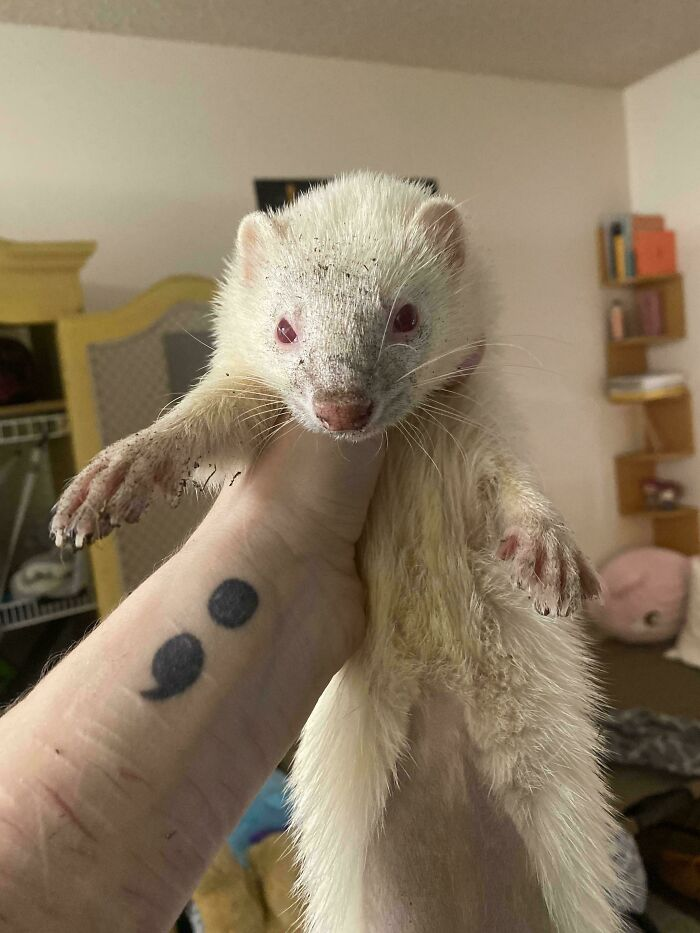
23. "I Got A New Phone And Someone Is Not Happy"
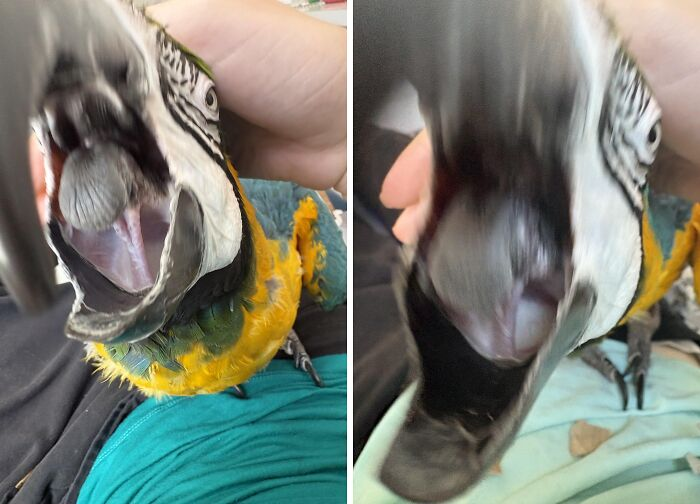
24. "And I’ll Do It Again!"
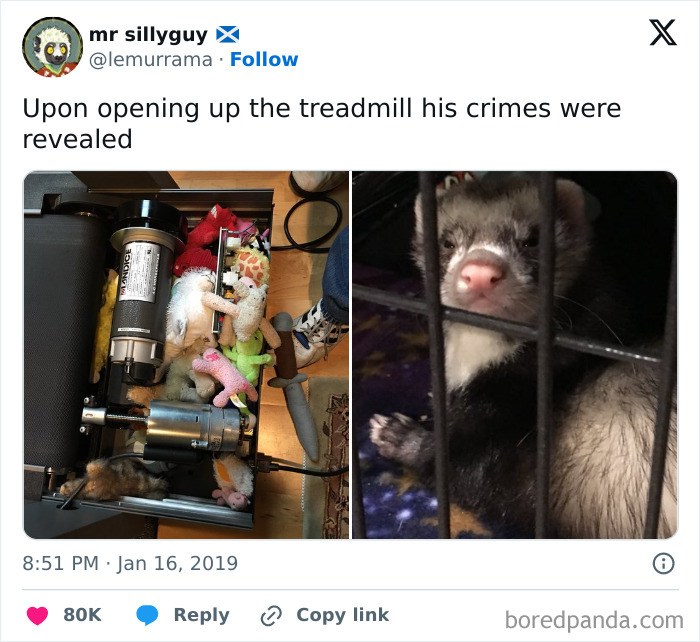
Understanding pet behavior can significantly reduce the chaos in your home. A practical step is to observe your pet’s triggers and routines. Keeping a diary of your pet’s behavior can reveal patterns that lead to chaos. This insight allows you to preemptively manage situations that may lead to destructive behaviors.
By identifying when your pet is most likely to act out, you can implement strategies to keep them entertained and engaged, ultimately leading to a more peaceful home environment.
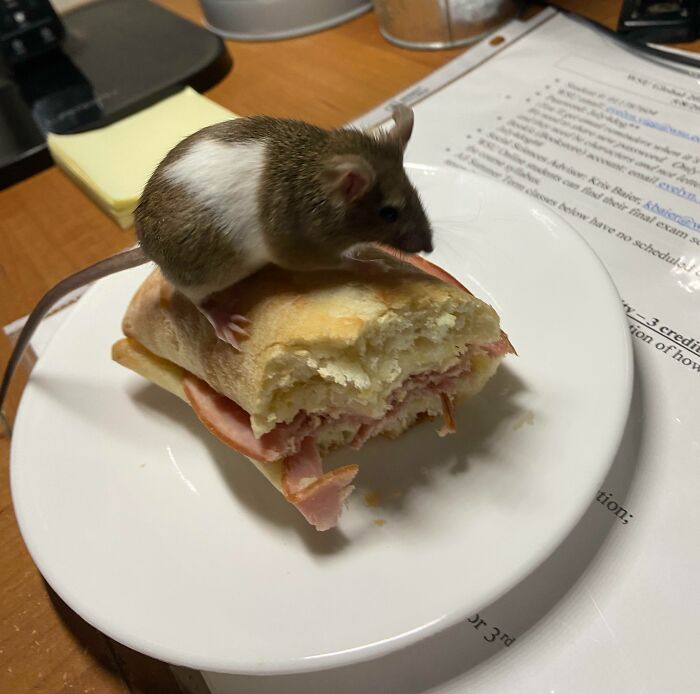
25. "This Adorable Little Thing Eating My Sammich While Standing On The Piece Of Bread I Gave Him"

26. Morning Madness With The Demon
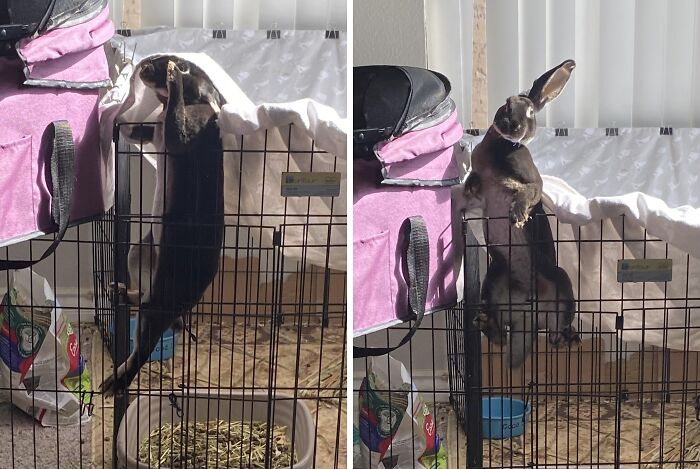
27. The Best Place For A Nap
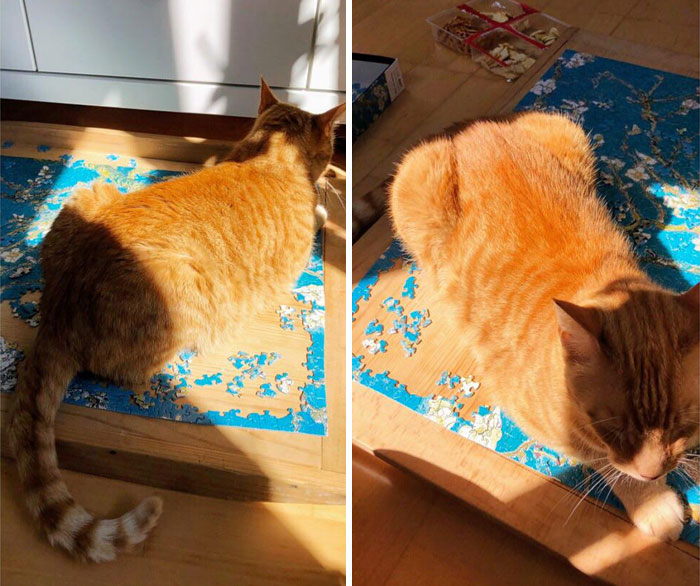
Creating a Pet-Friendly Environment
To minimize pet chaos, creating a pet-friendly home environment is essential. Pet owners should consider their pet’s needs when arranging their living space. This includes providing safe zones where pets can retreat and ensuring that hazardous items are out of reach.
Interactive toys, scratching posts, and climbing structures can help fulfill their natural instincts without leading to destruction. Such proactive measures can significantly reduce the likelihood of pets engaging in chaotic behavior.
28. "We Didn't Let Him Come On A Walk Outside With Us"
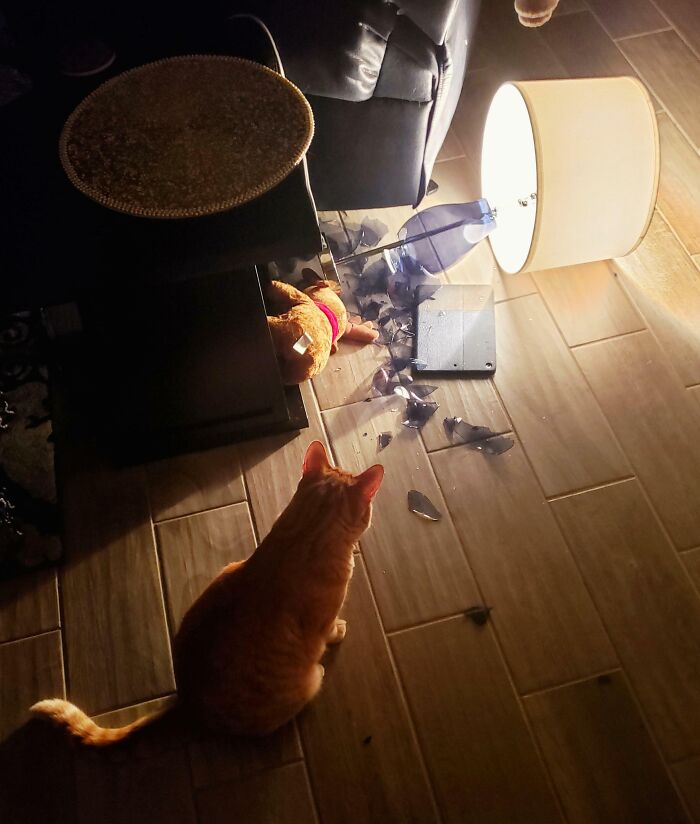
29. "This Is What I Woke Up To Today"
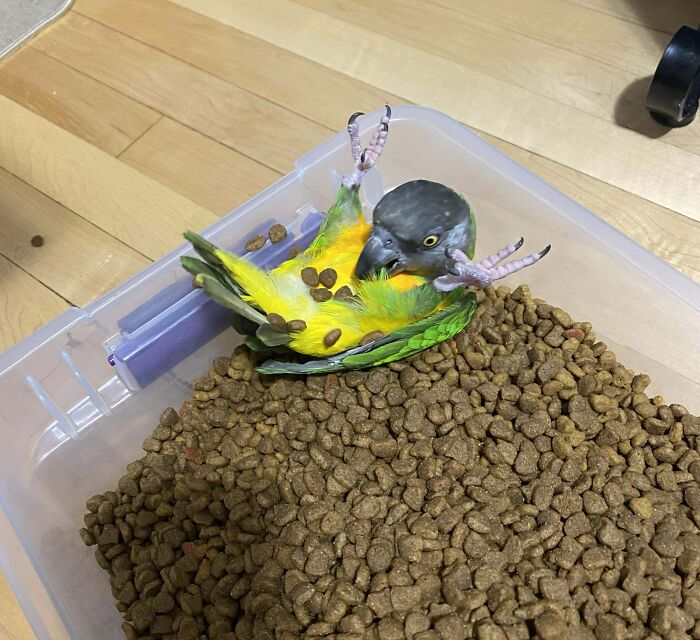
30. "I Just Had To Share What This Silly Sennie Did Yesterday"
After that, Piper’s “No Soup For You” energy made it clear the pets were not here for rules, only snacks.
Pets often act out due to unmet needs, be it for attention, exercise, or mental stimulation. Many pet “mischiefs” stem from boredom or frustration. Engaging pets in regular exercise and mental challenges can mitigate these behaviors.
Interactive games like puzzle toys or training sessions can provide the stimulation they crave. Incorporating these activities into daily routines not only keeps pets occupied but also strengthens the bond between pet and owner.
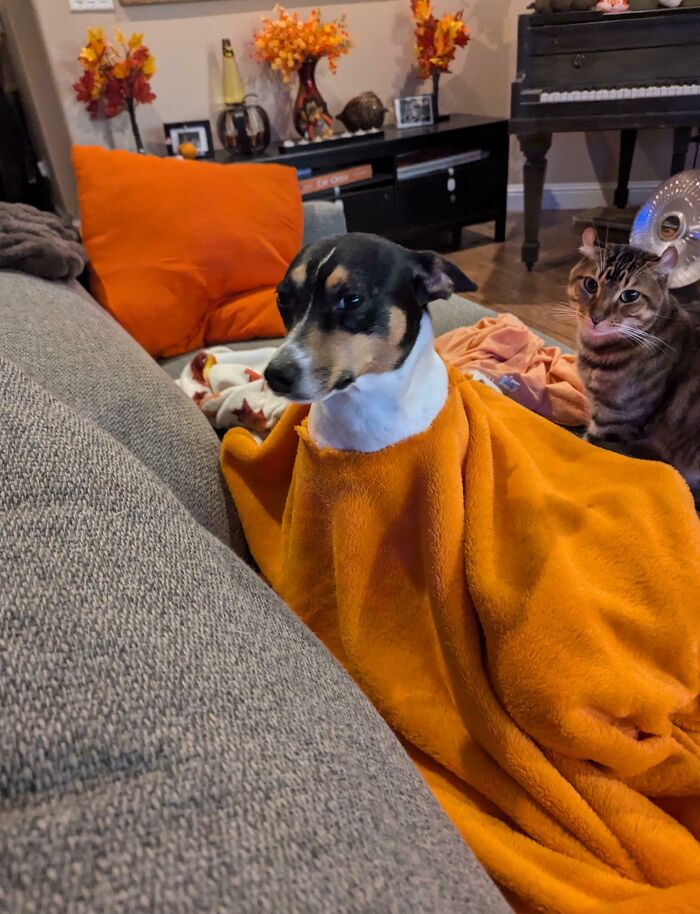
31. Idiot Chews Holes Through Blankets Then Sits There Like He's Getting A Fade
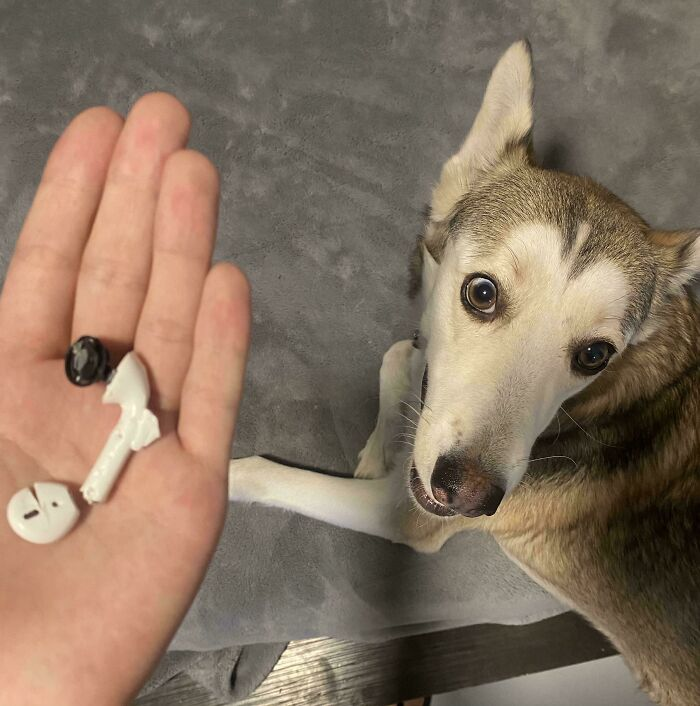
32. "My Brother's Dog Ate My Airpod"
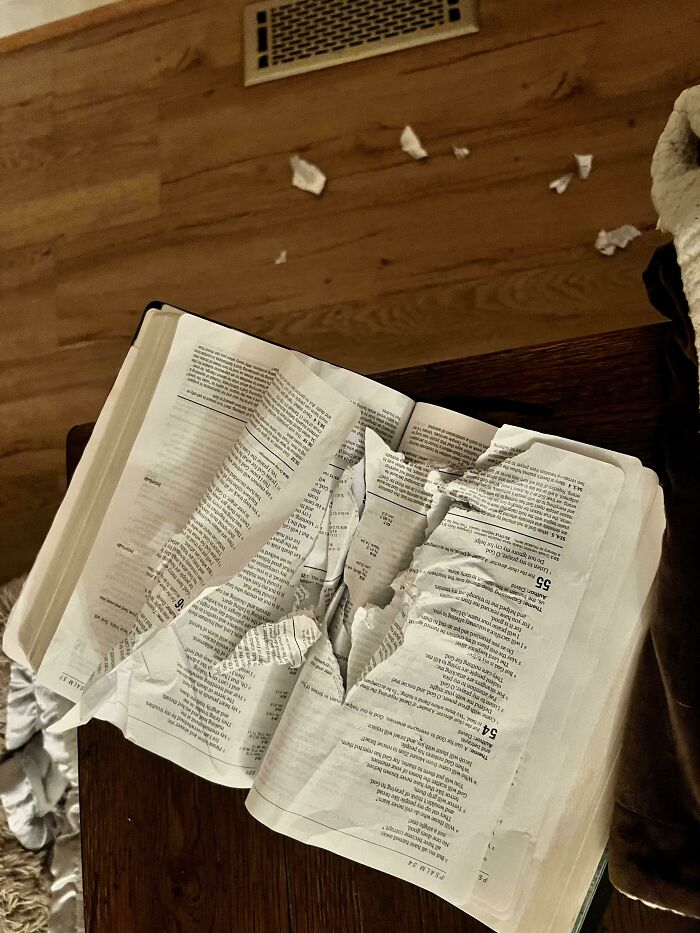
33. "My Dog Keeps Randomly Tearing Up My Mom's Bible. This Is The Third Bible She’s Had To Purchase"
Recognizing the Signs of Stress
Recognizing signs of stress in pets is crucial to preventing chaos. Pets often exhibit physical signs of stress, like pacing or excessive barking. Understanding these signals can help owners respond appropriately before the situation escalates.
Creating a calm environment, utilizing calming aids, and ensuring pets feel secure can help ease their anxiety. By being proactive, pet owners can significantly reduce the likelihood of destructive behavior.
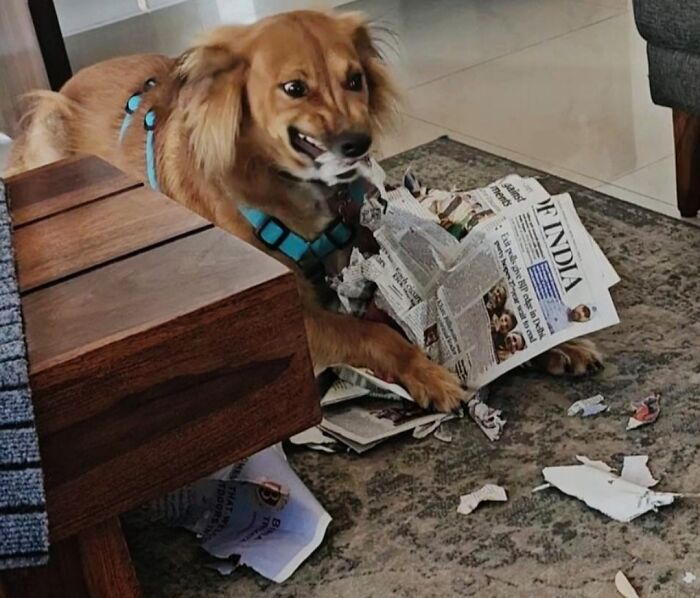
34. Didn't Like Today's News
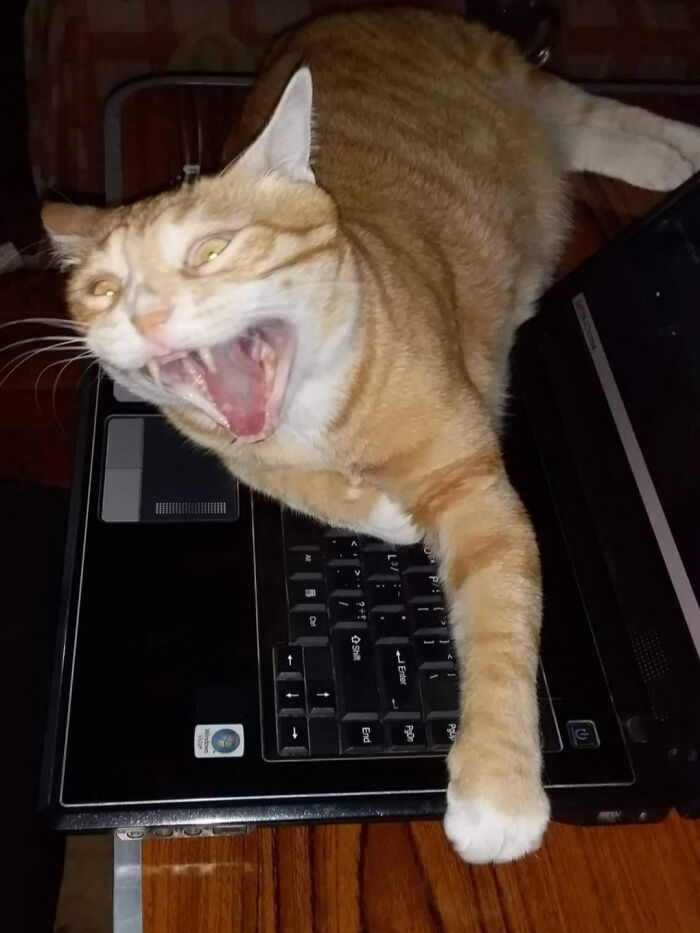
35. "My Cat After I Tried Taking Back My Laptop"
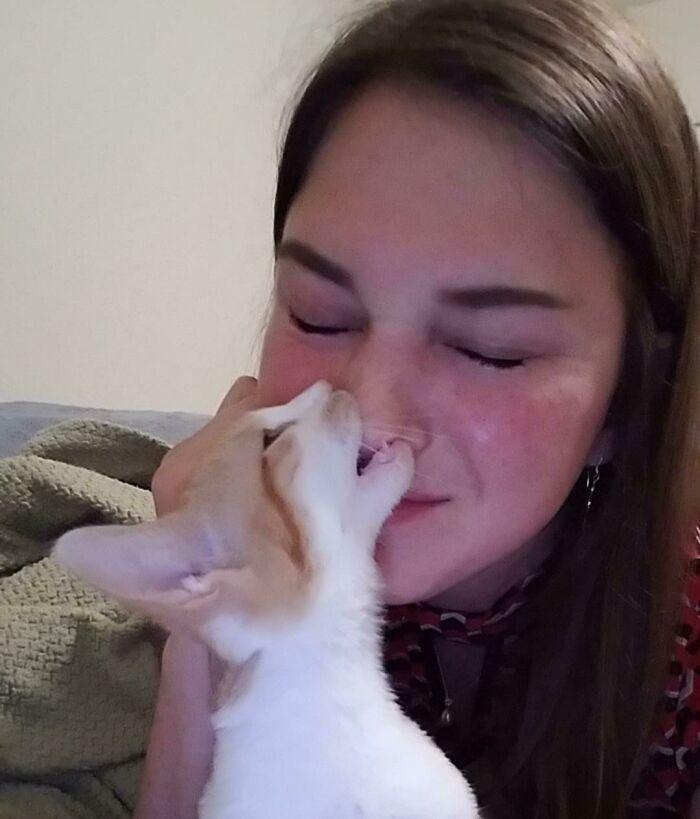
36. "When He's Not Biting My Face, He's Actually A Really Sweet Boy"
In the whimsical world of pet ownership, the article highlights an essential truth: routine and consistency are crucial for maintaining harmony in a household. The antics captured in the piece illustrate the chaotic consequences that can arise when pets are left to their own devices, transforming mundane moments into scenes of delightful mischief. By establishing regular feeding, walking, and play schedules, owners can provide their furry companions with a sense of security that significantly reduces anxiety-driven chaos.
The playful tales of pets turning toilet paper into confetti or claiming coffee cups as thrones emphasize the importance of predictability in a pet's life. When pets know what to expect, they are less likely to indulge in the kind of behavior that leads to household mayhem.
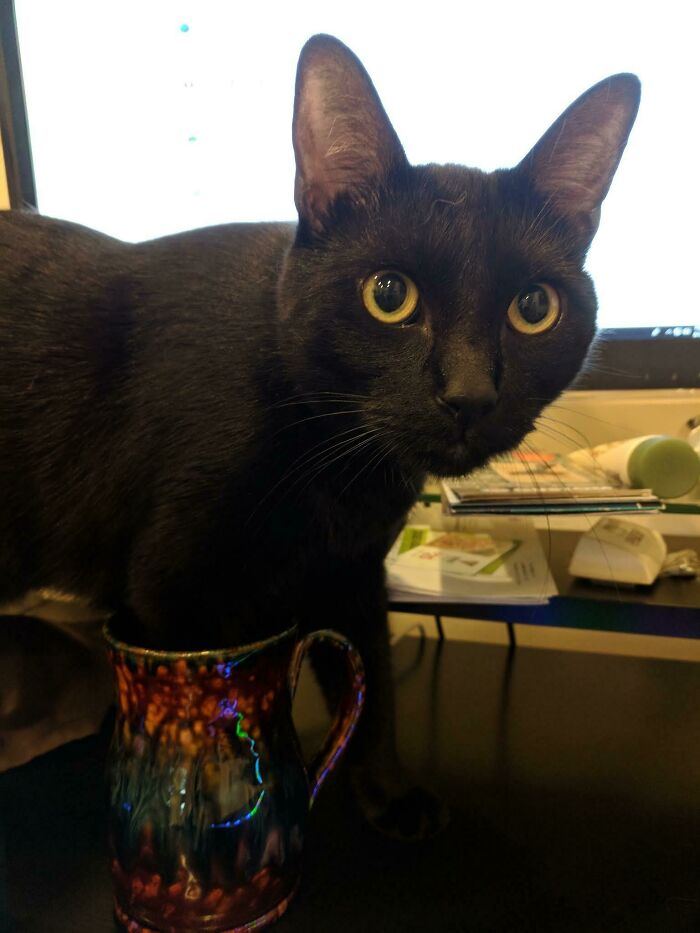
37. "I Guess I'm Done With My Coffee Then"
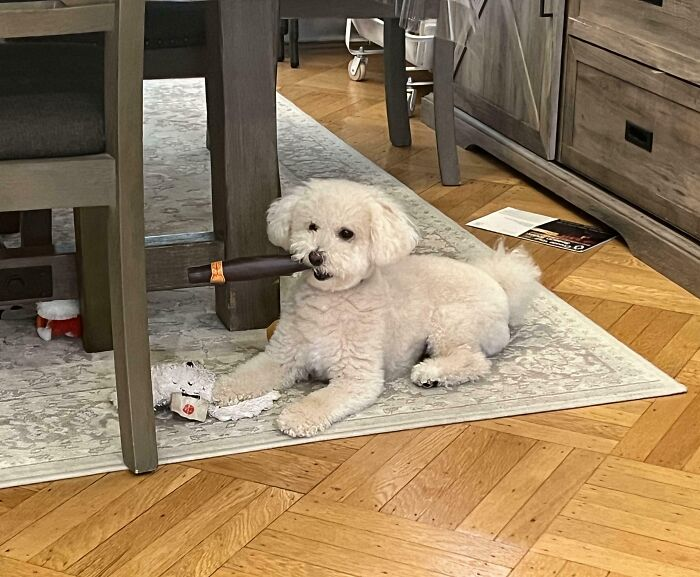
38. "My 7-Year-Old Theater Kid Keeps Dancing Along To Newsies Songs On Alexa. He’s Been Using A Marker As A Prop Cigar. I Bought Him A Toy Cigar On Amazon The Other Day. The Dog Stole It"
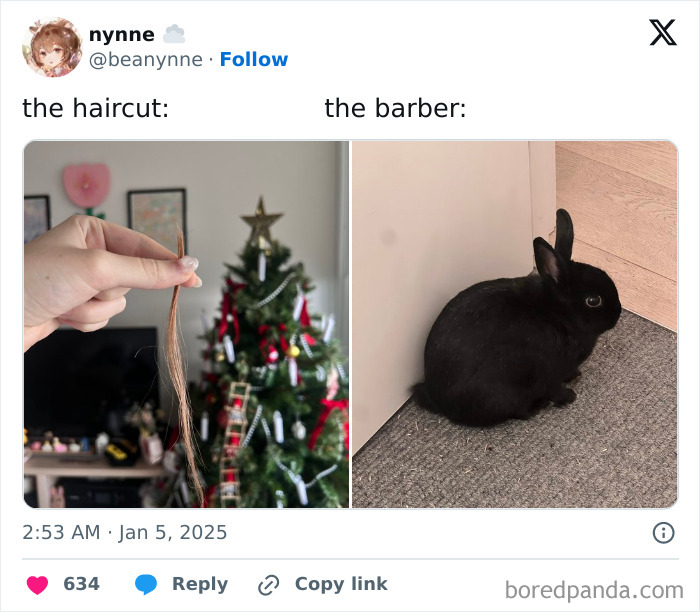
39. The Joys Of Owning A Bunny
Finally, when the sandwich got stolen and Woody tried to be a baby goat secretary, nobody’s belongings were safe again.
Benefits of Professional Training
Investing in professional training can have long-lasting benefits for pets and their owners.
40. "I Have To Use A Decoy Book When I Read Because Of This Jerk"
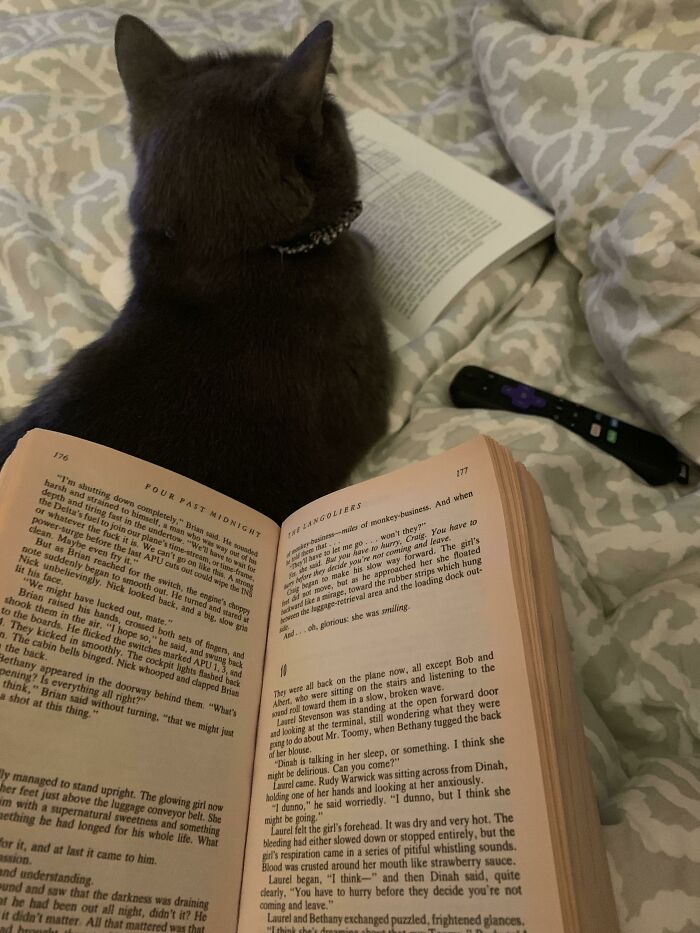
41. "Can I Get A Minute?"
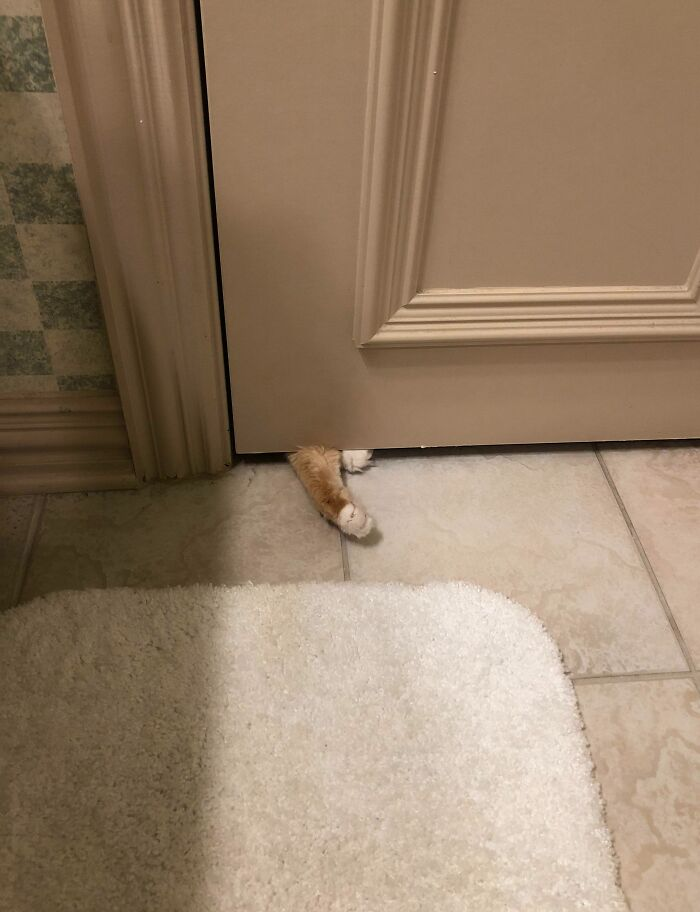
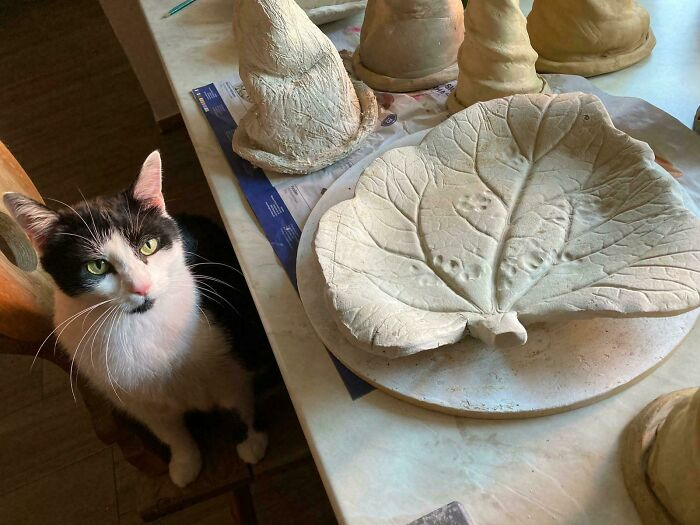
42. "So I Made This Bird Bath And This Little Derp Decided To Leave His Paw Prints In It"
Understanding your pet’s behavior is essential in preventing chaos. A comprehensive approach involves learning about your pet's specific breed traits and tendencies. Different breeds have varying energy levels and instincts, which can influence their behavior.
Tailoring activities and training to suit these traits can significantly enhance your pet’s well-being and reduce destructive tendencies. Engaging in breed-specific activities fosters a better understanding of your pet’s needs.
43. Turned Around For 5 Seconds
44. Spent A Week On This Puzzle
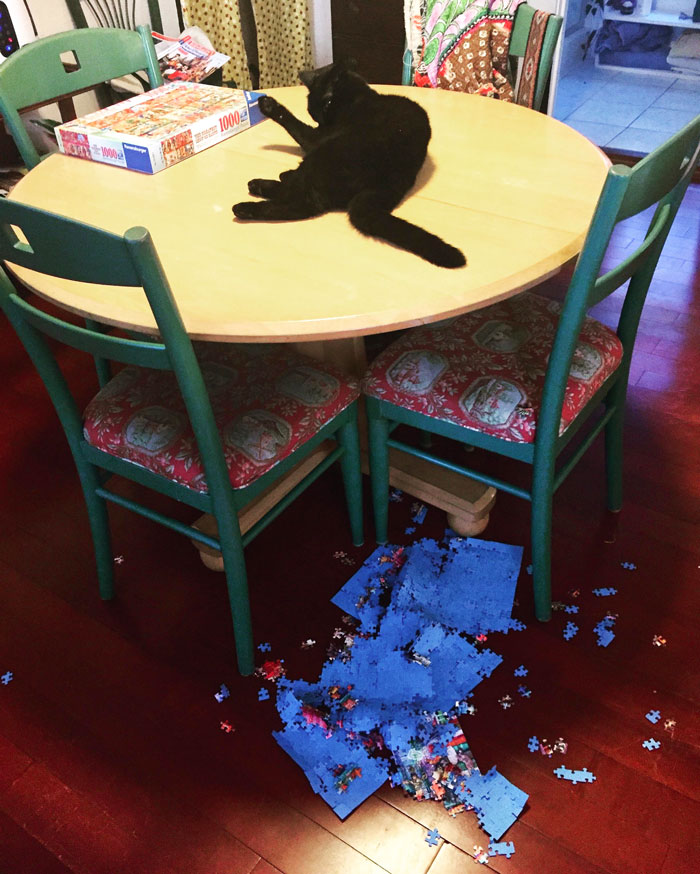
45. "Thanks Mate. Just After I Swept The Floor Too"
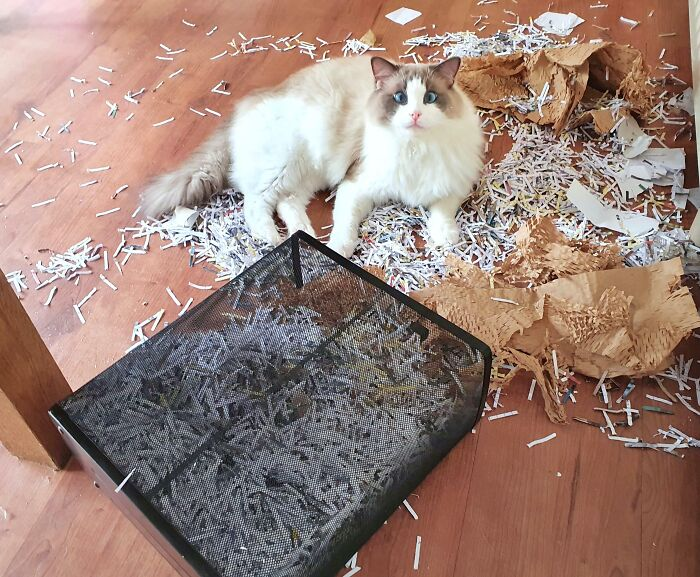
As the article suggests, the chaotic antics of pets when their owners turn their backs are not just amusing—they reflect deeper behavioral patterns that can be addressed. The transformation of a calm home into a scene of mayhem when a sandwich is set down highlights the need for understanding pet psychology. Training and socialization play crucial roles in minimizing these "gremlin" moments.
By being proactive and attentive to a pet's needs, owners can create an environment that reduces the likelihood of destructive behavior. Establishing structured routines and engaging activities can foster a more harmonious relationship, allowing both pets and their humans to coexist peacefully, even during snack time.
46. "I’m Not Sure How To Even Title This, But I Felt It Needed To Be Posted"
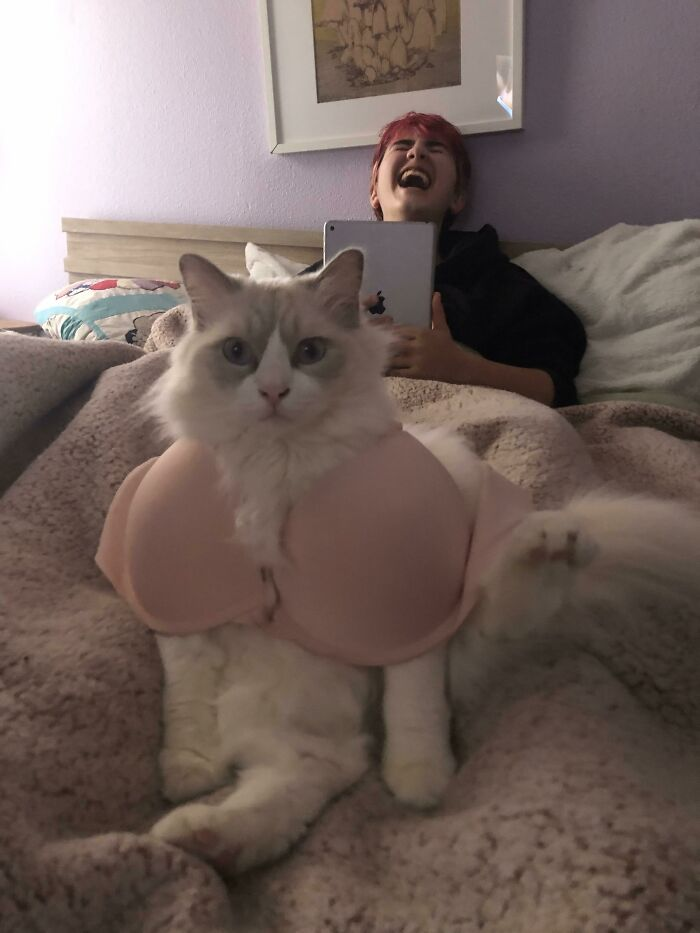
47. "My Cat Snuck Into The Office And Wreaked Havoc"
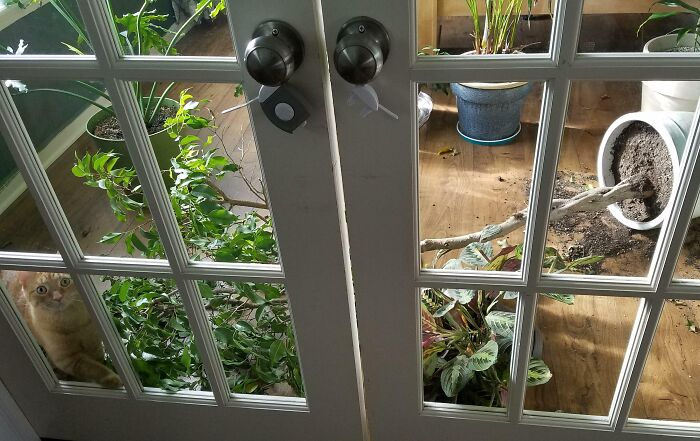
48. Rico's First Christmas
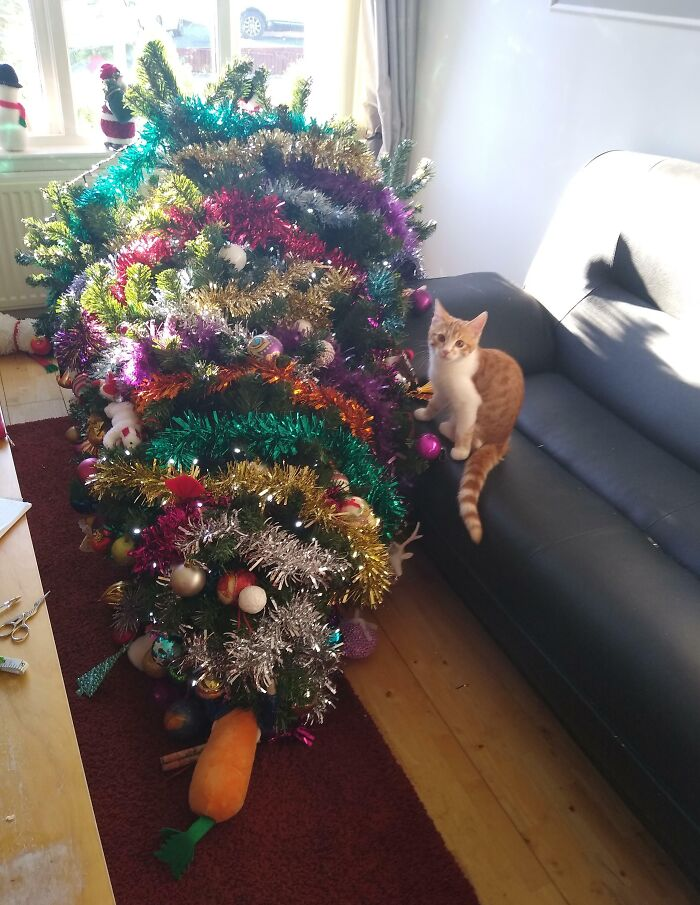
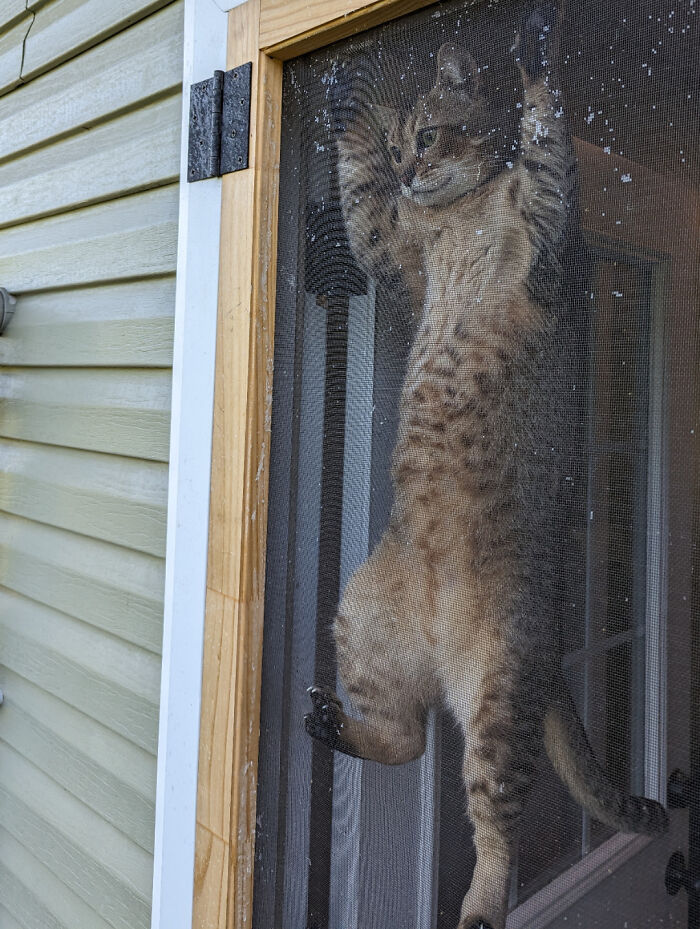
49. Shout Out To This Cat That Said No To Being Kept Inside.
Little Fella Busted Out The Window Screen For A Better View
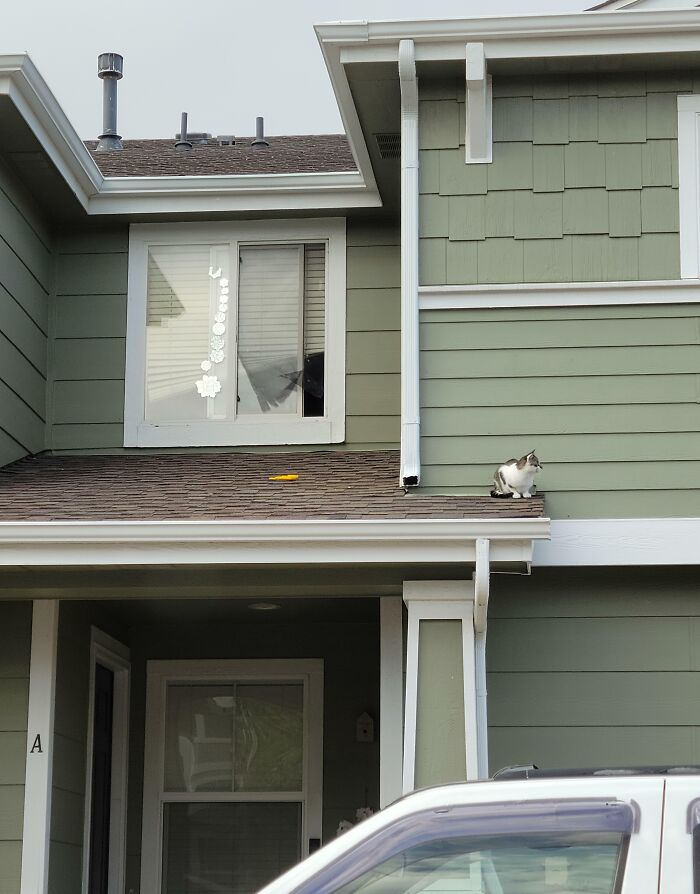
50. "Every Time My Friend Comes By My Cat Shoves His Face Into His Shoes"

In the end, the wreckage is just one chapter in the story we chose. A sofa can be fixed. A puzzle can be rebuilt. The memory of a cat proudly guarding a stolen sandwich lives forever. We tidy up, we add a decoy book, we learn where the weak points are. Mostly, we learn that love is a little unruly too.
Which tiny heist made you laugh out loud? Which one felt suspiciously familiar? Drop your best chaos story in the comments and pass this along to the friend who swears their pet is an angel. They might blink. And then they’ll understand.
Ultimately, recognizing the motivations behind pets' mischievous antics can significantly enhance the household dynamic. The incidents captured in this article illustrate how quickly a calm environment can devolve into chaos when our furry companions are left to their own devices. Each scene reveals the importance of establishing boundaries and providing a stimulating atmosphere to channel their energy positively.
By actively engaging with pets and addressing their needs, owners can mitigate those infamous gremlin episodes. Creating structured routines and offering enriching activities not only curbs destructive behavior but also strengthens the bond with our beloved animals, ensuring that our homes remain both lively and orderly.
The second you stop watching, your pet treats your life like an open buffet.
After your cat “eats your homework,” see the daily pet petty wars in animal owners’ funniest feuds and competitions.
Share this article:





