
Firefighters Free Golden Retriever Trapped Beneath Brick Planter Wall in McKinleyville

A golden retriever in McKinleyville ended up in a dangerous spot after digging into a hole and getting pinned beneath a brick planter box wall. Firefighters were able to reach the dog by carefully removing soil and debris, and the rescue ended successfully.
The rescue happened on August 29, 2026, when Arcata Fire District personnel were called to the north end of McKinleyville Avenue.
According to the fire district, the dog had dug into a hole and became trapped beneath a brick planter box wall. What followed was the kind of careful, patient work animal rescues often require. Crews removed soil and debris piece by piece so they could safely reach the golden retriever.
That measured approach paid off. Firefighters were able to free the dog, and the district said the rescue was successful.
There were no extra dramatics in the official account, just a short description of a dog in trouble and the responders who got it back out. Even so, the image is easy to hold onto: a retriever stuck in a hole it dug itself, and a team of rescuers working methodically until the animal was out.
For anyone who follows dog rescue stories, it was a simple but welcome outcome. A trapped pet was reached, freed, and brought out safely.
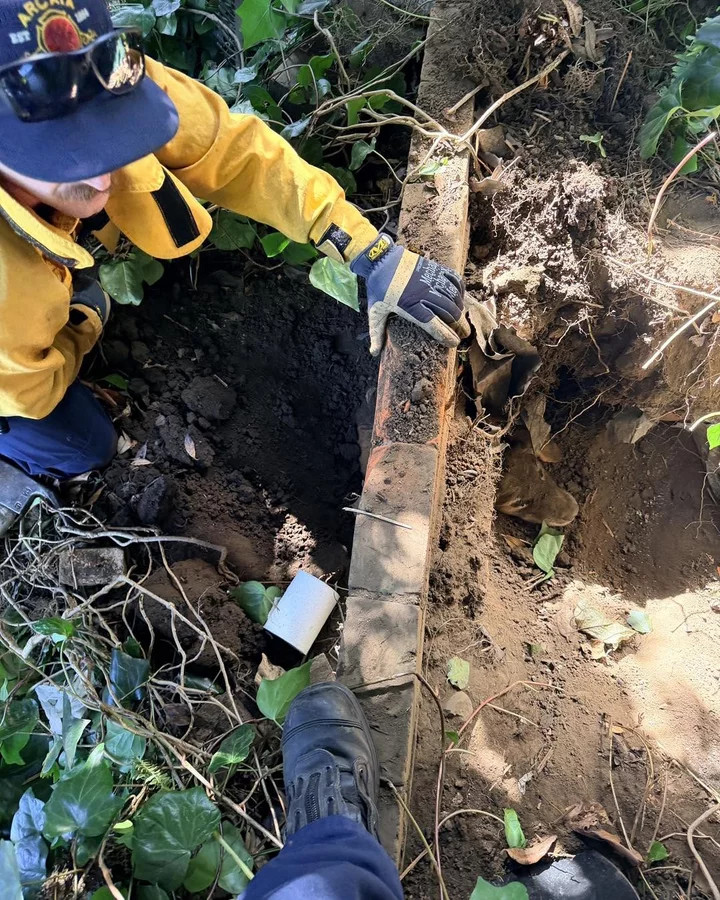
Why dogs can get trapped around walls and planters
Dogs often dig, squeeze into tight spaces, or follow a scent under steps, decks, fences, and garden structures. Soft soil, gaps at the base of a wall, and hidden hollows can make a space look passable to a dog even when it is not safe. Heavy materials such as brick, stone, timber, and concrete edging can shift if the ground is washed out, disturbed by digging, or weakened by roots and moisture.
A trapped dog may be pinned, unable to turn around, or stuck because loose soil collapses behind it. Even a friendly pet may panic when confined. Fear, pain, heat, and lack of room to move can make rescue harder. The biggest risks are crush injury, overheating, difficulty breathing, and bites to anyone who reaches in too quickly.
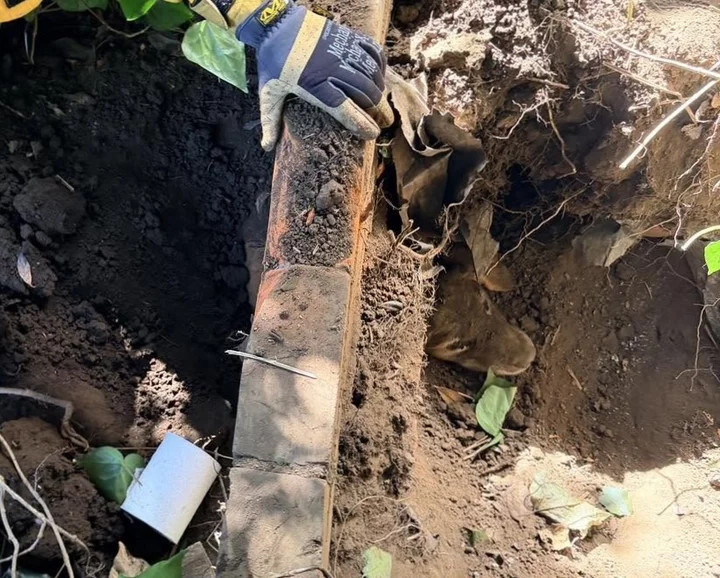
What to do first if a pet is pinned or wedged
Start by keeping people calm and creating space. Move children and other animals away. If the structure is leaning, cracked, or still shifting, do not pull on the pet or start removing heavy materials by hand. Extra movement can cause a further collapse.
Call emergency help right away if the animal is trapped under weight or inside an unstable structure. While waiting, speak in a low voice, avoid crowding the opening, and if the dog can safely reach it, offer small amounts of water. If possible, slip on a leash or use a towel as a gentle control aid, because frightened dogs can lunge when freed.
After release, treat the dog as injured even if it tries to walk away. Keep activity low and seek veterinary care promptly. Internal injuries, shock, paw damage, and muscle swelling are not always obvious at first.
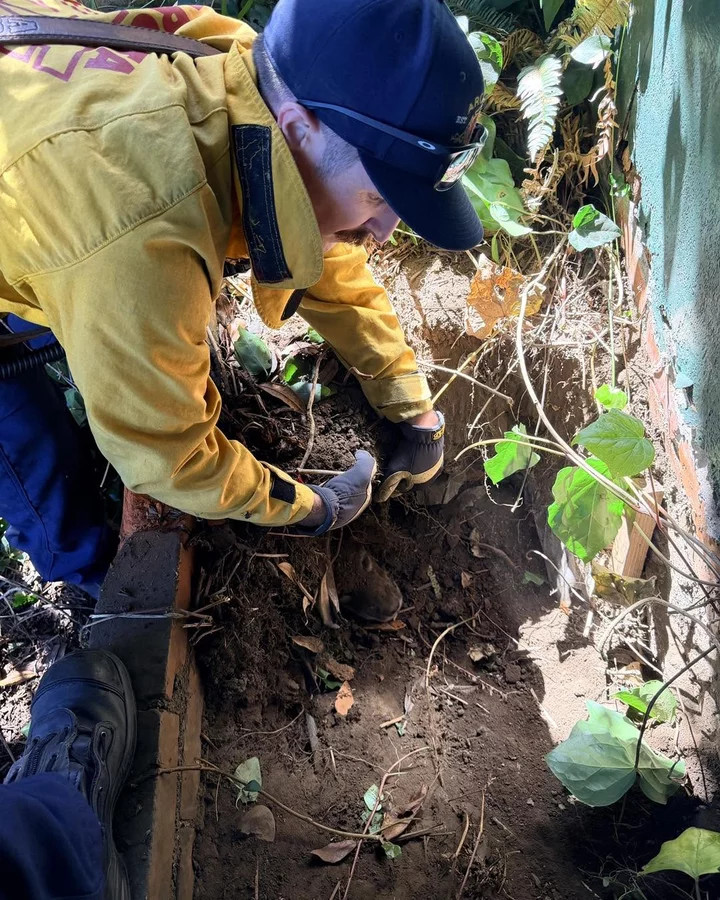
How to make yards safer
Check retaining walls, raised beds, planter boxes, and steps for loose bricks, gaps, leaning sections, and areas where soil has washed out. Fill burrows early, block access to crawl spaces, and supervise dogs that like to dig or chase scents. For persistent diggers, give them a safer outlet such as a designated digging spot, more exercise, or scent games.
It also helps to know where pet carriers, leashes, muzzles, and emergency contacts are before anything goes wrong. A simple yard walk after heavy rain, landscaping work, or fence repairs can catch many hazards before a curious dog does.
Share this article:





