
People Discuss Common Dog Names In Other Countries And They Have Us Rolling

Dog names can say a lot about a place, and this Reddit thread proves it in the funniest way possible. What sounds totally normal in one country can sound bizarre, adorable, or downright confusing somewhere else.
Reddit user @holeontheground asked non-Americans to share popular dog names from their countries, and the replies quickly turned into a parade of Blueys, Bellas, Rexes, and a few names that made Americans do a double take. Some of them are familiar, some are unexpected, and some are just plain hilarious.
If you love dogs, pet names, and a good cross-cultural laugh, this one is worth a scroll. Read on.
Bluey is a cute name, and I've seen the TV show, so I can agree it is a good one.
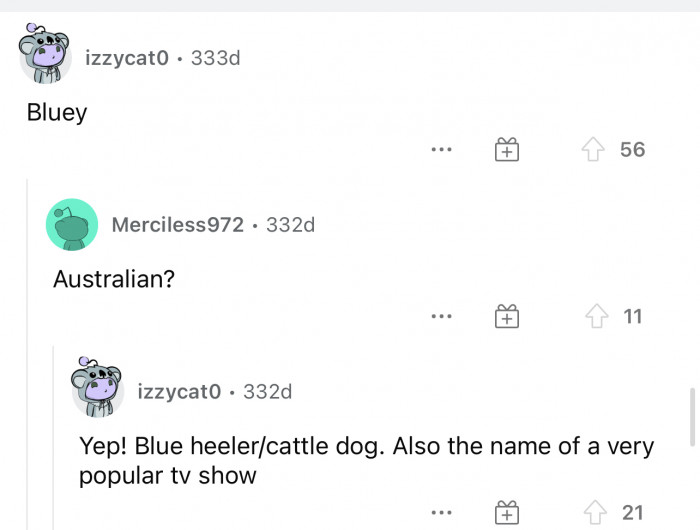
I think this is kind of common in a lot of places, but I don't blame them because they're easy names.

Bella is a popular dog name almost anywhere, I'd have to say.

The names given to pets can reveal much about cultural norms and values, reflecting how societies understand the human-animal bond. Research shows that in many cultures, pet names often reflect familial relationships or significant cultural symbols, which serve to strengthen social bonds. For instance, names like 'Bobby' or 'Bella' in the United States may indicate a tendency to humanize pets, projecting familial traits onto them by using names common for children.
This practice can be linked to a psychological phenomenon known as anthropomorphism, where people attribute human traits to non-human entities. Understanding these naming conventions can deepen our appreciation for cultural diversity and the ways in which societies relate to their pets, indicating broader social values and emotional connections.
The naming of pets often reflects cultural values and social norms.
Bello is a pretty cute name, but I've never heard a pet named that before.

These names are quite uncommon, and they're pretty cool common names in India.

I have known so many dogs named Luna that I'm sure this is the most common dog name ever.
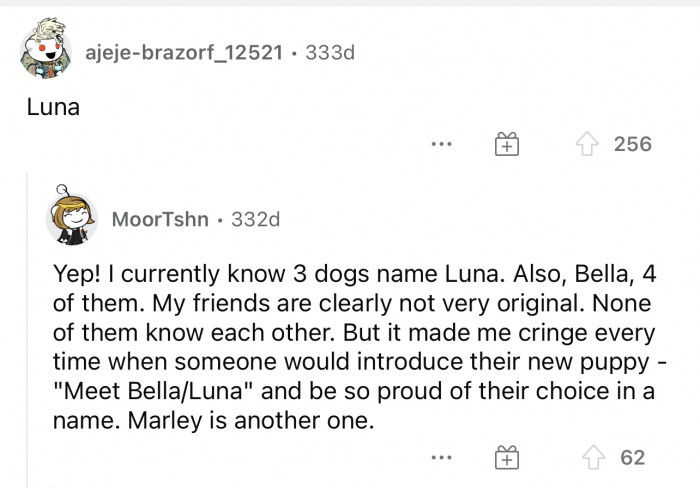
Interestingly, the popularity of certain dog names can also be rooted in psychological trends and media influences.
Moreover, the humor and creativity displayed in naming pets can serve as a coping mechanism. This fun interaction can be particularly beneficial during stressful times, providing moments of joy and connection.
These Brazil dog names are actually really cute and give me inspiration for future pet names.

Max is another dog name that is by far the most common, whether it's just Max or Maximillian.

Fenton sounds pretty cute, but to me, it really sounds more like a cat name.

Pet names often reflect the emotional connections that owners have with their animals, which can significantly influence their attachment styles.
The exploration of uncommon dog names from various countries not only entertains but also highlights the deep connections between humans and their pets. This interaction sheds light on the psychological benefits of pet ownership, including companionship and reduced loneliness.
Furthermore, the light-hearted discussion around these names reveals how pets serve as social catalysts, encouraging conversations and fostering connections among pet lovers. The joy and laughter that arise from these uncommon names underscore the happiness that pet owners often experience, reinforcing the idea that our furry friends contribute significantly to our overall well-being.
It’s giving the same energy as the Redditor accused of stealing a name for her hamster.
They lost me at Nobhead. The others are pretty common names, but not Nobhead.

Azor sounds really cool and like it would be a name for a really buff guard dog.

This is interesting, and nowadays I don't think I've heard any pets named these names besides Rex.

From a developmental psychology perspective, the way individuals choose pet names may also be influenced by their upbringing and early experiences. Research indicates that children who grow up in environments that encourage emotional expression and creativity are more likely to choose unique or whimsical names for their pets.
Encouraging this kind of imaginative engagement can be beneficial even as adults. Pet owners might consider involving family members or friends in the naming process to create a more collaborative and creative experience. This can strengthen social bonds and provide an opportunity for shared joy in the pet-parenting journey.
To maximize the psychological benefits of pet ownership, it's essential for individuals to engage in regular activities with their pets. This could involve training, playing, or simply spending time together, which can strengthen bonds and enhance emotional resilience.
Creating routines that incorporate pets can also provide structure and purpose, which is beneficial for mental health.
This is basically another name that's named after the color of the dog's fur.

It's funny how the other commenter knew where they were from based on the common dog names.

This must be a pretty common name simply because of the number of likes and awards that this comment got. I need to know the country they are from.

Humor plays a significant role in the naming of pets, often serving as a reflection of personality and social dynamics among pet owners. A study published in the 'Journal of Social Psychology' found that humorous names not only enhance the owner's enjoyment of their pets but also serve as icebreakers in social situations, facilitating conversations and connections with others.
Humor can create a positive emotional environment, leading to increased social cohesion. By choosing lighthearted or punny names, pet owners may be signaling their playful nature and willingness to engage socially, which can enhance their social networks. Therefore, adopting a humorous approach in naming pets may have broader social benefits beyond just personal amusement.
Understanding cultural differences in pet naming can enhance cross-cultural relationships.
I really can't imagine calling my dog's name something like Kevin.
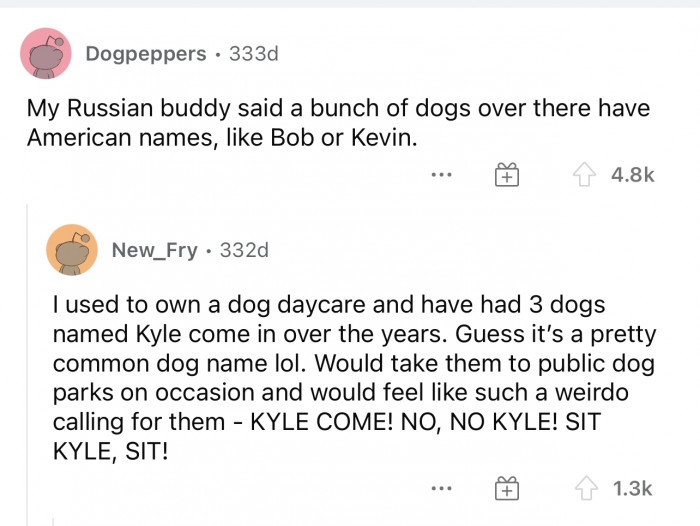
I just want to know why they'd name a dog Mark. What kind of vibes does the dog have to give off for them to name him Mark?
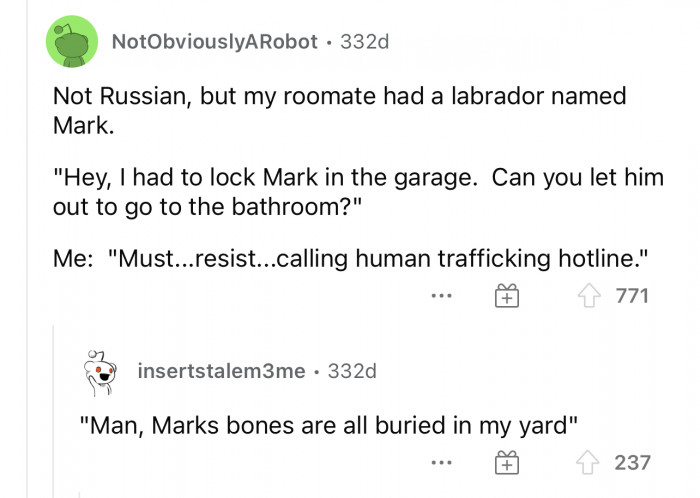
Rex is a pretty common name in a lot of different places, and it seems that it's common in Hungary for German Shepherds.

When it comes to naming pets, practical strategies can enhance the naming process and improve the bond between pets and their owners. For instance, a high-energy dog may suit a name that reflects its active nature, like 'Dash' or 'Zippy,' while a more laid-back pet might be better matched with 'Cuddles' or 'Snoozer. This collaborative approach can strengthen familial bonds and ensure that the chosen name resonates with everyone involved.
To navigate these differences effectively, potential pet owners should educate themselves about the cultural contexts surrounding pet ownership and naming. Engaging in discussions with individuals from diverse backgrounds can foster greater understanding and appreciation of different perspectives.
This cultural awareness can further enrich the pet ownership experience and strengthen interpersonal relationships.
I absolutely love food names for pets. They're probably some of the cutest names out there.

Calling a dog Bobby sounds so weird to me; I couldn't imagine this being a default name.

These common dog names in other countries actually took us by surprise, especially when it came to people naming their dogs after American people such as Kevin or Mark. Reading all of these responses really helped us to see a little deeper into other countries.
What's a common dog name that you've heard before in your area?
The bond between pets and their owners is profound, often providing emotional support and companionship.
The exploration of pet naming across different cultures reveals a rich tapestry of emotional connections and societal values. As highlighted in the discussions among Reddit users, the unique names given to dogs in various countries not only showcase creativity but also reflect the distinctive relationships people have with their pets. This cultural lens enriches our understanding of pet ownership, suggesting that deeper engagement with these differences can significantly enhance the joy and bonding experience between humans and their canine companions.
The cultural and psychological nuances behind pet naming reveal a rich tapestry of social behavior that extends far beyond mere labels. As studies demonstrate, names are not just identifiers but powerful reflections of our identities, values, and emotional connections. Understanding this dynamic can enhance our appreciation for the relationships we form with our pets, providing deeper insights into both human and animal behavior.
As research consistently highlights, fostering emotional bonds through thoughtful naming can lead to healthier relationships and greater overall well-being, both for pets and their owners. Ultimately, the names we choose for our pets can serve as a mirror to our own experiences, beliefs, and the connections we cherish.
For another hilarious naming fail, see how “Google” made this dog owner’s tech assistant respond.
Share this article:





