Overlooked Rescue Dog Blondie Finds Comfort in the Hug She Seemed to Be Asking For

Blondie did not need a toy or a treat in the moment that caught people’s attention. The rescue dog simply wanted to be held, and when someone at the rescue wrapped her in a close embrace, she leaned into it as if that was exactly what she had been waiting for.
A quiet moment that said everything
In a video shared on Instagram on August 26 by @savingsageanimalrescue, Blondie, a rescue Pit Bull mix, is shown tucked into the arms of a worker at the rescue. Text over the clip says she was feeling overlooked and that all she wanted was to be held.
The video stays close on Blondie as she gets the kind of attention that seems to settle her. She receives gentle pats on the head while being hugged, and at one point she appears to hold onto the person with a paw. The post struck a chord online, collecting more than 3,000 likes at the time it was written about.
The caption added important context about why Blondie was at the rescue in the first place. It said she arrived with a prolapse. It also said her owner was unable to keep her or pay for the surgery. Those details turned a simple cuddle into something more revealing: a small, tender glimpse of a dog needing comfort while her life was being redirected.
Blondie’s story also came with a practical plea. The caption described her as a dog who loves cuddling, making the moment in the video feel less like a surprise than a clear picture of who she is.
A small dog with a big adoption pitch
The rescue’s description of Blondie was aimed at the kind of home where she might fit right in. According to the post, she is a “tiny portable Pittie mix” and “a perfect size for any home.” It also said she is good with dogs, another detail that may matter to anyone thinking about bringing her into an existing pet household.
For viewers, the video offered more than an emotional scene. It showed a dog whose needs, at least in that moment, looked beautifully simple: closeness, reassurance, and a safe place to rest. The rescue used that moment to ask for help finding Blondie a loving forever family.
That makes the clip feel like more than a viral snapshot. It is also an introduction. Blondie is not presented as a dog defined only by the medical problem mentioned in her intake story, but as a small, affectionate companion who enjoys being near people and is ready to be seen.
If the response to her video is any sign, plenty of people are seeing her now. The hope attached to Blondie’s story is straightforward and heartening: that the dog who just wanted to be held will next be welcomed home.
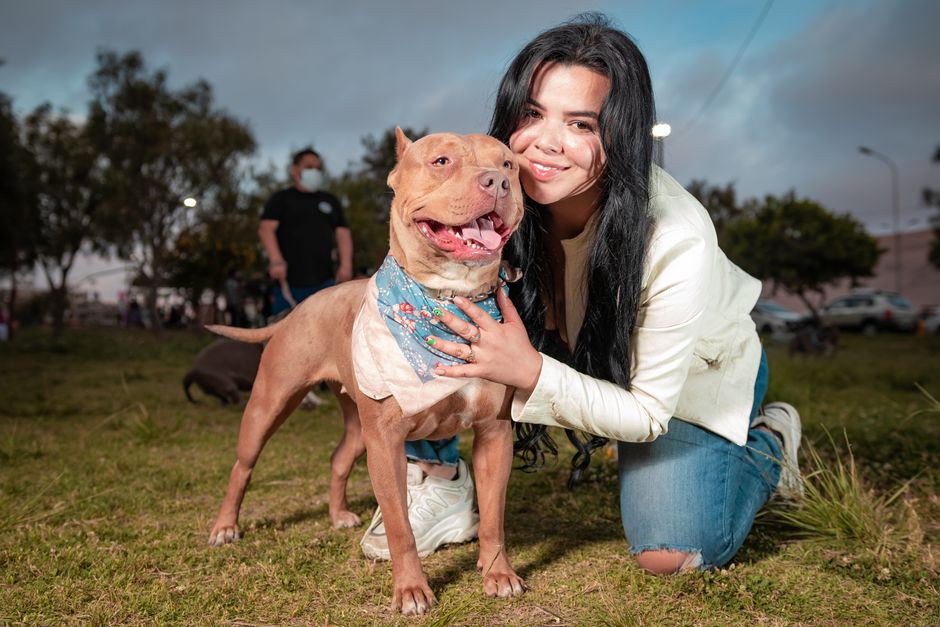
Why rescued dogs can seem unusually clingy or shut down
Many dogs arriving in a shelter or rescue are coping with abrupt change. They may have lost familiar people, routines, smells, and places to rest. Even friendly, social dogs can become quiet, restless, extra attached, or hard to read when they are under stress.
What looks like neediness is often a search for safety. Dogs regulate themselves through predictable routines, gentle handling, sleep, and calm company. Some lean into people, follow closely, or press their body against a leg or hand because contact helps them settle. Others do the opposite and avoid touch until they feel secure.
If you are meeting a rescue dog, it helps to lower your voice, move slowly, and let the dog choose how much contact to have. Sideways body posture, soft eye contact, and offering a hand at a comfortable distance are usually easier for a nervous dog than reaching straight in.
What canine body language can tell you about comfort
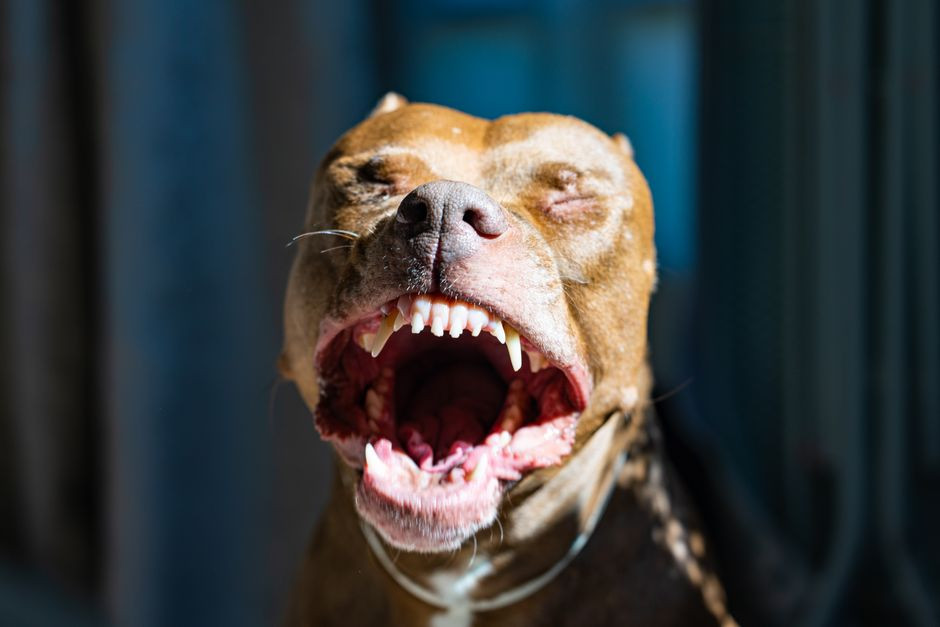
Dogs do not all enjoy hugs in the human sense. Many tolerate being wrapped up by a trusted person, but others find it confining. The key is the rest of the body. A relaxed dog usually has loose muscles, a soft face, normal breathing, and may lean in, nuzzle, or stay close by choice. A worried dog may stiffen, turn the head away, lick the lips, yawn, pin the ears back, show the whites of the eyes, or try to move off.
A good rule is to pet briefly, then pause. If the dog comes back for more, leans closer, or nudges your hand, that is a useful sign. If the dog steps away, respect it. Consent-based handling builds trust faster than forcing affection.
How to help a rescue dog feel safe at home
Start with a quiet space, a regular feeding schedule, gentle walks suited to the dog, and a bed or crate that is never used as punishment. Keep early introductions calm. Too much excitement, too many visitors, or constant touching can overwhelm a dog that is still adjusting.
Reward calm behavior with treats, praise, and predictable routines. Watch for patterns: when the dog rests well, eats well, and seeks contact more freely, confidence is growing. If the dog seems persistently fearful, shuts down, guards food or space, or startles easily, a veterinarian or qualified force-free trainer can help.
The most useful gift for many rescue dogs is patience. Trust often grows through many small, respectful moments rather than one dramatic breakthrough.
Share this article: