Senior Rescue Golden Retriever Bruce Finally Gets Room to Run, and the Video Says Everything

Bruce took off across a fenced yard with a toy in his mouth, and the people who love him realized they were seeing something new. In the video, the senior rescue Golden Retriever is not just stretching his legs. He is experiencing a kind of freedom his family says may have been missing for a very long time.
The clip shared by Aub and Kori Halter on the @seniorboybruce account captures the moment in simple terms. Bruce races over a large grassy space, carrying a toy as he goes. Kori can be heard saying they had never seen him run like that before.
For Bruce, that run came with a lot of history behind it. His family said the outing happened five months after his adoption, and only after a careful recovery. Bruce had heartworm treatment in November, followed by strict exercise restrictions that lasted until the end of December. Because he had spent years without proper exercise before he was adopted, his strength had to be rebuilt slowly and carefully.
A rented yard became a milestone
When the weather improved, Bruce’s moms found a way to give him a safe place to move. They rented a one acre fenced yard through SniffSpot, choosing a space with dry grass so he could run without slipping.
That made the outing more than an ordinary play session. His family said it was the first time Bruce had been able to run free since his adoption, and possibly the first time at all. On screen, the video includes a promise from his family that they will do everything they can to give him the fenced backyard they believe he deserves.
What makes the scene especially touching is how much Bruce seems ready for it. His family says he is still a puppy at heart. At home, he dashes through the house with a toy. On walks, he tries to go after bunnies and squirrels. At the park, he loves running alongside his moms.
Not there yet, but moving toward it
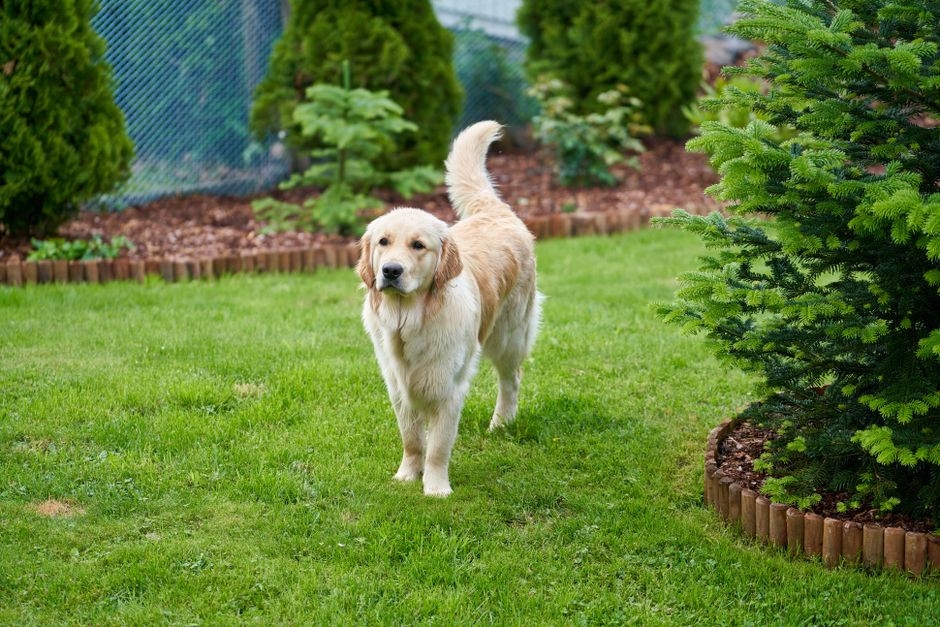
Bruce does not have a fenced yard of his own yet. His family said their fence fund was interrupted by unexpected home renovations after a burst pipe, along with an ongoing medical journey.
Even so, they have not let go of the goal. They said they are saving again so Bruce can eventually have a peaceful backyard of his own.
People who watched Bruce’s run clearly understood what they were seeing. Some suggested a GoFundMe to help pay for a fence. Others wrote about how happy it was to watch him run and sent encouragement to Bruce and his family, including supportive messages for his mom.
For now, Bruce’s first big run stands on its own as a small, unforgettable victory: a senior rescue dog, a safe patch of grass, and the sight of a body finally able to do what it was made to do.
Why senior rescue dogs can make great companions
Older dogs are often easier to read than puppies. Their size, coat, and broad temperament are usually already clear, and many are past the most intense chewing and house training stages. That can make the transition into a home calmer for people who want companionship without raising a very young dog.
Senior dogs do, however, need patience. Time in a shelter or foster home can mean disrupted routines, stress, and limited space. A quiet place to rest, predictable meal times, and gentle handling help many older dogs relax. Some settle quickly, while others need weeks or longer before their full personality shows. A good first step is to keep early days simple: short walks, regular bathroom breaks, and one sleeping area they can count on.
What to check before and after adoption
Adoption processes vary, but it helps to ask about medical history, mobility, diet, medication, and how the dog behaves around strangers, children, cats, and other dogs. If records are incomplete, that is not unusual. Plan a veterinary visit soon after adoption to review teeth, joints, hearing, vision, skin, and any lumps or stiffness.
At home, watch for common signs that an older dog needs support: trouble getting up, slipping on smooth floors, reluctance to use stairs, changes in thirst or appetite, pacing at night, or sudden confusion. Simple adjustments can make a big difference. Non slip rugs, ramps, raised bowls if advised by a vet, and an orthopedic bed can help comfort and confidence.
Exercise, enrichment, and safe space for older retrievers
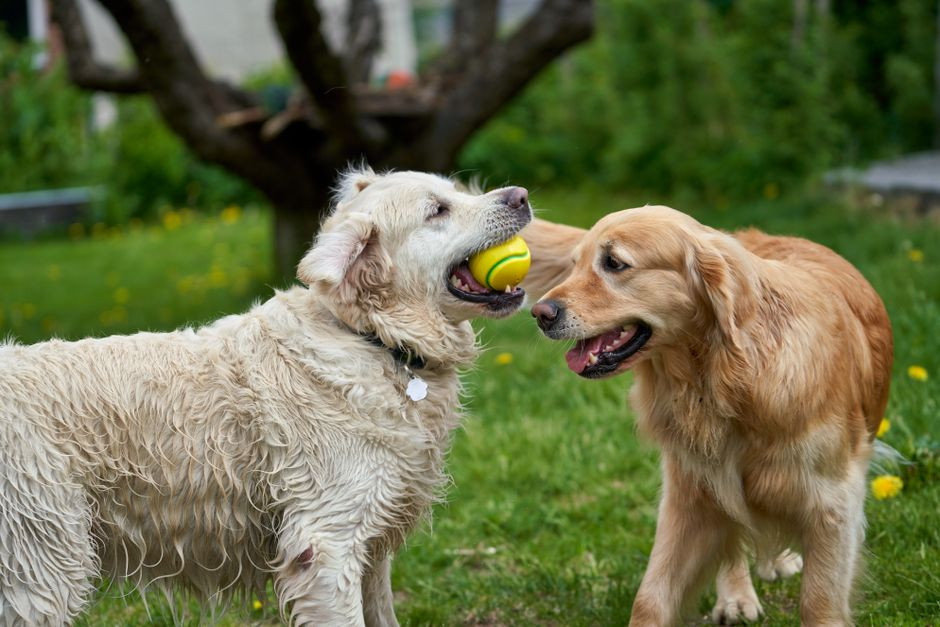
Many senior dogs still love movement, especially sporting breeds such as retrievers. The goal is not hard exertion but regular, low impact activity. Start with shorter walks and let the dog set the pace. A fenced yard or secure long line can give more freedom, but it is wise to build up gradually rather than assuming enthusiasm matches fitness.
Mental enrichment matters as much as physical exercise. Food puzzles, scent games, basic training refreshers, and gentle fetch on soft ground can keep an older dog engaged. After activity, check for limping, heavy panting that does not ease, or unusual fatigue. If those appear, shorten the next outing and speak with a vet. The best routine is steady, predictable, and tailored to the dog in front of you.
Share this article: