
21 Rescue Puppies From One Home Get Ready for Forever Families in Frankenmuth

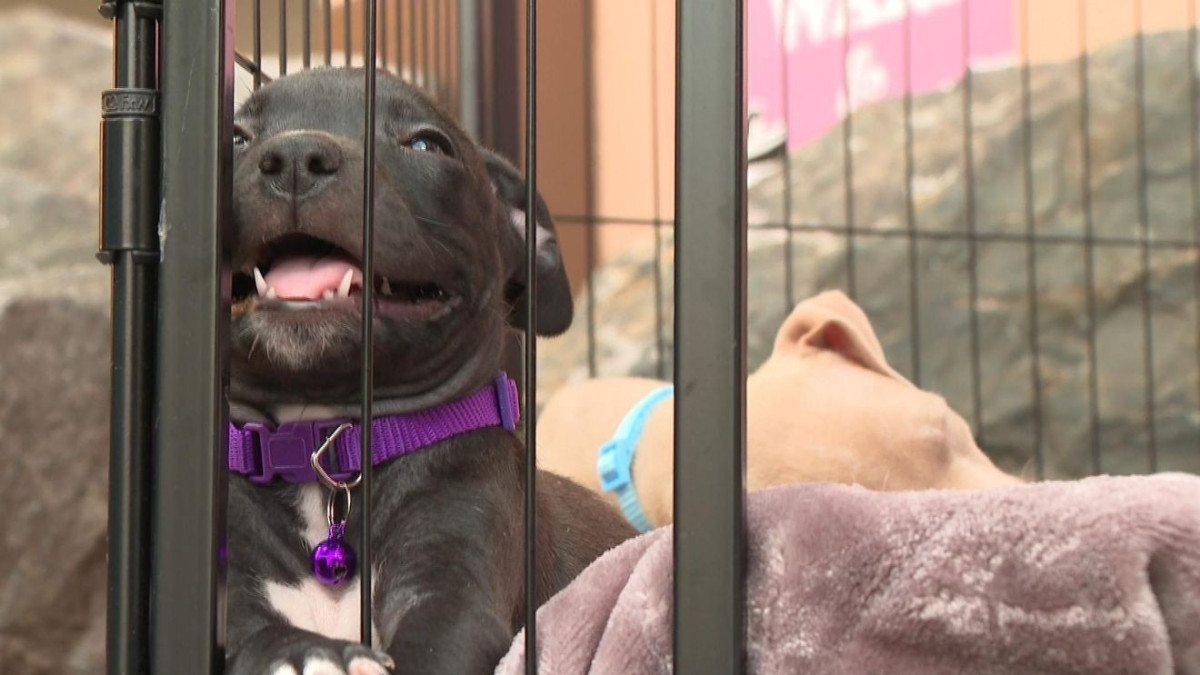
At Saving Tails Animal Rescue and Outreach, 21 puppies are busy doing what growing puppies do best: running, testing what they can climb, and discovering their own voices. The tiny group, brought in from a single household, is still too young for adoption, but staff are already looking ahead to the homes that will eventually fit each personality best.
From one household to a rescue full of puppies
The scene at the Frankenmuth rescue began with a call about multiple litters in one home. Heather Rousseau, president of Saving Tails Animal Rescue and Outreach, said the organization was originally contacted about three litters from that household.
By the time the rescue shared an update, the oldest litter, made up of three puppies, had already found new homes. That left two younger litters in care, one with nine puppies and one with 12, for a total of 21 puppies still being raised by the rescue.
That number alone explains the scale of the effort. Feeding, cleaning, monitoring and handling one litter is a major commitment. Caring for 21 puppies at once means the rescue is managing a nursery that is constantly changing as the dogs get bigger, more mobile and more curious.
Rousseau said the puppies are in that in-between stage where they are no longer just sleeping and nursing. They are getting older, and the rescue is waiting for them to reach the point when they can move on to homes of their own. Until then, the focus is on keeping them healthy, letting them develop, and making sure the next step is handled thoughtfully.
A noisy, playful stage of puppyhood
Rousseau described a familiar milestone for young puppies: around five weeks old, they start to turn into active little explorers. At that age, she said, they begin to run, experiment with whether they can jump, and figure out what they can climb onto.
They are also becoming louder and more expressive. According to Rousseau, the puppies are starting to find their voices, barking and growling at one another as they play. With 21 puppies in the mix, that means the rescue is not only full, but lively.
Even within the same rescue group, their individual differences are already showing. Rousseau said some of the puppies are more confident, some are more reserved, and some stand out as especially playful. That emerging range of personalities matters, because it gives the rescue an early sense of what kind of homes may suit them best.
For people who imagine puppy care as mostly cuddles and naps, the work happening behind the scenes is more involved than that. Rousseau said the rescue is trying to socialize the puppies and prepare them for life in homes as well as possible. That includes beginning work on potty training and introducing them to new sights and smells.
Those early experiences are part of helping a young dog adjust to everyday life. The rescue is not simply waiting for the puppies to get old enough to leave. It is actively shaping the transition by giving them a foundation before they are adopted.
Keeping the puppies together at this stage also serves a purpose. Rousseau said they learn how to interact and how to play from one another, and they also learn from their mothers. In her description, that includes the kinds of manners puppies begin to pick up naturally while growing up as part of a litter.
That shared learning is one reason the group has not yet been rushed into adoption. The puppies are still in a developmental period when their surroundings and daily experiences can help prepare them for the homes that will come next.
The search for homes is already underway
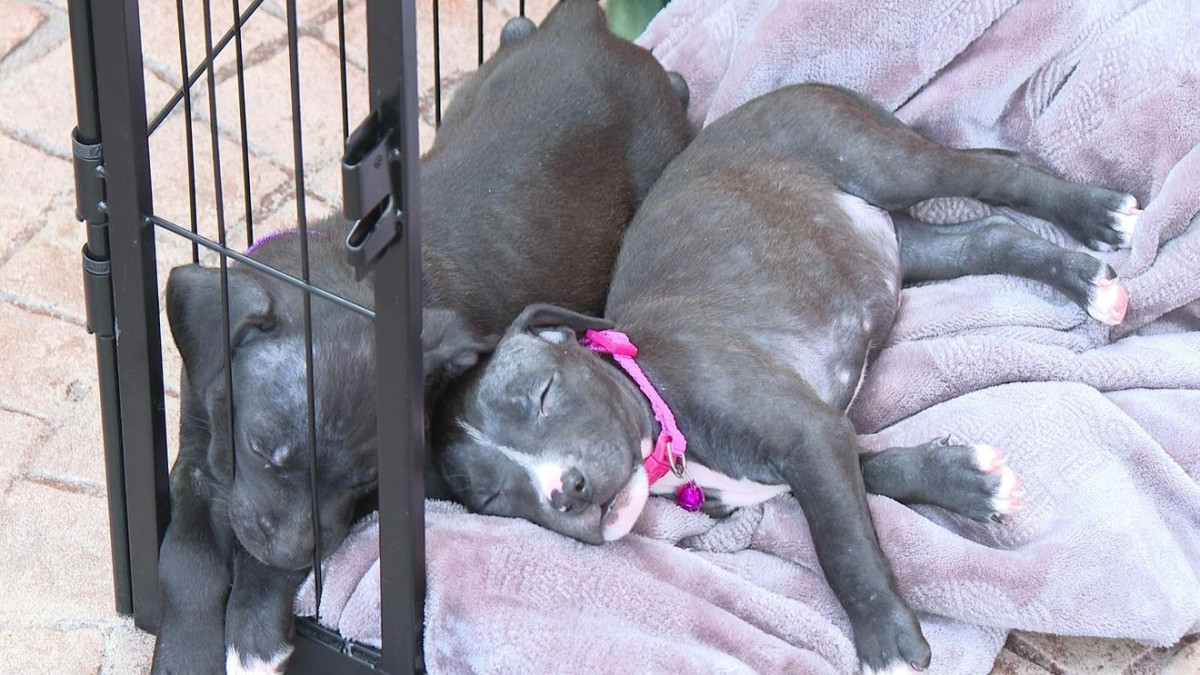
Although the 21 puppies are still too young to be adopted, the rescue is not waiting until the last minute to start planning. Rousseau said the search for foster homes and forever homes is already in progress.
She also made clear that a large group of puppies can tempt people to choose with their eyes first. Her advice is to do the opposite. Rather than focusing on which puppy looks cutest, Rousseau said adopters should look for the right home and the right fit, and match personalities instead of appearance.
That message reflects what the rescue is seeing every day. Even at this young age, the puppies are not interchangeable. Some are bolder, some are quieter, and some are constantly ready to play. A successful adoption, in Rousseau's view, depends on pairing those traits with the right household.
People interested in meeting the puppies will have ways to do that through the rescue's events. Saving Tails Animal Rescue has upcoming puppy yoga and bingo sessions where people can interact with them.
For now, the puppies remain in the care stage, growing a little older and receiving what Rousseau described as nurtured care. She said they need about another week before they will be ready for their new forever homes.
That means the rescue is living in a very specific moment: 21 puppies in the middle of puppyhood, still learning from their mothers and littermates, still being introduced to the world, and still waiting for the right people to find them. The oldest litter from the same household has already been placed. For the 21 younger puppies, the next chapter is close, and the goal is not simply to send them anywhere, but to send each one to the home that fits best.
Share this article:





