
Shelter Mama Dog Miss Finster Watched All Her Puppies Get Adopted. She Is Still Waiting After Nearly 3 Years

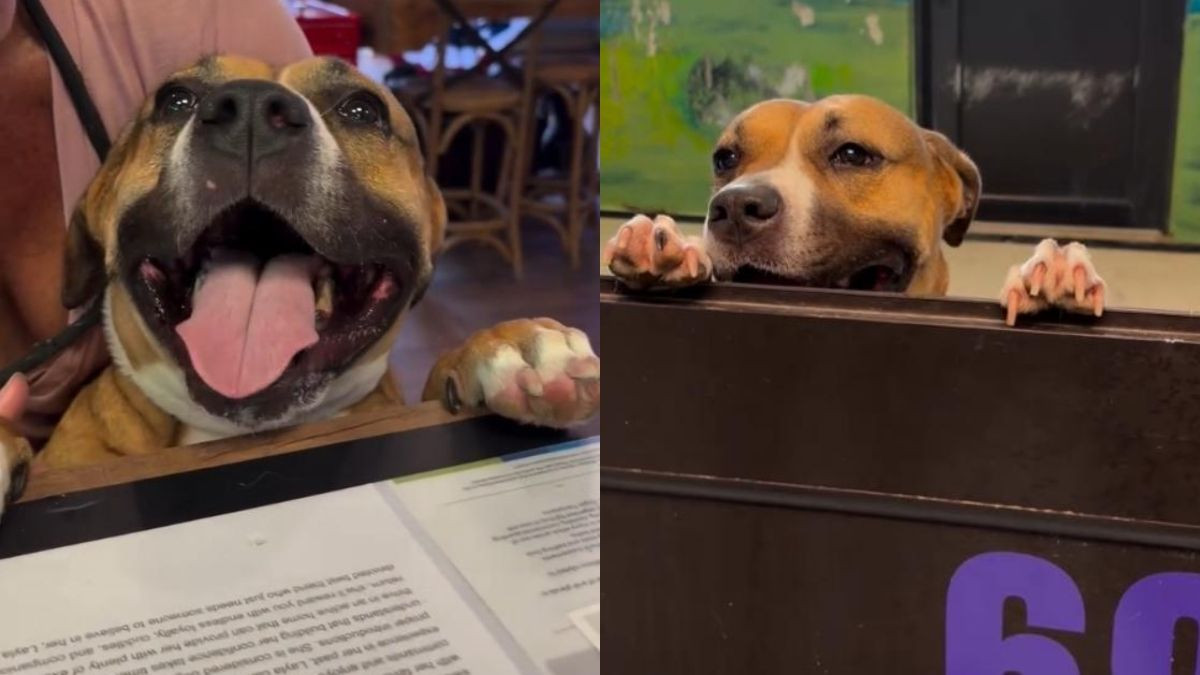
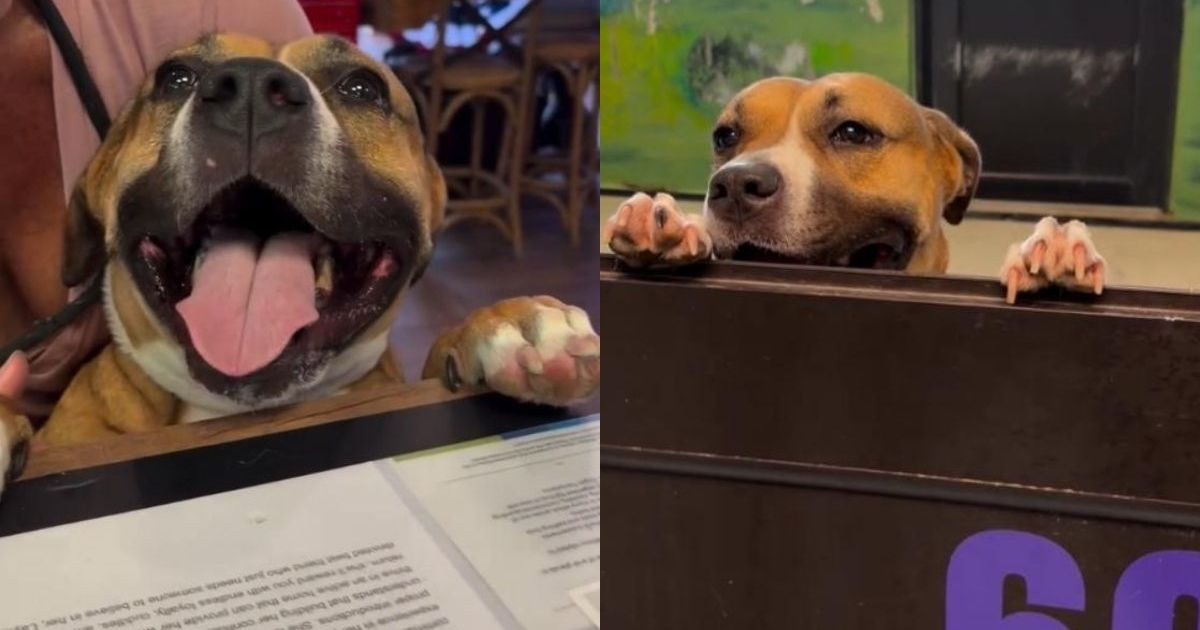
Miss Finster’s hardest moment came at a shelter counter, front paws resting on top as she looked expectantly toward a staff member for news. The answer was heartbreaking: after watching her puppies leave for families, the 4-year-old mama dog still had no applications of her own.
A familiar question, and an answer no one wanted to give
In a new video shared by Big Dog Ranch Rescue, Miss Finster appears to ask the question shelter workers know too well. She has been waiting since 2023, and in the clip a staff member gently tells her there is still no one lined up to adopt her.
The exchange is brief, but it says a lot about her story. This is a dog who has already seen her puppies find forever homes while her own stay at the shelter continued. After the disappointing update, a staff member sits beside her, holds her face, and offers reassurance that her day could still come.
The video then shows Miss Finster back in her kennel with a message that captures the patience she has had to practice. She is still there, still available, still hoping someone will come looking for her.
More than a sad story
The rescue describes Miss Finster as an active dog who enjoys toys and spending time with people. She also knows her basic commands, giving potential adopters more to work with than just a sympathetic backstory.
People who have spent time with her have added their own details. One volunteer said she did beautifully at a backstage concert event, greeting both people and other dogs politely and showing particular gentleness around puppies. Another volunteer described her as an especially sweet, happy dog during a doggy day out, saying she enjoyed walks and belly rubs.
Those snapshots help round out the picture of who Miss Finster is. She is not simply the dog who got overlooked after her litter left. She is a social, affectionate shelter dog with experience outside the kennel and a reputation for good manners in different settings.
A few signs that someone may finally be noticing her
There are at least some encouraging developments around Miss Finster’s adoption search. In the comments on the rescue’s post, there was an update from someone who hoped she would soon be joining a family in Pensacola.
Practical support is also already in place for whoever adopts her. Her adoption fee has been sponsored by @costikyancarpet. The sponsor will also provide a year’s supply of food along with a full year of flea, tick, and heartworm prevention.
Miss Finster appears to be an American Pit Bull Terrier, and for now she is still waiting. But the details that surround her story have begun to shift from simple disappointment toward possibility. Her puppies have already gone home. The hope now is that the next good update will be hers.
Why some shelter dogs wait longer
Puppies are often adopted quickly because they are small, easy to imagine in a home, and seen as a blank slate. Adult dogs can wait longer, especially if they are shy in kennels, need more time to warm up, or have medical or behavior needs that require a clearer plan.
Mothers who have raised litters may also be recovering from stress, changes in routine, and the physical demands of nursing. Once puppies leave, a mother dog may finally start showing her own personality. That can take time. A dog that seems quiet, tense, or withdrawn in a shelter may act very differently in a calmer home.
Shelter behavior is not always home behavior. Noise, unfamiliar people, and limited rest can make even friendly dogs seem overwhelmed. That is why many shelters try to learn about a dog's habits over time rather than judging a dog by a first impression.
How shelters try to make a good match
Adoption is usually more than picking the cutest face. Shelters often look at energy level, handling needs, training history, health, and whether a dog may do well with children or other pets. Some dogs are ready for a busy household. Others need a quieter setup, patient introductions, or an experienced adopter.
If you are interested in an adult dog, ask practical questions: How does the dog handle walks, grooming, car rides, visitors, and time alone. Ask what routines help the dog settle. If a meet and greet is offered, use it to observe body language, not just excitement. Loose posture, interest in food or toys, and the ability to recover after a startling moment can all be encouraging signs.
Be honest about your schedule and home. A good match helps dogs stay placed.
Ways to help an overlooked dog
If you can adopt, keep an open mind about age, size, and color, and ask staff to introduce you to dogs that are easy to miss in a kennel. Read the notes, not just the first reaction. A short decompression period at home is normal, and many dogs need steady routine before their real temperament appears.
If you cannot adopt, fostering can give a dog a break from the shelter and provide useful information for future adopters. Even a temporary stay can reveal house manners, sleep habits, and social skills.
You can also help by sharing a shelter dog's profile clearly and accurately, donating supplies the shelter has requested, or volunteering for walking, enrichment, and transport. Small actions can make a dog more visible and more comfortable while waiting for a home.
Share this article:





