
21 Spoiled Cats Living The Dream Life

These cats are living like tiny royalty, and their humans seem perfectly fine with it. From custom couches to breakfast routines that look more like service than pet care, every photo in this roundup leans hard into spoiled-cat energy.
The setup is simple enough, cats are getting whatever they want, whenever they want it, and the people around them are clearly enabling the whole thing. That is what makes the pictures so funny, because each one feels like a small victory for feline entitlement.
By the end, it is hard not to wonder who is really running the house. Read on.
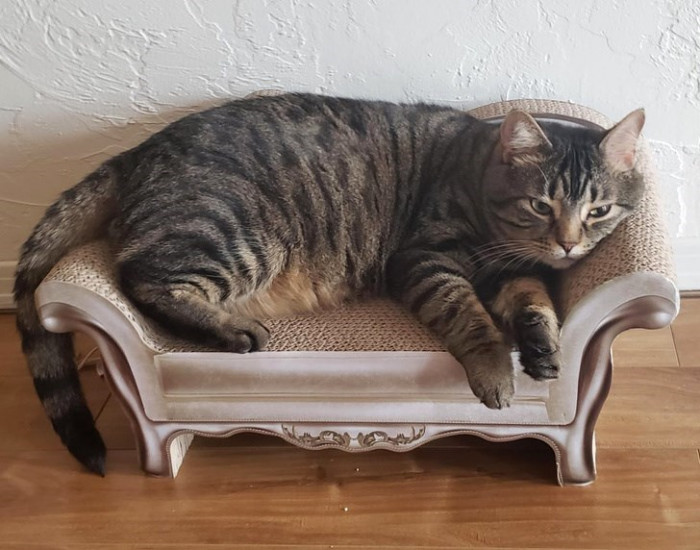
1. This cat has her couch.
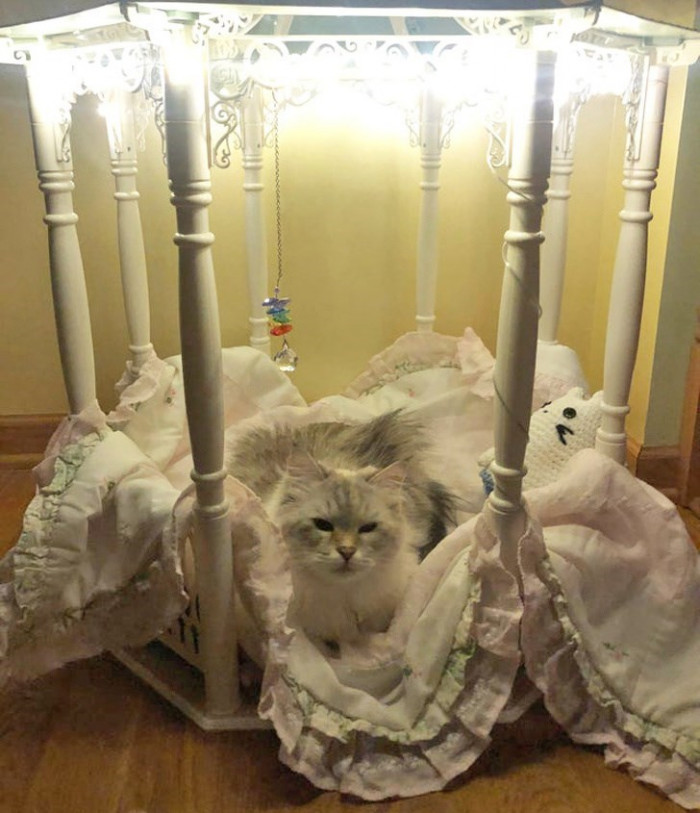
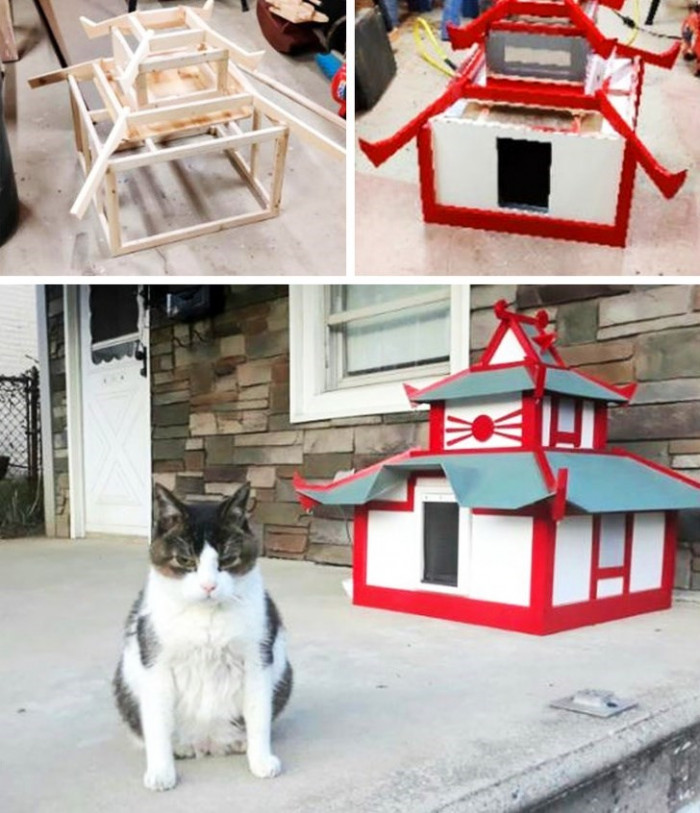
2. A royal cat relaxing in her gazebo.
3. DIY cat castle because royalty doesn't live with commoners.
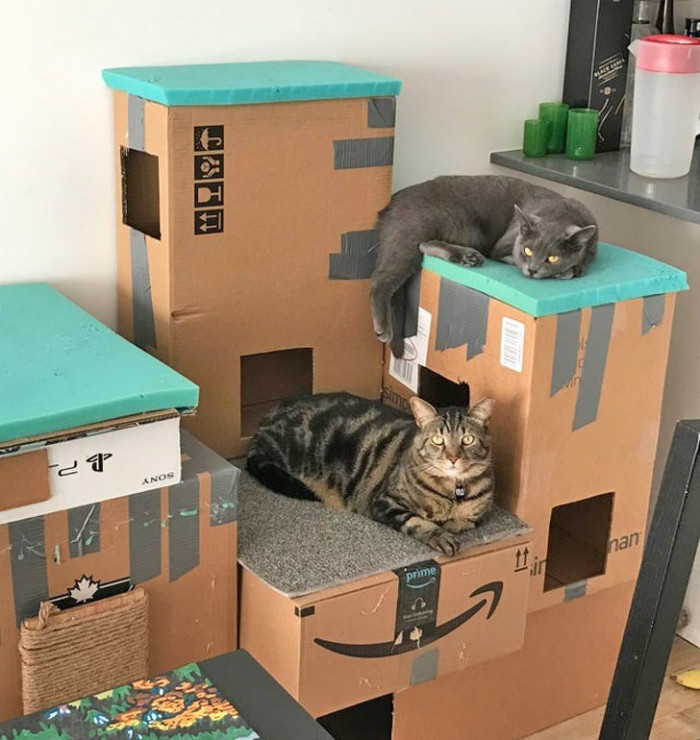
The lives of these pampered cats serve as a fascinating study in the dynamics of entitlement.
That is one way to run a household.
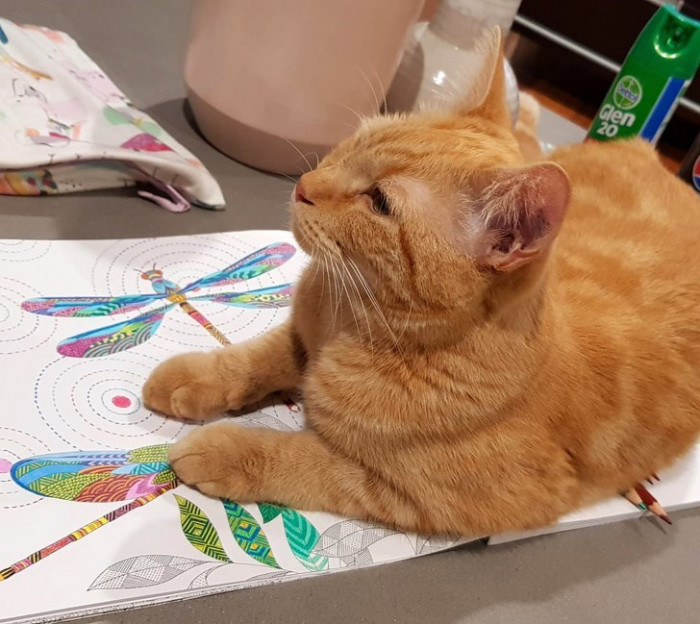
4. "Do I have your attention now?"
5. "We can share your bed, or you can sleep on the floor. The choice is yours."
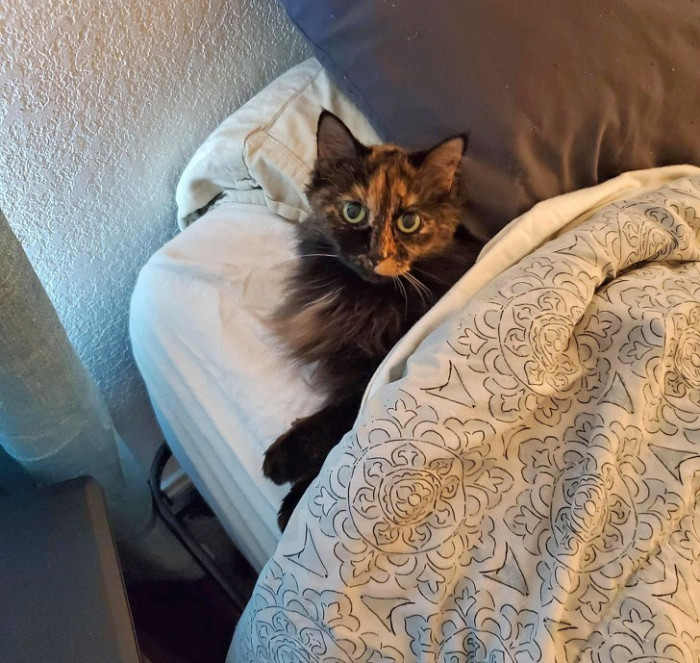
6. You show them whatever they want to see, or they'll meow you to death.
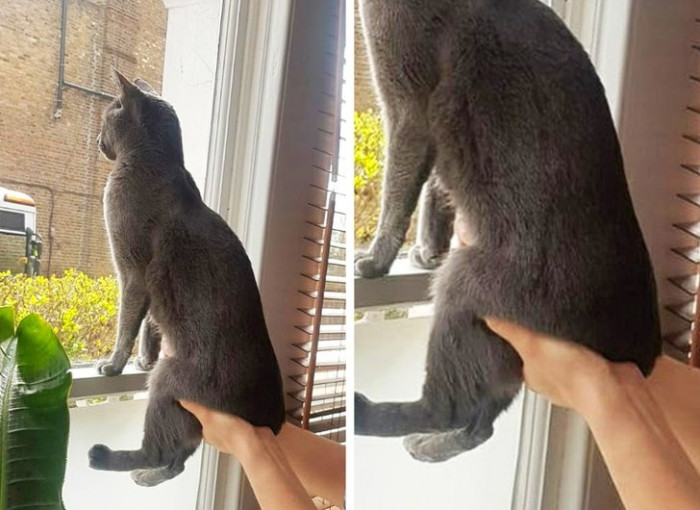
Cats are naturally inclined to exhibit independence, which can lead to behaviors that may seem entitled or ungrateful. They don't express gratitude in the same way that dogs do, for example, because their evolutionary path has shaped different social behaviors.
This independence can sometimes be misconstrued as aloofness, leading to misunderstandings in the human-animal relationship. Understanding these behavioral tendencies can help owners manage their expectations and foster a more fulfilling bond with their pets.
And the cats are not exactly helping their case.
7. "Can I bathe now? No, not the shower... Here."
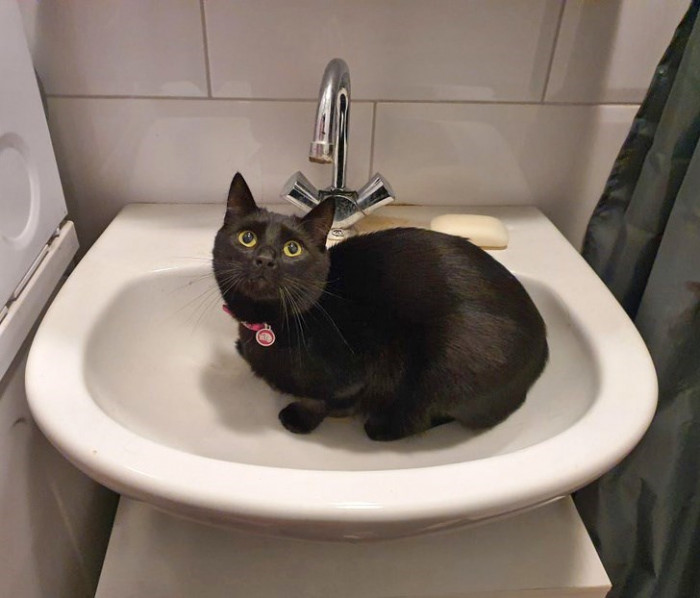
8. "Where do you think you're going?"
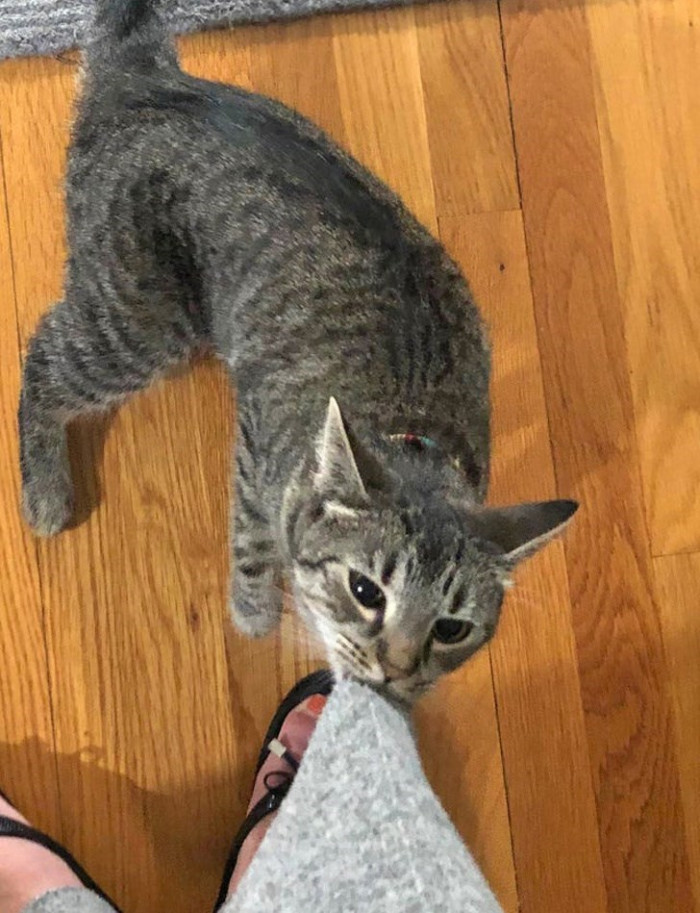
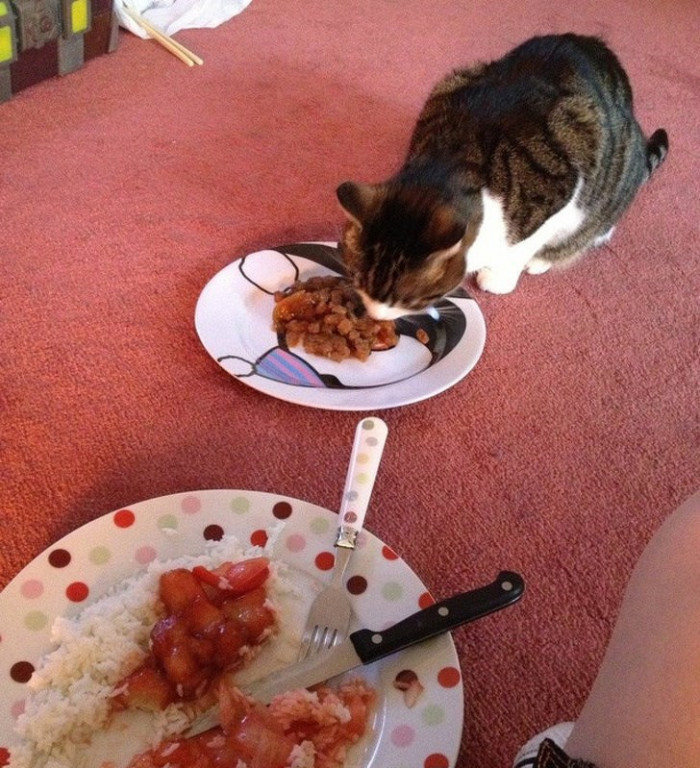
9. This cat eats only where her owner eats.
The Importance of Boundaries
Pet ownership often mirrors parent-child dynamics, particularly regarding the establishment of boundaries. When owners fail to enforce limits, pets may develop behavior patterns characterized by aggression or anxiety, reflecting a lack of understanding of social norms within their environment.
For instance, implementing structured feeding times or designated play areas can help instill a sense of order and reduce any entitlement behaviors. Creating a routine can also enhance the pet's overall mental health and well-being, leading to a more harmonious household.
Clearly, this cat has no interest in boundaries.
It’s the same kind of chaos as the lady’s heated argument with an entitled family trying to steal her cat.
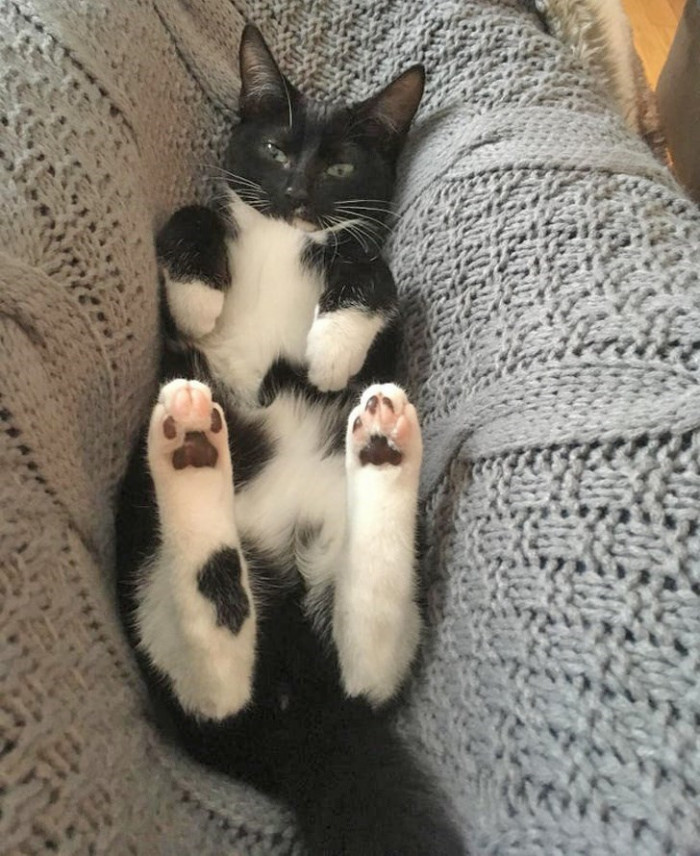
10. "I'm sleeping in between your legs today. What will you do about it?"
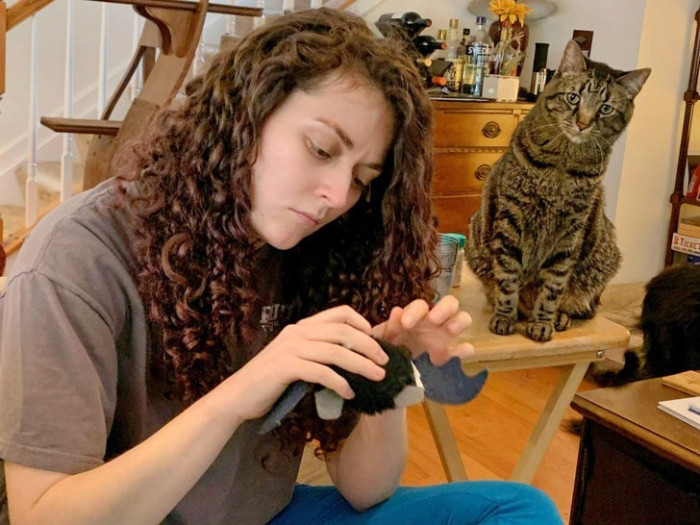
11. She fixed his spoiled toy, but he'd rather have a new one, so he doesn't play with it anymore.
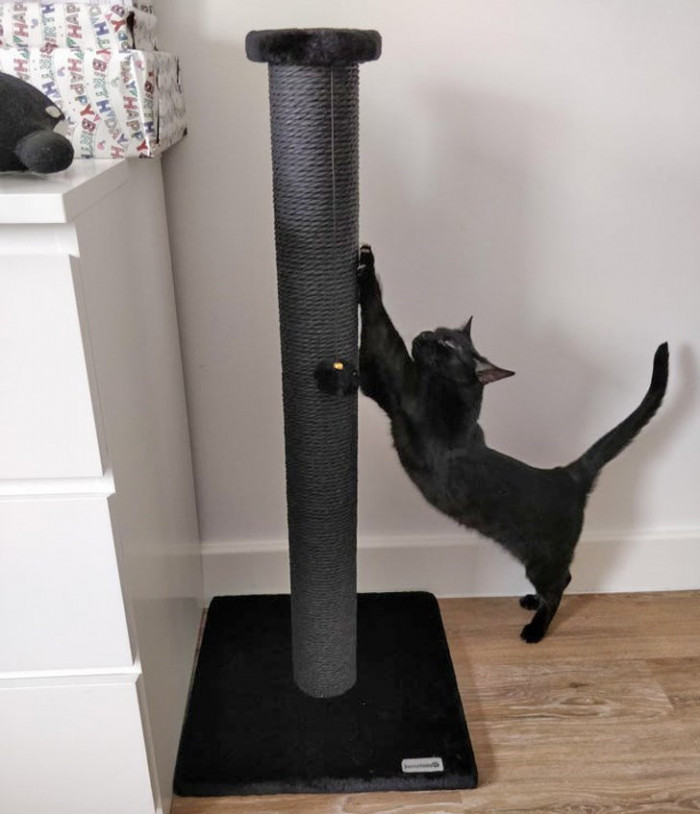
12. Her owner got a gift for the cat, but it wasn't the cat's birthday... It was her owner's birthday.
Interestingly, the phenomenon of pet ownership can also serve as a reflection of human emotional needs.
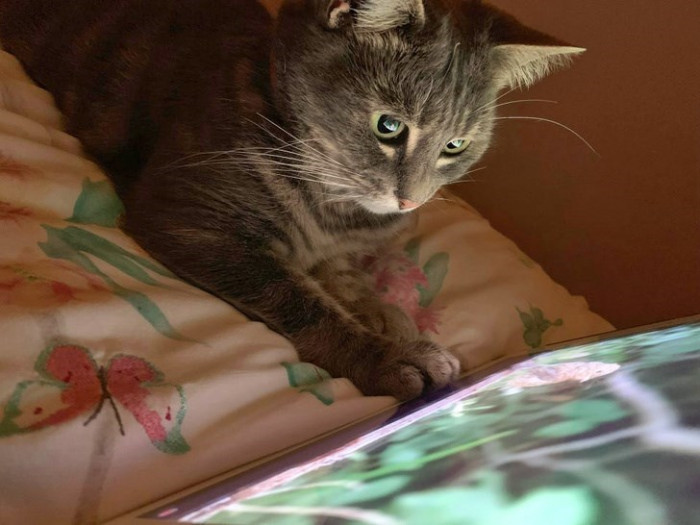
13. This spoiled cat enjoys watching birds and fish on YouTube.
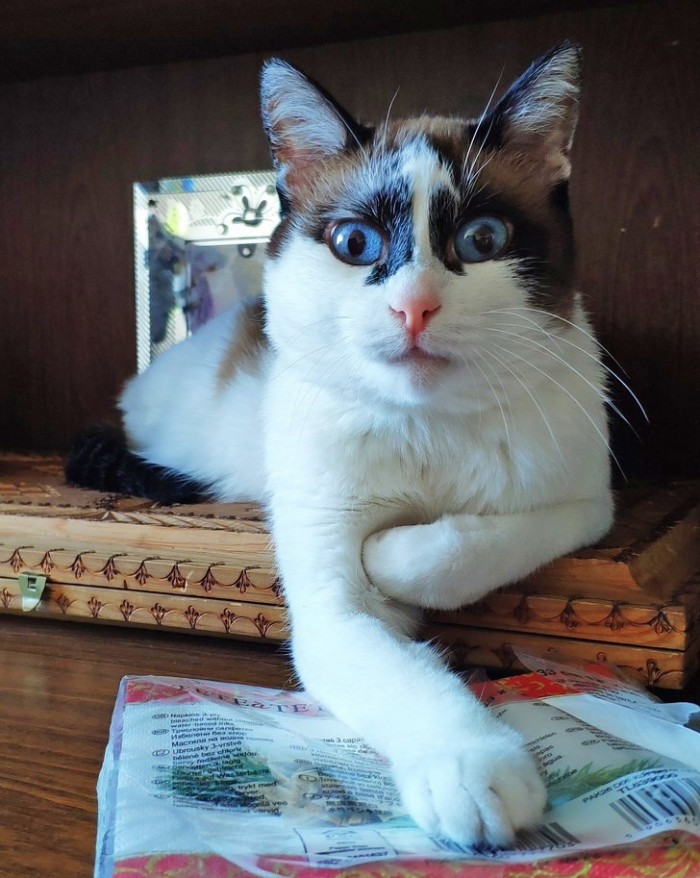
14. "What do you mean by I can't have that?"
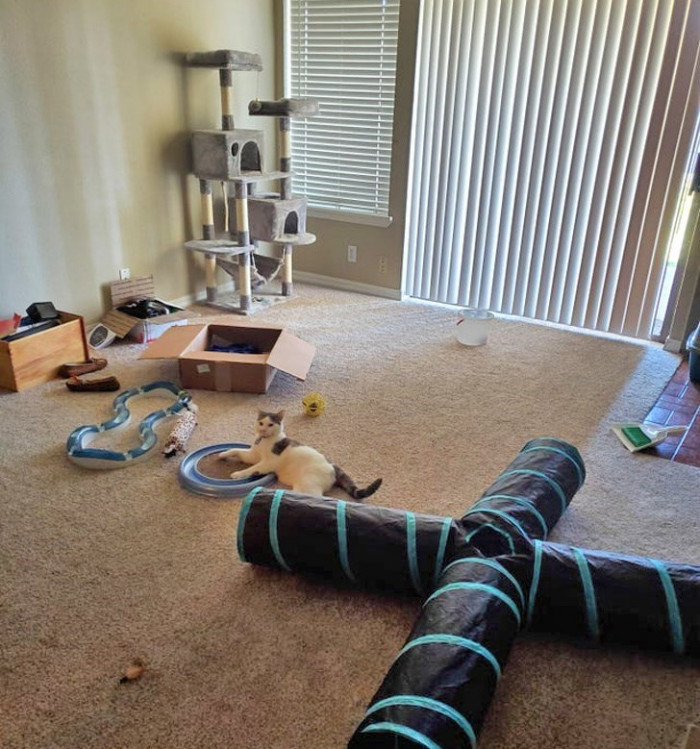
15. It's a new home, but the cat has more toys than her owner has furniture.
Fostering Gratitude in Pets
Cultivating a sense of gratitude in pets, particularly cats, can be challenging but is not impossible. While cats may not express gratitude in the same way as dogs, behavioral conditioning can encourage positive interactions.
For example, rewarding a cat with treats or affection when they engage in desired behaviors, like cuddling or purring, reinforces those actions. This method aligns with principles of operant conditioning, where positive outcomes encourage repeated behavior. Cat owners should be patient and consistent, as building this connection takes time, but the results can lead to a more rewarding relationship.
This cat is already living like a celebrity.
16. Time to relax.
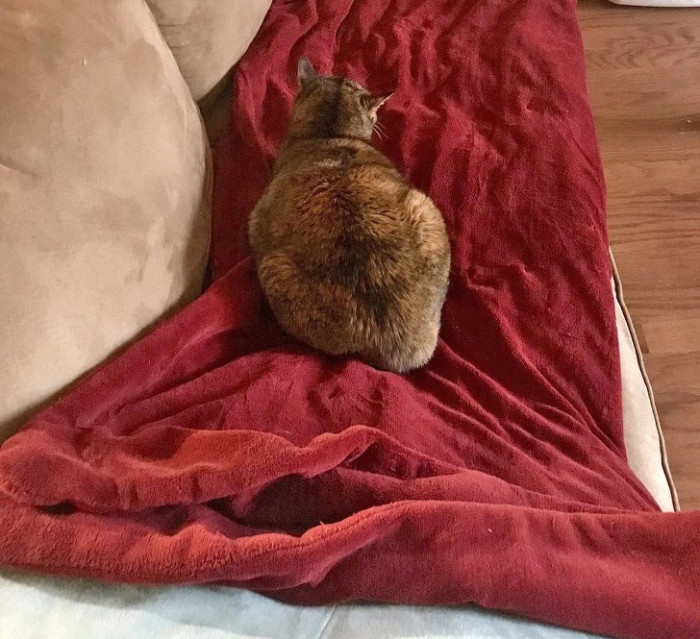
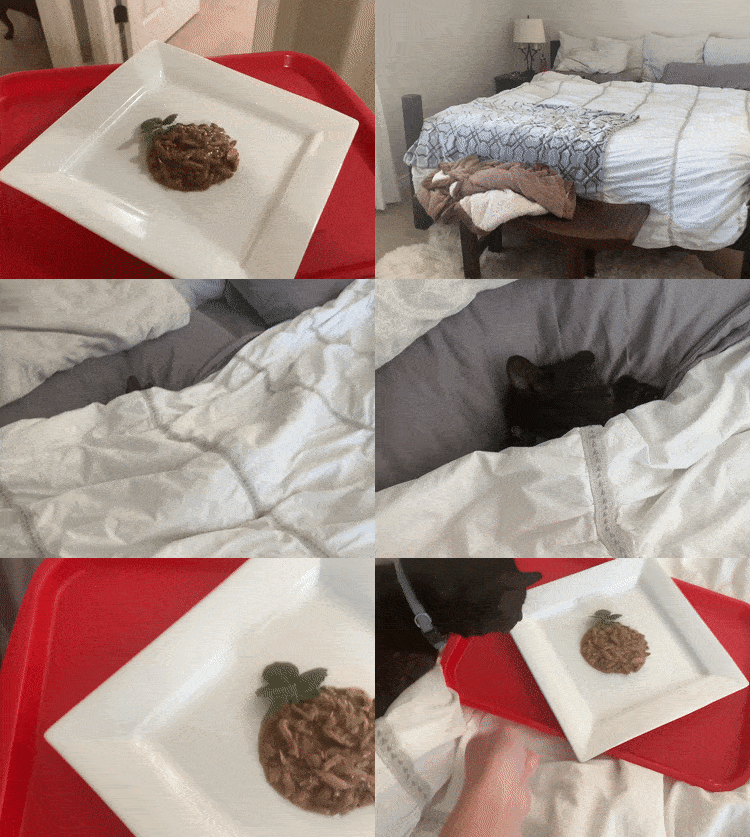
17. Breakfast for her royal highness.
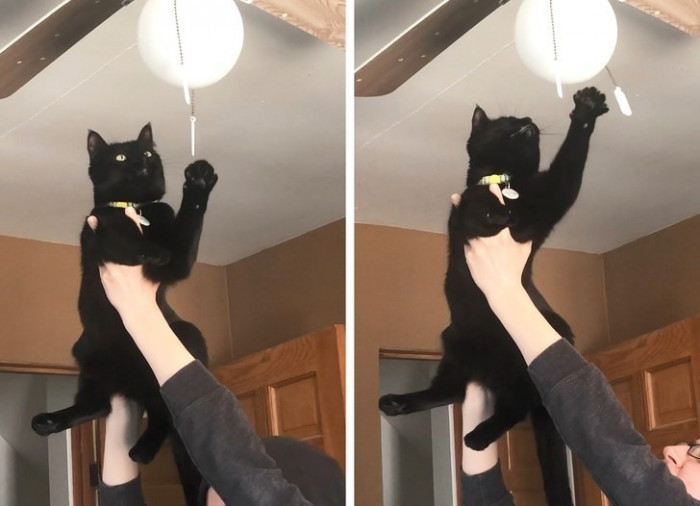
18. If she wants to play with the ceiling dangles, you give her the darn ceiling dangles.
Social observation suggests that the way we treat our pets can reflect broader societal values around care and entitlement. In cultures that prioritize individualism, there seems to be a trend toward treating pets as family members, leading to heightened expectations for their behavior. This notion can create unrealistic standards for companionship and gratitude, as pets are often anthropomorphized to meet human needs.
This shift raises questions about the nature of responsibility in pet ownership. Understanding that pets have distinct needs and behaviors, separate from human emotions, can help owners navigate their relationships more realistically and fulfill their responsibilities as caregivers more effectively.
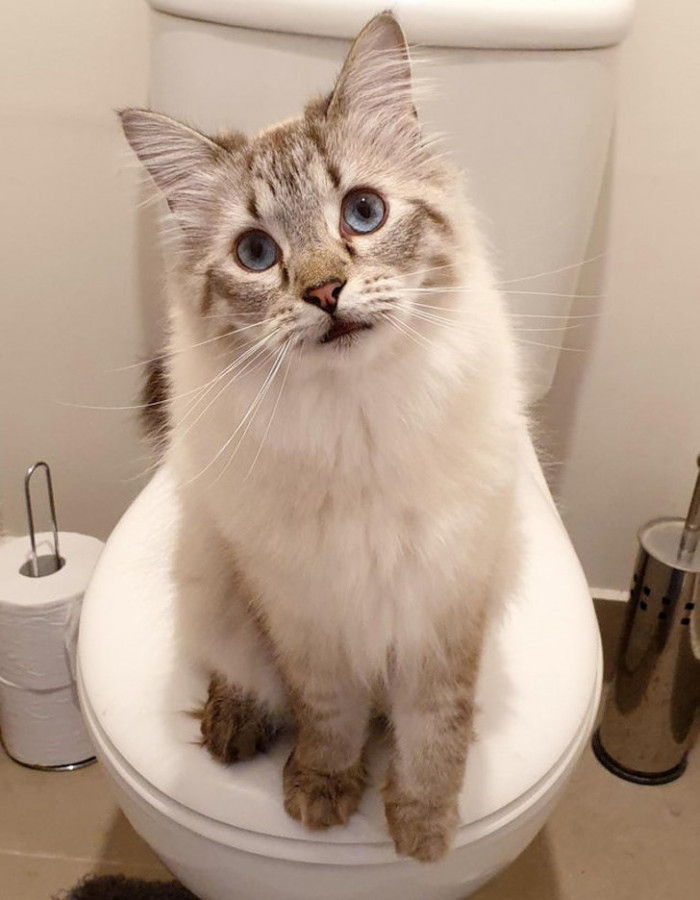
19. "You must ask for my permission before using anything in this house. Understood?"
20. "You know I hate red."
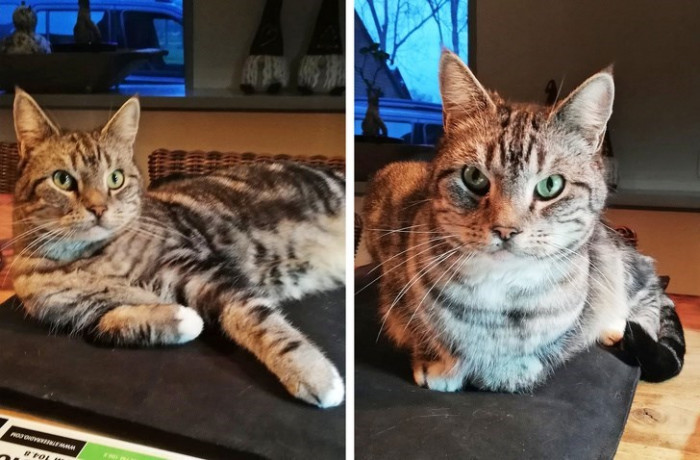
21. You don't want to guess how much this cat's pillow costs.
Psst, it costs €70...
Understanding Feline Behavior
To truly appreciate the 'dream life' these spoiled cats lead, it's essential to understand the psychological underpinnings of feline behavior. Cats possess unique social structures and communication styles that differ significantly from humans or even other pets. Research published in the journal Journal of Feline Medicine and Surgery highlights that cats have their own systems of social hierarchy and territoriality that influence their interactions with humans.
Recognizing these behaviors allows owners to appreciate their pets' individuality rather than imposing human-like expectations on them. This understanding fosters a more supportive environment where both pets and owners can thrive, promoting a deeper bond built on respect for the animal's nature.
In Summary...
There's nothing wrong with spoiling your cat. Cats deserve all the love in the world.
The fact is, cats make us happier and healthier in so many different ways. Don't believe it?
Try petting your cat after a long day at work, and you will feel the stress melt away. You don't even need to have a cat at home to enjoy the joy they bring.
One study found that watching cat videos online can reduce stress and negative emotions. There is so much to learn from cats, from their resilient spirit to how they carry themselves majestically.
Cats make life better, plain and simple. So if giving up your bed, food, or spouse is all these sneaky felines ask for, despite putting a roof over their heads, so be it!
These cats definitely know how to get their way.
In conclusion, the dynamics of pet ownership, especially regarding spoiled cats, reveal complex psychological principles that govern attachment, entitlement, and emotional needs. Understanding these factors can help owners create healthier relationships with their pets, emphasizing the importance of boundaries and realistic expectations. By integrating these insights into daily practices, pet owners can enhance the quality of life for both their cats and themselves, creating a nurturing environment that respects both human and animal needs.
Wait, until you see how “Get rid of the cat or I’m never returning home” played out for this family.
Share this article:





