Tripod Shelter Dog Chickie Traveled More Than 1,300 Miles to Reach Her New Home

Chickie was sitting quietly in her kennel when the moment that would change her life arrived. A three-legged shelter dog who had grown used to the people and routines around her was about to leave it all behind for a family more than 1,300 miles away.
The scene began simply. In a video shared by the Humane Society of Broward County, a staff member stood outside Chickie’s kennel holding her adoption card while the dog remained inside, seeming not to realize what was happening. Then the kennel door opened, and staff helped the tripod pup out for the start of a journey that would take her far from the only place she had come to know.
From there, Chickie was carried to a crate outside. That crate marked the beginning of her trip to meet the family who had chosen her. Her destination was more than 1,300 miles away, a striking distance for any adoption story, and especially for a shelter dog whose next step depended on people she had never met.
The move was not easy for her at first. The shelter explained that Chickie had become comfortable with the building, with the staff, and with the people she had learned to trust there. Leaving that familiar world was overwhelming, and she was nervous as her trip began. Staff said she needed patience and reassurance to help her feel safe during that early part of the transition.
How strangers helped change her future
What made Chickie’s adoption possible was not just one family’s decision, but the way a community helped her story travel. Her video was shared again and again, reaching far beyond the shelter. Those shares eventually put Chickie in front of the people who would adopt her, even though they were more than 1,300 miles away.
That chain of support turned a shelter post into a real outcome. A dog waiting in a kennel was suddenly connected to a home in another part of the country, showing how much can happen when people keep passing along the story of an animal in need.
The shelter also pointed to another piece of help behind the adoption. It thanked @dollys_dream_ for sponsoring Chickie’s adoption fee and helping support her move into her new life. That backing, together with the attention her video received, helped carry Chickie from shelter life to a fresh start.
Her story ended where so many shelter stories hope to end. Chickie arrived at her new home and was officially adopted. After all the uncertainty of leaving the place she knew, the nervous beginning gave way to the outcome every shelter dog is waiting for: a family, a home, and a second chance that finally became real.
What a tripod dog is
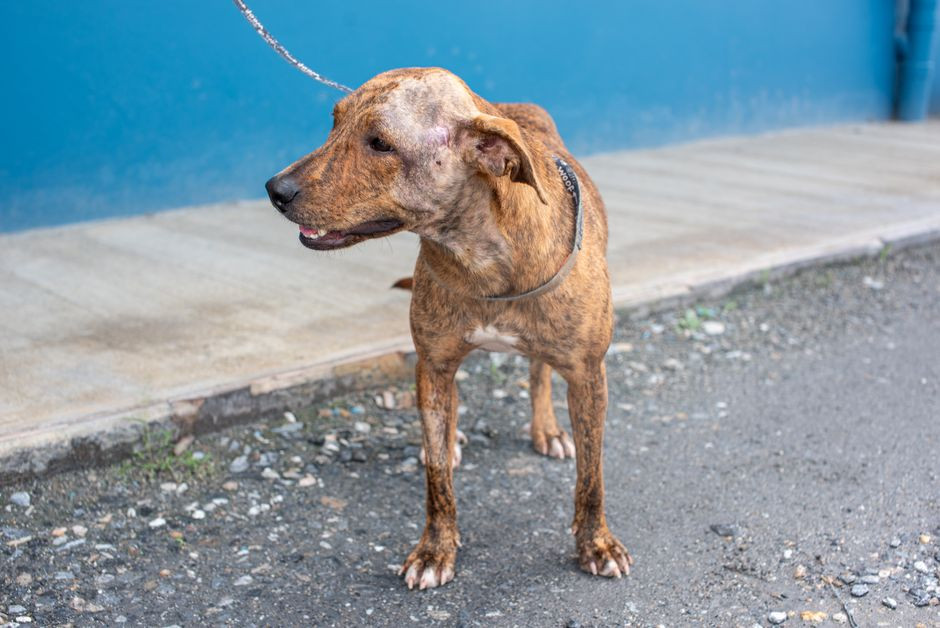
A tripod dog is a dog living comfortably on three legs after an amputation or a missing limb from birth or injury. Many adapt remarkably well. Dogs carry their weight differently from people, and a healthy three legged dog can often walk, play, and enjoy a full routine with only a short adjustment period.
What matters most is not the missing limb itself but overall health, age, pain control, and body condition. Extra weight can put added strain on joints, so steady exercise and portion control are especially helpful. Rugs or runners can improve traction on slippery floors, ramps can make cars and steps easier, and a well fitted harness gives support without pulling on the neck.
How rescue transport and long distance adoption work
When a dog is adopted from far away, the trip is usually planned in stages. Shelter staff or rescue volunteers confirm the dog is medically ready to travel, gather records, and arrange a route by car or, less often, by air. Transport may happen in one long trip or through relay style handoffs, with rest, water, bathroom breaks, and quiet time built in.
Long distance adoption can widen the pool of possible homes, especially for dogs with medical needs, senior pets, or disabilities that may take longer to place locally. For adopters, the key questions are practical: Who is responsible for transport, what supplies should be sent with the dog, how will medications be handled, and what records should arrive with the pet. Ask for feeding routines, behavior notes, and any mobility limits before arrival.
Setting up a smooth homecoming
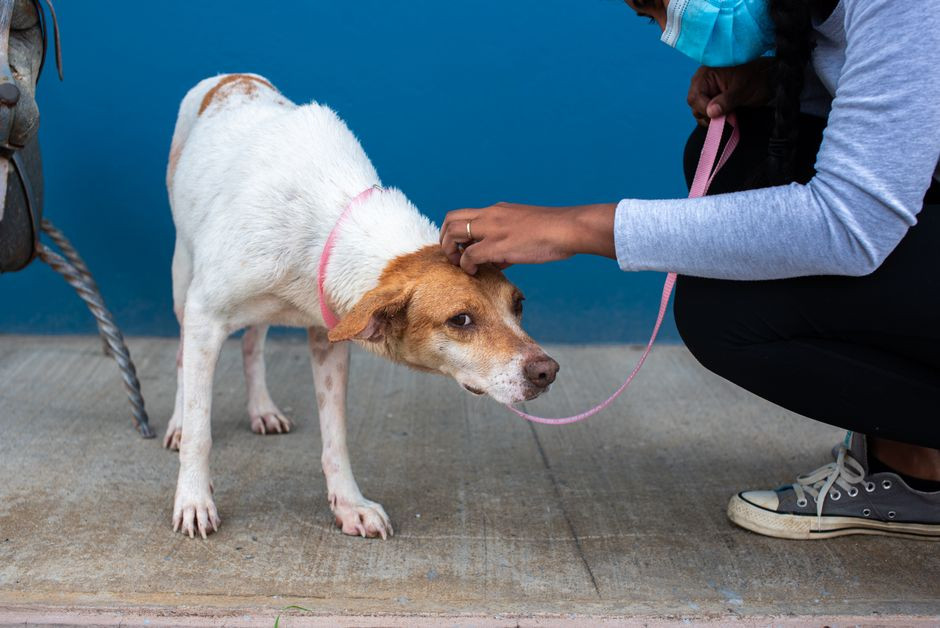
The first days in a new home are usually about decompression, not instant bonding. Keep the environment calm, use a predictable schedule, and give the dog one comfortable resting area. Limit visitors at first. For a tripod dog, watch for fatigue, sore skin from overcompensating, and difficulty with stairs or jumping.
A veterinary check soon after arrival is a good idea, even if the dog traveled with records. Ask about pain management, joint support, safe exercise, and whether physical therapy could help. If there are other pets, use slow introductions and separate feeding spaces. Patience matters. Many rescue dogs need time to feel secure before their personality fully shows.
Share this article: